
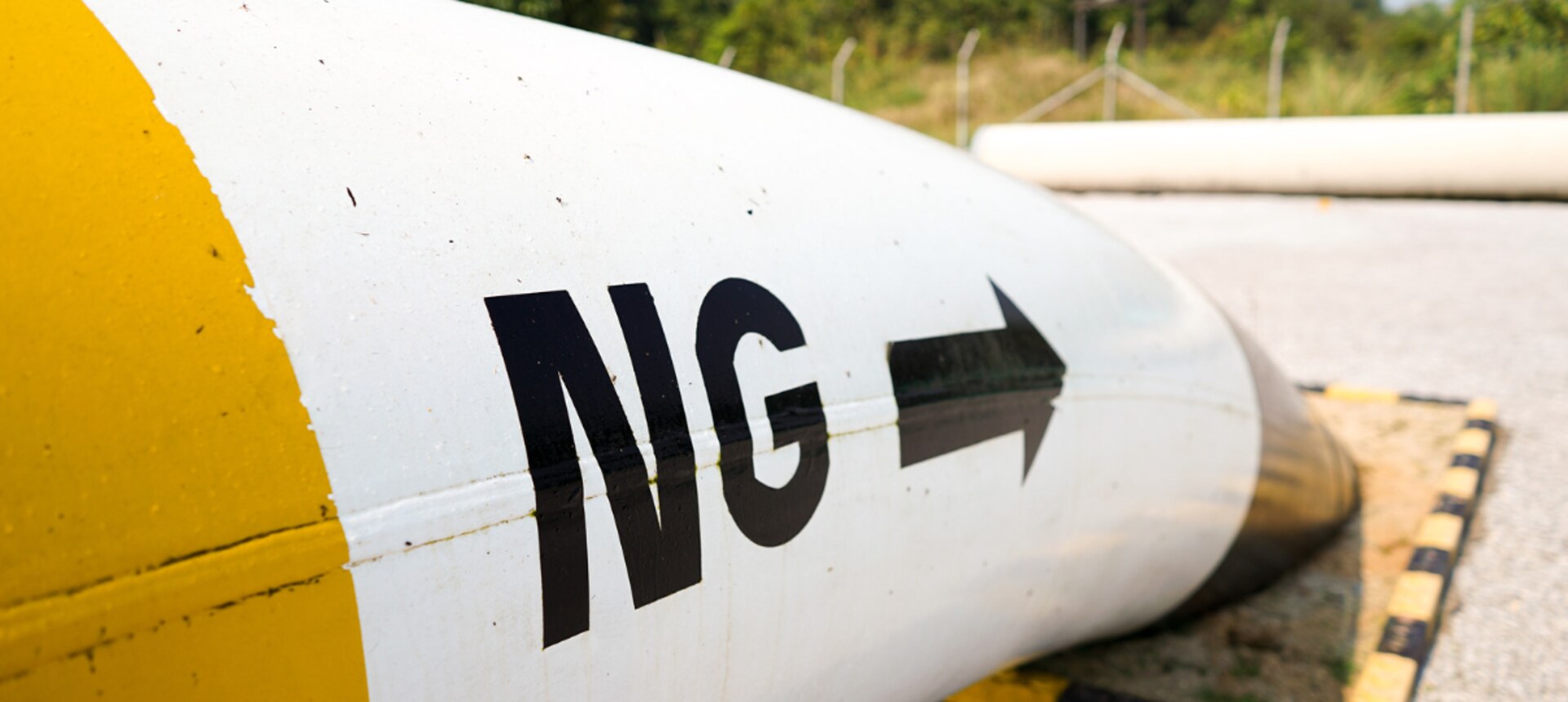
Oil & Gas
Carbon grades for gas treating, mercury guard beds, PSA purification and produced water polishing.
Quick Answer
Oil and gas plants use four different carbon grades: coal-based granular carbon for amine solvent purification, sulfur-impregnated carbon for mercury guard beds, coal-based columnar pellet for PSA hydrogen and nitrogen, and acid-washed coconut shell granular carbon for produced water and condensate polishing. Matching the grade to the duty matters more than buying the highest iodine number available.
Oil and gas processing runs activated carbon in four very different duties, and each one needs a different grade. Amine units use granular carbon on a slipstream to strip degradation products and hydrocarbons that cause foaming. Gas plants put carbon in guard beds to catch mercury before it reaches aluminium cryogenic equipment. PSA units use carbon as the second adsorbent layer behind alumina to hold CO2 and hydrocarbons while hydrogen or nitrogen passes. Produced water and condensate trains use acid-washed carbon to polish dissolved organics without leaching ash back into the stream. We supply all four from one factory with batch COA, so specs stay consistent across a multi-year contract.
Recommended Products
Four grades cover every oil and gas duty. Contact us for stream-matched specifications.
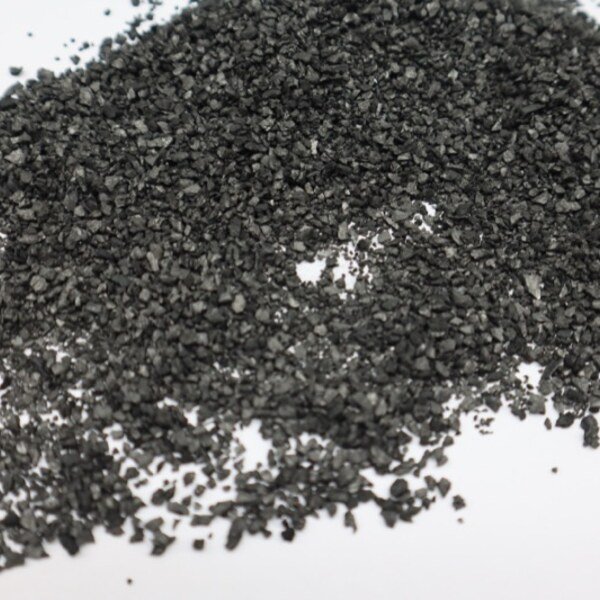
Coal Granular AC
Amine sweetening
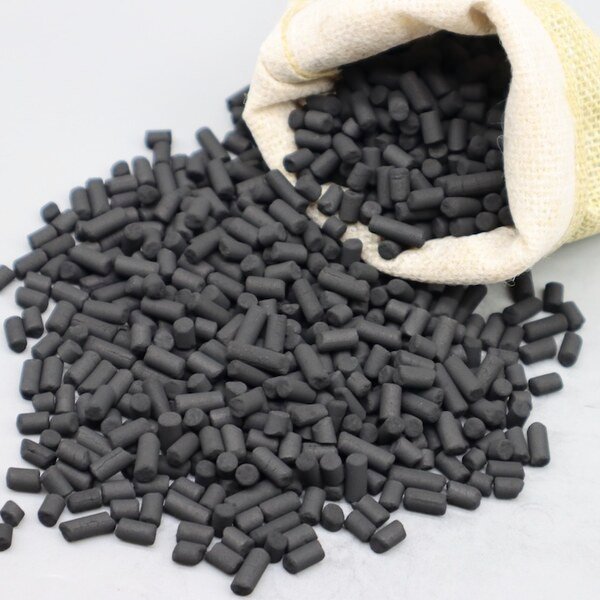
Pellet / Columnar AC
PSA H₂ / N₂ purification
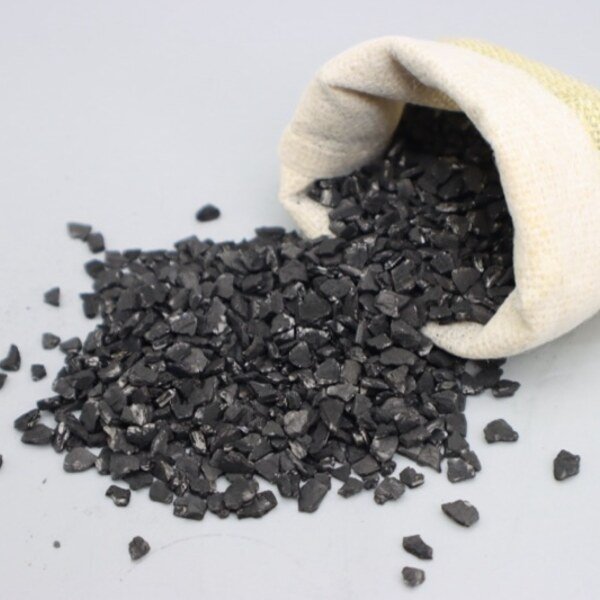
Coconut Shell GAC
Produced water polishing
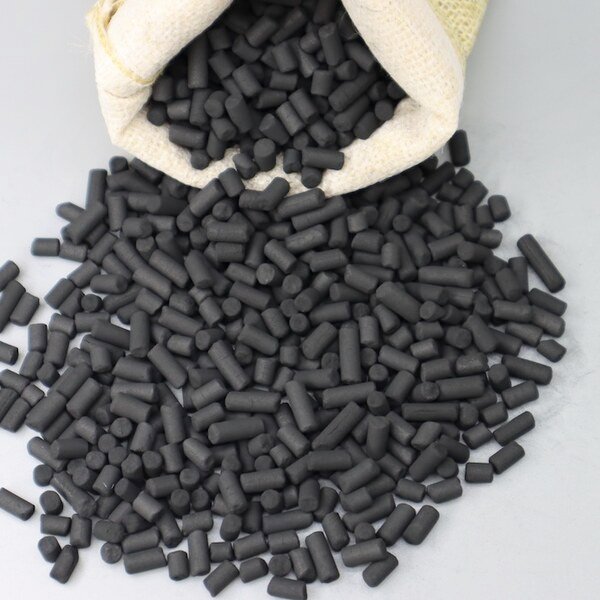
Impregnated AC
Mercury guard beds
Four Oil & Gas Carbon Duties
Each duty below has its own grade, its own key spec and its own bed design. Open any one for the full technical detail and the project we delivered against it.
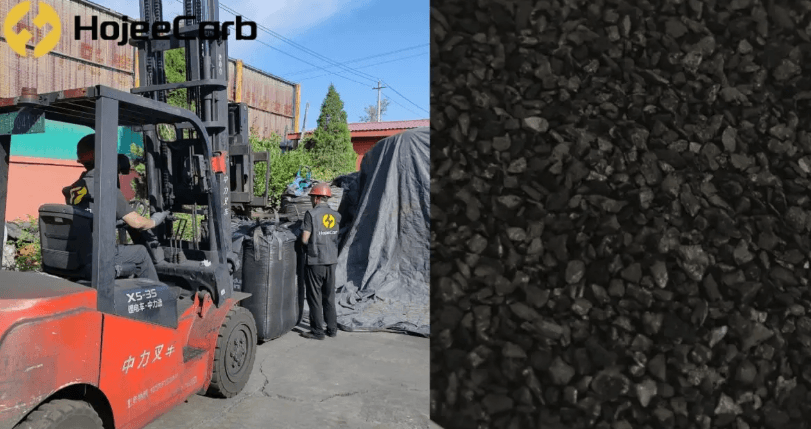
Amine Sweetening & Gas Treating
Coal-based granular carbon on the lean amine slipstream to strip heat-stable salt precursors and entrained hydrocarbons that drive foaming.
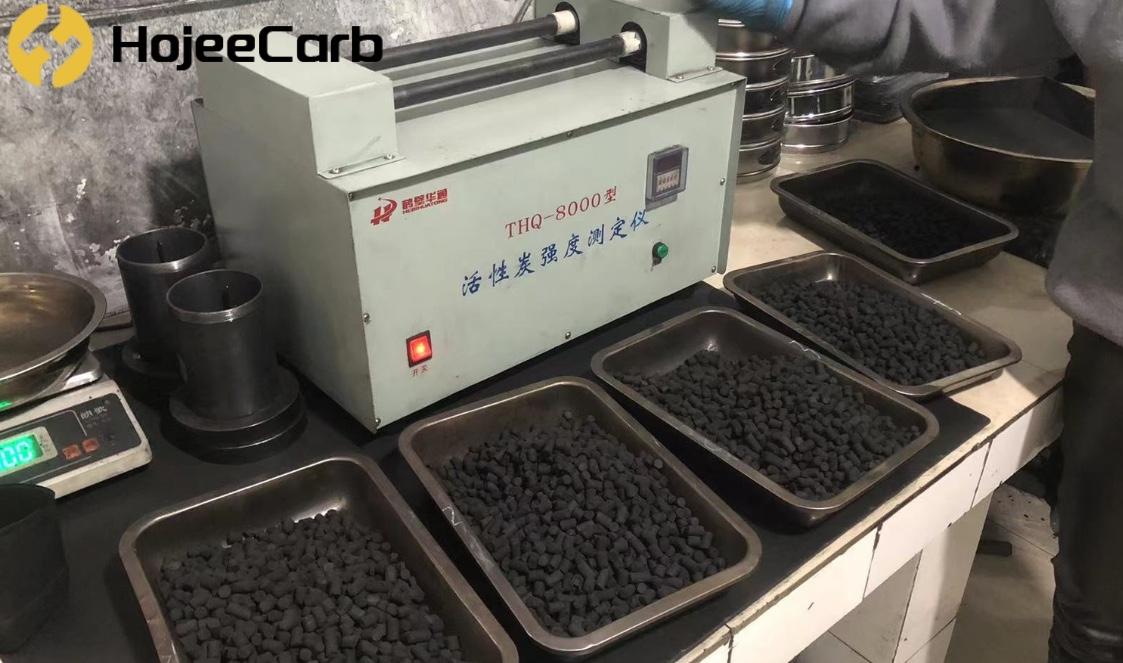
Mercury Removal from Natural Gas
Sulfur-impregnated carbon in guard beds upstream of cryogenic and aluminium equipment, where mercury chemisorbs rather than physically adsorbs.
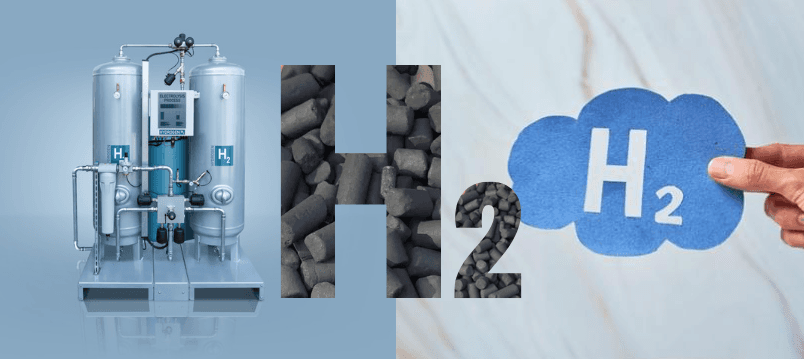
PSA Hydrogen & Nitrogen Purification
Coal-based columnar pellet as the CO2 and hydrocarbon layer in a PSA adsorbent stack, selected on CTC and mechanical strength for cyclic service.
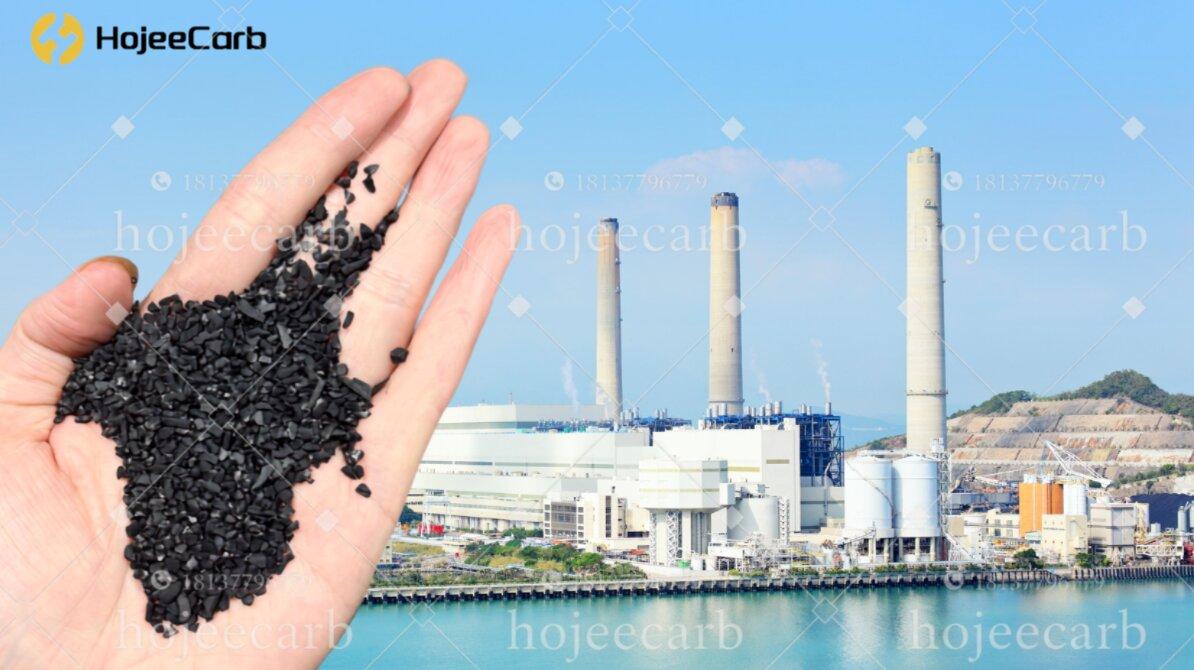
Produced Water & Condensate Polishing
Acid-washed coconut shell granular carbon as the final organics barrier on produced water and gas condensate, with low ash and neutral pH.
Where Carbon Is Used
What Goes Wrong in Oil & Gas Carbon Duty
These four problems account for most of the carbon-related failures we are asked to troubleshoot.
Amine Foaming
Heat-stable salt precursors, degradation products and entrained hydrocarbons build up in the circulating solvent and cause foaming, solvent loss and off-spec treated gas. A carbon slipstream sized to 10-20% of the lean amine circulation removes the surfactants rather than masking them with antifoam.
Mercury Breakthrough
Mercury attacks aluminium brazed heat exchangers in cryogenic NGL and LNG trains. Plain carbon has very little mercury capacity. Sulfur-impregnated carbon chemisorbs mercury instead, and bed life depends on inlet loading, temperature and the sulfur level actually present on the carbon.
Wrong Layer in a PSA Vessel
In a PSA stack the carbon layer sits behind the alumina or silica water layer. If the carbon is too soft it dusts under rapid cycling and raises pressure drop; if CTC is too low it breaks through on CO2 and heavy hydrocarbons. Pellet hardness and CTC matter more here than iodine number.
Ash Leaching into Product
Produced water, condensate and NGL polishing cannot tolerate carbon that gives back iron, silica or alkali metals. Acid-washed coconut shell carbon keeps ash low and pH neutral, which is why it is the standard choice on polishing duty rather than a general-purpose coal grade.
How It Works
Three mechanisms are at work across oil and gas duty. Physical adsorption captures hydrocarbons, dissolved organics and CO2 on the carbon's internal surface, and heavier molecules with higher boiling points hold tightest, which is why carbon works so well on condensate and amine cleanup. Chemisorption handles mercury: elemental mercury reacts with impregnated sulfur to form stable mercuric sulfide, giving far higher capacity than adsorption alone. Pressure swing then exploits the fact that adsorption loading rises with partial pressure, so a PSA vessel adsorbs CO2 and hydrocarbons at high pressure and releases them on blowdown, cycling for years without a thermal regeneration step.
Bed and Vessel Configuration
The same carbon fails or succeeds depending on how the bed is built.
Amine Slipstream Filter
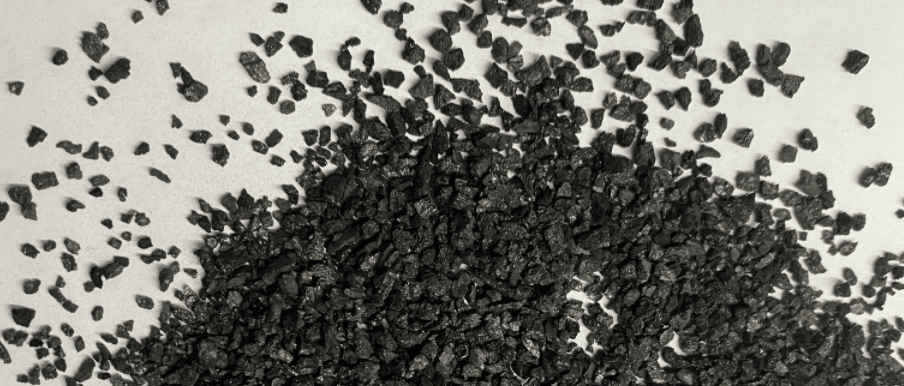
Carbon vessel on 10-20% of lean amine circulation, with a particulate filter upstream and a post-filter downstream to catch fines. Granular carbon, typically 8x30 mesh, is the workhorse because it balances surface contact against pressure drop across the vessel.
Mercury Guard Bed
Fixed bed of sulfur-impregnated carbon upstream of the cold box or cryogenic section. Sized on inlet mercury loading, flow and target outlet, usually with a lead-lag arrangement so one bed can be changed out without shutting the train down.
PSA Adsorbent Stack
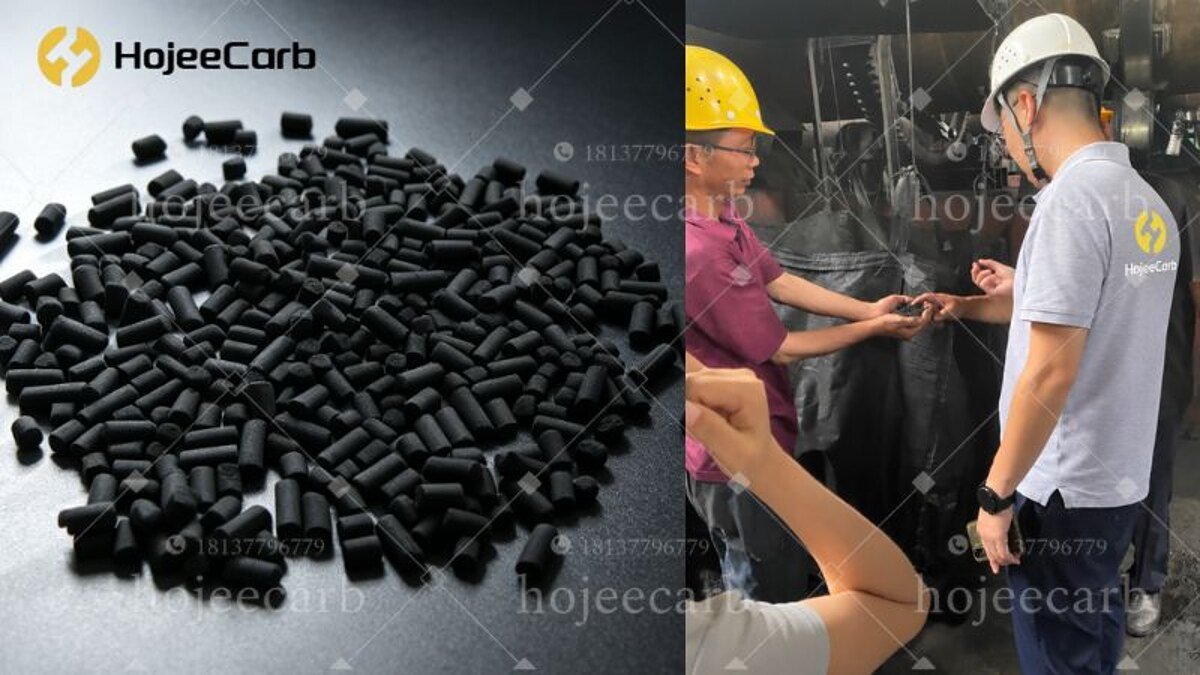
Layered vessel: water removal layer first, then activated carbon for CO2 and hydrocarbons, then molecular sieve for the final polish. Carbon form is extruded pellet for low pressure drop and mechanical stability under thousands of cycles.
Liquid Polishing Train
Downflow granular beds in series on produced water or condensate, preceded by oil-water separation and filtration. Carbon is the last barrier, not the first, so upstream solids and free oil must be removed or the bed fouls early.
Carbon Selection Guide
| Oil & Gas Duty | Recommended Carbon | Key Spec | Form |
|---|---|---|---|
| Amine solvent purification | Coal-based granular | Iodine 500-1000 mg/g, ash <12% | 8x30 mesh granular |
| Mercury removal, natural gas | Sulfur-impregnated carbon | Impregnation level to duty | Granular / pellet |
| PSA hydrogen / nitrogen | Coal-based columnar pellet | CTC 30-90%, strength >95% | 1.5-4 mm pellet |
| Produced water polishing | Acid-washed coconut granular | Iodine 1000-1200 mg/g, ash <3% | 8x30 / 12x40 mesh |
| Condensate / NGL treating | Acid-washed coconut granular | Strength >98%, neutral pH | 12x40 mesh |
Running an amine unit, a mercury guard bed or a PSA skid? Send the stream data and we will match the grade and size.
Get Technical QuoteTechnical Specifications
| Parameter | Coal Granular (Amine) | Coconut Granular (Polishing) | Coal Columnar (PSA) |
|---|---|---|---|
| Iodine Number | 500-1000 mg/g | 1000-1200 mg/g | - |
| CTC Value | - | - | 30-90% |
| Ash Content | <12% | <3% | <12% |
| Strength | >95% | >98% | >95% |
| Moisture | <3% | <5% | <3% |
| pH | 8-11 | 8-11 | 8-11 |
| Common Size | 8-16 / 8-30 / 12-40 mesh | 6-12 / 8-30 / 12-40 mesh | 1.5 / 2 / 3 / 4 mm |
The table above lists our standard product ranges. Impregnated, acid-washed and custom-sized grades are made to the duty — contact us for a specification matched to your stream.
Quality & Certifications
Delivered Projects
Real shipments against these duties, with the grade actually supplied.
🇦🇪 Middle East26 Tons26t Coal GAC for Amine Sweetening
Full container of 8x30 mesh coal GAC for the lean amine slipstream filter, sized to keep pressure drop low across the vessel while removing the foaming precursors from the circulating solvent.
Read full case →🇺🇿 Uzbekistan15 Tons15t Acid-Washed Coconut GAC for Condensate
Acid-washed coconut shell GAC for gas condensate polishing, chosen for low ash and neutral pH so the bed removes dissolved organics without leaching metals back into the product stream.
Read full case →Both projects shipped as full containers against a written specification, with COA issued per batch so the plant could match future reloads to the carbon the unit was originally commissioned on.
Frequently Asked Questions
What activated carbon is used in oil and gas processing?
Four grades cover most duty. Coal-based granular carbon for amine solvent purification, sulfur-impregnated carbon for mercury guard beds, coal-based columnar pellet for PSA hydrogen and nitrogen units, and acid-washed coconut shell granular carbon for produced water and condensate polishing.
Why does an amine unit need an activated carbon filter?
Circulating amine accumulates degradation products, heat-stable salt precursors and entrained hydrocarbons that act as surfactants and cause foaming. A carbon slipstream on 10-20% of lean amine circulation adsorbs those surfactants, which reduces foaming, solvent loss and off-spec treated gas.
Can plain activated carbon remove mercury from natural gas?
Not effectively. Elemental mercury adsorbs weakly on untreated carbon. Sulfur-impregnated carbon chemisorbs mercury into stable mercuric sulfide, which gives a far higher working capacity and is what we supply for guard beds upstream of cryogenic and aluminium equipment.
Which carbon spec matters most for a PSA unit?
CTC value and mechanical strength, not iodine number. A PSA vessel cycles thousands of times, so the pellet has to resist attrition while holding CO2 and heavy hydrocarbons. Our coal-based columnar grades run CTC 30-90% with strength above 95%.
Why acid-washed carbon for produced water and condensate?
Standard carbon can leach iron, silica and alkali metals back into the stream. Acid-washed coconut shell carbon keeps ash below 3% with a neutral pH, so it polishes dissolved organics without adding contamination to the product or to downstream equipment.
What is the MOQ and lead time?
Minimum order is 1 ton, with full-container pricing for bulk. Standard grades ship in 7-15 days; acid-washed and impregnated grades 15-25 days. Free samples are available for evaluation before you commit to a load.
Send Us the Duty, Not Just the Tonnage
Give us the stream, the flow and the target and our technical team will come back with the grade, the size and the bed sizing logic behind it.
Get Technical QuoteOil & Gas Carbon — Further Reading
Refinery Guide
Activated Carbon for Oil Refineries
Where carbon sits in a refinery: amine units, wastewater, effluent polishing and tail gas.
Emissions
Activated Carbon for Flue Gas Treatment
Powdered and granular carbon for mercury, dioxin and acid gas control in combustion exhaust.
Sourcing
Biogas Purification Carbon: Sourcing Guide
H2S and siloxane removal grades, how to specify them and what to check before you buy.
Gas Phase
Air & Gas Treatment Carbon: Sourcing Guide
How gas-phase carbon is specified: CTC, hardness, pellet size and bed residence time.
Specialty
Impregnated Activated Carbon: Types & Selection
Sulfur, KOH, KI and other impregnations, and which target contaminant each one is for.
Deep Dive
Amine Purification Application Page
MEA, DEA, MDEA and DGA solvent cleanup: bed design, foaming control and carbon selection.
Related Application
Biogas Purification
Biogas, landfill gas and digester gas share the same H2S and siloxane problem as sour natural gas, but sit under air purification. KOH-impregnated and columnar carbon grades, with real shipment cases to Norway and the UAE.