
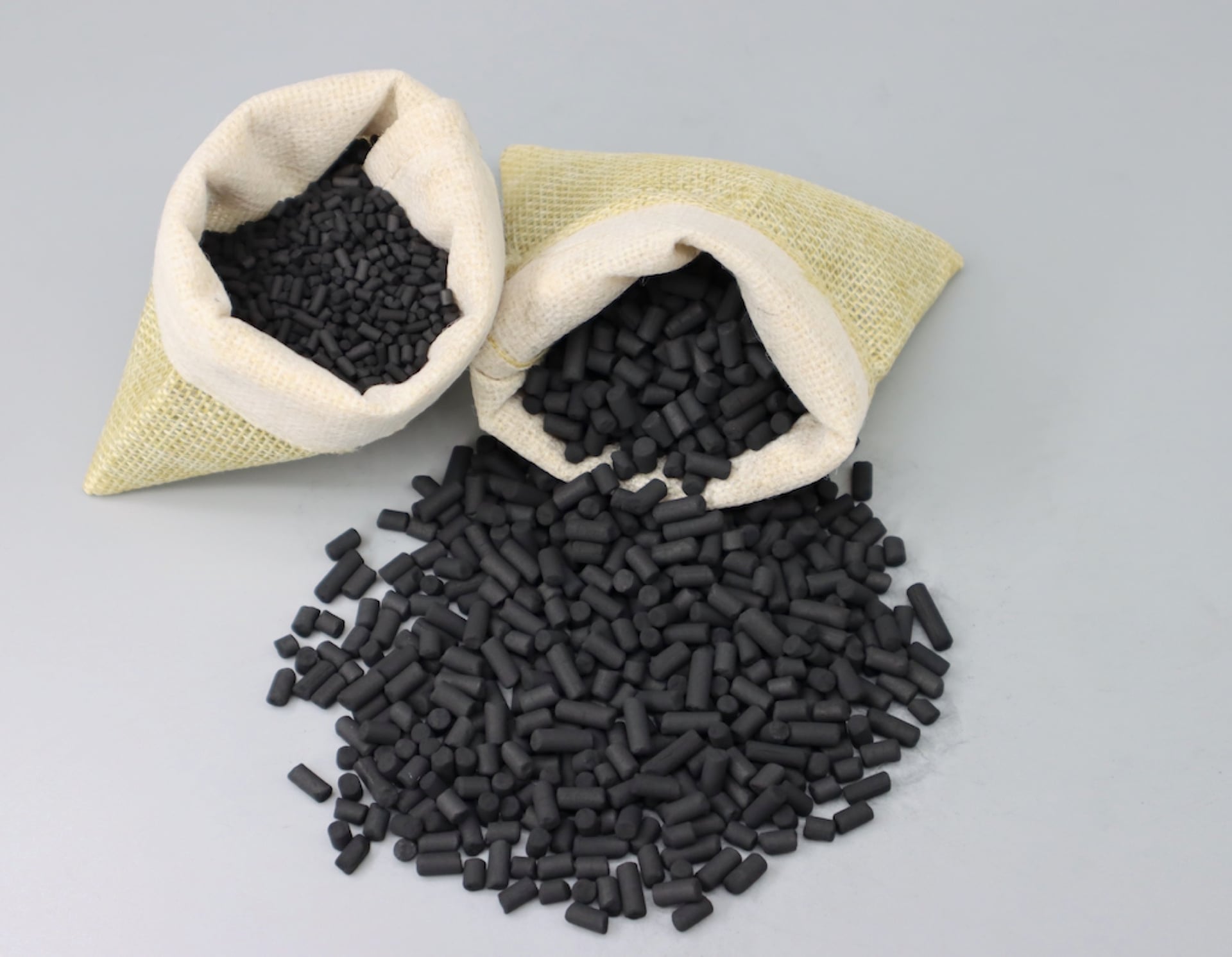
Pellet
Activated Carbon
Extruded cylindrical carbon for gas-phase and fixed-bed applications.
Product Overview
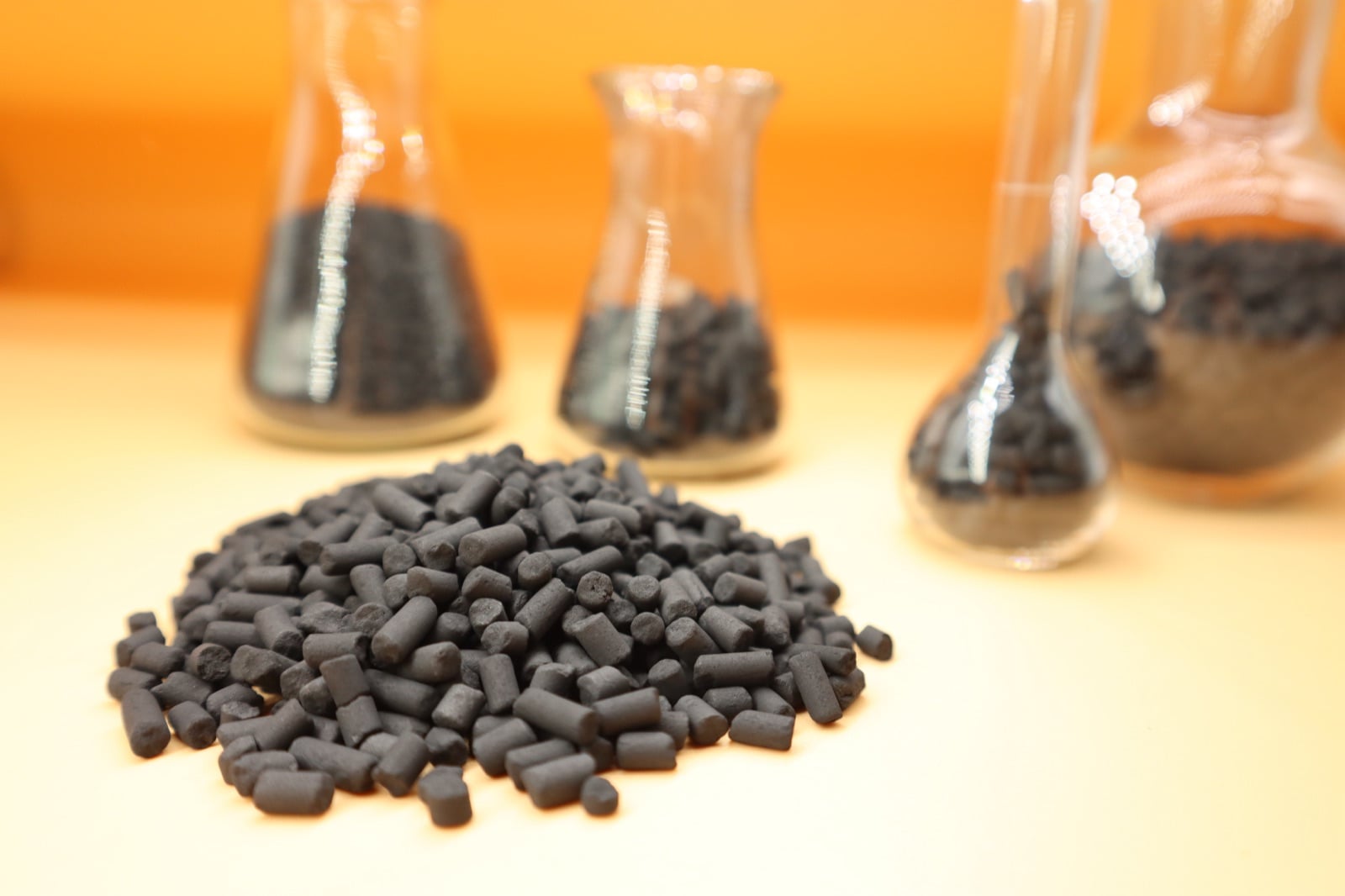
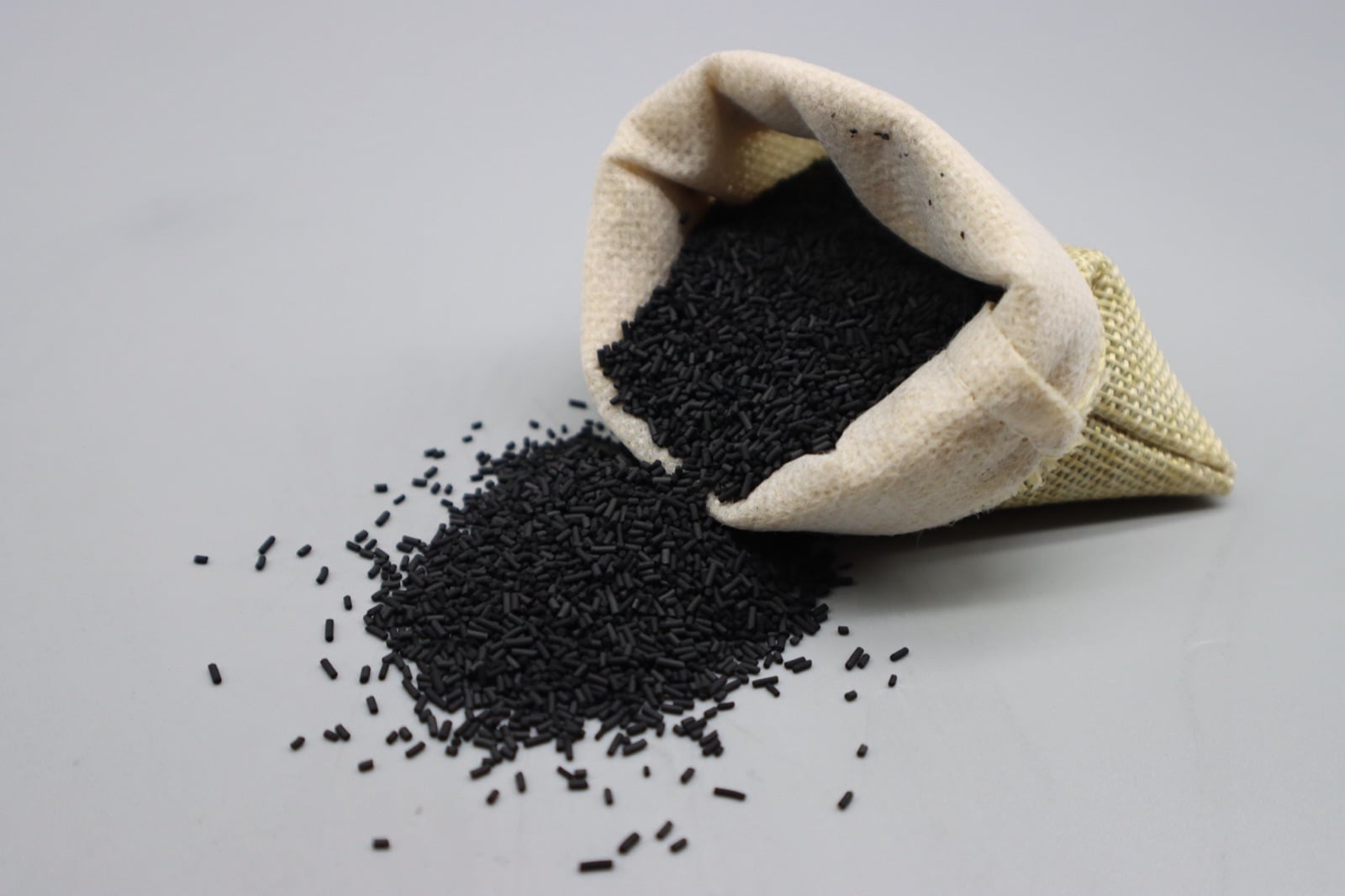
Our pellet (columnar) activated carbon is manufactured through an extrusion process that creates uniform cylindrical pellets with consistent diameter and length. This form factor provides low pressure drop across packed beds and excellent mechanical strength, making it ideal for gas-phase adsorption applications.
Available in both coal-based and coconut shell-based varieties, pellet carbon can be produced with various diameters (1.5mm to 4.0mm) and can be impregnated with chemicals such as KOH, KI, or H₃PO₄ for specialized applications like H₂S removal or mercury capture.
KOH-Impregnated 4mm Pellet — Biogas Desulfurization
Industry-standard 4mm coal pellet with KOH impregnation for H₂S removal from biogas, sewage, and sour gas. High CTC, low pressure drop.
View impregnation options →Key Applications
- VOC removal
- H₂S & odor control
- Amine solution purification (gas sweetening)
- Solvent recovery
- Gas mask/respirator filters
- Biogas purification
- Mercury removal from flue gas
- Catalyst support
- Air separation
Available by Raw Material
Coal Pellet AC
Most popular for gas treatment. High CTC, excellent H₂S removal and amine solution purification. Available in 0.9–8mm diameters.
CTC: 20–80% | Iodine: 400–1000
View details →Coconut Shell Pellet AC
Premium low-ash pellets for air purification, cigarette filters, medical-grade gas treatment.
CTC: 40–80% | Ash: <5%
View details →Wood Pellet AC
High mesopore volume for VOC and solvent vapor adsorption. Sustainable wood-based material.
CTC: 40–70% | Eco-Grade
View details →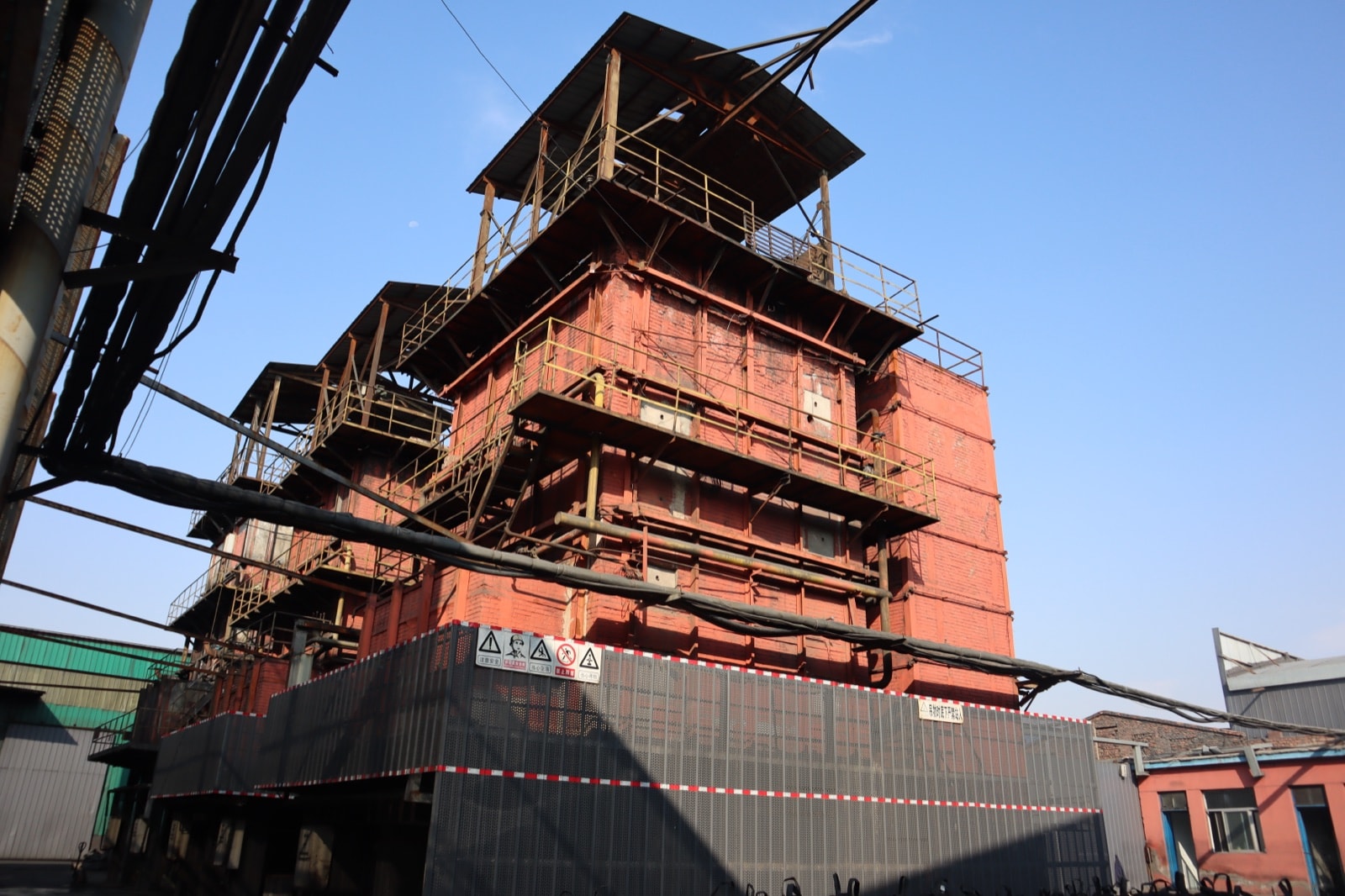
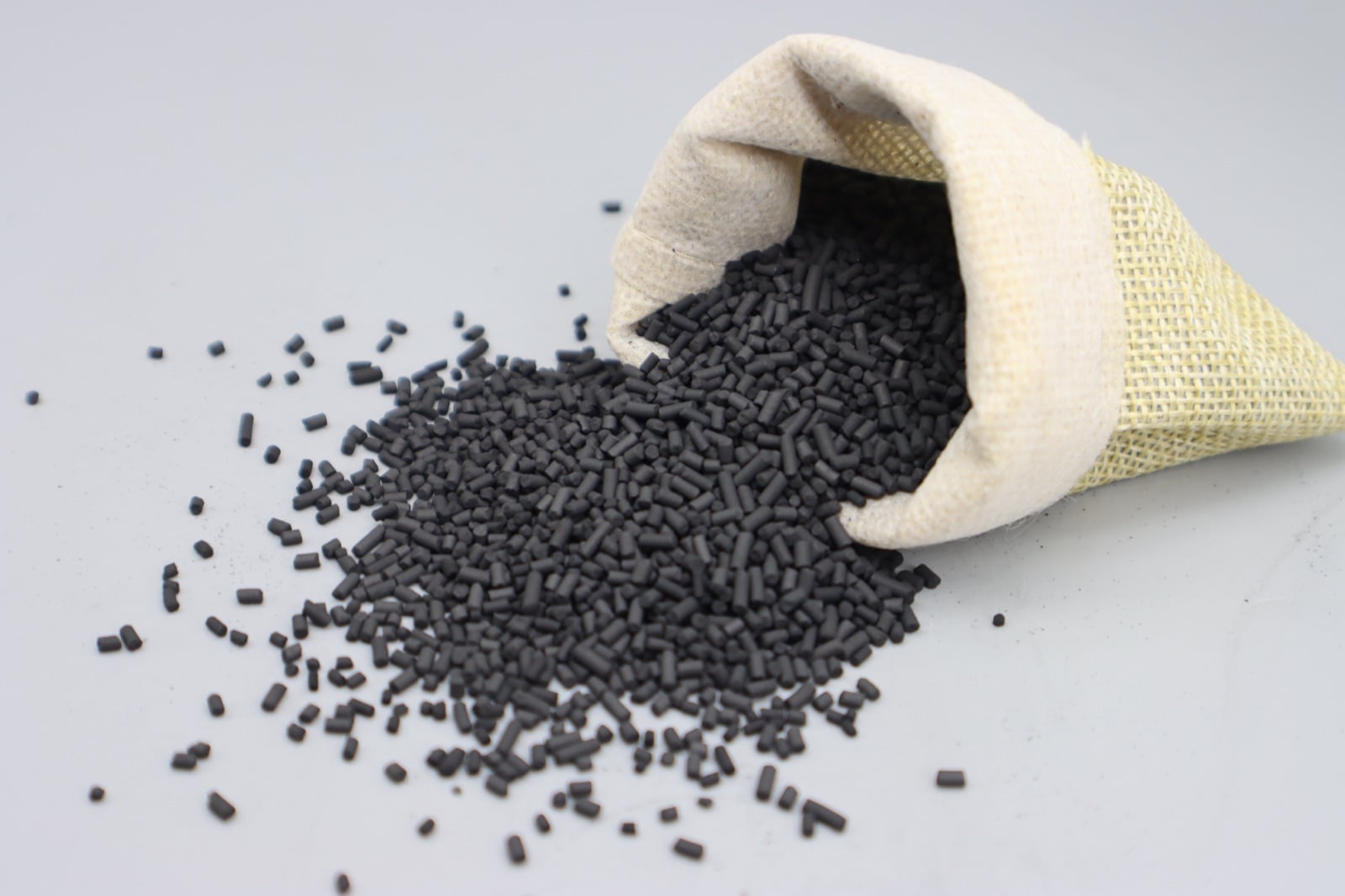
Available Diameters
Technical Specifications
| CTC Adsorption | 30 – 100% |
| Iodine Number | 600 – 1100 mg/g |
| Diameter | 1.5 / 3.0 / 4.0 mm |
| Hardness | > 95% |
| Ash Content | < 12% |
| Moisture | < 3% |
| Bulk Density | 0.35 – 0.55 g/cm³ |
| Length | 1 – 10 mm |
| Pressure Drop | Low (uniform packing) |
Response within 24 hours
Pellet by Material
Other Forms
How to Choose the Right Diameter
Pellet diameter determines pressure drop, contact time, and application fit. Smaller pellets offer more surface area per volume; larger pellets allow higher airflow with lower resistance.
| Application | Recommended Diameter | Key Metric | Product |
|---|---|---|---|
| Biogas H₂S removal | 4.0 mm (KOH impregnated) | CTC 50–70% | Coal Pellet → |
| VOC & solvent recovery | 3.0–4.0 mm | CTC 60–80% | Coal Pellet → |
| Amine solution purification | 4.0 mm | CTC 50–70% | low ash | Coal Pellet → |
| Air purification & gas masks | 1.5–3.0 mm | Iodine ≥900 mg/g | Coconut Pellet → |
| Cigarette filters | 0.9–1.5 mm | CTC 40–60% | Coconut Pellet → |
| Mercury capture (flue gas) | 4.0 mm (sulfur impregnated) | Iodine ≥800 mg/g | Impregnated AC → |
| Large-scale industrial exhaust | 5.0–8.0 mm | Low ΔP, CTC 30–50% | Coal Pellet → |
Pellet vs Granular vs Powdered
Each form factor excels in different process environments. Pellet carbon is purpose-built for gas-phase fixed beds where uniform flow and low pressure drop are critical.
| Property | Pellet (Columnar) | Granular (GAC) | Powdered (PAC) |
|---|---|---|---|
| Form | Uniform cylinders (extruded) | Irregular crushed particles | Fine powder (<200 mesh) |
| Pressure drop | Low (uniform packing) | Moderate | N/A (not for fixed beds) |
| Hardness | >95% (high) | >95% | N/A |
| Typical use | VOC, H₂S, solvent recovery | Water treatment, gold recovery | Decolorization, wastewater |
| Regeneration | Thermal (easy, retains shape) | Thermal | Difficult (usually disposable) |
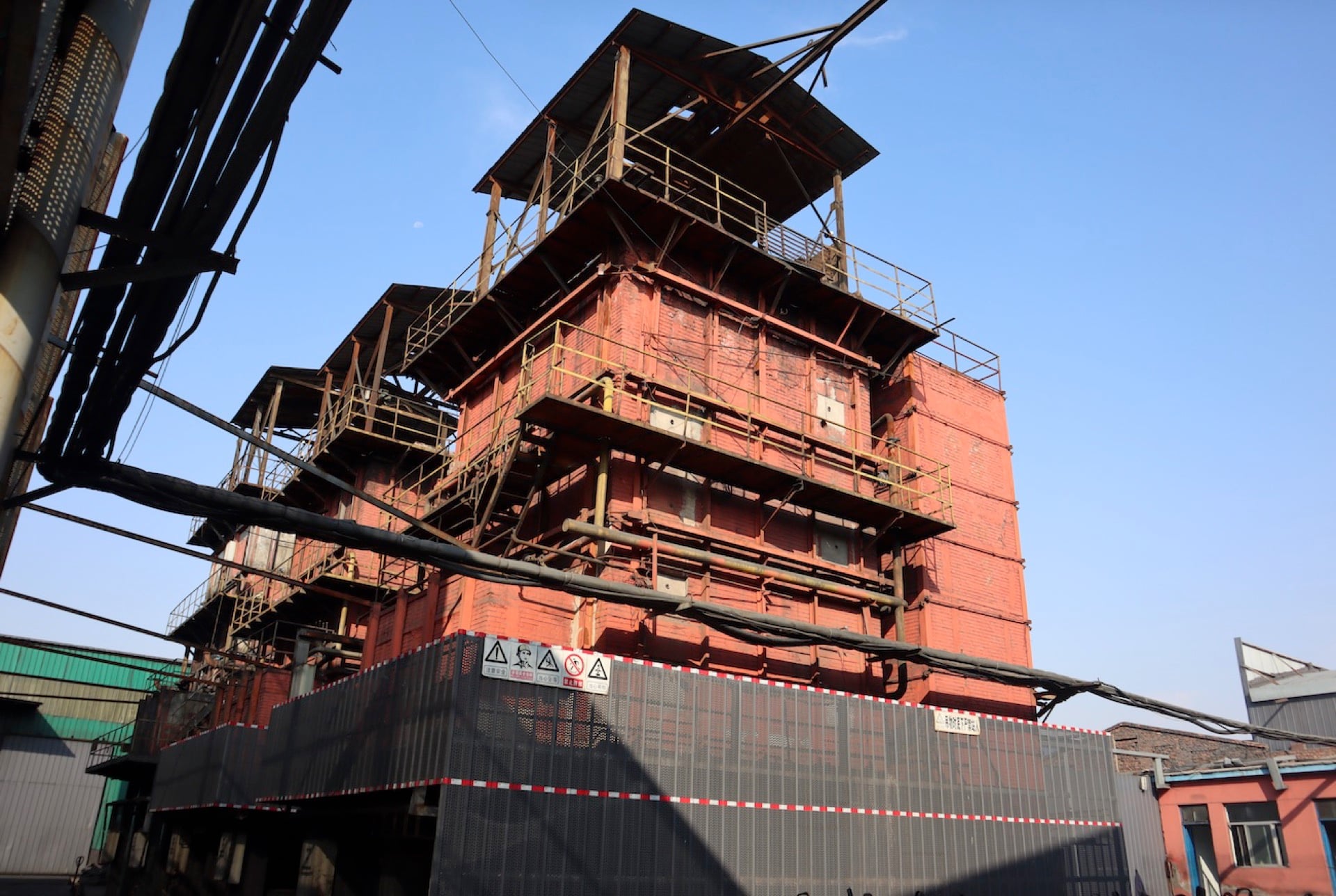
Manufacturing Process
Our pellet activated carbon is produced through a precision extrusion-activation process that delivers exceptional uniformity and consistent performance.
Crushing & Mixing
Raw coal or coconut shell char is crushed, milled to fine powder, then blended with coal-tar binder and proprietary additives to form a paste.
Extrusion & Cutting
The paste is forced through precision extrusion dies (0.9–8.0mm) to form continuous rods, then cut to length and dried.
Carbonization & Activation
Green pellets enter rotary kilns for carbonization (500–700 °C) followed by steam activation (850–950 °C) to develop the pore network.
Treatment & QC
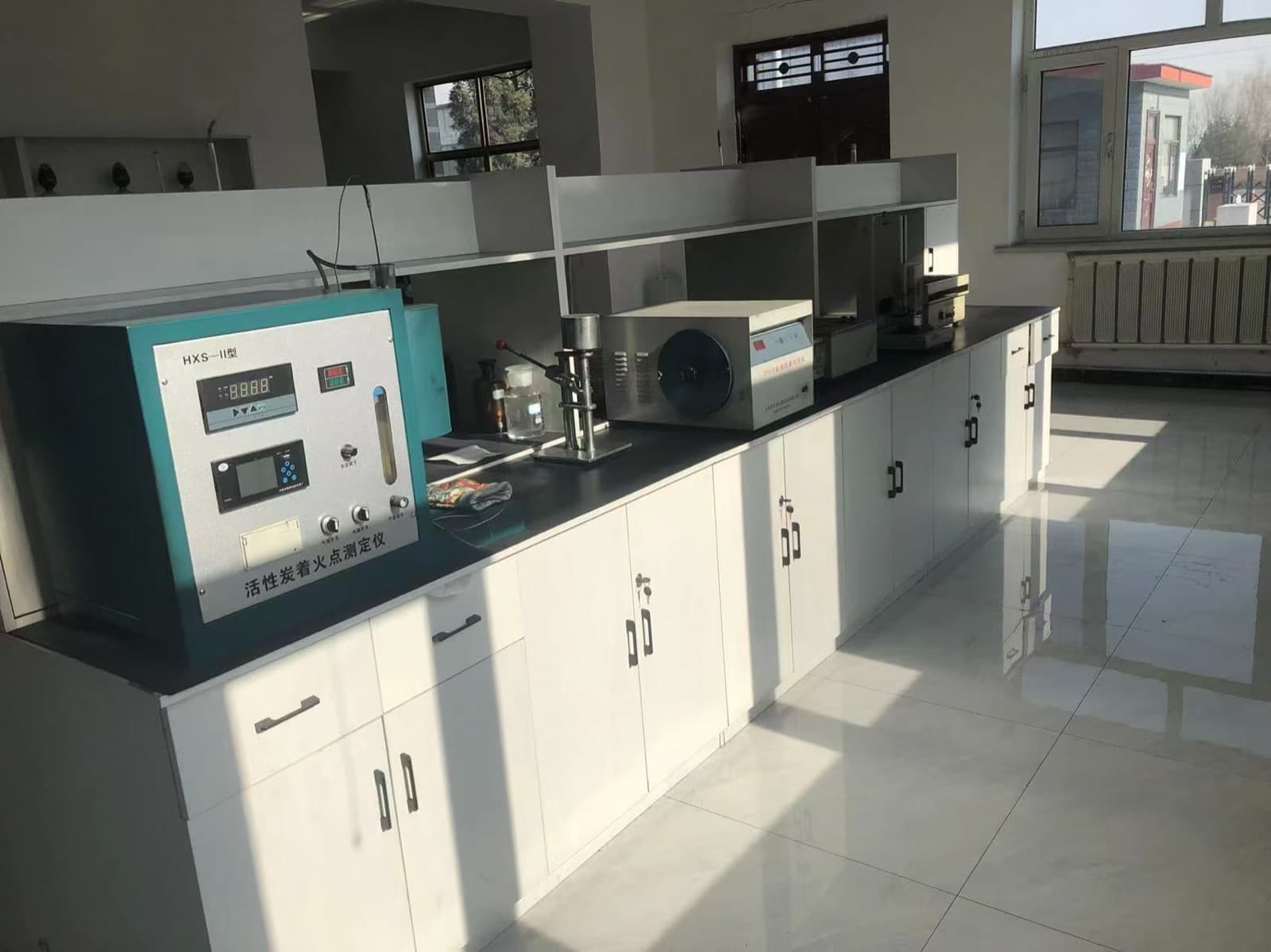
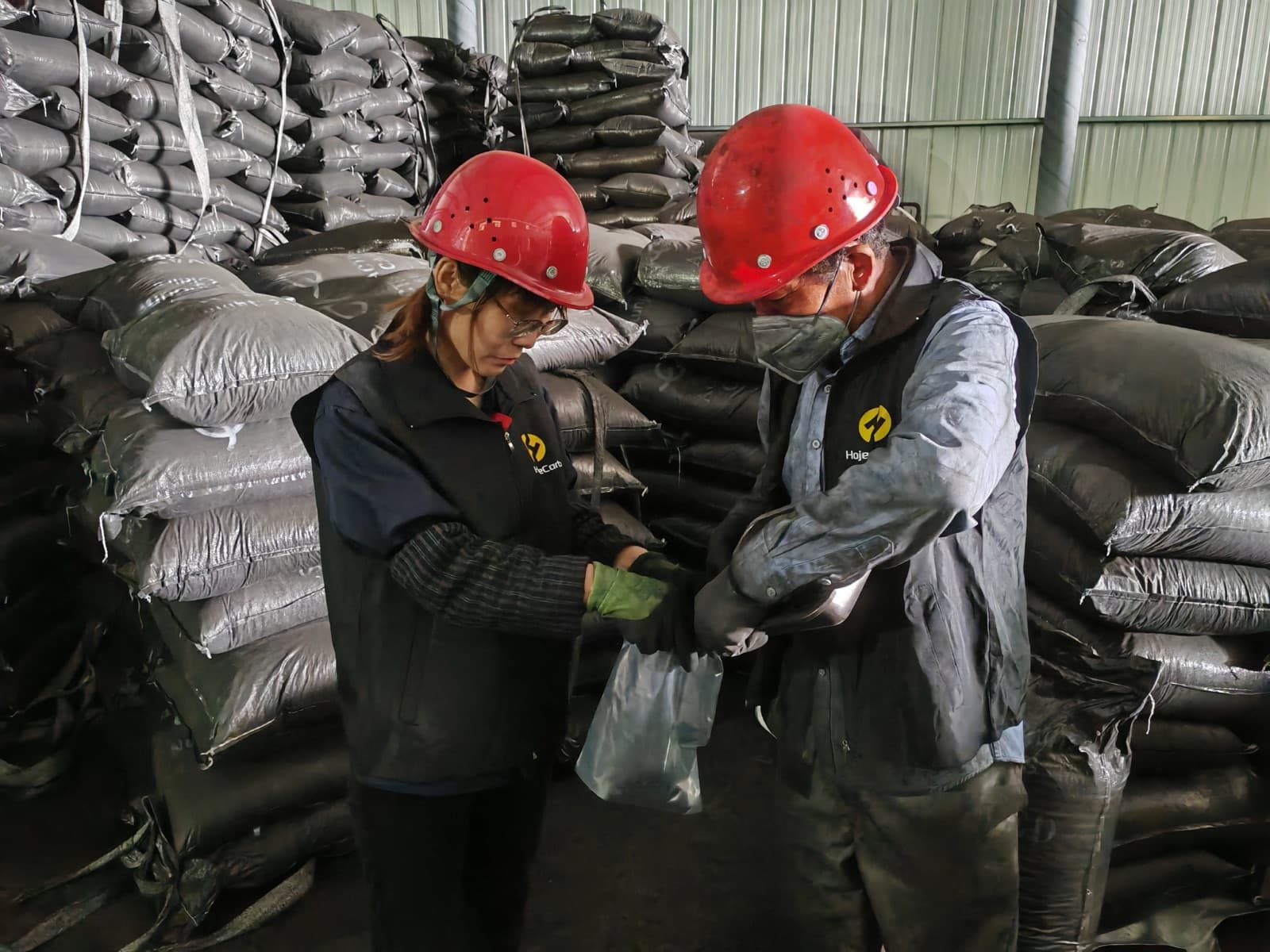
Chemical impregnation (KOH, KI, sulfur, H₃PO₄) as needed, then every batch undergoes CTC, iodine, hardness, and density testing before COA is issued.
Why Choose Hojee
Factory Direct
No middlemen. Direct from our 3 production bases. Best prices guaranteed.
Quality Tested
Every batch tested with full COA. ISO 9001 certified. SGS/BV third-party testing.
Custom Specs
Custom particle size, iodine value, packaging, and branding. MOQ 3 tons.
Fast Delivery
7-10 days standard. Expert logistics team handles all export documentation.
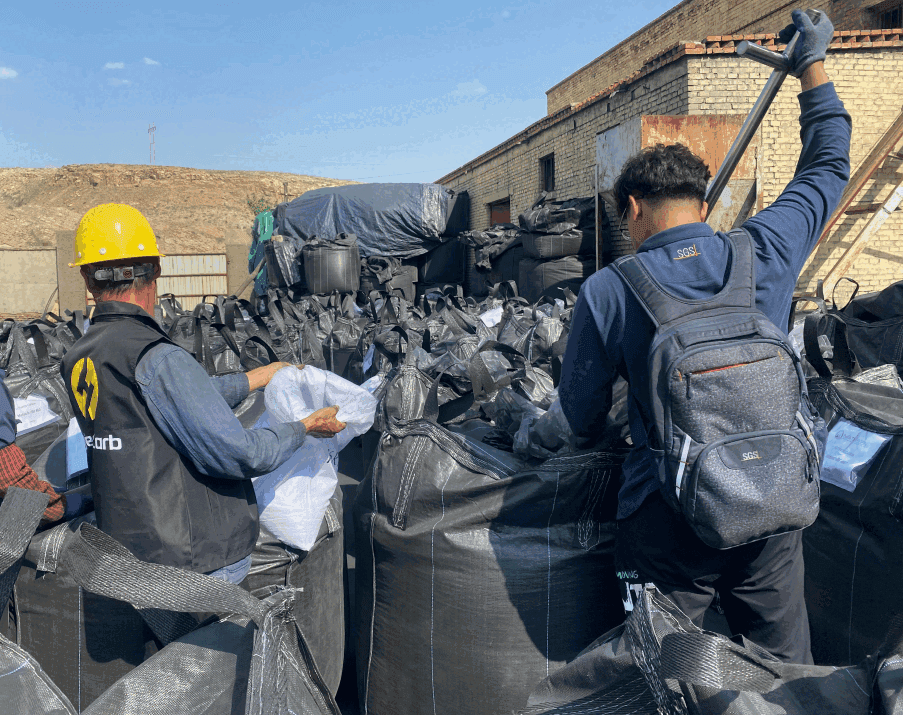
Application Scenarios
Pellet activated carbon is the go-to form factor for gas-phase fixed-bed systems across diverse industries.
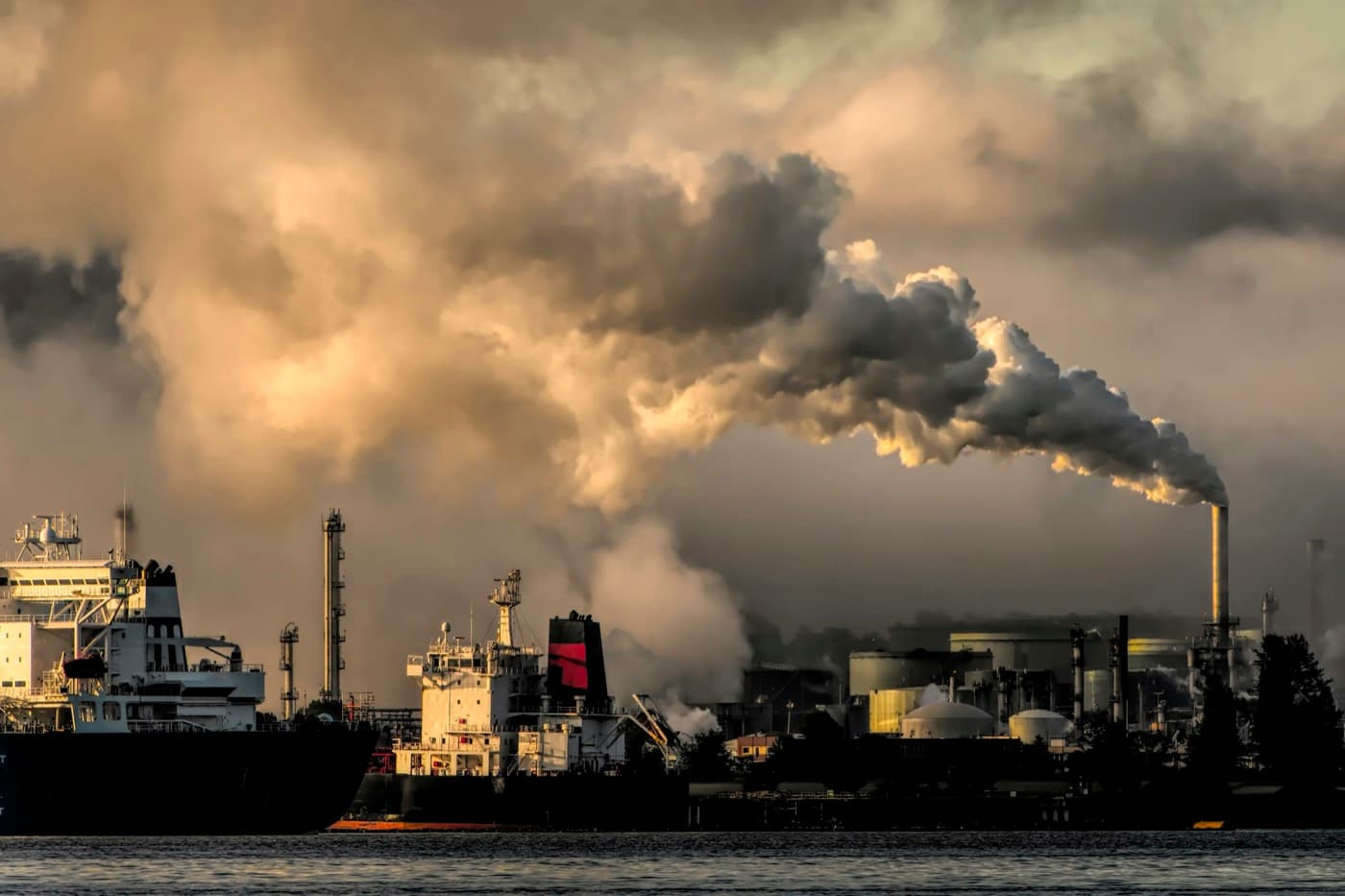
VOC & Solvent Recovery
3–4mm pellets in fixed-bed adsorbers for industrial exhaust treatment and solvent reclamation.
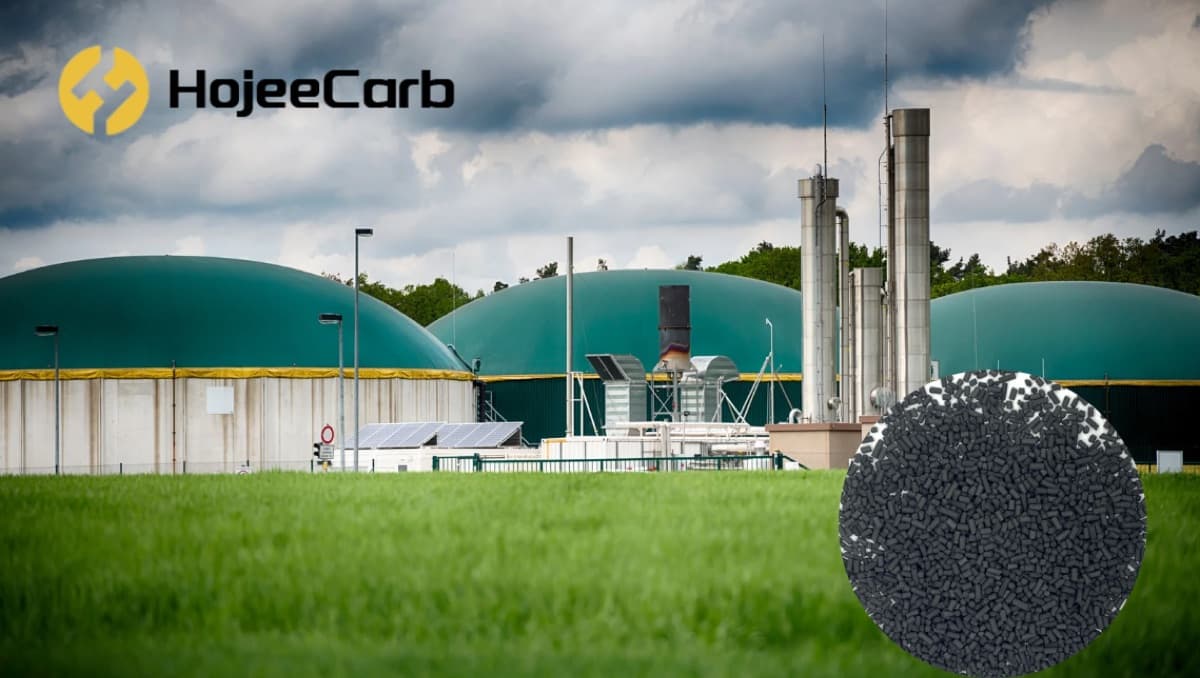
Biogas H₂S Removal
4mm KOH-impregnated pellets — industry standard for biogas and sewage gas desulfurization.

Air Purification & Gas Masks
1.5–3mm high-iodine coconut pellets for personal protection and HVAC filtration systems.
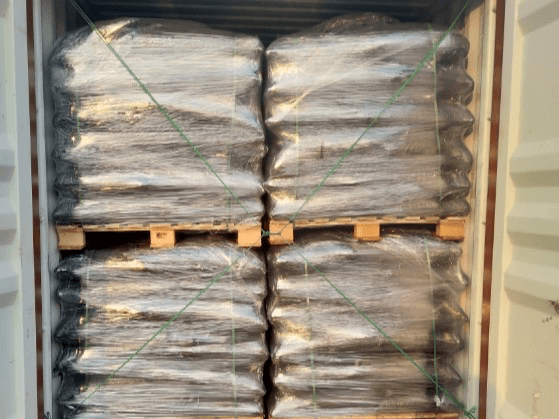
Packaging Options
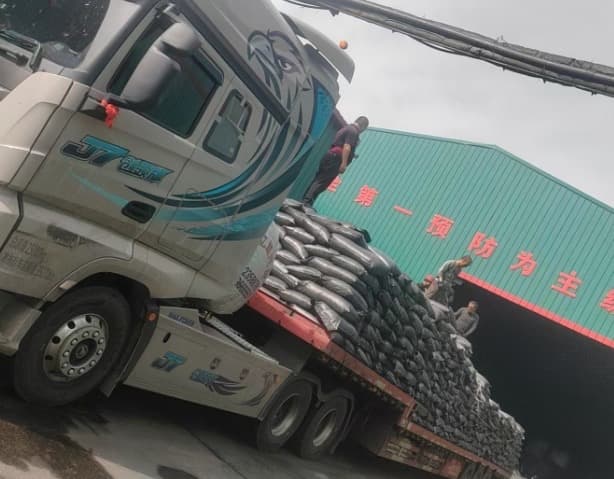
PP woven bags
Standard export, palletized
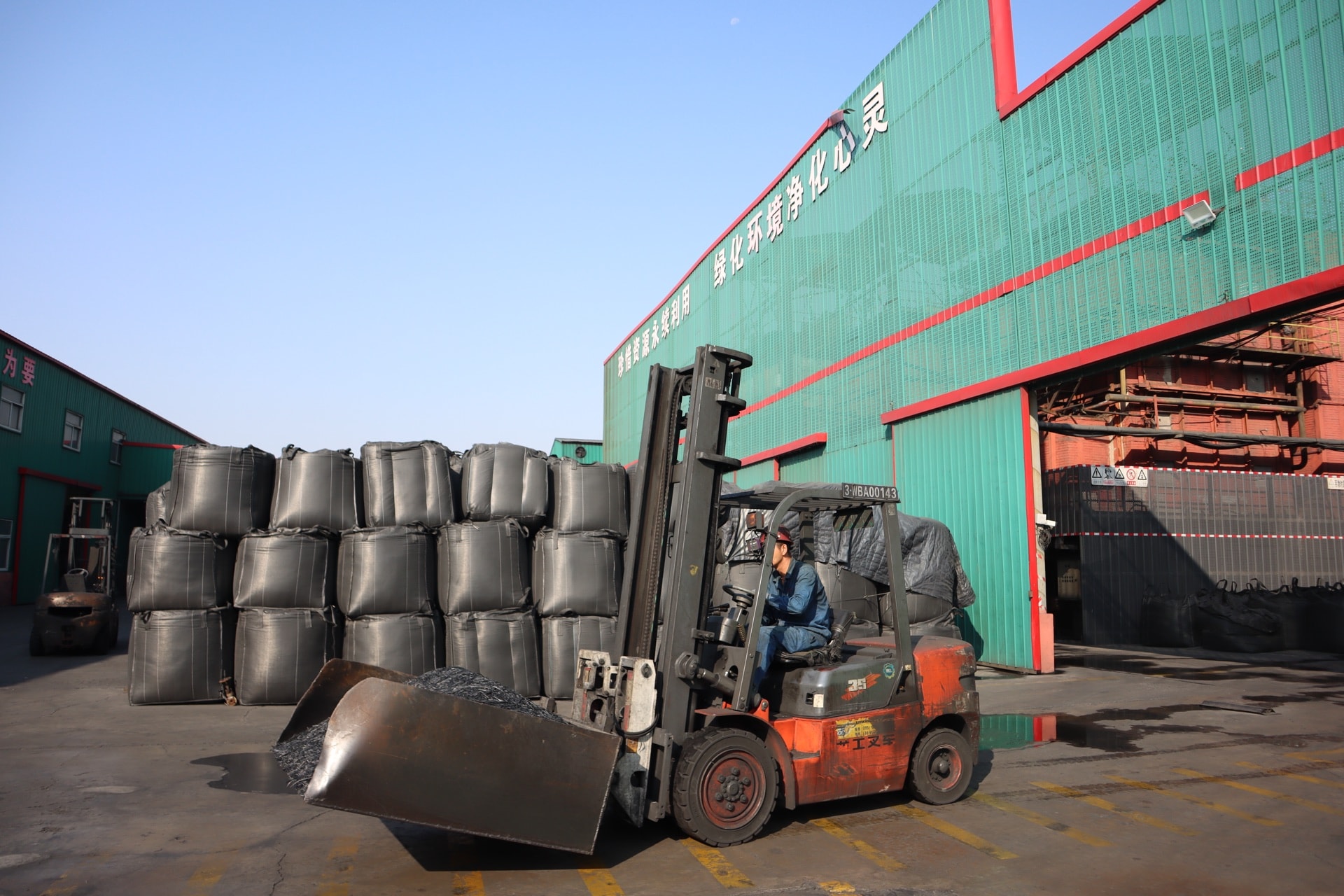
Jumbo bags
Bulk with pallet, forklift ready
Super sacks
Large-scale industrial
OEM packaging
Your brand, free design
Frequently Asked Questions
What is pellet activated carbon?
What diameter should I choose?
What is CTC?
Can pellet carbon be impregnated?
Is pellet carbon used for amine solution purification?
Pellet vs granular?
Need Impregnated Carbon?
We offer KOH, KI, H₃PO₄ and custom impregnation for specialized gas-phase applications.
Get Custom Quote