
Chemical Industry
High-performance carbon solutions for chemical processing and purification.
The chemical industry uses activated carbon for purification, decolorization, catalyst support, and solvent recovery. Our industrial-grade carbon withstands harsh chemical environments while delivering consistent adsorption performance across a wide range of processes — from pharmaceutical API cleanup to petrochemical intermediate polishing.
Applications
 Powdered AC
 Pellet AC
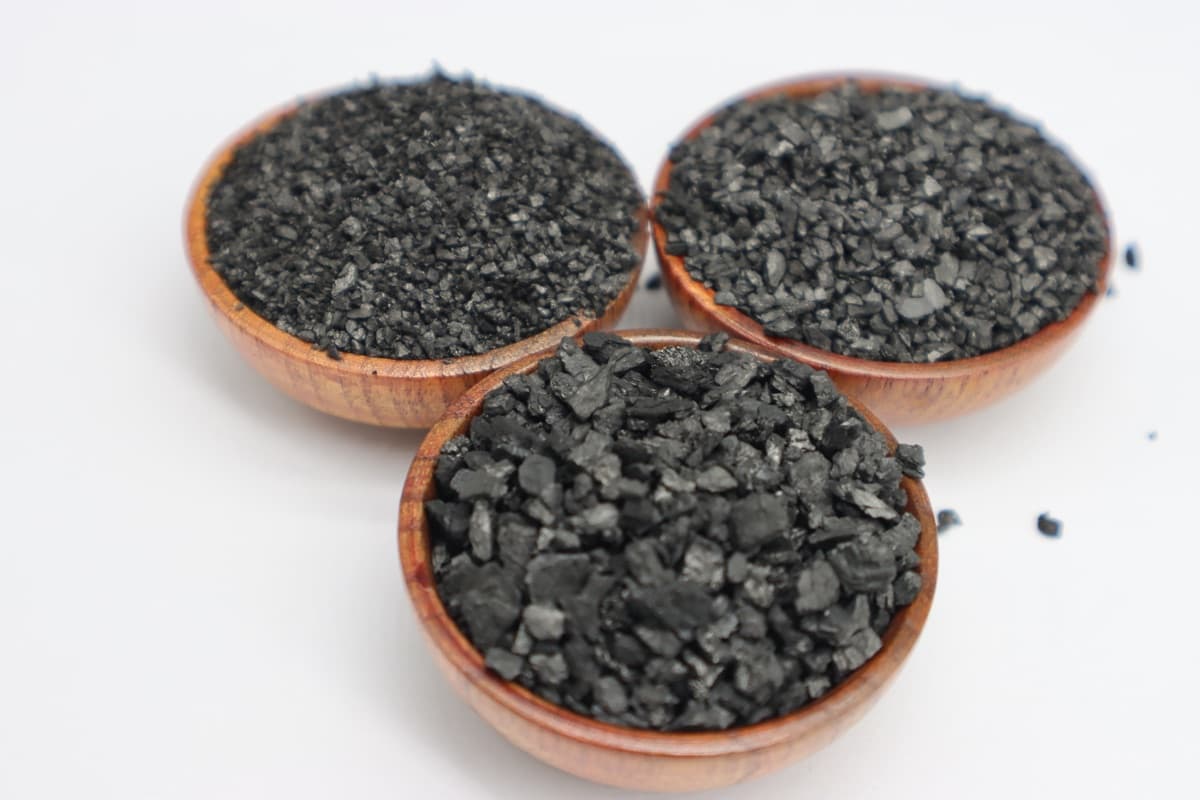 Granular AC
Chemical Industry Challenges
Chemical processes put unique demands on carbon that water/air applications don't.
Ash & Impurity Contamination
High-purity products need ultra-low-ash carbon. Standard grades add iron, silica, or alkali metals to your process. Acid-washed carbon (≤3% ash) prevents contamination.
Catalyst Poisoning
When carbon carries a precious-metal catalyst (Pd, Pt, Ru), trace sulfur or chloride poisons the metal. Feedstock purity and carbon pre-treatment are critical.
Chemical Resistance
Carbon is inert to most acids, alkalis, and solvents — but strong oxidizers (conc. HNO₃, excess H₂O₂) degrade the structure. Grade selection must account for the process fluid.
Batch-to-Batch Consistency
Chemical reactors are tuned to a specific carbon. Any shift in pore structure, pH, or impurity profile can throw off yields. COA-matched lots are non-negotiable.
How It Works
In chemical purification, carbon adsorbs unwanted color bodies, impurities, and by-products from process liquids by physical adsorption. As a catalyst carrier, its high surface area and pore network anchor precious metals and present them to reactants for heterogeneous catalysis — hydrogenation, oxidation, dehalogenation. In solvent recovery, gas-phase adsorption captures solvent vapors from exhaust, then steam or hot inert gas desorbs them for condensation and reuse.
Specialized Chemical Industry Solutions
Dedicated deep-dive pages for specific process duties.
Process Configurations
Different chemical applications need different modes of carbon contact.
Batch PAC Dosing
Powdered carbon added to a reactor or tank, stirred, then filtered off. Simple, flexible, used for decolorization and impurity removal. Dose 0.1–2% w/w.
Fixed-Bed GAC
Granular carbon in a packed column for continuous purification of liquid streams. Glycol, amine, and process-water polishing. Bed life 6–24 months.
Catalyst Carrier
Metal-impregnated carbon pellets in a trickle-bed or stirred-tank reactor. Carbon chosen for surface chemistry, pore size match to reactant, and low ash.
Solvent Recovery Beds
Pellet carbon adsorbers on exhaust ductwork. Two beds alternate: one adsorbs while the other desorbs with steam. Recovers 90–98% of solvent.
Carbon Selection Guide
| Chemical Duty | Recommended Carbon | Key Spec | Form |
|---|---|---|---|
| Decolorization (liquid) | Wood-based PAC, acid-washed | MB value ≥180 mg/g | Powder |
| Catalyst support (Pd/Pt) | Coconut shell, low-ash | Ash ≤3%, surface area 1100+ | Granular/pellet |
| Solvent recovery (gas) | Coal-based pellet 4 mm | CTC ≥60% | Pellet |
| Glycol/amine purification | Coal-based GAC 4×8 | Iodine ≥900 mg/g | Granular |
| VCM production | Coconut/coal pellet | Custom spec | Pellet |
Need acid-washed, low-ash, or custom catalyst-grade? Send your process specs and we'll match the right carbon.
Get Technical QuoteTechnical Specifications
| Parameter | Acid-Washed (Low-Ash) | Standard Process Grade |
|---|---|---|
| Ash Content | ≤3% | ≤10% |
| Iodine Number | ≥1000 mg/g | ≥900 mg/g |
| CTC Value | ≥60% | ≥50% |
| Hardness | ≥98% | ≥95% |
| pH | 6–8 (neutral) | 8–11 |
Standard grades shown. Acid-washed low-ash and catalyst-carrier grades can be tailored to your process purity requirements — contact us for a custom specification.
Quality & Certifications
Recommended Products
These are the grades we recommend most often for this application. Several other carbon types can also perform well — the best choice depends on your specific process stream, target impurities, and operating conditions. Contact us for a tailored recommendation based on your process.
Coal Based GAC
Chemical purification, catalyst support
Pellet Activated Carbon
Gas-phase chemical processes, VCM production
Powdered AC
Batch chemical purification
Field Performance
Typical results from chemical industry carbon applications.
Case: Pharma API decolorization
A pharmaceutical manufacturer switched to acid-washed coconut PAC for API decolorization — cut iron contamination from 15 ppm to <1 ppm and passed color spec on first attempt, reducing reprocessing by 80%.
Recent Chemical Industry Projects
Real bulk shipments of activated carbon for solvent recovery and VOC control in chemical processing — verified specs, delivered worldwide.
 🇮🇩 Indonesia48 Tons
48t Coconut Columnar Carbon for Adhesive Tape Solvent Recovery
Supplied CTC 70 coconut shell columnar carbon for toluene and ethyl acetate recovery on an adhesive tape coating line — steam-regenerated bed, sized for low pressure drop and long cycle life.
Read full case →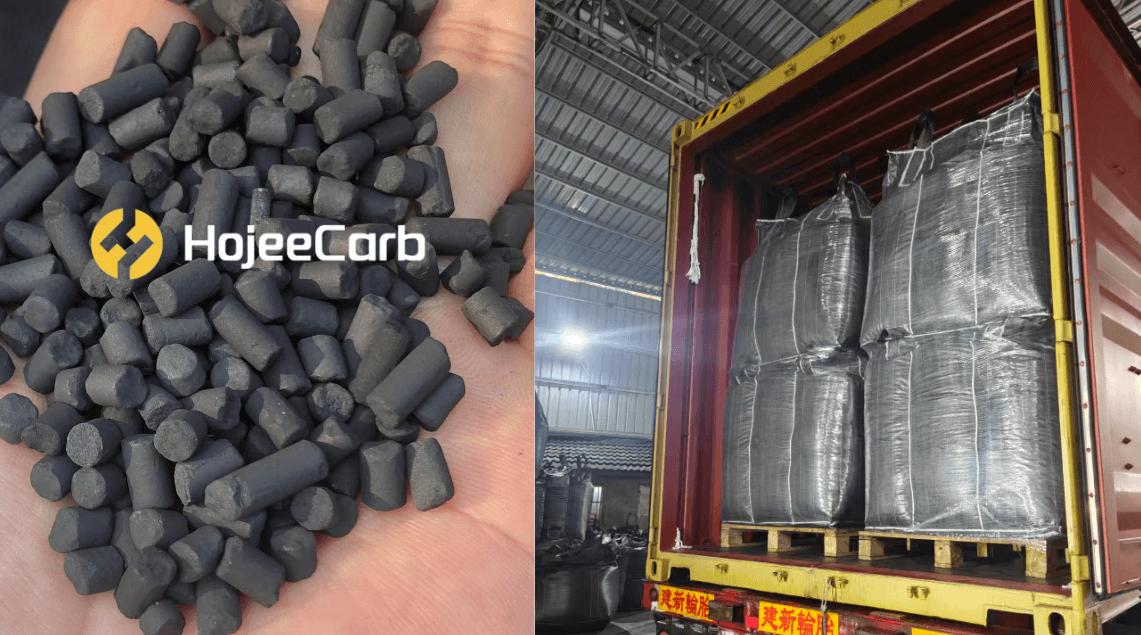 🇨🇱 Chile44 Tons
44t Pellet Carbon for Industrial VOC Removal
Shipped CTC 50 pellet carbon for volatile organic compound abatement — matched to the customer's solvent load for reliable VOC capture in industrial exhaust.
Read full case →Frequently Asked Questions
How is activated carbon used as a catalyst support?
Carbon's high surface area, chemical inertness, and thermal stability make it ideal. Precious metals (Pd, Pt, Ru) are deposited onto the surface to create heterogeneous catalysts for hydrogenation, oxidation, and dehalogenation in pharma and fine-chemical manufacturing.
What type is best for solvent recovery?
Pellet carbon (3–4 mm) with CTC ≥60% minimizes pressure drop in fixed-bed adsorbers while providing high gas-phase capacity. Coal-based pellet is most common for cost and performance.
Can activated carbon withstand harsh chemicals?
Yes — it's inert to most acids, alkalis, and solvents. But strong oxidizers (conc. nitric acid, excess H₂O₂) degrade the structure. Acid-washed low-ash grades handle most chemical environments.
Why does ash content matter in chemical applications?
Ash contains iron, silica, and alkali metals that leach into your process fluid. In pharma or high-purity chemicals, that causes contamination. Acid-washed grades reduce ash to ≤3%.
What is the MOQ and lead time?
Minimum order is 1 ton, FCL pricing for bulk. Standard grades ship in 7–15 days; acid-washed and custom catalyst-grade 15–25 days. Free samples available.
Chemical Process Consultation
Our technical team can recommend the optimal carbon grade for your specific chemical process.
Get Technical QuoteChemical Industry Carbon — Complete Guide
Technical Guide
Activated Carbon for Chemical Industry: 8 Applications
Purification, catalyst support, decolorization and gas treatment across chemical processes.
Process Guide
Solvent Recovery: Process Design & Carbon Selection
Recover and reuse solvents with adsorption-desorption cycling — carbon selection and system design.
Air Treatment
Activated Carbon for VOC Removal
Industrial air treatment guide — pellet and granular carbon for VOC abatement.
Specialty Carbon
Impregnated Activated Carbon: Types & Selection
KOH, KI, sulfur and other impregnations for targeted contaminant capture.
Comparison
Catalytic Carbon vs Activated Carbon
When catalytic function matters — chloramine, H₂S and sulfide destruction chemistry.
Deep Dive
Pharma-Grade Activated Carbon: USP/GMP Specs
API purification and fine-chemical decolorization to pharmacopoeia standards.