
The pharmaceutical industry demands the highest levels of chemical purity. Every active pharmaceutical ingredient (API), excipient, and process stream must meet exacting pharmacopeial standards before reaching patients. Activated carbon — specifically pharmaceutical-grade powdered and granular carbon — plays a critical role in meeting those standards, serving as the primary adsorbent for removing colored impurities, organic contaminants, pyrogens, and residual solvents from drug intermediates and process water.
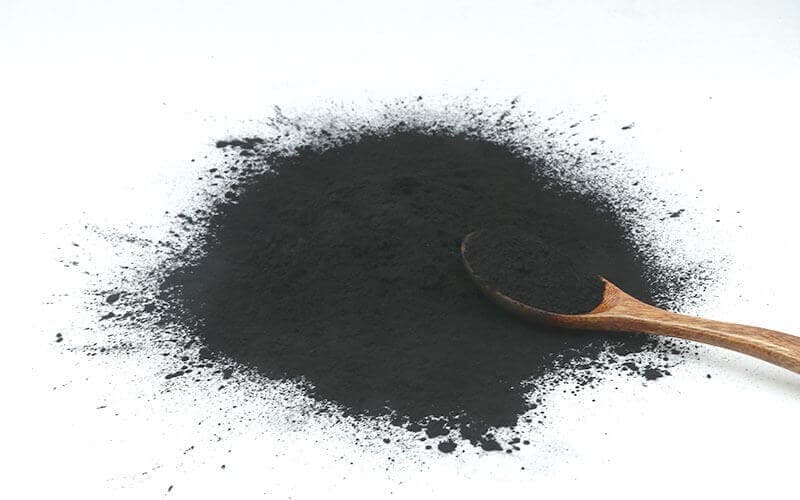
This guide covers every major pharmaceutical application of activated carbon, the specifications you need to look for, compliance requirements under GMP and pharmacopeial standards, and practical sourcing advice for procurement teams.
Why the Pharmaceutical Industry Relies on Activated Carbon
Activated carbon's unique adsorption properties make it ideal for pharmaceutical purification. Its vast internal surface area — typically 800–1,200 m²/g for pharmaceutical grades — provides millions of adsorption sites that attract and hold unwanted organic molecules through van der Waals forces, π–π interactions, and electrostatic attraction.
Unlike synthetic resins or membrane filters, activated carbon is non-selective enough to remove a broad spectrum of impurities in a single treatment step, yet sufficiently controllable (through dosage, contact time, temperature, and pH adjustment) to minimize co-adsorption of the target API. This balance of broad-spectrum purification and process controllability is why activated carbon remains the industry standard after more than a century of use.
The global pharmaceutical activated carbon market is projected to exceed $450 million by 2028, driven by rising API production volumes, tightening purity standards, and growing demand for high-purity water systems in pharmaceutical facilities worldwide.
Need activated carbon?
Get Factory-Direct Pricing — No Middlemen
20+ years manufacturing. MOQ 1 ton. Free samples. Reply within 2 hours.
1. API Purification and Decolorization
The most widespread pharmaceutical use of activated carbon is the purification of active pharmaceutical ingredients during synthesis. After chemical reactions produce the crude API, the product is dissolved in an appropriate solvent and treated with powdered activated carbon (PAC) to remove:
- Chromatic impurities — colored byproducts from side reactions, degradation, or raw material impurities that would fail color specifications
- Organic byproducts — unreacted intermediates, dimerization products, and other synthesis residues
- Residual catalysts — trace metals (Pd, Pt, Ru) from catalytic hydrogenation and coupling reactions
- Genotoxic impurities (GTIs) — potentially mutagenic compounds that must be controlled below ICH M7 limits (typically 1.5 µg/day)
The typical process involves adding 1–10% w/w of powdered activated carbon to the dissolved API at controlled temperature (often 40–70°C) and stirring for 30–120 minutes. The carbon is then removed by filtration through a Celite pad, plate-and-frame filter press, or cartridge filter. The clarified solution proceeds to crystallization, where the purified API crystallizes out.
Key process variables include carbon dosage (higher dosage improves decolorization but increases API loss through co-adsorption), contact time, temperature (higher temperature increases adsorption kinetics but may reduce equilibrium capacity), solvent polarity, and pH. Jar tests with 3–5 dosage levels are standard practice for optimizing each new API process.
2. Solvent Purification and Recovery
Pharmaceutical manufacturing consumes vast quantities of organic solvents — methanol, ethanol, acetone, ethyl acetate, dichloromethane, and many others. Recovered solvents must meet stringent purity standards before reuse to prevent cross-contamination between batches and products.
Activated carbon treatment is a standard step in solvent recovery loops. After distillation, the recovered solvent passes through a GAC column or is treated with PAC to remove residual color bodies, high- boiling impurities, and trace API residues that survived distillation. This is especially critical for solvents used in final-step crystallizations, where even parts-per-million contamination can affect API quality. Coal-based granular activated carbon with high hardness (>95%) is preferred for column applications to minimize carbon fines in the purified solvent.
3. Pharmaceutical Water Systems
Water is the most heavily used raw material in pharmaceutical production. USP Purified Water, Water for Injection (WFI), and Ultra-Pure Water all require multi-stage treatment trains, and activated carbon plays a vital role in the pretreatment stage:
- Dechlorination — removing free chlorine and chloramines added during municipal treatment, which would damage downstream RO membranes and ion exchange resins
- TOC reduction — adsorbing total organic carbon (natural organic matter, humic/fulvic acids) to protect downstream purification stages
- Taste/odor removal — eliminating compounds like geosmin and MIB that indicate organic contamination
- Endotoxin/pyrogen reduction — GAC can adsorb bacterial endotoxins, though this is a supplementary barrier rather than the primary removal mechanism
Pharmaceutical water GAC systems typically use 12×40 or 8×30 mesh coconut shell GAC with iodine numbers above 1050 mg/g. The high micropore volume of coconut shell carbon makes it exceptionally effective for chlorine removal. Empty bed contact times of 10–20 minutes are standard. Hot-water sanitization (80°C for 60+ minutes) or steam sterilization is essential to control microbial growth in the carbon bed — a critical GMP requirement that many facilities underestimate.
4. Parenteral and Injectable Drug Processing
For injectable drugs, activated carbon treatment takes on even greater significance. Parenteral formulations must be essentially free of particulates, pyrogens, and colored impurities, because they bypass the body's natural protective barriers (skin, GI tract).
Activated carbon is used in the bulk solution preparation stage to remove trace organic impurities and reduce color. After carbon treatment, the solution undergoes sterile filtration (0.22 µm) and depyrogenation. The carbon itself must be pharmaceutical-grade, low in extractables, and pre-washed to minimize leachable ions and fine particles. Many parenteral manufacturers specify acid-washed, wood-based powdered activated carbon with ash content below 3% for these critical applications.
5. Cleanroom and Process Air Treatment
Pharmaceutical cleanrooms and process areas require air free from volatile organic compounds, odors, and chemical vapors. Activated carbon filters are integrated into HVAC systems as a supplementary stage after HEPA filtration to adsorb gaseous contaminants that particulate filters cannot capture.
This is particularly important in API manufacturing areas where solvent vapors may be present, in packaging areas to prevent cross-contamination of odor-sensitive products, and in areas adjacent to chemical storage. Pelletized activated carbon (3–4 mm) with high CTC values (>60%) provides optimal airflow resistance and adsorption capacity for HVAC carbon filter applications.
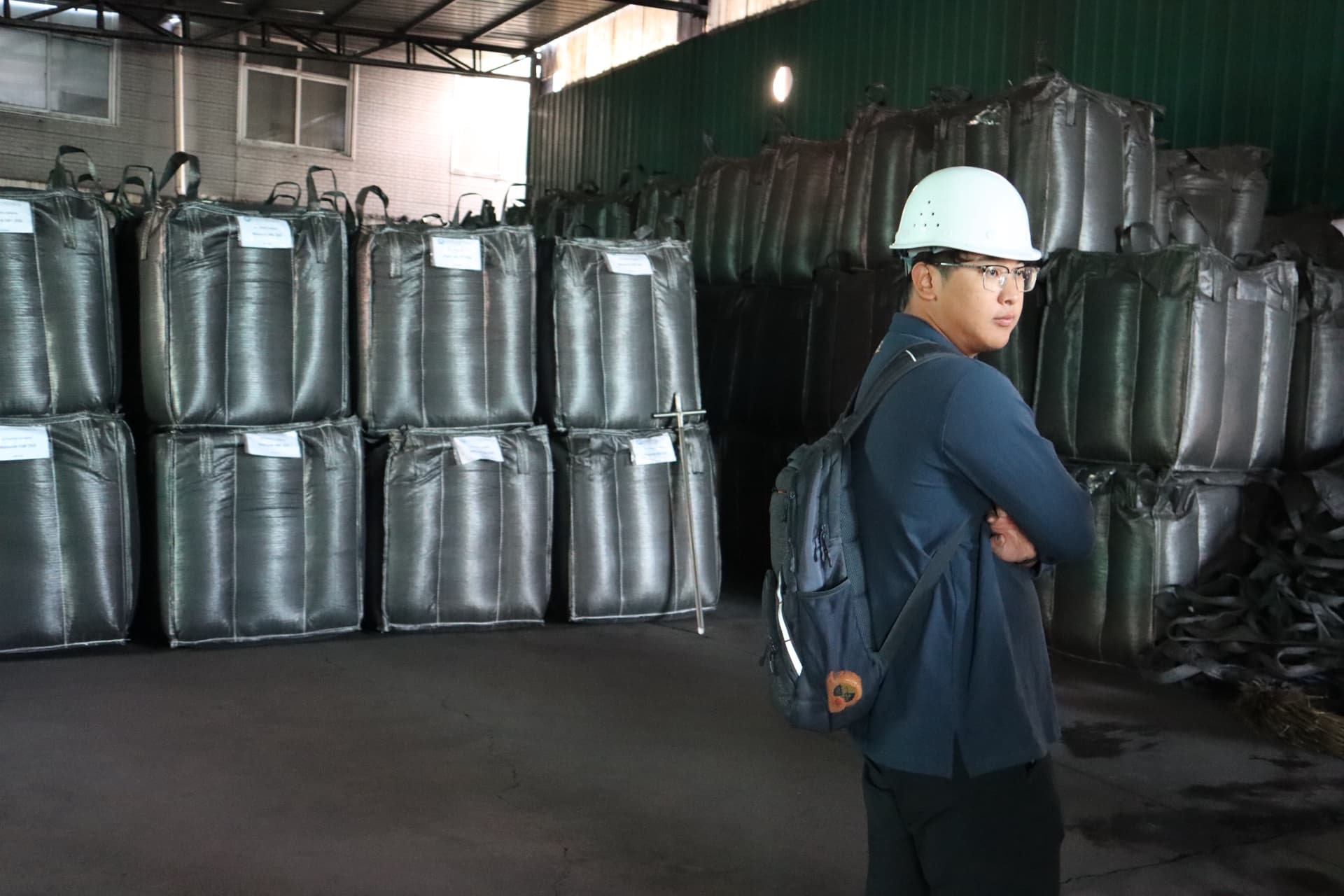
Pharmaceutical-Grade Activated Carbon: Key Specifications
Not all activated carbon is suitable for pharmaceutical use. The table below summarizes the critical quality parameters:
| Parameter | Specification | Why It Matters |
|---|---|---|
| Pharmacopeial compliance | USP / EP / JP monograph | Regulatory requirement for drug registration |
| Ash content | ≤5% (USP), ≤3% preferred | Low ash = fewer leachable minerals contaminating the API |
| Heavy metals | ≤10 ppm (Pb equivalent) | Patient safety — heavy metals in injectable drugs are unacceptable |
| Acid-soluble substances | ≤3% | Indicates mineral contamination that could leach into solution |
| Loss on drying | ≤15% | Excess moisture reduces effective adsorption capacity |
| Iodine number | ≥900 mg/g | Indicator of micropore volume and adsorption capacity |
| Methylene blue value | ≥180 mg/g (PAC) | Indicates mesopore capacity — critical for decolorization |
| Particle size (PAC) | 90% passing 325 mesh | Finer particles = faster adsorption kinetics |
| pH | 5–8 (water extract) | Prevents pH shift in process solutions |
| Chloride content | ≤0.1% | Especially critical for injection-grade products |
Wood-based activated carbon is generally preferred for pharmaceutical PAC applications because wood raw material has inherently lower heavy metal and sulfur content compared to coal. The chemical activation process (using phosphoric acid) also produces a favorable mesopore-rich structure ideal for adsorbing the large, complex organic molecules typical of pharmaceutical impurities. For quality testing methods, refer to our dedicated technical guide.
GMP Compliance and Documentation Requirements
Using activated carbon in pharmaceutical production triggers specific GMP documentation requirements. As a process aid that contacts the drug substance or product, activated carbon must be fully traceable and controlled within the quality system:
- Certificate of Analysis (CoA) — each lot must come with a CoA confirming compliance to the relevant pharmacopeia (USP, EP, or JP) monograph
- Supplier qualification — the activated carbon manufacturer must be audited and approved as part of your supplier qualification program
- Change control — any change in activated carbon source, grade, or specification requires a formal change control assessment
- Incoming QC testing — identity confirmation (IR spectrum), iodine number, and moisture at minimum should be verified on receipt
- Batch traceability — the specific carbon lot used must be recorded against each production batch for full traceability
International suppliers serving the pharmaceutical industry should hold ISO 9001 certification at minimum, with ISO 22000 (food safety) and GMP compliance documentation for their manufacturing facility. The activated carbon certification guide covers these standards in detail.
Choosing the Right Carbon Type for Each Application
| Application | Recommended Type | Key Spec | Raw Material |
|---|---|---|---|
| API decolorization | PAC (325 mesh) | MB ≥180, Ash ≤3% | Wood |
| Solvent recovery polishing | GAC (8×30 mesh) | Iodine ≥1000, Hardness ≥95% | Coal |
| Water pretreatment (dechlorination) | GAC (12×40 mesh) | Iodine ≥1050, Low fines | Coconut shell |
| Injectable solution treatment | PAC (325 mesh, acid-washed) | Ash ≤2%, HM ≤5 ppm | Wood |
| Cleanroom HVAC | Pellet (3–4 mm) | CTC ≥60%, Low dust | Coal |
Process Optimization: Minimizing API Loss
The primary concern when using activated carbon for API purification is co-adsorption — the target API being adsorbed along with the unwanted impurities. API losses of 2–15% are common, and with high-value APIs costing $10,000–$100,000+ per kilogram, minimizing these losses has significant financial impact.
Strategies to reduce API loss while maintaining effective purification include:
- Optimize carbon dosage — use the minimum effective dose determined by jar testing; even 1% reduction in dosage can save substantial API
- Temperature control — higher temperatures accelerate kinetics but may shift adsorption selectivity; find the sweet spot where impurity removal is fast but API co-adsorption is minimized
- pH adjustment — for ionizable APIs, adjusting pH to maximize the API's ionic form (charged species are less readily adsorbed on carbon) while keeping impurities in their neutral, adsorbable form
- Sequential dosing — two smaller carbon treatments can be more selective than one large dose
- Carbon washing — rinsing the spent carbon cake with fresh solvent to recover API trapped in interstitial spaces (this alone can reduce losses by 30–50%)
Understanding adsorption capacity metrics is essential for selecting the right carbon grade and predicting performance in pharmaceutical applications.
Emerging Trends in Pharmaceutical Carbon Use
Several trends are reshaping how the pharmaceutical industry uses activated carbon:
- Continuous manufacturing — as pharma shifts from batch to continuous processing, inline GAC columns are replacing batch PAC treatment in some applications, requiring carbons with superior mechanical hardness and consistent adsorption performance
- GTI (genotoxic impurity) control — tightening ICH M7 requirements are driving demand for specialized activated carbons optimized for trace-level adsorption of mutagenic compounds
- Biologics and biosimilars — the growing biologics sector uses activated carbon for decolorization of cell culture media components and downstream processing of therapeutic proteins
- Sustainability — pharmaceutical companies are increasingly evaluating carbon regeneration and coconut-shell-based carbons as part of ESG commitments
- Advanced characterization — techniques like DVS (dynamic vapor sorption) and DFT pore size distribution analysis are replacing simple iodine number testing for selecting the optimal carbon for specific API purification challenges
Sourcing Pharmaceutical-Grade Activated Carbon from China
China is the world's largest producer of activated carbon, including pharmaceutical grades. When sourcing from Chinese manufacturers, verify:
- USP/EP compliance with full Certificate of Analysis for each lot
- GMP-aligned manufacturing practices (dedicated pharma production lines, not mixed with industrial-grade carbon)
- Third-party lab testing (SGS, Intertek, or equivalent) to validate supplier CoA data
- Consistent quality across lots — request samples from 3+ different production batches for evaluation
- Complete traceability — raw material sourcing, production batch records, packaging, and shipping documentation
For a comprehensive overview of importing activated carbon from China, including HS codes, shipping logistics, and customs clearance, see our import guide.
Frequently Asked Questions
What grade of activated carbon is used in pharmaceuticals?
Pharmaceutical applications require USP/EP/JP-grade activated carbon that meets strict purity limits for heavy metals, ash content, acid-soluble substances, and chloride. Wood-based powdered activated carbon (PAC) is the most common type, as it offers high mesopore volume for large-molecule adsorption and comes from a chemically clean raw material.
How is activated carbon used in API purification?
Activated carbon is added to the dissolved crude API solution to adsorb colored impurities, organic byproducts, and residual catalysts. The slurry is stirred at controlled temperature and pH for 30–120 minutes, then filtered through a pad or cartridge. This decolorization step typically removes 80–95% of chromatic impurities while retaining >95% of the target API in solution.
Can activated carbon remove pyrogens and endotoxins from water?
Yes. Granular activated carbon (GAC) columns are used in pharmaceutical water pretreatment (Purified Water and WFI systems) to remove chlorine, chloramines, organic contaminants, and certain endotoxins. However, GAC beds can become colonization sites for bacteria if not properly sanitized, so hot-water-sanitizable or steam-sterilizable GAC systems are preferred in pharma facilities.
What is the difference between USP and EP activated carbon?
USP (United States Pharmacopeia) and EP (European Pharmacopoeia) both define pharmaceutical-grade activated carbon but differ in specific test methods and limits. USP focuses on loss on drying (≤15%), residue on ignition (≤5%), acid-soluble substances, heavy metals, and adsorptive capacity. EP adds tests for electron-absorbing substances and has slightly different limits. Most international suppliers test to both standards for global market access.
How much activated carbon is needed per batch in pharma processing?
Dosage varies by application. For API decolorization, typical dosing is 1–10% by weight of the solute. For water treatment GAC beds, the standard is 10–20 minutes of empty bed contact time (EBCT). Trial runs (jar tests) are always recommended to optimize dosage for each specific process, as over-dosing can cause API loss through co-adsorption.
Need Pharmaceutical-Grade Activated Carbon?
Tell us about your application — API type, solvent system, required purity level, and volume. We'll recommend the right carbon grade and provide a quotation with full CoA documentation.
Request a Quote