
When sourcing activated carbon — especially for drinking water treatment, food processing, or pharmaceutical applications — certifications are not optional. They are the minimum proof that a product meets safety, performance, and consistency requirements. Without proper certifications, your shipment could be rejected at customs, fail regulatory audits, or contaminate the very process it was meant to purify.
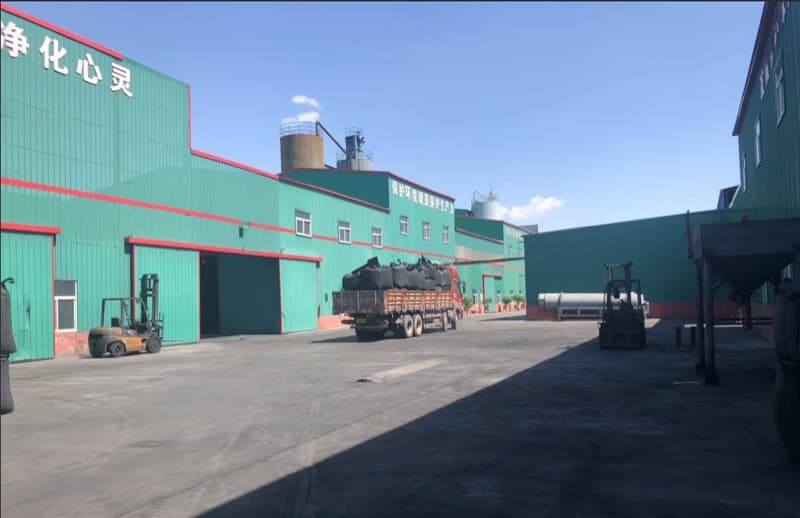
This guide covers every major certification and standard relevant to activated carbon buyers. Whether you are importing coconut shell activated carbon for water purification or coal-based carbon for industrial use, understanding these standards will help you make informed purchasing decisions and avoid costly compliance failures.
Need activated carbon?
Get Factory-Direct Pricing — No Middlemen
20+ years manufacturing. MOQ 1 ton. Free samples. Reply within 2 hours.
1. Why Certifications Matter
Activated carbon is used in applications where human health and environmental safety are directly at stake. Drinking water plants, food processing facilities, and pharmaceutical manufacturers all depend on activated carbon that meets strict purity and performance thresholds. Certifications provide third-party verification that a product consistently meets these thresholds — batch after batch, shipment after shipment.
For buyers, certifications serve three critical functions. First, they reduce risk: a certified product has been independently tested, so you are not relying solely on the supplier's word. Second, they ensure regulatory compliance: many jurisdictions require specific certifications for activated carbon used in drinking water or food contact applications. Third, they simplify supplier evaluation: comparing certified suppliers is far more straightforward than trying to assess uncertified ones through factory audits alone.
The cost of getting this wrong is significant. Uncertified activated carbon used in a municipal water treatment plant could lead to regulatory fines, public health incidents, and lawsuits. In food processing, non-compliant carbon can result in product recalls. Even in industrial applications like gold recovery or solvent purification, using substandard carbon means lower adsorption efficiency and higher operating costs.
Key Takeaway
Never assume a supplier's activated carbon meets your application requirements without verifying certifications. "We can provide any certificate you need" is a red flag — legitimate certifications take months to obtain and are issued by independent bodies, not the supplier themselves.
2. ISO Standards: 9001 & 14001
ISO (International Organization for Standardization) certifications are the most widely recognized quality management standards in the world. For activated carbon manufacturers, two ISO standards are particularly relevant.
ISO 9001: Quality Management System
ISO 9001 certifies that a manufacturer has implemented a systematic approach to quality management. This includes documented procedures for production, testing, traceability, customer complaint handling, and continuous improvement. For activated carbon buyers, an ISO 9001-certified supplier means consistent product quality, proper batch documentation, and a structured approach to handling quality issues.
The current version is ISO 9001:2015. Certification requires an audit by an accredited certification body (such as SGS, TÜV, or Bureau Veritas) and must be renewed through surveillance audits every year, with a full recertification every three years.
ISO 14001: Environmental Management System
ISO 14001 certifies that a manufacturer manages its environmental impact responsibly. Activated carbon production involves high-temperature kilns, chemical activation agents (like phosphoric acid or zinc chloride for wood-based carbons), and significant energy consumption. ISO 14001 ensures the manufacturer monitors emissions, manages waste properly, and works toward reducing environmental impact.
For buyers in Europe, North America, and Australia, sourcing from ISO 14001-certified suppliers is increasingly important for ESG (Environmental, Social, and Governance) reporting and supply chain sustainability requirements.
| Standard | Focus | Audit Cycle | Key Benefit for Buyers |
|---|---|---|---|
| ISO 9001:2015 | Quality management | Annual surveillance, 3-year recertification | Consistent product quality & traceability |
| ISO 14001:2015 | Environmental management | Annual surveillance, 3-year recertification | Responsible sourcing & ESG compliance |
3. NSF/ANSI 61: Drinking Water Treatment
NSF/ANSI 61 is the gold standard for activated carbon used in drinking water treatment in North America. Established by NSF International, this standard ensures that water treatment chemicals and materials — including activated carbon — do not leach harmful contaminants into drinking water above acceptable levels.
The certification process is rigorous. NSF tests the activated carbon by passing water through it under controlled conditions and analyzing the effluent for over 100 potential contaminants, including heavy metals (lead, arsenic, mercury), organic compounds, and other extractables. The carbon must demonstrate that it does not contribute contaminants above the Maximum Allowable Levels (MALs) set by the standard.
For buyers supplying municipal water treatment plants in the United States and Canada, NSF/ANSI 61 certification is typically mandatory. Many state drinking water programs explicitly require it. Even in countries where it is not legally required, specifying NSF 61-certified carbon provides an extra layer of safety assurance.
Important: NSF 61 certification is product-specific and facility-specific. A supplier may have NSF 61 certification for their coconut shell GAC but not for their coal-based PAC. Always verify that the specific product you are purchasing is covered by the certification.
4. AWWA B604: Granular Activated Carbon
The American Water Works Association (AWWA) publishes B604, a standard specifically for granular activated carbon (GAC) used in water treatment. While NSF 61 focuses on safety (what the carbon does NOT leach), AWWA B604 focuses on performance — defining minimum requirements for physical and chemical properties.
AWWA B604 specifies requirements for iodine number, moisture content, apparent density, particle size distribution, abrasion number, and ash content. It also requires that the carbon meet NSF/ANSI 61 for drinking water safety. In practice, AWWA B604 compliance means the GAC has been tested for both safety and performance.
| Parameter | AWWA B604 Requirement | Test Method |
|---|---|---|
| Iodine Number | ≥ 500 mg/g | ASTM D4607 |
| Moisture Content | ≤ 8% | ASTM D2867 |
| Ash Content | Varies by type | ASTM D2866 |
| Abrasion Number | ≥ 70 | ASTM D3802 |
| Apparent Density | Report value | ASTM D2854 |
Need Certified Activated Carbon?
We supply ISO 9001, NSF/ANSI 61, HALAL, and food-grade certified carbon. Tell us your required certifications and specs for a factory-direct quote.
5. ASTM Testing Standards
ASTM International (formerly the American Society for Testing and Materials) publishes the most widely used test methods for activated carbon characterization. These are not certifications per se — they are standardized test procedures that ensure different laboratories produce comparable results when testing the same carbon sample.
When you receive a Certificate of Analysis (COA) from a supplier, the test results should reference specific ASTM methods. If a supplier reports an iodine number without specifying the test method, the number is essentially meaningless — different procedures can yield different results for the same carbon.
| ASTM Standard | What It Tests | Why It Matters |
|---|---|---|
| D4607 | Iodine number | Primary indicator of adsorption capacity for small molecules |
| D3860 | Molasses number / decolorizing index | Indicates macro-pore volume for large molecule adsorption |
| D2867 | Moisture content | Affects shipping weight and adsorption readiness |
| D2866 | Ash content | High ash = more inorganic impurities, lower purity |
| D3802 | Ball-pan hardness / abrasion number | Durability in backwash and handling |
| D2854 | Apparent density | Determines how much carbon fits in a filter vessel |
| D5158 | CTC (Carbon Tetrachloride) activity | Key metric for vapor-phase adsorption applications |
For a deeper dive into what each test measures and what values to expect, see our complete guide to activated carbon quality testing methods.
6. European Standards: EN 12915
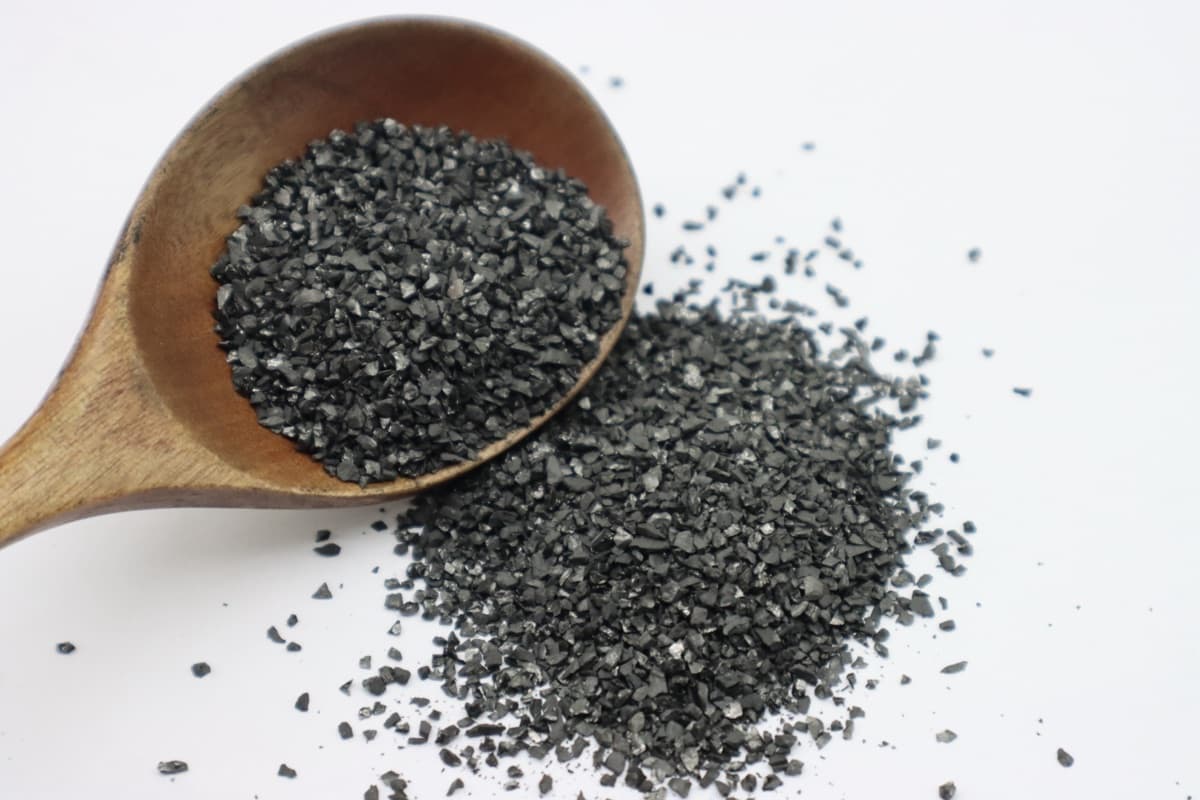
EN 12915 is the European standard for activated carbon used in drinking water treatment. Published by the European Committee for Standardization (CEN), it defines requirements for both granular (Part 1) and powdered (Part 2) activated carbon.
The standard specifies minimum requirements for iodine number, phenol adsorption, methylene blue adsorption, moisture, ash content, pH, and extractable heavy metals. It also requires compliance with the European Drinking Water Directive (98/83/EC, updated by 2020/2184/EU), which sets maximum contaminant levels for drinking water materials.
For buyers exporting to EU member states, EN 12915 compliance is essential. Some European water utilities also require additional national certifications — for example, KIWA certification in the Netherlands, DWI approval in the UK, or ACS certification in France. Always check the specific requirements of your target market.
7. Food-Grade Certifications
Activated carbon used in food and beverage processing must meet food-grade standards. The two primary regulatory frameworks are the U.S. FDA regulations and the European Union food contact regulations. For a full breakdown of how activated carbon is used across the food industry, see our guide to food-grade activated carbon applications.
FDA (United States)
In the United States, activated carbon for food use is regulated under the Food Chemicals Codex (FCC) and must comply with FDA 21 CFR. The FCC monograph for activated carbon specifies limits for heavy metals, cyanide, polycyclic aromatic hydrocarbons (PAHs), and other contaminants. Activated carbon used for decolorizing sugar, purifying edible oils, or filtering beverages must meet these specifications.
EU Regulations
In the EU, activated carbon for food contact falls under Regulation (EC) No 1935/2004 (framework regulation for food contact materials) and may also need to comply with specific national regulations. The European Food Safety Authority (EFSA) evaluates activated carbon as a processing aid. Key requirements include limits on PAHs (particularly benzo[a]pyrene), heavy metals, and total organic extractables.
JECFA / Codex Alimentarius
The Joint FAO/WHO Expert Committee on Food Additives (JECFA) has established international specifications for activated carbon used as a food processing aid. The Codex Alimentarius specifications are widely referenced in countries that do not have their own detailed food-grade carbon standards.
8. Halal & Kosher Certifications
For activated carbon used in food, beverage, and pharmaceutical processing, Halal and Kosher certifications are increasingly requested by buyers in the Middle East, Southeast Asia, and global food companies serving diverse markets.
Activated carbon itself is typically mineral-based (derived from coal, coconut shell, or wood) and does not inherently contain animal-derived ingredients. However, the certification process verifies the entire production chain — raw materials, activation agents, processing equipment, and packaging — to ensure no cross-contamination with non-Halal or non-Kosher substances.
Halal certification is typically issued by recognized Islamic certification bodies (such as JAKIM in Malaysia, MUI in Indonesia, or IFANCA internationally). Kosher certification is issued by rabbinical authorities (such as the Orthodox Union or OK Kosher). Both require periodic factory inspections and production audits.
9. How to Verify Supplier Certifications
Unfortunately, fake or expired certifications are not uncommon in the activated carbon industry. Here is a practical checklist for verifying that a supplier's certifications are legitimate. For a more comprehensive due diligence process, see our activated carbon supplier audit checklist.
✓ Check the Certificate Number
Every legitimate certification has a unique certificate number. Contact the issuing body directly to verify it. For NSF certifications, search the NSF Certified Products database at nsf.org.
✓ Verify the Scope
Certifications are product-specific. A supplier may be ISO 9001 certified for their factory but not have NSF 61 for the specific product you need. Always confirm the scope covers your exact product.
✓ Check Expiry Dates
All certifications have expiry dates. An expired certificate is not valid. Ask for the most recent certificate and verify the validity period.
✓ Verify the Certification Body
ISO certifications must be issued by accredited certification bodies. Check that the CB is accredited by a recognized accreditation body (e.g., UKAS, ANAB, CNAS). Unaccredited certificates have no value.
✓ Request COA for Each Shipment
A Certificate of Analysis should accompany every shipment, showing test results for that specific batch. Compare COA values against the specifications in your purchase order.
✓ Consider Third-Party Inspection
For large orders, hire a third-party inspection company (SGS, Bureau Veritas, Intertek) to verify product quality at the factory before shipment.
10. HojeeCarb's Certifications
At HojeeCarb, we maintain comprehensive certifications across our three production facilities. Our commitment to quality and compliance is backed by independent third-party verification.
Our certifications include ISO 9001:2015 for quality management, ISO 14001:2015 for environmental management, and product-specific certifications for drinking water and food-grade applications. Every shipment includes a detailed COA with test results referenced to ASTM standard methods.
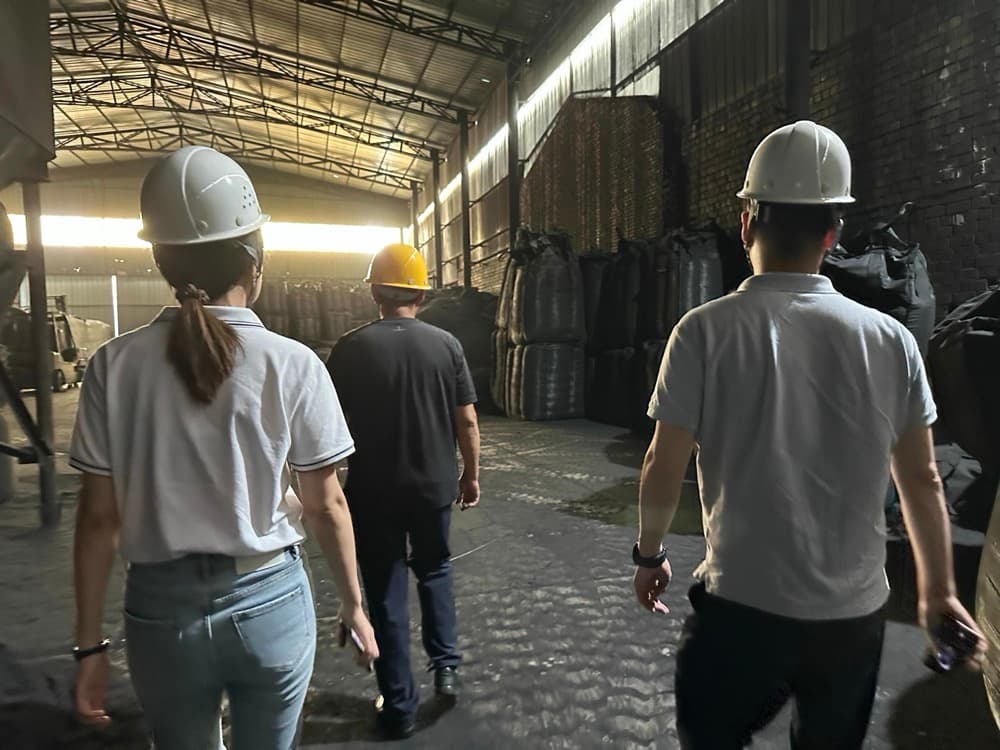
We welcome factory audits and can provide certification documentation upon request. For specific certification inquiries related to your application, contact our technical team — we will confirm which certifications apply to your product and provide copies of current certificates.
Certification Quick Reference
| Certification | Application | Required In | Issuing Body |
|---|---|---|---|
| ISO 9001 | All applications | Global best practice | Accredited CBs (SGS, TÜV, etc.) |
| NSF/ANSI 61 | Drinking water | USA, Canada | NSF International |
| AWWA B604 | GAC for water treatment | USA | AWWA |
| EN 12915 | Drinking water | EU member states | CEN / national bodies |
| FDA / FCC | Food & beverage | USA | FDA (self-compliance) |
| Halal | Food, pharma | Middle East, SE Asia | JAKIM, MUI, IFANCA |
| Kosher | Food, pharma | Global (Jewish markets) | OU, OK Kosher |
Frequently Asked Questions
What certifications are required for activated carbon in drinking water treatment?
For drinking water, NSF/ANSI 61 certification is required in North America, confirming the carbon does not leach harmful contaminants. In Europe, EN 12915 applies. Many markets also require NSF/ANSI 42 for taste and odor reduction. AWWA B604 sets the quality standard for GAC in water treatment.
Is ISO 9001 certification important for activated carbon suppliers?
Yes, ISO 9001 demonstrates consistent production with documented processes, incoming material controls, in-process testing, and corrective action procedures — reducing batch-to-batch variation. While it doesn't guarantee product quality directly, it ensures the manufacturer has a quality management system.
What ASTM standards apply to activated carbon testing?
Key ASTM standards include: D4607 for iodine number, D3467 for carbon tetrachloride activity, D3802 for ball-pan hardness, D2867 for moisture content, D2866 for ash content, and D6851 for apparent density. These ensure consistent quality evaluation across suppliers.
Do I need food-grade certification for activated carbon in beverage processing?
Yes, activated carbon in food and beverage processing must meet food-grade standards such as Food Chemicals Codex (FCC), E153 in the EU, or equivalent national regulations. Additional certifications like HACCP, Kosher, and Halal may be required depending on the end market.
How do I verify if a supplier's certifications are genuine?
Request certificate documents with certificate numbers, then verify directly with the issuing body. For NSF, check their online listings. For ISO, contact the accreditation body on the certificate. Conduct factory audits or use third-party inspection services to verify processes are actually followed.
Need Certified Activated Carbon?
HojeeCarb provides fully certified activated carbon for drinking water, food processing, and industrial applications. Tell us your requirements and we'll confirm which certifications apply to your order.