
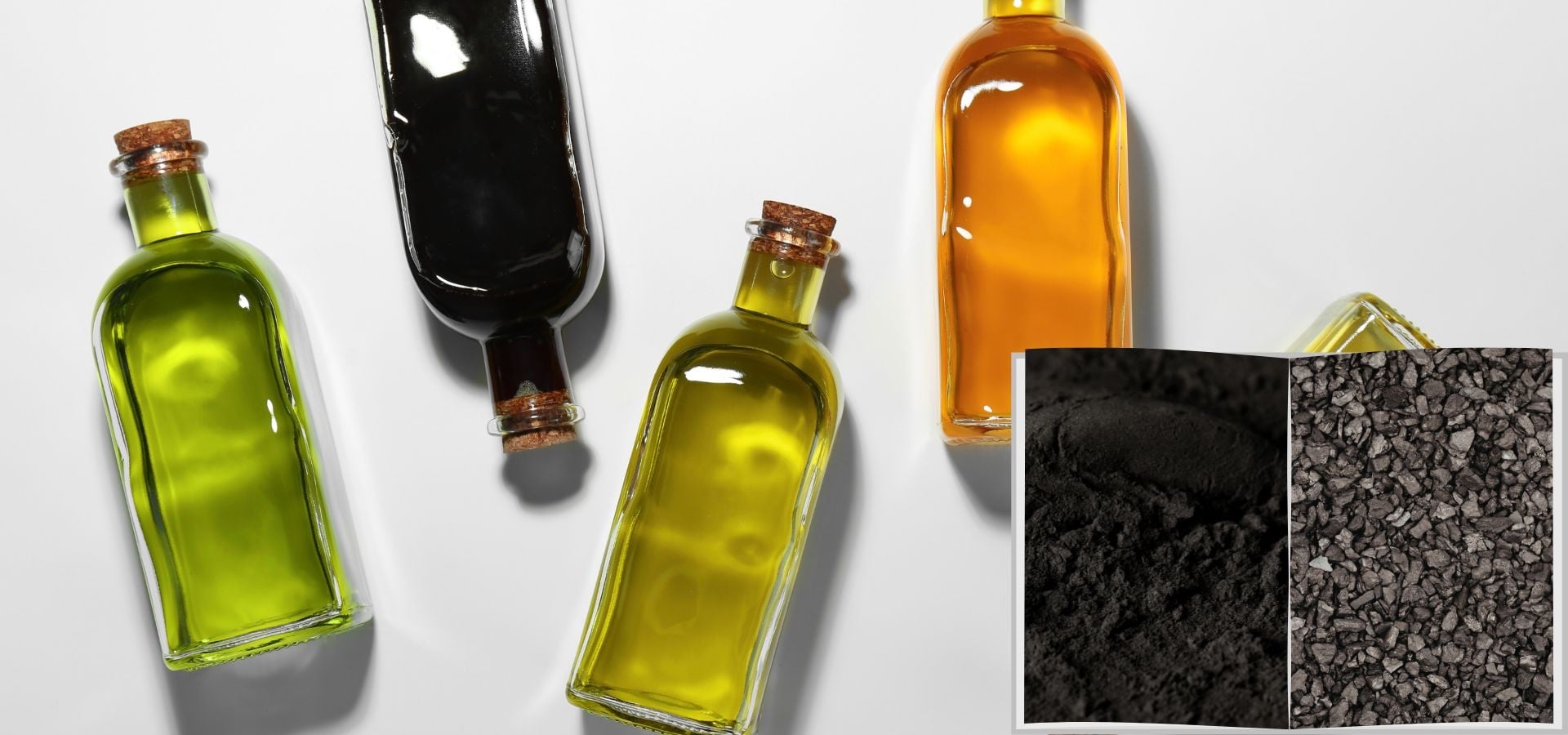
Food & Beverage
Food-grade carbon for decolorization, purification, and taste improvement.
In food and beverage processing, activated carbon removes color, off-taste, odor, and impurities while preserving nutritional value. Our food-grade carbon is produced under ISO 9001 quality systems and available with HALAL and KOSHER certifications — ensuring compliance for global food manufacturers.
Applications
Food & Beverage Industry Challenges
Food-contact carbon faces stricter demands than industrial grades.
Food Safety Compliance
Carbon that contacts food or beverage must meet purity standards — low ash, no heavy metals, no harmful extractables. Third-party testing and COA for each lot are mandatory.
Decolorization Efficiency
Sugar, citric acid, and MSG all require deep color removal in a single pass. Methylene blue value (MB ≥180 mg/g) predicts decolorization performance better than iodine number.
Taste / Flavor Neutral
Carbon must not impart taste or odor to the final product. This requires low-ash, well-activated carbon with a neutral pH and proper washing.
Religious Certification
Many export markets (Middle East, SE Asia) require HALAL; others (US, EU) need KOSHER. Certification covers raw material sourcing, production process, and packaging.
How It Works
Food-grade carbon works through the same physical adsorption, but with stricter purity. In liquid-phase decolorization (sugar, oil, juice), powdered carbon is stirred into the product at 0.1–0.5% dose, adsorbs color bodies and off-flavor compounds, then is filtered out. In continuous purification (beverage lines), granular carbon in a packed column polishes the stream. The key specs for food use are methylene blue value (decolorization power) and extractable impurities (must be below food-contact limits).
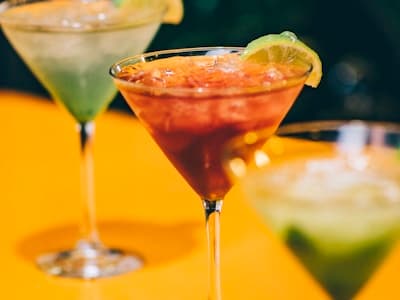
Process Configurations
Food processing uses carbon in two main modes.
Batch PAC Dosing
Powdered carbon added to a mixing tank with the product (sugar solution, oil, juice). Stirred 15–60 min, then filtered through plate-and-frame or rotary vacuum. Simple, flexible, most common for decolorization.
Fixed-Bed GAC Column
Granular carbon in a continuous-flow column for beverage and syrup polishing. Longer bed life (6–12 months), consistent quality, lower labor. Suits high-throughput lines.
Multi-Stage Decolorization
For deep color removal (refined sugar, dextrose), two-stage PAC dosing achieves >95% color reduction while minimizing total carbon consumption vs single heavy dose.
Dosing & Contact Time
Optimal dose varies by product: sugar 0.1–0.3%, edible oil 0.5–2%, citric acid 0.1–0.5% (w/w). Contact time 15–60 min depending on viscosity and target color.
Carbon Selection Guide
| Food/Beverage Duty | Recommended Carbon | Key Spec | Form |
|---|---|---|---|
| Sugar decolorization | Wood-based PAC, food-grade | MB ≥180 mg/g | Powder (200 mesh) |
| Edible oil refining | Wood-based PAC, acid-washed | MB ≥160 mg/g, low ash | Powder |
| Wine / spirits | Coconut GAC, food-grade | Iodine ≥1000 mg/g | Granular 12×40 |
| Juice / soft drink | Coconut GAC, food-grade | Iodine ≥1000 mg/g | Granular 8×30 |
| Citric acid / MSG | Wood-based PAC | MB ≥180 mg/g | Powder |
Need food-grade with HALAL/KOSHER documentation? Send us your product type and target color — we'll recommend grade and dose.
Request Food Grade QuoteTechnical Specifications
| Parameter | Wood PAC (Decolorizing) | Coconut GAC (Polishing) |
|---|---|---|
| Methylene Blue | ≥180 mg/g | — |
| Iodine Number | ≥900 mg/g | ≥1000 mg/g |
| Mesh / Form | 200 mesh powder | 8×30 or 12×40 granular |
| Ash Content | ≤4% | ≤3% |
| Moisture | ≤10% | ≤5% |
| Certification | FCC / HALAL / KOSHER | FCC / HALAL / KOSHER |
Quality & Certifications
Recommended Products
These are the grades we recommend most often for this application. Several other carbon types can also perform well — the best choice depends on your specific product, decolorization target, and process setup. Contact us for a tailored recommendation based on your process.
Field Performance
Typical results from food and beverage carbon applications.
Case: SE Asian sugar refinery decolorization
A Southeast Asian sugar refinery switched to wood-based food-grade PAC at 0.2% dose — achieved ICUMSA 45 color in a single pass (previously needed two passes with their prior supplier), cutting carbon consumption by 35%.
Frequently Asked Questions
Is activated carbon safe for food processing?
Yes. Food-grade carbon is manufactured under strict purity controls and must pass extractable-impurity limits for food contact. Ours is available with HALAL, KOSHER, and ISO 9001 certifications, with a COA per batch.
What type is used for sugar decolorization?
Wood-based powdered activated carbon with methylene blue ≥180 mg/g. Its mesopore structure adsorbs large color molecules effectively at 0.1–0.3% dose. Two-stage dosing achieves ICUMSA 45 target.
What certifications should food-grade carbon have?
At minimum: ISO 9001 quality system, batch COA with heavy-metal and purity testing, and HALAL/KOSHER for export markets. Our facility holds all of these.
How is food-grade different from industrial-grade?
Lower ash (<5%), no heavy-metal extractables above food-contact limits, neutral pH, taste-neutral, produced on dedicated lines or with documented cleaning between batches.
Can the same carbon be used for oil and sugar?
The base type is the same (wood-based PAC), but oil refining needs acid-washed low-ash grades to avoid contaminating the oil. We offer both standard food-grade and acid-washed variants.
What is the MOQ and lead time?
Minimum order is 1 ton, FCL pricing for bulk. Food-grade with HALAL/KOSHER documentation ships in 10–15 days. Free samples available.
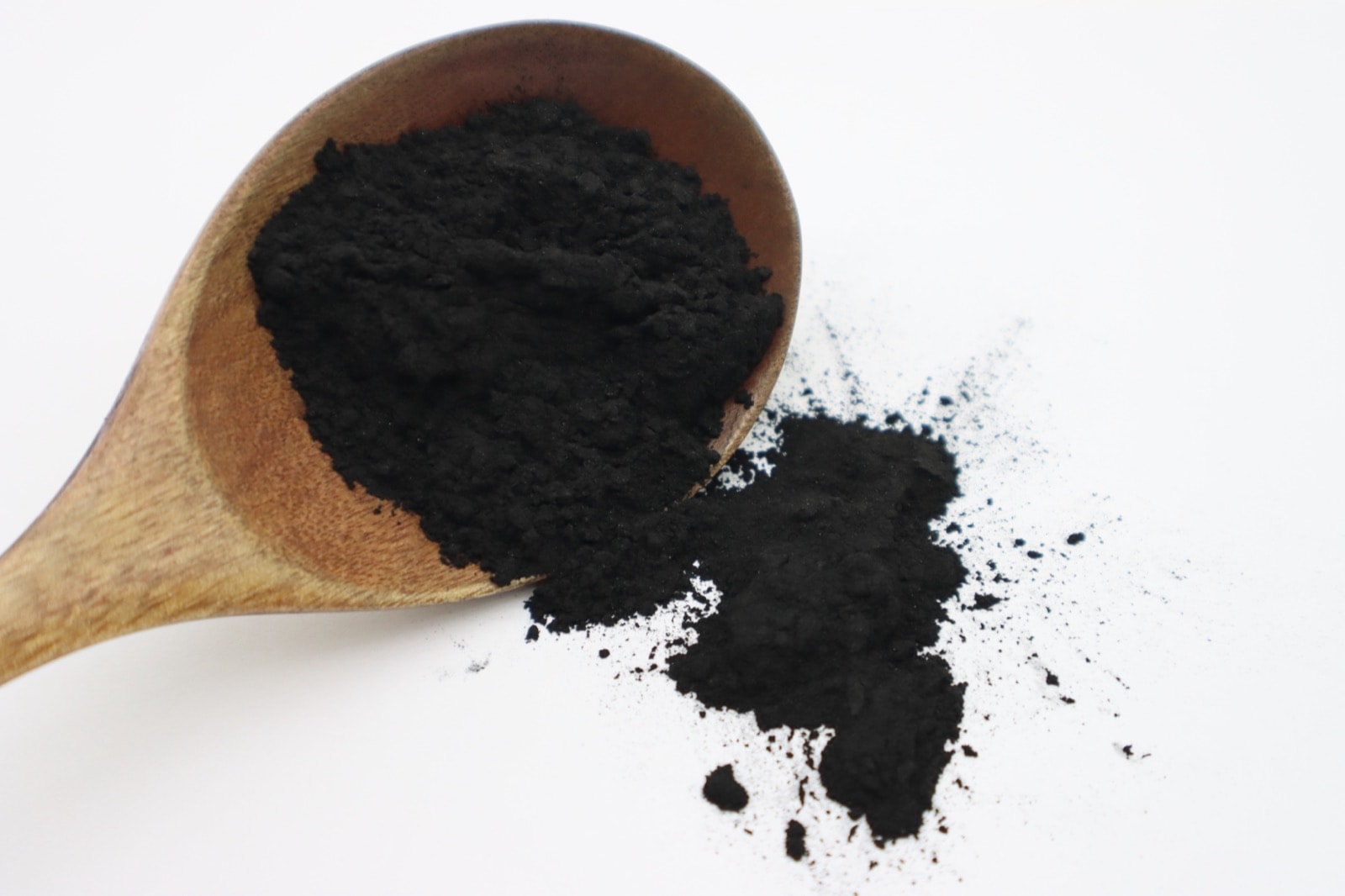
Food Industry Inquiry?
All our food-grade products come with certificates of analysis and food safety documentation.
Request Food Grade QuoteFood & Beverage Carbon — Complete Guide
Standards Guide
Food Grade Activated Carbon: Safety, Standards & Selection
FCC, USP, EU and Halal/Kosher compliance — what food-grade carbon must meet.
Process Guide
Sugar Decolorization Carbon: 95%+ Color Removal
Powdered carbon dosing, methylene blue value and decolorization performance for sugar refineries.
Process Guide
Activated Carbon for Edible Oil Refining
Pigment and contaminant removal in oil bleaching — carbon selection and dosage.
Application
Activated Carbon for Spirits & Alcohol Filtration
Vodka, rum and neutral spirit polishing — carbon grades and filtration setup.
Compliance Guide
Activated Carbon for Bottled Water Production
Chlorine, taste and odor removal for bottled and beverage-grade water.
Sourcing
CPL Activated Carbons Alternative for Food & Pharma
Factory-direct alternative to premium brands for food and pharmaceutical decolorization.