
If you refine palm oil, soybean oil, rapeseed, sunflower, or any other vegetable oil — you probably already use bleaching earth. But clay alone can't get you to export-grade color or EU PAH limits. That's where activated carbon comes in.
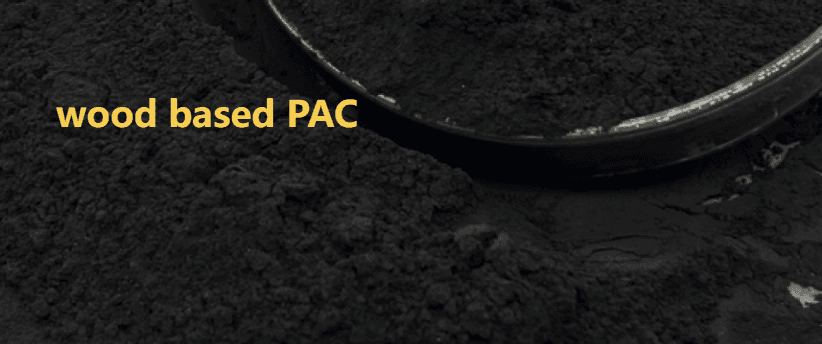
We've been making wood-based powdered activated carbon for edible oil refineries since 2009. Our PAC goes to palm oil mills in Indonesia and Malaysia, soybean crushers in Argentina, and rapeseed plants in Europe. Below is everything a procurement manager needs to know — specs, dosage, pricing, and how to test before ordering in bulk.
Quick Reference: Carbon Specs by Oil Type
| Oil Type | Carbon Type | Dosage | Key Spec | Price Range |
|---|---|---|---|---|
| Palm oil (CPO → RBD) | Wood PAC, 200 mesh | 0.1–0.5% | MB ≥150, Ash <5% | $900–1,200/t |
| Soybean oil | Wood PAC, 200 mesh | 0.05–0.3% | MB ≥120, pH 3–5 | $850–1,100/t |
| Rapeseed / Canola | Wood PAC, 325 mesh | 0.05–0.2% | MB ≥150, Iodine 900+ | $950–1,200/t |
| Sunflower oil | Wood PAC, 200 mesh | 0.05–0.3% | MB ≥120, low Fe | $850–1,100/t |
| Coconut oil | Coconut PAC, 200 mesh | 0.1–0.3% | Iodine 1000+, Ash <3% | $1,200–1,500/t |
| Used cooking oil (UCO) | Wood PAC, 200 mesh | 2–5% | MB ≥180, high mesopore | $800–1,000/t |
Prices are FOB China port, 2026 Q2. Actual cost depends on order volume, specs, and destination. MOQ: 5 tons for trial, 20 tons for regular orders.
How Activated Carbon Works in Edible Oil Refining
Activated carbon enters the picture during the bleaching stage of oil refining. The crude oil — whether it's palm, soy, or rapeseed — goes through degumming, neutralization, then bleaching. In the bleaching vessel, you add bleaching earth (acid-activated bentonite) plus a small dose of activated carbon.
The clay does the heavy lifting on pigments (carotenoids, chlorophyll). The activated carbon handles what clay can't:
- Residual color — trace pigments that survive clay treatment
- PAHs (polycyclic aromatic hydrocarbons) — carcinogens regulated by EU, CODEX, and most importing countries
- Off-flavors and odors — volatile organics that affect taste
- Residual pesticides — especially in non-organic feedstocks
- 3-MCPD precursors — reducing formation of process contaminants
A typical refinery uses 0.1–0.5% activated carbon (by oil weight) mixed with 1–3% bleaching earth. Contact time is 20–40 minutes at 90–110°C under vacuum. The spent carbon and earth are filtered out together.
Types of Activated Carbon for Edible Oil — Which One to Use
Not all activated carbon works for oil. You need powdered form (granular won't mix properly with oil), and the raw material matters for performance and food safety.
| Type | Raw Material | Pros | Cons | Best For |
|---|---|---|---|---|
| Wood-based PAC | Sawdust, wood chips | High mesopore, excellent decolorization, low ash | Slightly lower hardness (irrelevant for PAC) | All edible oils — industry standard |
| Coconut shell PAC | Coconut shell | Very low ash (<2%), high iodine | More micropore than mesopore, 30% pricier | Premium coconut oil, olive oil |
| Coal-based PAC | Bituminous coal | Cheapest option | High ash (8–15%), may contain heavy metals, NOT food-safe | NOT recommended for food-grade oil |
Bottom line: wood-based PAC is the industry standard for edible oil. It has the right pore structure (mesopores for large color molecules), low ash (no mineral contamination), and meets food-grade safety standards (JECFA, FCC, E153). If you're processing premium oils for export, coconut shell PAC is an option. Coal-based? Skip it for food.
Key Specifications — What to Put in Your Purchase Order
When you send an RFQ to suppliers, these are the specs that actually matter for oil decolorization performance:
| Parameter | Typical Range | Why It Matters |
|---|---|---|
| Methylene Blue (MB) | ≥150 mg/g (premium: ≥180) | Measures mesopore volume — directly correlates with color removal in oil |
| Iodine Number | ≥900 mg/g | General adsorption capacity indicator |
| Particle Size | 200 mesh (75μm) or 325 mesh (45μm) | Finer = faster adsorption, but harder to filter |
| Ash Content | <5% (food grade: <3%) | High ash = mineral contamination in your oil |
| Moisture | <10% | Excess moisture = you're paying for water |
| pH | 3–5 (acid-washed) or 6–8 | Acid-washed preferred for oil — lower mineral leaching |
| Heavy Metals | Pb <2 ppm, As <1 ppm, Hg <0.1 ppm | Must comply with food safety regulations |
| PAH Content (in carbon) | BaP <0.005 mg/kg | Carbon itself must not introduce PAHs into oil |
The most critical spec for oil is Methylene Blue, not Iodine Number. Many buyers focus on iodine value out of habit. But iodine measures micropores (small molecules), while color bodies in oil are large molecules that need mesopores. MB value directly predicts decolorization performance.
We test every batch for MB, iodine, ash, moisture, pH, and heavy metals. COA included with every shipment.
Need activated carbon?
Get Factory-Direct Pricing — No Middlemen
20+ years manufacturing. MOQ 1 ton. Free samples. Reply within 2 hours.
Dosage Guide by Oil Type
Dosage varies a lot depending on crude oil quality, target specs, and whether you're using carbon alone or combined with bleaching earth. Here are practical ranges based on our customers' actual usage:
| Oil | AC Dosage (% of oil) | Temperature | Contact Time | Notes |
|---|---|---|---|---|
| Crude palm oil (CPO) | 0.1–0.5% | 95–110°C | 20–30 min | Combined with 1–2% bleaching earth |
| Soybean oil | 0.05–0.3% | 90–105°C | 20–30 min | Lower color = less carbon needed |
| Rapeseed / Canola | 0.05–0.2% | 90–100°C | 15–25 min | Mainly for chlorophyll & PAH |
| Sunflower oil | 0.05–0.3% | 90–105°C | 20–30 min | Wax removal stage may also need AC |
| Coconut oil (VCO) | 0.1–0.3% | 70–90°C | 20–30 min | Lower temp — coconut oil has low smoke point |
| Used cooking oil (UCO) | 2–5% | 80–100°C | 30–60 min | Heavy contamination — for biodiesel feedstock |
Key factors that affect dosage:
- Initial crude oil quality — higher FFA and color = more carbon
- Target color grade — export-grade RBD needs more polishing
- Bleaching earth ratio — more clay = less carbon needed (but clay has oil retention losses)
- PAH compliance requirement — EU export needs tighter control
- Batch vs. continuous process — continuous uses slightly less per ton
We always recommend a jar test before committing to bulk orders. Send us 1-2L of your crude oil, and we'll run bleaching tests at different dosages and report back with optimal specs and cost per ton of oil processed.
PAH Removal — Critical for EU Export
This is where activated carbon becomes non-optional. EU Regulation 2023/915 sets maximum levels for PAHs in edible oils:
- Benzo[a]pyrene (BaP): 2.0 μg/kg max
- Sum of 4 PAHs (BaP + BaA + BbF + CHR): 10.0 μg/kg max
Crude palm oil from Southeast Asia often contains 5–50 μg/kg total PAH4 due to smoke drying of palm fruits. Bleaching earth alone removes 30–60% of PAHs. To reliably hit EU limits, you need activated carbon.
Based on our testing and customer feedback:
- 0.1% PAC dosage → removes 60–80% of PAH4 in most vegetable oils
- 0.2% PAC dosage → removes 80–95% of PAH4
- 0.5% PAC dosage → removes >95% (for heavily contaminated CPO)
The key is using activated carbon with high mesopore volume (MB ≥150) and proper contact time. PAH molecules are large (4–6 ring structures, MW 228–278) and need mesopores to be adsorbed effectively. Our oil-grade PAC is specifically activated to maximize mesopore ratio.
For refineries exporting to Europe, we can provide test reports showing PAH removal efficiency with our carbon on your specific oil. We also test our carbon itself for PAH content — it must not introduce contamination (our BaP is <0.005 mg/kg in carbon).
Pricing, MOQ & Logistics
Transparent pricing — because nobody likes playing email ping-pong for a quote.
| Item | Details |
|---|---|
| Price range (FOB) | $800–1,500/ton depending on specs and volume |
| Trial MOQ | 5 tons (can mix with other grades) |
| Regular MOQ | 20 tons (1×20GP container) |
| Packaging | 25 kg PP bags on pallets, or 500 kg jumbo bags |
| Lead time | 7–15 days production + shipping time |
| Payment | T/T 30% deposit + 70% before shipping, or L/C at sight |
| Shipping | 5–12 days to SE Asia, 25–35 days to Europe/Americas |
| Certifications | ISO 9001, HALAL, KOSHER, Food-grade COA per batch |
Volume discount: orders above 100 tons/year get 5–10% off. Annual contract pricing available for consistent offtake. We supply several palm oil refineries in Indonesia on quarterly contracts of 40–60 tons each.
How to Test Before Ordering — Lab Bleaching Protocol
Never commit to 20 tons without testing first. Here's the simple jar test we recommend to our customers:
- Heat 200 mL crude oil to your bleaching temperature (90–110°C) under vacuum or nitrogen
- Add activated carbon at test dosages: 0.1%, 0.2%, 0.3%, 0.5% (by weight of oil)
- Stir for 20–30 minutes at constant temperature
- Filter through Whatman No. 42 paper
- Measure color (Lovibond tintometer), PAH (GC-MS), and free fatty acid if relevant
- Compare results to find optimal cost-performance point
We provide free 5 kg samples for testing. Ship us 2L of your crude oil, and we'll run the test in our lab and send you the results with recommended specs and dosage. Takes about 5 working days.
Why Wood-Based PAC Dominates Edible Oil
Our customers sometimes ask: "Why not use the cheapercoal-based carbon?" Three reasons:
- Pore structure — Wood activation (phosphoric acid process) creates mesopores (2–50 nm) that match the size of color molecules in oil. Coal-based steam activation creates mostly micropores (<2 nm) — great for water treatment, poor for oil.
- Ash content — Wood PAC: 2–5% ash. Coal PAC: 8–15% ash. In oil refining, high ash means minerals leaching into your product. Not acceptable for food grade.
- Food safety — Wood-based carbon meets JECFA, FCC, E153 standards. Coal-based carbon often fails heavy metal limits. No serious refinery risks food safety compliance to save $100/ton.
For a detailed comparison of carbon types and their certifications, see our food-grade activated carbon guide.
The chemistry is similar to sugar decolorization — both applications need high MB value and mesopore volume. If you're sourcing carbon for both oil and sugar refining, the same grade often works for both.
Frequently Asked Questions
What is the difference between bleaching earth and activated carbon for edible oil?
Bleaching earth (bentonite clay) removes pigments through surface adsorption and is used at 0.5–3% dosage. Activated carbon targets residual color, PAHs, and off-flavors that clay cannot remove. Most refineries use both: bleaching earth as the primary decolorant (cheaper, higher capacity for pigments) and activated carbon as a polishing step (0.1–0.5%) for final color and PAH compliance. Carbon alone would be too expensive for bulk decolorization.
How much activated carbon per ton of palm oil?
Typical dosage is 1–5 kg of PAC per ton of crude palm oil (0.1–0.5% by weight), applied during the bleaching stage at 90–110°C for 20–30 minutes. Exact dosage depends on initial color (Red value), target color grade, and whether you are producing RBD palm oil or premium cooking oil. Jar testing with your specific crude oil is essential — we provide free samples for testing.
Can activated carbon remove aflatoxin from edible oil?
Yes. Powdered activated carbon can reduce aflatoxin B1 levels by 50–90% in vegetable oils, depending on dosage, contact time, and carbon specifications. For aflatoxin removal, use PAC with high mesopore volume (methylene blue >150 mg/g) at 0.5–2% dosage and 30+ minutes contact time at 80°C. However, prevention at the raw material stage is always preferred over post-refining removal.
Need PAC for Your Refinery?
Tell us your oil type, current bleaching process, and target color/PAH specs. We'll recommend the right grade and send free samples for your lab test. No minimum for samples — just ship us some crude oil and we'll do the work.