
Sugar decolorization is one of the largest industrial applications for activated carbon worldwide. Every sugar refinery that produces white sugar — whether from cane or beet — needs some form of color removal, and activated carbon is the workhorse technology for most of them.
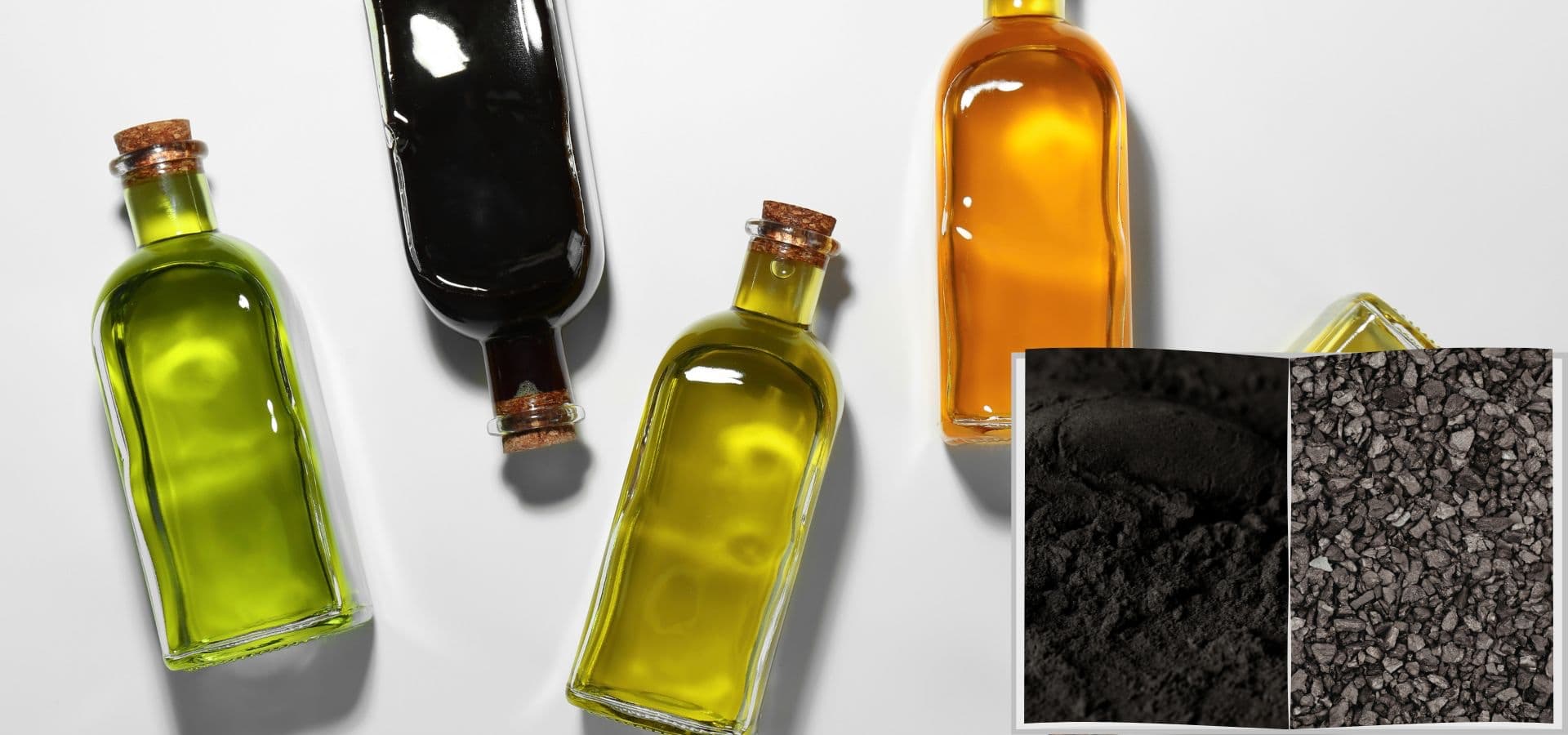
The carbon used in sugar refining is almost always wood-based powdered activated carbon (PAC), activated with phosphoric acid. This isn't arbitrary — the chemistry and pore structure of wood-based PAC make it uniquely suited to removing the large color molecules found in sugar liquors. Using the wrong type of carbon here isn't just inefficient; it can contaminate the product and fail food safety standards.
Why Wood-Based PAC for Sugar? The Science
Sugar color compounds — melanoidins, caramels, polyphenols, and Maillard reaction products — are large molecules, typically in the range of 500–50,000 daltons. To adsorb these molecules effectively, you need activated carbon with a well-developed mesopore and macropore structure. This is exactly what wood-based carbon provides.
Pore Structure Comparison for Sugar Applications
The activation method matters too. Phosphoric acid activation (chemical activation) produces a different pore structure than steam activation (physical activation). For sugar decolorization, phosphoric acid-activated wood carbon consistently outperforms steam-activated wood carbon — it develops more mesopores and has lower pH, which is preferable in acidic sugar processing environments.
Need activated carbon?
Get Factory-Direct Pricing — No Middlemen
20+ years manufacturing. MOQ 1 ton. Free samples. Reply within 2 hours.
Key Specifications for Sugar-Grade Carbon
When you spec activated carbon for sugar decolorization, these are the parameters that actually matter — and what values to target:
| Parameter | Test Method | Standard Grade | Premium Grade |
|---|---|---|---|
| Methylene Blue Value | GB/T 12496.10 | ≥ 150 mL/g | ≥ 200 mL/g |
| Caramel Decolorization | GB/T 12496.11 | ≥ 100% | ≥ 120% |
| Iodine Number | GB/T 12496.8 | ≥ 800 mg/g | ≥ 1000 mg/g |
| pH | GB/T 12496.7 | 3.0–5.0 | 3.5–5.0 |
| Ash Content | GB/T 12496.3 | ≤ 5% | ≤ 3% |
| Moisture | GB/T 12496.6 | ≤ 10% | ≤ 8% |
| Particle Size (pass 325 mesh) | GB/T 12496.2 | ≥ 90% | ≥ 95% |
| Heavy Metals (as Pb) | GB/T 12496.22 | ≤ 10 mg/kg | ≤ 5 mg/kg |
Why Methylene Blue, Not Iodine?
Methylene blue (MB) is a large molecule (molecular weight 320 g/mol) that serves as a proxy for the large color molecules in sugar. A high MB value directly correlates with decolorization performance. Iodine number measures micropore volume, which is less relevant for sugar applications. A carbon with iodine 1200 but MB 120 will perform worse than one with iodine 900 but MB 200 in sugar decolorization. Always prioritize MB value when evaluating candidates. See our iodine number guide for a full breakdown of what this metric measures and when it matters.
Get Wood-Based PAC for Your Refinery
Tell us your ICUMSA target, syrup Brix, and volume — we'll recommend the right grade and send a factory-direct quote.
Dosing Rates and Contact Time
Dosing depends on the incoming color of your sugar liquor, your target color specification, and the quality of the carbon. Here's what we typically see across our refinery clients:
| Sugar Type | Incoming Color (IU) | Target Color (IU) | Typical Dose |
|---|---|---|---|
| Raw Cane Sugar Liquor | 800–2,000 | < 150 | 0.1–0.3% w/w on dry solids |
| Partially Refined Sugar | 300–800 | < 60 | 0.05–0.15% w/w on dry solids |
| Beet Sugar Liquor | 200–600 | < 45 | 0.03–0.10% w/w on dry solids |
| High-Purity Liquid Sugar | 100–400 | < 25 | 0.02–0.08% w/w on dry solids |
These are starting points. Actual dosing should be determined by jar tests with your specific sugar liquor and carbon candidate. We provide free jar testing kits to refineries evaluating our products — you get results in your own lab with your own material.
Contact Time & Temperature
Process Integration: Where Carbon Fits in the Refinery
In a typical sugar refinery, activated carbon treatment sits after affination and before crystallization. The most common process flow:
Melting & Affination
Raw sugar is dissolved in hot water (60–65° Brix) and surface impurities are washed away.
Liming & Carbonation (or Phosphatation)
Calcium hydroxide is added to precipitate impurities, followed by CO₂ or phosphoric acid for clarification.
Activated Carbon Treatment
PAC is added to the clarified liquor in a mixing tank with agitation. After 20–45 minutes of contact, the carbon is removed by filtration (typically rotary vacuum filters or filter presses).
Ion Exchange (Optional)
Some refineries use ion exchange resin after carbon treatment for additional color removal and ash reduction. This reduces the carbon dosing requirement.
Evaporation & Crystallization
The decolorized liquor is concentrated and crystallized to produce white refined sugar.
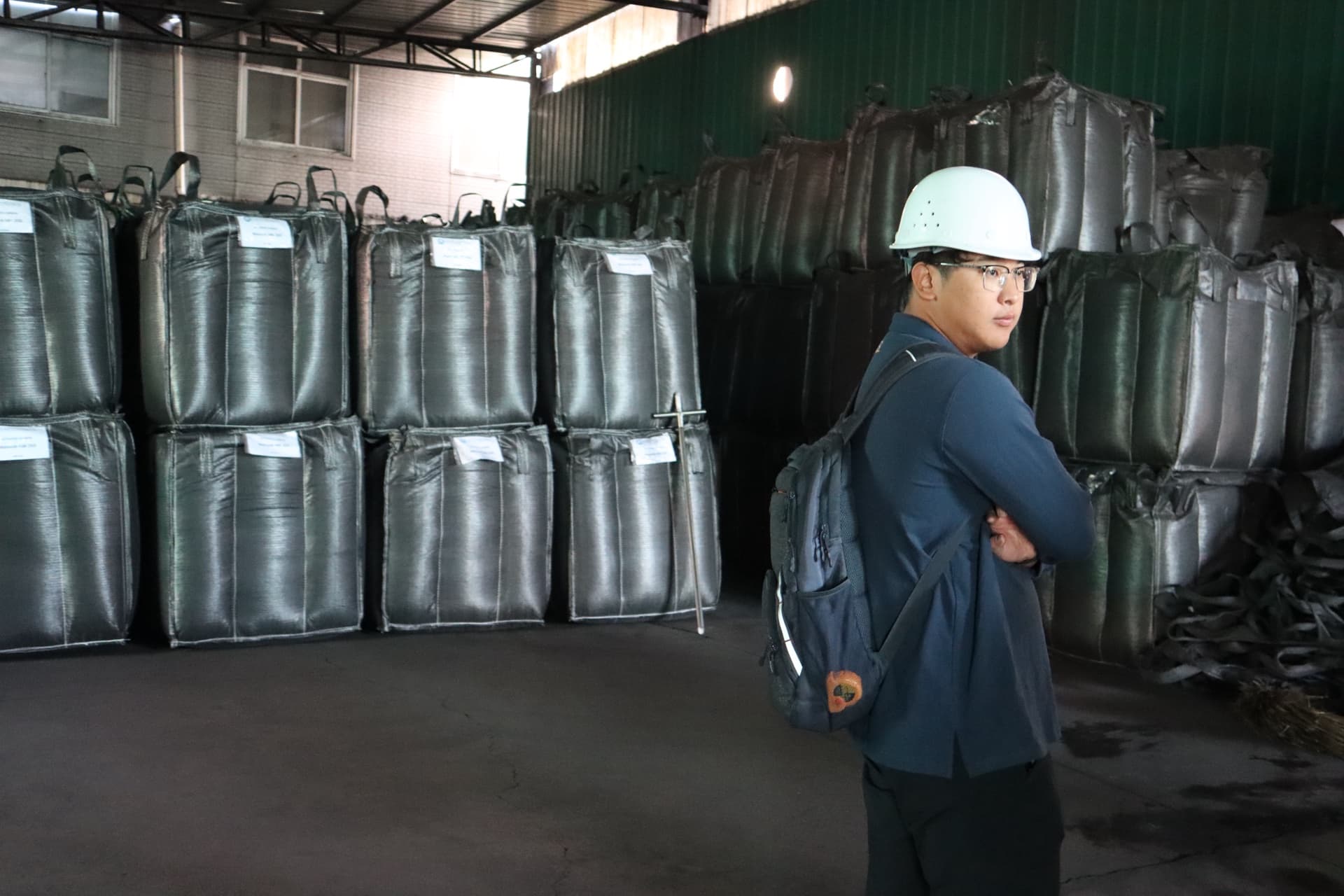
Case Study: Cane Sugar Refinery in Southeast Asia
A 2,000 ton/day cane sugar refinery in Thailand was using a locally-sourced wood-based PAC with methylene blue value of 130 mL/g. Their carbon consumption was 0.25% on dry solids, and they were struggling to consistently hit their ICUMSA 45 target on the refined product.
We supplied our premium-grade wood-based PAC (MB 200 mL/g, caramel decolorization 120%) for a 3-month trial. Results:
| Metric | Previous Carbon | Our Carbon |
|---|---|---|
| Methylene Blue Value | 130 mL/g | 200 mL/g |
| Dosing Rate | 0.25% on dry solids | 0.15% on dry solids |
| Monthly Carbon Usage | ~120 tons | ~72 tons |
| ICUMSA Target Hit Rate | 82% | 97% |
| Net Cost Savings | — | ~18% reduction in total carbon cost |
Despite our product costing about 20% more per ton, the 40% reduction in dosing rate resulted in an 18% net cost saving — a pattern consistent with what we cover in our activated carbon price guide. More importantly, the consistent ICUMSA results eliminated the reprocessing batches that were costing the refinery significant lost production time.
Common Mistakes in Sugar Carbon Selection
Mistake #1: Selecting on iodine number alone
Iodine number measures micropore volume. Sugar color molecules are too large to fit in micropores. A carbon with 1200 iodine but low methylene blue will underperform a 900 iodine carbon with high methylene blue. Always prioritize MB and caramel decolorization values.
Mistake #2: Using coal-based or coconut shell carbon
We've seen refineries try coal-based PAC because it's cheaper per ton. The result: 2–3× higher dosing rates, inconsistent color removal, and potential mineral contamination from the higher ash content. The per-ton saving disappears immediately.
Mistake #3: Insufficient contact time
Rushing the carbon contact stage to increase throughput dramatically reduces decolorization efficiency. The relationship between contact time and color removal is not linear — going from 30 to 20 minutes can cut performance by 30–40%, requiring proportionally more carbon.
Mistake #4: No jar testing before full-scale use
Every sugar source is different — color compound composition varies with cane variety, growing season, processing history. A carbon that works perfectly for one refinery may need a completely different dosing rate for another. Always jar-test with your actual liquor before committing to a full order. Our guide on how to choose an activated carbon supplier covers what to ask for during this evaluation phase.
Food Safety Considerations
Since the activated carbon contacts the sugar directly, food safety is critical. The carbon must meet food-grade standards in the relevant market:
Bottom Line
Sugar decolorization is a specialized application that demands specialized carbon. Wood-based phosphoric acid-activated PAC is the right choice for essentially every sugar refinery — the only question is which grade and at what dosing rate.
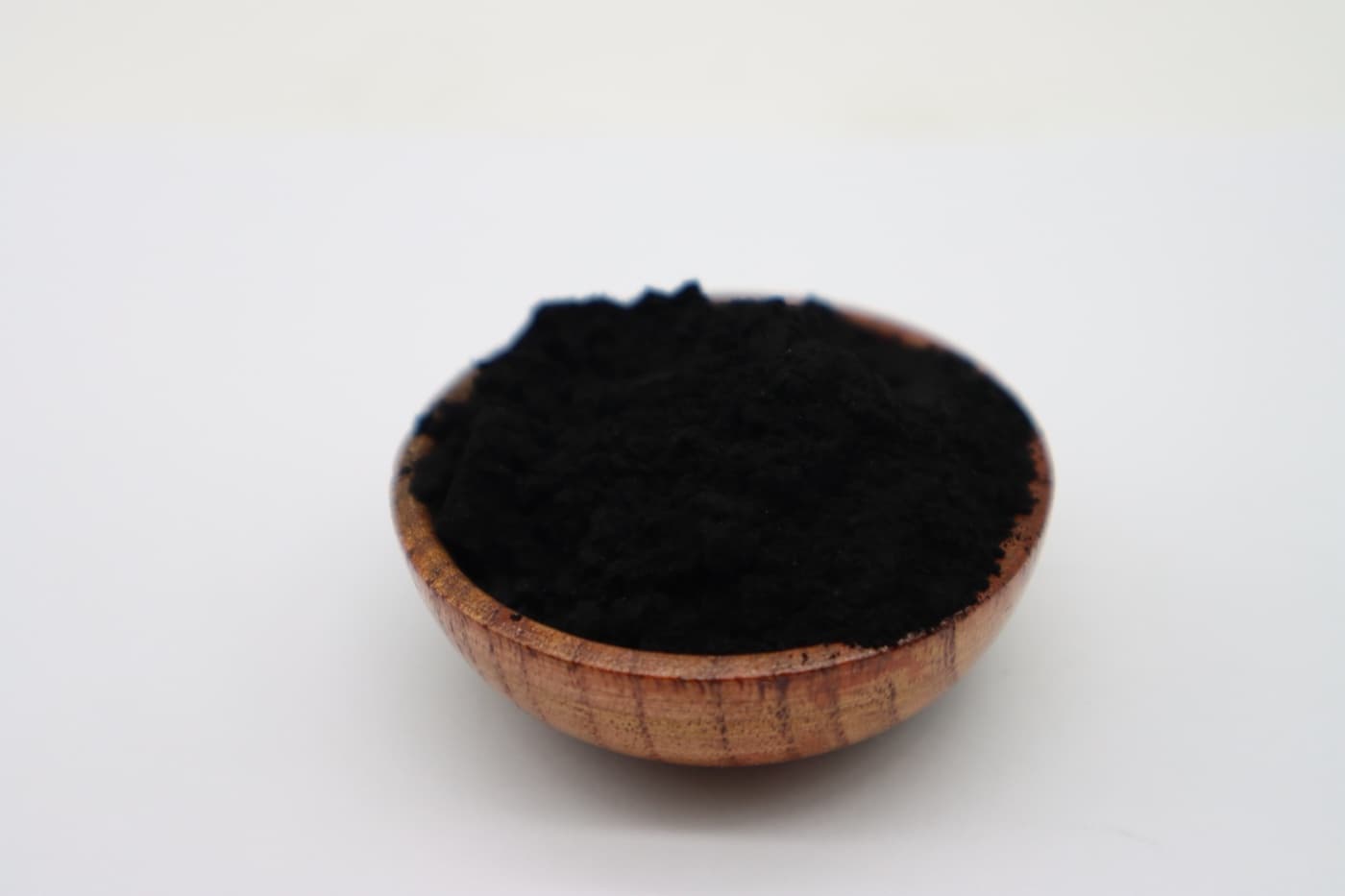
If you're a refinery looking to optimize your carbon program or evaluate alternatives, we can supply trial quantities with full technical support including jar testing protocols and dosing optimization. Our wood-based PAC is produced specifically for the food and beverage industry, with halal certification and full food safety documentation.
Frequently Asked Questions
What type of activated carbon is best for sugar decolorization?
Wood-based powdered activated carbon (PAC) is preferred due to its high mesopore volume, which efficiently adsorbs large color molecules (MW 300–10,000 Da). Look for methylene blue adsorption >180 mg/g, indicating sufficient mesopore capacity for sugar syrups.
How much activated carbon is needed per ton of sugar?
Typical dosage is 0.5–2.0% by weight of sugar solids for raw sugar decolorization. For white sugar refining, 0.1–0.5% is usually sufficient. Exact dose depends on initial ICUMSA color, target color, syrup concentration, and contact time. Jar testing is essential.
Can activated carbon be reused in sugar processing?
Powdered carbon is typically single-use, disposed after filtration. Granular carbon in continuous columns can be thermally regenerated. Some refineries use bone char or ion-exchange resins as regenerable alternatives, though PAC remains preferred for batch processing.
What is the difference between activated carbon and bone char for sugar?
Activated carbon excels at removing color through adsorption. Bone char removes color, ash, and inorganic impurities through adsorption and ion exchange. Many modern refineries prefer activated carbon for higher efficiency per unit weight and no animal-derived materials.
At what temperature should activated carbon be applied in sugar processing?
Optimal decolorization occurs at 60–80°C. Higher temperatures reduce viscosity but can reduce adsorption capacity. The solution should be at 60–65 Brix concentration. Contact time of 30–60 minutes with gentle agitation is recommended for batch PAC treatment.
Need Sugar-Grade Activated Carbon?
Request a sample with full COA and food safety documentation. We'll include a jar testing protocol tailored to your process.
Request a Sample & Technical Data