
Choosing the wrong activated carbon supplier costs you more than just the price difference. It costs you time spent dealing with quality issues, shipment delays, product that doesn't perform to spec, and the downstream headaches of explaining to your own customers why your process isn't working.
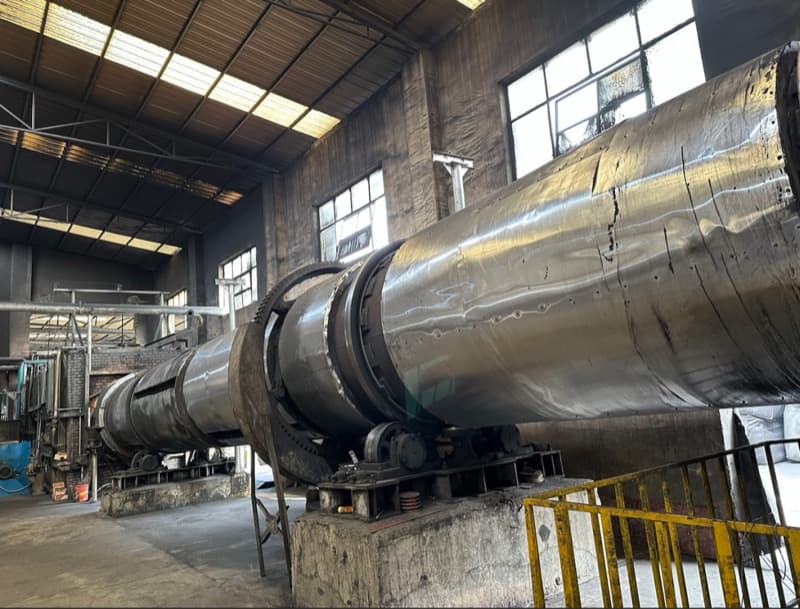
We've been on both sides — as a manufacturer fielding buyer inquiries, and as a buyer sourcing raw materials for our own production. The questions below are the ones that actually separate reliable suppliers from problematic ones. Some are obvious. Some are the ones nobody asks until they've been burned once.
1. Are You a Manufacturer or a Trader?
This is the most important question and the one most buyers skip. China alone has thousands of companies listing “activated carbon” on Alibaba or Made-in-China. Fewer than 200 of them actually operate factories. The rest are trading companies who buy from those factories and resell at markup.
Trading companies aren't inherently bad — a good trader with strong factory relationships can add value through quality control, logistics management, and multi-product consolidation. But you should know what you're paying for. A trader's markup is typically 10–25% on top of factory-gate price.
How to verify:
- →Ask for factory photos and videos showing production lines, not just warehouse shots
- →Request the business license (营业执照) — it will state the company's registered scope of operations
- →Ask about production capacity in tons/month — a manufacturer will answer precisely, a trader will be vague
- →Arrange a factory visit (or a virtual tour) — this settles the question instantly
Need activated carbon?
Get Factory-Direct Pricing — No Middlemen
20+ years manufacturing. MOQ 1 ton. Free samples. Reply within 2 hours.
2. What Certifications Do You Hold?
Certifications are the minimum barrier to entry for serious buyers. The specific certifications you need depend on your application and market, but here are the most common ones and what they actually mean:
| Certification | What It Covers | When You Need It |
|---|---|---|
| ISO 9001 | Quality management system | Always — this is table stakes |
| ISO 14001 | Environmental management | If your company has ESG/sustainability requirements |
| NSF/ANSI 61 | Drinking water treatment chemicals | Required for US/Canada municipal drinking water |
| AWWA B604 | Granular activated carbon for water treatment | US water treatment standard specification |
| EN 12915 | Activated carbon for drinking water (EU) | European drinking water market |
| Halal / Kosher | Religious dietary compliance | Food/beverage processing, sugar refining |
| REACH | EU chemical regulation registration | Selling to or using in the EU market |
Ask for copies of certificates and verify them independently. ISO certificates can be verified on the certification body's website. NSF listings can be checked at nsf.org/certified-products-systems. If a supplier can't produce certificates within 24 hours of asking, they probably don't have them. For a full breakdown of what each certification means and which ones your application requires, see our activated carbon certification guide.
3. Can You Provide Third-Party Lab Reports?
Every supplier will give you a factory COA (Certificate of Analysis). But factory COAs are self-reported — the supplier is testing their own product and reporting results they control. For critical applications, you need independent verification. Our quality testing methods guide explains exactly which tests matter and how to interpret the results.
Ask for recent test reports from SGS, Intertek, Bureau Veritas, or an equivalent accredited laboratory. A good supplier will have these on file for standard products. For custom orders, they should be willing to arrange third-party testing at your expense (or theirs, for large orders).
Key parameters to verify independently:
4. Can I Visit Your Factory?
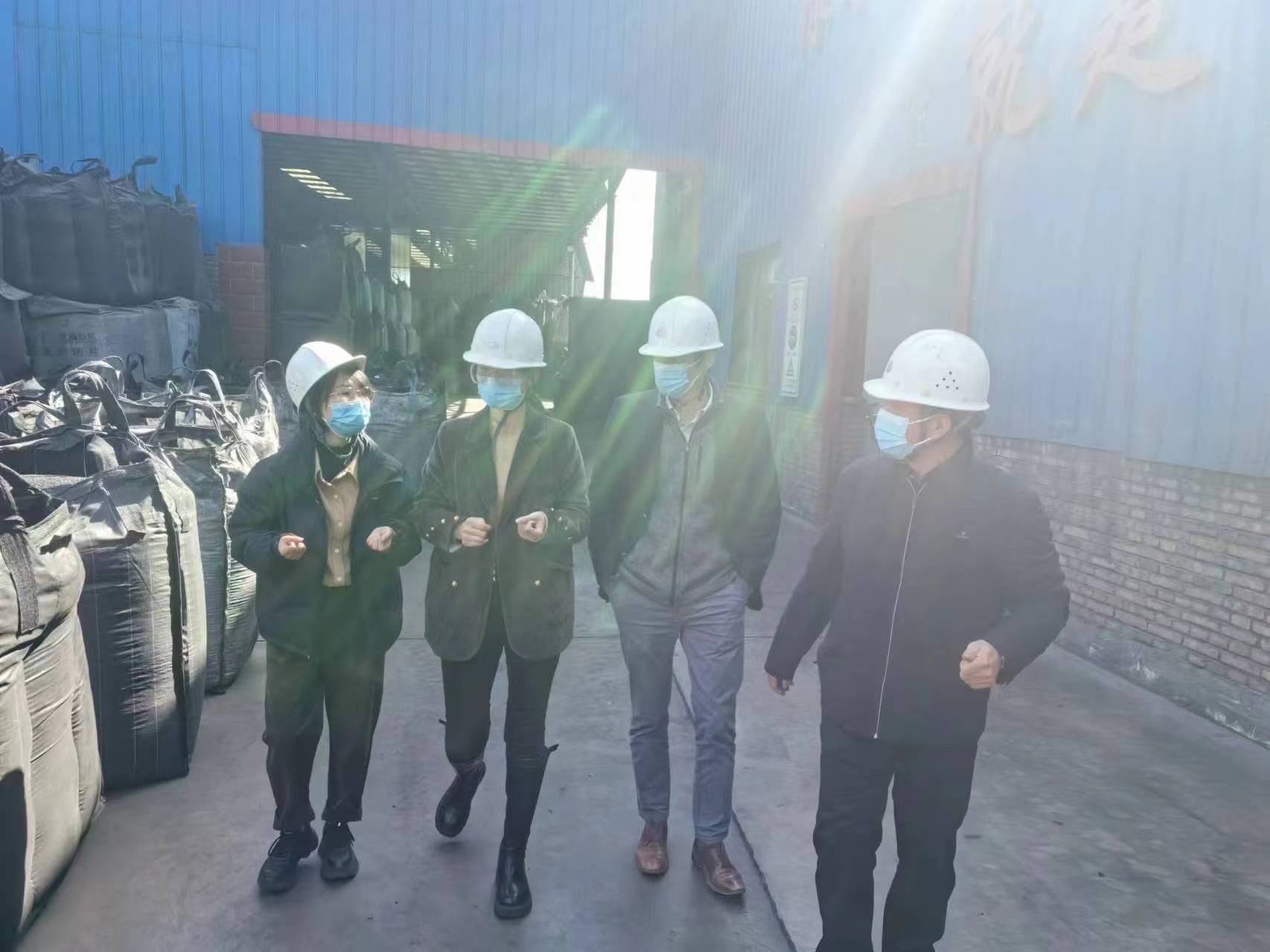
A factory visit is the single most effective due diligence step. In 30 minutes on a factory floor, you can learn more about a supplier's capabilities, quality control, and professionalism than months of email exchanges.
What to observe during a factory visit:
Production capacity vs. claims
Count the kilns/furnaces and estimate capacity. A rotary kiln line typically produces 2,000–5,000 tons/year depending on size. If they claim 30,000 tons/year capacity, you should see at least 6–10 kiln lines.
Raw material storage
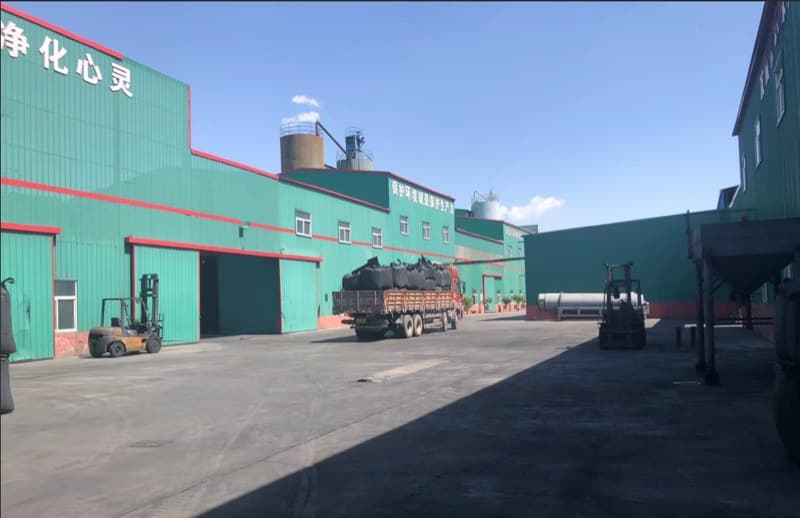
Large stockpiles of coconut shell charcoal or coal indicate a manufacturer. If the “factory” only has a small warehouse with bags of finished product, it's likely a repacking operation.
QC laboratory
Look for in-house testing equipment: iodine titration setup, sieve shaker, moisture analyzer, pH meter, hardness tester. A manufacturer that tests every batch will have a functioning lab — not a pristine unused one.
Environmental controls
Activated carbon production generates dust and emissions. Modern factories have dust collection systems, scrubbers, and wastewater treatment. Absence of these is a regulatory risk for the factory — and your supply chain.
If an in-person visit isn't practical, ask for a live video tour. We do these regularly for international buyers who can't travel to China. A supplier who refuses both in-person and video visits should be disqualified.
5. What Is Your Batch-to-Batch Consistency?
This is the question that separates good suppliers from great ones. Almost any manufacturer can produce a good batch when they know you're testing it. The question is what happens on batch 5, 10, or 50 when attention drifts.
Ask for COAs from the last 5–10 consecutive production batches of the product you're considering. Look at the variance in key parameters. For a well-controlled process, you should see:
If the supplier can't provide consecutive batch COAs or the numbers vary wildly, their process control isn't tight enough for applications where consistency matters.
6. What Is Your Lead Time and Production Schedule?
Lead time has two components: production time and shipping time. For standard products in stock, a good manufacturer can ship within 7–10 days of order confirmation. Custom products or high-spec grades may require 15–30 days of production time.
Ask about:
7. What Are Your Payment Terms?
Payment terms reflect the supplier's confidence in their product and their financial stability. Standard terms in the activated carbon industry:
| Term | Structure | When It's Typical |
|---|---|---|
| T/T 30/70 | 30% deposit, 70% before shipment | First 2–3 orders with a new supplier |
| T/T 30/70 against B/L | 30% deposit, 70% against copy of bill of lading | Established relationship, gives buyer more security |
| L/C at sight | Letter of Credit — bank guarantees payment | Large orders, new relationships, risk-averse buyers |
| Open account (Net 30/60) | Payment after delivery | Long-term partners with strong credit history |
Be cautious of suppliers who demand 100% payment upfront, especially for first orders. A reputable manufacturer has the financial stability to accept standard deposit terms. Conversely, be fair — don't expect Net 60 terms on your first order. Trust is built incrementally.
8. How Do You Handle Quality Claims?
Things go wrong. Even with the best QC, you might receive a shipment that doesn't meet spec due to production variance, handling damage, or moisture pickup during shipping. What matters is how the supplier handles it.
Before placing your first order, ask:
A supplier who gets defensive about quality claims or doesn't have a formal process is a red flag. We retain pre-shipment samples from every batch for 12 months specifically to resolve disputes with objective evidence.
9. What Is Your Shipping and Packaging Capability?
Activated carbon is heavy and hygroscopic. Poor packaging leads to moisture absorption, contamination, bag breakage, and product loss. Ask about:
10. Can You Provide Technical Support?
A good supplier doesn't just sell you carbon — they help you use it effectively. This is especially important if you're designing a new system or switching carbon types for the first time.
Technical support capabilities to ask about:
Supplier Evaluation Scorecard
Here's a simple scoring framework we recommend. Rate each criterion on a 1–5 scale and use the total to compare suppliers objectively:
| Criterion | Weight | What “5” Looks Like |
|---|---|---|
| Product Quality | 25% | Meets all specs, consistent batch-to-batch, third-party verified |
| Manufacturing Capability | 20% | Own factory, adequate capacity, modern equipment |
| Certifications | 15% | Holds all relevant certifications for your market/application |
| Pricing | 15% | Competitive, transparent, no hidden fees |
| Lead Time & Reliability | 10% | Ships on time, communicates proactively about delays |
| Technical Support | 10% | Responsive engineers, sample testing, application guidance |
| Communication | 5% | Responds within 24 hours, clear English, professional documentation |
Bottom Line
Choosing a supplier is an investment decision, not just a purchasing decision. The 10–20 hours you spend on due diligence upfront will save you hundreds of hours dealing with quality issues, logistics problems, and supply disruptions down the road.
We built this guide because we believe informed buyers make better partners. Whether you end up working with us or with a competitor, asking these questions will help you make a decision you won't regret.
Frequently Asked Questions
What should I look for in an activated carbon supplier?
Key factors: consistent product quality with COA documentation, adequate production capacity, relevant certifications (ISO, NSF, food-grade), technical support and application expertise, competitive pricing with transparent terms, reliable delivery track record, and willingness to provide samples and trial orders.
Should I buy from a manufacturer or distributor?
Manufacturers offer lower prices, customization options, and direct quality control. Distributors offer smaller quantities, local inventory, multiple product lines, and easier logistics. For large-volume regular purchases, buy from manufacturers. For small/occasional orders or when you need multiple carbon types, distributors are more practical.
How important is a factory visit before choosing a supplier?
Very important for large or critical applications. A factory visit reveals actual production capability, quality control practices, raw material storage, cleanliness, and management quality. If you can't visit personally, hire a third-party inspection company (SGS, Bureau Veritas, TÜV) to conduct an audit.
What questions should I ask potential suppliers?
Essential questions: What raw materials do you use and where from? What activation method? Show me your QC lab and testing equipment. What certifications do you hold? Can I get references from international customers? What is your production capacity? What are your payment and delivery terms?
How do I evaluate sample quality from multiple suppliers?
Test samples using standardized methods (same lab, same standards). Compare key specs: iodine number, CTC, moisture, ash, hardness, and particle size distribution. Run application-specific tests (jar tests for water treatment, isotherm tests for target contaminants). Evaluate consistency by testing multiple sample batches.
Ready to Evaluate Us as a Supplier?
We welcome due diligence. Request a sample, schedule a factory tour, or ask for our full certification package — we're an open book.
Contact Us for Samples & Certification