
“How much does activated carbon cost?” is one of the first questions every buyer asks — and one of the hardest to answer without context. The price of activated carbon varies by a factor of 3× or more depending on raw material, particle size, activation method, quality specs, and order volume.
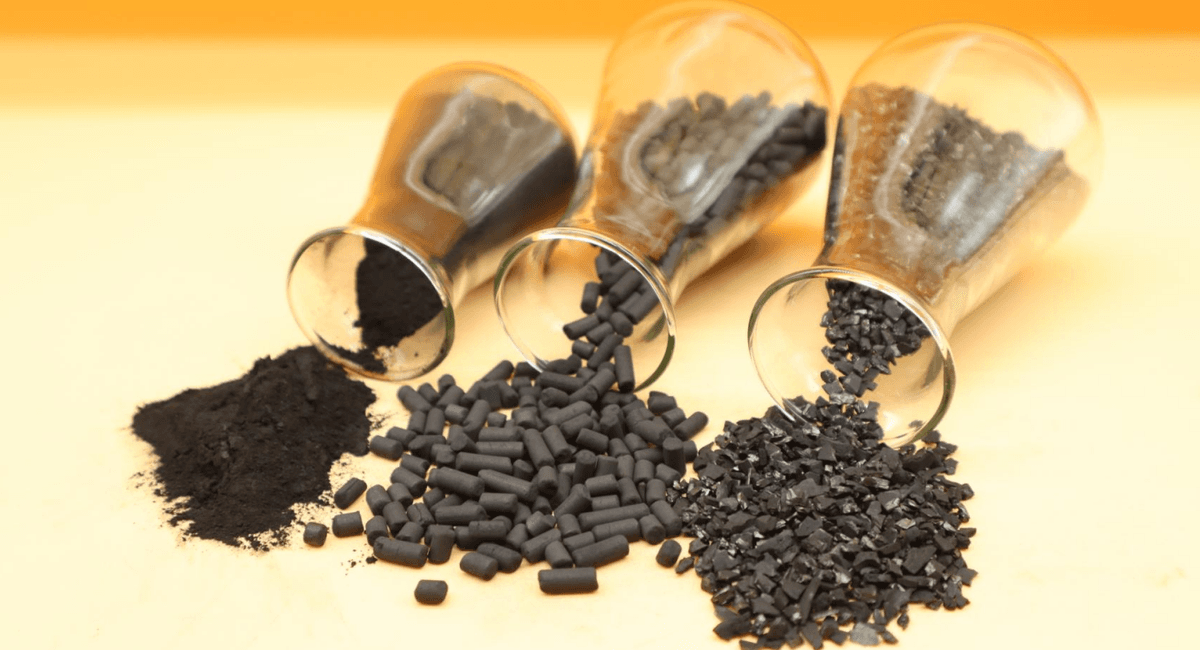
This guide gives you real market pricing as of Q1 2026, sourced from our own ex-factory pricing and what we see in competitive bids across global markets. These are FOB China prices unless otherwise noted. Your landed cost will vary based on shipping route, duty rates, and whether you're buying FOB or CIF. As a direct activated carbon supplier and manufacturer, we publish these numbers to help buyers benchmark quotes from any source. For bulk orders, see our wholesale pricing guide.
One caveat: activated carbon isn't a commodity with a single market price. Two products that both say “coconut shell GAC, 8×30 mesh, 1050 iodine” can differ by $300/ton depending on quality consistency, hardness, ash content, and the manufacturer's cost structure. Cheap carbon is often expensive carbon once you factor in shorter service life, higher replacement frequency, and customer complaints. Learn how to test activated carbon quality before you commit to a supplier.
2026 Activated Carbon Price Ranges by Type
The table below reflects typical FOB China prices for standard commercial grades. Premium grades (acid-washed, silver-impregnated, food-grade certified) carry a 15–40% premium on top of these base prices.
| Raw Material | Form | Iodine Range | FOB Price (USD/ton) |
|---|---|---|---|
| Coconut Shell | Granular (GAC) | 900–1200 mg/g | $2,900–$4,500 |
| Coal-Based | Granular (GAC) | 800–1100 mg/g | $450–$1,550 |
| Powdered (PAC) | 600–900 mg/g | $375–$950 | |
| Pellet / Columnar (CTC type) | CTC 50–80% | $1,000–$3,950 | |
| Wood-Based | Powdered (PAC) | 800–1050 mg/g | $590–$3,700 |
| Granular (GAC) | 900–1100 mg/g | $1,000–$1,700 |
Why such wide ranges?
The low end typically represents standard-grade product with minimum specs, bought in full container loads (20+ tons). The high end reflects premium grades — high iodine number, acid-washed, low ash, food/pharma certified — or smaller order quantities with custom packaging. A 1200 iodine coconut shell GAC with NSF 61 certification will always cost more than a 900 iodine standard grade.
Get Today's Factory Price
Tell us your specs — type, mesh size, quantity — and get a direct factory quote within 2 hours.
Need activated carbon?
Get Factory-Direct Pricing — No Middlemen
20+ years manufacturing. MOQ 1 ton. Free samples. Reply within 2 hours.
Coconut Shell Activated Carbon: $2,900–$4,500/ton
Coconut shell activated carbon commands the highest base price because of the raw material cost and processing yield. Coconut shell charcoal (the feedstock) runs $350–500/ton depending on origin, and you lose roughly 50% of that mass during activation. So before labor, energy, or profit margin, your raw material cost per ton of finished product is already $700–1,000.
The premium is justified. Coconut shell carbon has the highest hardness (95–99%), lowest ash (<3%), and the best micropore development of any raw material. For water treatment, gold recovery, and high-purity applications, nothing else comes close on performance per kilogram. See our full coconut shell activated carbon guide for a deep dive on specs and applications.
Coconut Shell Price Drivers
Coal-Based Activated Carbon: $450–$3,950/ton
Coal-based activated carbon is the workhorse of the industry and accounts for roughly 60% of global production volume. It's cheaper than coconut shell because the raw material (bituminous coal or anthracite) is abundant and the production yield is higher — around 35–40% from raw coal to finished product.
The trade-off is lower hardness (85–95%), higher ash content (8–15%), and a different pore structure — more mesopores, fewer micropores. This makes coal-based carbon ideal for applications where brute capacity matters more than selectivity: municipal water treatment, industrial wastewater, and general-purpose air purification.
Coal-based pellet carbon (extruded cylinders, typically 3mm or 4mm diameter) has its own pricing tier, primarily driven by the CTC (carbon tetrachloride) number rather than iodine number. CTC 60% pellets run $1,000–1,500/ton; CTC 80% pellets are $2,500–3,950/ton. These are almost exclusively used for air purification and solvent recovery.
Wood-Based Activated Carbon: $590–$3,700/ton
Wood-based activated carbon sits between coconut shell and coal on price, but serves a distinctly different market. Its naturally macroporous structure makes it dominant in decolorization applications — sugar refining, MSG production, pharmaceutical purification, and food/beverage processing.
Powdered wood-based carbon (PAC) is the most common form, typically priced at $590–1,500/ton for standard grades. Premium phosphoric-acid activated grades with high methylene blue values (180+ mL/g) can reach $3,700/ton. Granular wood-based carbon is less common and slightly pricier due to the production challenges of making a granular product from wood feedstock.
7 Factors That Affect Your Activated Carbon Price
Raw Material & Origin
Coconut shell charcoal from Indonesia and the Philippines is the most expensive feedstock. Coal from Shanxi and Ningxia provinces in China is the cheapest. Raw material accounts for 40–55% of production cost, so this is the single biggest price lever.
Activation Level (Iodine/CTC/BET)
Higher activation means more burn-off during production, which reduces yield and increases energy cost. Going from 900 to 1200 iodine can reduce production yield by 15–20%. That yield loss gets passed directly to the buyer.
Order Volume
A full 20ft container (18–22 tons depending on product density) gets you the best per-ton pricing. Half-container orders typically add 5–10%. Less-than-container-load (LCL) shipments can add 15–25% when you factor in consolidation fees and longer transit times.
Particle Size & Form
Pellet carbon costs more than granular (extrusion cost), and finer mesh sizes cost more than coarser ones (screening loss). Powdered carbon is usually the cheapest form factor since there's no sizing required — it's ground and packaged.
Post-Treatment (Acid Washing, Impregnation)
Acid washing removes soluble minerals and reduces pH — adds $100–200/ton. Impregnation with KOH, KI, silver, or sulfur for specialty applications can add $200–800/ton depending on the impregnant.
Packaging
Bulk bags (500kg or 1000kg jumbo bags) are standard and cheapest. 25kg bags add $30–60/ton for the bags plus manual packing labor. Fiber drums or specialized packaging for retail-grade product add more. Some buyers underestimate packaging cost — it matters at scale.
Market Timing & Currency
Activated carbon prices fluctuate with energy costs (coal and natural gas for kilns), raw material supply (coconut shell charcoal availability is seasonal), and exchange rates. The USD/CNY rate alone can swing effective pricing by 5–8% year over year.
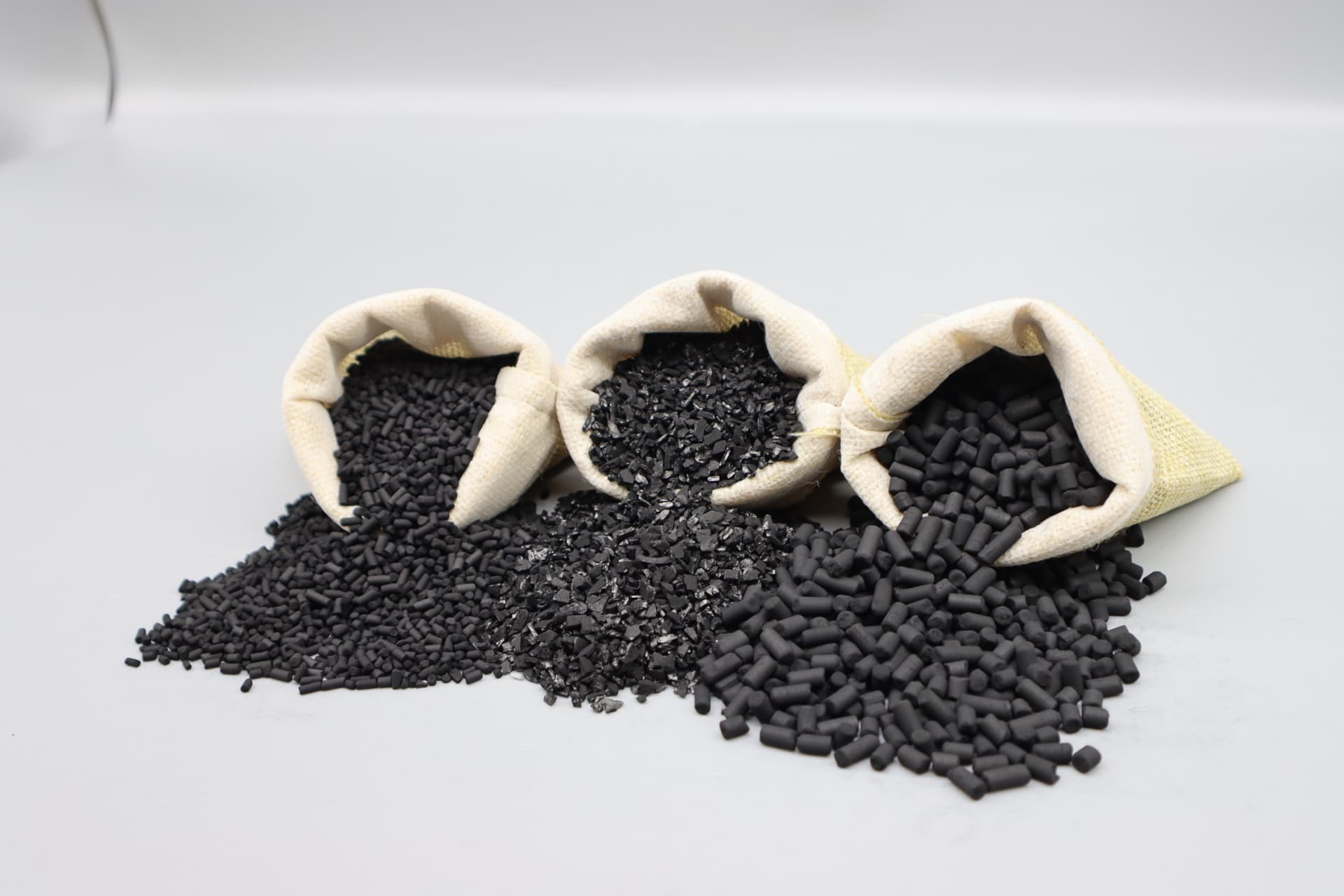
FOB vs CIF: Understanding Your Real Landed Cost
Most Chinese manufacturers quote FOB (Free On Board) prices, meaning the price covers production, inland transport to the port, and loading onto the vessel. Everything after that — ocean freight, insurance, customs clearance, port handling, inland delivery — is your responsibility.
CIF (Cost, Insurance, Freight) pricing includes ocean freight and insurance to your destination port. It's more convenient but gives the seller control over shipping logistics and often includes a margin on the freight.
| Cost Component | Typical Range | Notes |
|---|---|---|
| FOB Price | $375–$4,500/ton | Depends on product type and specs |
| Ocean Freight (20ft container) | $1,500–$4,000 | Varies by route; Asia→US West Coast vs Asia→Europe |
| Per-Ton Freight Cost | $75–$200/ton | Based on 20-ton container load |
| Import Duty (US) | 4.8% | HS 3802.10 — may change with trade policy |
| Port Handling & Customs | $500–$1,500/container | Includes customs broker fees |
| Inland Delivery | $300–$2,000/container | Depends on distance from port to your facility |
Rule of thumb: your total landed cost in the US or Europe will be roughly FOB price + $150–300/ton for freight and duties. So a $1,200/ton FOB product lands at approximately $1,350–1,500/ton delivered to a US warehouse. Your customs broker can give you exact numbers for your specific port and destination.
Minimum Order Quantities (MOQ) & Volume Discounts
Most manufacturers, including us, work with a minimum order of one full 20ft container — roughly 18–22 metric tons depending on the product's bulk density. This is simply an economics question: container freight is charged per container regardless of how full it is, so partial loads waste money on both sides.
Typical Volume Pricing Structure
For smaller quantities (1–5 tons), you have a few options: buy from a domestic distributor (who bought a container load and resells at 20–40% markup), find a consolidation partner who's already shipping to your region, or ask the manufacturer about LCL options. We occasionally combine smaller orders from buyers in the same region into a single container.
5 Ways to Get Better Activated Carbon Pricing
Don't over-spec
If your application needs 900 iodine, don't buy 1100. Every 100-point increase costs you $150–250/ton in unnecessarily high activation. We see this constantly — engineers copy-pasting specs from unrelated projects.
Commit to annual volume
A blanket order for 100 tons/year with quarterly shipments gets you significantly better pricing than four separate 20-ton spot purchases. It helps us plan production and reduces our sales cost.
Use bulk packaging
500kg or 1000kg jumbo bags instead of 25kg bags saves $30–60/ton in packaging cost. If your receiving facility can handle bulk bags, always choose them.
Buy FOB and arrange your own freight
CIF quotes typically include a 10–20% margin on the freight component. If you have a freight forwarder or shipping partner, buying FOB and handling logistics yourself usually saves money.
Time your purchases
Coconut shell carbon is cheapest in Q1–Q2 when fresh charcoal supply from Southeast Asia peaks. Coal-based carbon pricing follows energy costs, which tend to be lower in spring/summer. Ordering 2–3 months ahead of your need date gives the manufacturer scheduling flexibility, which often translates to a small discount.
Pricing Red Flags: When “Cheap” Isn't Cheap
After years of seeing buyers get burned, here are the pricing red flags we tell every new customer to watch for:
Bottom Line on Pricing
Activated carbon pricing is driven by raw material, activation level, volume, and post-treatment. The cheapest carbon per ton is almost never the cheapest carbon per unit of work done. A higher-quality product that lasts 50% longer in service effectively costs 33% less than the budget option that needs early replacement.
Our approach is to help you spec the right product for your application and then give you transparent pricing with no hidden fees. We'd rather lose a sale on price than win one with a product that underperforms — because the first approach builds long-term business and the second approach doesn't.
Frequently Asked Questions
How much does activated carbon cost per ton in 2026?
Prices range from $375–$4,500 per metric ton depending on type. Coconut shell GAC: $2,900–$4,500/ton, coal-based GAC: $450–$1,550/ton, coal-based columnar/pellet: $1,000–$3,950/ton, coal-based PAC: $375–$950/ton, wood-based PAC: $590–$3,700/ton. Acid washing adds about $450/ton. Prices vary by specification and volume.
Why is coconut shell carbon more expensive than coal-based?
Due to limited raw material supply, higher processing temperatures, superior quality metrics (higher iodine, lower ash, higher hardness), and growing global demand. The premium typically ranges 30–80% over equivalent coal-based carbon.
What factors affect activated carbon pricing the most?
Top factors: raw material type (coconut > coal > wood), specification level (higher iodine/CTC = higher price), order volume, certifications required (NSF adds 10–20%), shipping distance, and currency exchange rates. Seasonal availability and energy costs also impact pricing.
Is it cheaper to buy directly from Chinese manufacturers?
Direct purchase typically saves 20–40% versus distributors. Factor in shipping ($100–$200/ton by sea), import duties (0–6%), MOQs (usually 1–5 FCL), quality verification costs, and risk management. Overall savings remain significant for regular buyers.
How can I negotiate better prices for bulk purchases?
Key strategies: annual volume contracts, full container loads, longer lead times, flexible packaging, combining orders, long-term relationships, and timing purchases during off-peak periods. These typically yield 5–15% savings on spot pricing.
Get an Accurate Quote for Your Project
Tell us your specs, volume, and destination — we'll send you a detailed quote within 24 hours including FOB and CIF options.
Request a Price Quote