
Industry Guide
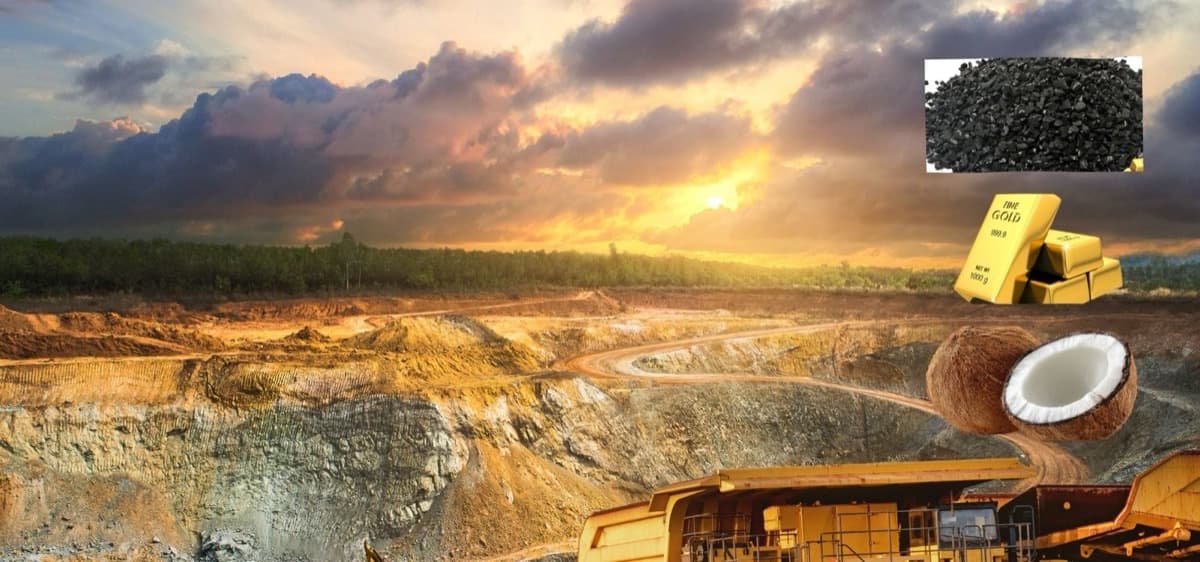
Activated Carbon in Gold Mining: CIP vs CIL
Understanding the differences between Carbon-in-Pulp and Carbon-in-Leach processes for gold recovery.
Why Activated Carbon for Gold Recovery?
Activated carbon has been the gold standard (pun intended) for gold recovery since the 1970s. The gold-cyanide complex [Au(CN)₂]⁻ adsorbs strongly onto activated carbon, allowing efficient extraction from leach solutions.
Coconut shell activated carbon dominates this application due to its exceptional hardness (>95%) and high gold loading capacity.
CIP (Carbon-in-Pulp) Process
In CIP, leaching and carbon adsorption are separate stages:
- 1. Ore is ground and leached with cyanide solution
- 2. Leached pulp flows to a series of adsorption tanks
- 3. Activated carbon is added counter-current to pulp flow
- 4. Loaded carbon is removed, stripped, and regenerated
CIP Advantages
- • Better control over leaching conditions
- • Lower carbon inventory required
- • Easier to optimize each stage independently
Need activated carbon?
Get Factory-Direct Pricing — No Middlemen
20+ years manufacturing. MOQ 1 ton. Free samples. Reply within 2 hours.
CIL (Carbon-in-Leach) Process
In CIL, leaching and adsorption occur simultaneously:
- 1. Ore, cyanide, and activated carbon are added together
- 2. Gold dissolves and immediately adsorbs onto carbon
- 3. Reduces preg-robbing losses from carbonaceous ores
- 4. Shorter overall residence time
CIL Advantages
- • Better for preg-robbing ores
- • Simpler circuit design
- • Lower capital cost
- • Faster gold recovery kinetics
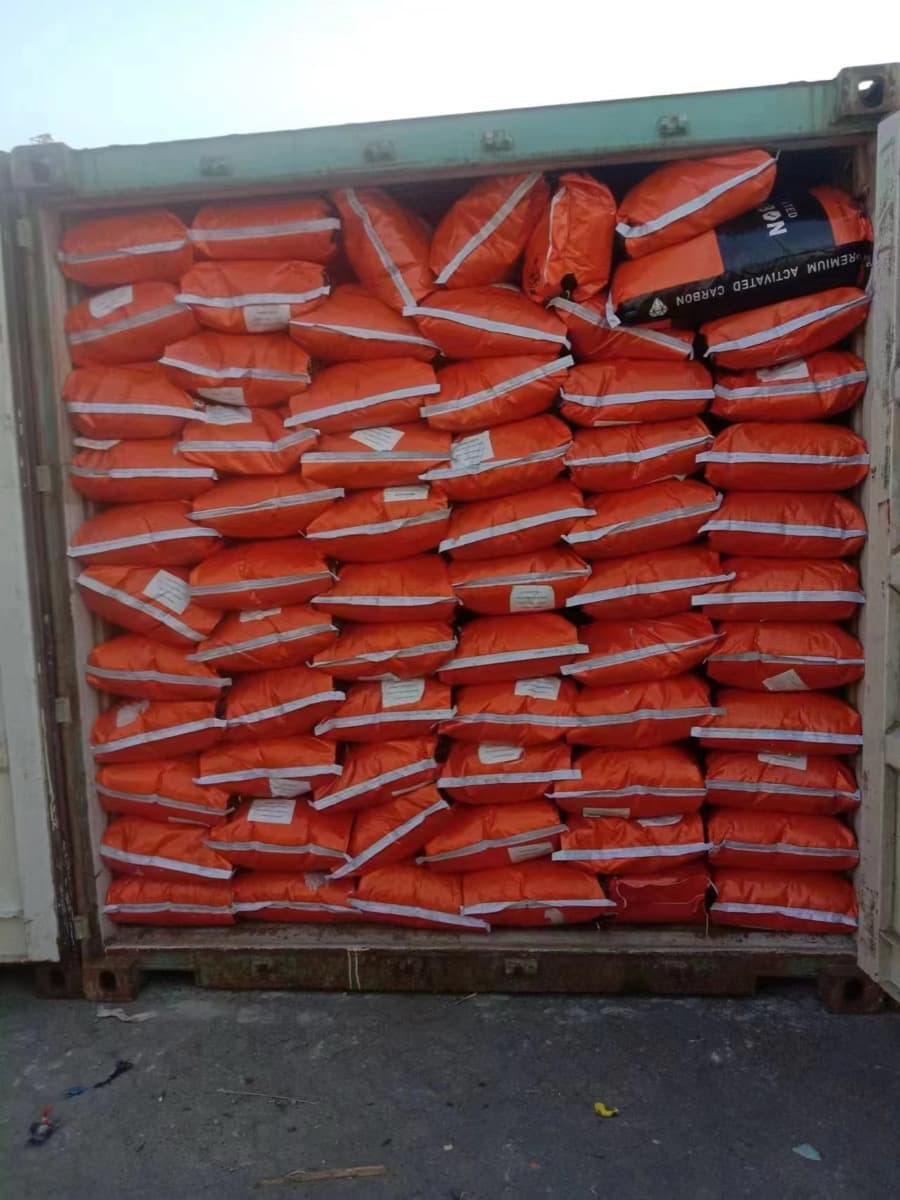
Carbon Specifications for Gold Recovery
Critical parameters for gold recovery carbon:
| Parameter | Specification | Why It Matters |
|---|---|---|
| Iodine Number | >1050 mg/g | Indicates adsorption capacity |
| Hardness | >95% | Resists attrition in agitated tanks |
| Particle Size | 6×12 mesh typical | Balance of kinetics and screening |
| Ash Content | <3% | Lower ash = higher activity |
| Moisture | <5% | Affects shipping weight |
CIP vs CIL: Which to Choose?
Choose CIP When:
- • Ore is not preg-robbing
- • Need precise leaching control
- • Existing infrastructure supports it
- • Lower carbon consumption priority
Choose CIL When:
- • Ore contains natural carbon (preg-robbing)
- • Simpler operation preferred
- • New greenfield project
- • Faster recovery needed
Carbon Management Best Practices
- • Regular screening to remove fines
- • Thermal regeneration at 650-750°C
- • Acid wash to remove calcium carbonate buildup
- �� Monitor gold loading (typically 5-15 kg Au/ton carbon)
- • Track carbon losses (target <30 g/ton ore)
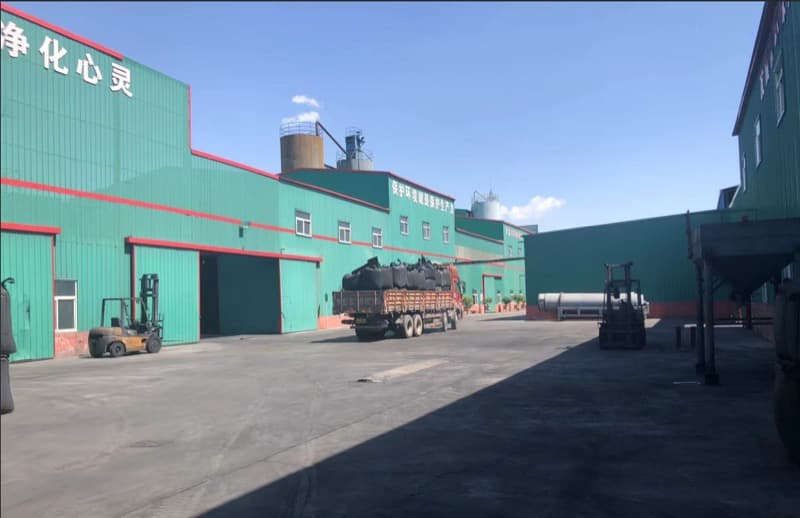
Our Manufacturing Facility
Every batch of gold recovery activated carbon we produce undergoes strict quality control at our ISO-certified manufacturing facility. From raw coconut shell selection to final hardness testing, we ensure consistent performance for demanding CIP and CIL gold extraction processes.
Need Gold Recovery Carbon?
We supply premium coconut shell carbon for gold mining with iodine >1100 mg/g and hardness >97%.
Request Quote →