
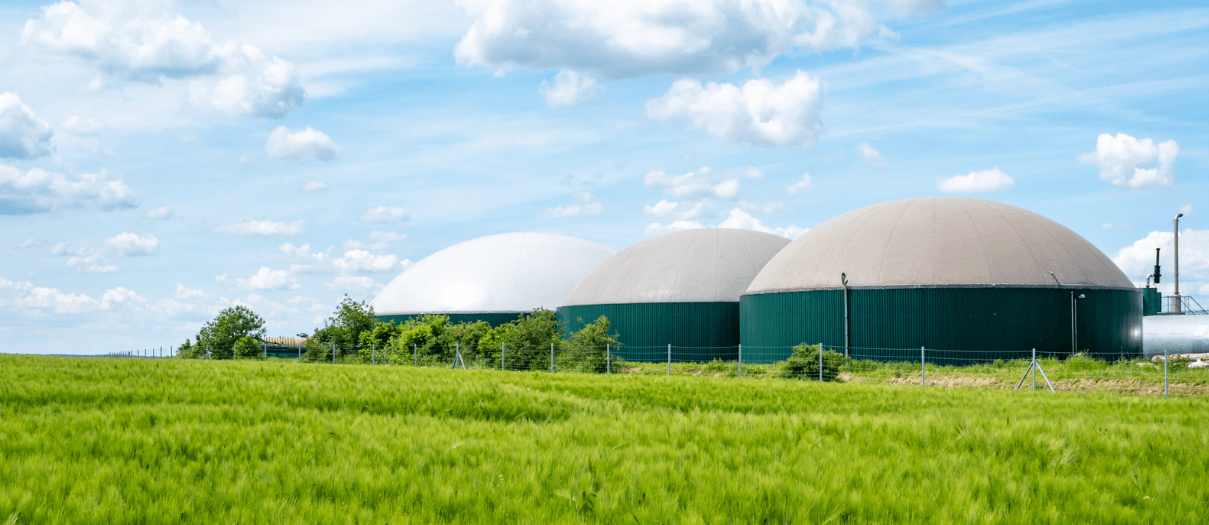
Activated Carbon for Biogas Purification
Impregnated and high-surface activated carbon for biogas, digester and landfill gas — removing H₂S and siloxanes to protect CHP engines and upgrade raw gas to pipeline-grade biomethane. Proven in multi-hundred-tonne European projects.
The Biogas Challenge
Why raw biogas must be cleaned before use
Raw biogas from anaerobic digesters, wastewater plants and landfills is mostly methane and CO₂, but it also carries hydrogen sulfide (H₂S) and siloxanes. H₂S is corrosive — it attacks CHP engines, pipework and heat exchangers and forms SO₂ on combustion. Siloxanes convert to abrasive silica deposits that score cylinders and foul turbines, driving up maintenance and downtime. Activated carbon removes both: impregnated grades chemisorb H₂S, while high-surface carbon physically adsorbs siloxanes. Getting the grade and vessel sizing right is what keeps engines protected and biomethane on-spec.
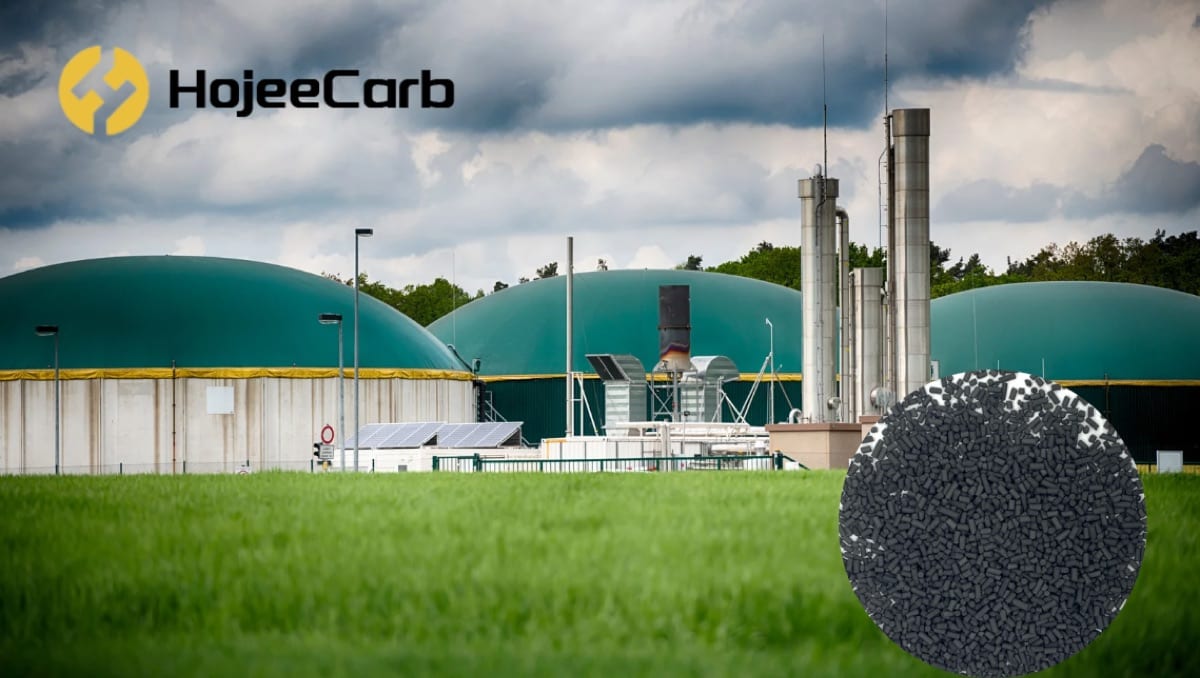
How It Works
Two contaminants, one carbon train
KOH/NaOH-impregnated pellet carbon chemisorbs hydrogen sulfide, converting it to elemental sulfur held in the pore structure — capacity ≥0.14 g/g protects engines and downstream steps.
High-surface-area carbon physically adsorbs siloxanes (D4, D5) into its micropores. A dry, well-sized bed captures siloxanes down to the low mg/m³ levels CHP makers specify.
Beds are sized for target breakthrough; a lead-lag arrangement lets you change out the lead vessel without losing protection. Spent carbon can be reactivated off-site.
Typical Biogas Sources
Where our biogas carbon is used
Carbon Selection
Choosing carbon by biogas duty
Most biogas trains use a two-stage approach: impregnated carbon for H₂S then high-surface carbon for siloxanes. Every grade ships with a batch COA.
| Duty | Recommended Grade | Key Spec | Form |
|---|---|---|---|
| Bulk H₂S removal | KOH/NaOH-impregnated pellet | ≥0.14 g/g H₂S | 4mm pellet |
| Siloxane removal (D4/D5) | High-surface coconut/coal | 1000–1150 m²/g | 4×8 granular |
| Combined polishing | Virgin coconut GAC | Iodine ≥1000 | 4×8 granular |
| Low pressure drop / high flow | Extruded pellet | Low ΔP | 4mm pellet |
Not sure how to stage your biogas train? Send us your flow and contaminant levels.
Get a Grade RecommendationSystem Design
Biogas vessel design factors
Gas must be dry
Water vapour competes with siloxanes for pore space and blinds impregnated carbon. Chill/dry the gas upstream (condensate removal) to protect capacity and life.
Lead-lag vessels
Two vessels in series let you run to full breakthrough on the lead bed while the lag bed guarantees protection — then swap without interrupting the plant.
Bed sizing & residence time
Size beds to the H₂S/siloxane load and target run-time between change-outs. Adequate residence time and low face velocity prevent early breakthrough.
H₂S then siloxane order
Place the impregnated H₂S stage first to strip the bulk contaminant, then the high-surface stage for siloxane polishing — this maximises the life of each bed.
Field Performance
Proven in large European biogas projects
Case: 100 + 112 tonnes carbon for Norwegian biogas plants
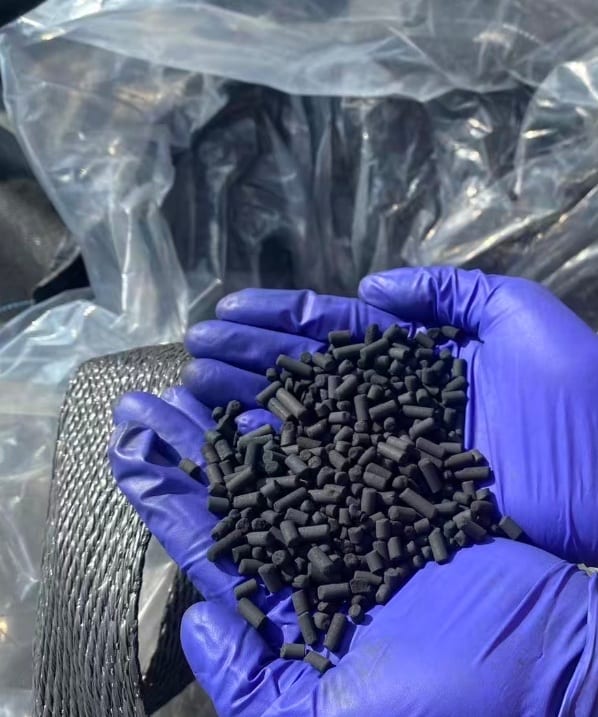
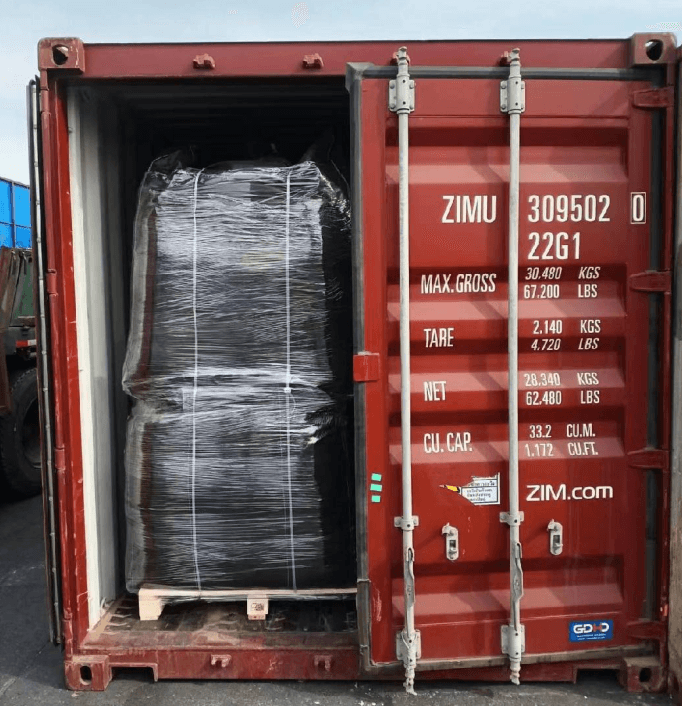
We supplied a Norwegian biogas operator with 100 tonnes of columnar carbon and a further 112 tonnes of pellet carbon for gas purification. The columnar/pellet forms were specified for low pressure drop across large treatment vessels, and batch COAs confirmed the H₂S capacity and surface area needed to protect the CHP engines and keep upgraded gas on-spec. The repeat, multi-hundred-tonne volume reflects consistent batch-to-batch performance.
Biogas Purification Carbon — Frequently Asked Questions
What activated carbon is best for biogas H₂S removal?
KOH or NaOH-impregnated pellet carbon is the standard for biogas H₂S removal. The impregnation chemisorbs hydrogen sulfide, converting it to elemental sulfur retained in the pores, with capacity ≥0.14 g/g. Pellet form keeps pressure drop low across large biogas vessels.
How is siloxane removed from biogas?
Siloxanes (mainly D4 and D5) are removed by physical adsorption onto high-surface-area activated carbon (1000–1150 m²/g). The gas must be dried first, since moisture competes for pore space. A properly sized, dry carbon bed captures siloxanes down to the low mg/m³ levels CHP engine makers require.
Can one carbon remove both H₂S and siloxanes?
In practice a two-stage train works best: impregnated carbon strips the bulk H₂S first, then high-surface virgin carbon polishes siloxanes. Placing H₂S removal ahead of the siloxane stage maximises the life of both beds. For light loads a single high-quality virgin carbon can handle both.
Why does biogas need to be dried before the carbon?
Water vapour competes with siloxanes for the carbon's micropores and reduces the performance of impregnated H₂S media. Chilling and condensate removal upstream of the carbon vessels protects working capacity and extends bed life.
How much carbon does a biogas plant need?
It depends on gas flow, H₂S and siloxane loading, and target run-time between change-outs. We size beds to your data — our European projects have ranged into the hundreds of tonnes. Send us your flow and contaminant levels and we'll size the vessels and recommend grades.
What is your MOQ and lead time for biogas carbon?
MOQ is 1 tonne with a typical 7–15 day lead time, scaling to multi-hundred-tonne project volumes. Every shipment includes a batch COA (H₂S capacity or surface area, iodine, mesh, moisture).
Protect your CHP engines
Send us your biogas flow, H₂S and siloxane levels. We'll size the H₂S and siloxane stages, recommend grades, and ship factory-direct with a batch COA on every order.
Request a Biogas Carbon Quote