
Activated Carbon for PFAS Removal
Granular activated carbon is a proven, EPA-recognized barrier for PFAS — the “forever chemicals” now regulated at parts-per-trillion. Factory-direct bituminous GAC engineered for long bed life and reliable breakthrough control.
The Regulatory Reality
PFAS Is Now Regulated at Parts-Per-Trillion — and GAC Is the Front-Line Solution
Reviewed by HojeeCarb application engineers · Updated September 2026
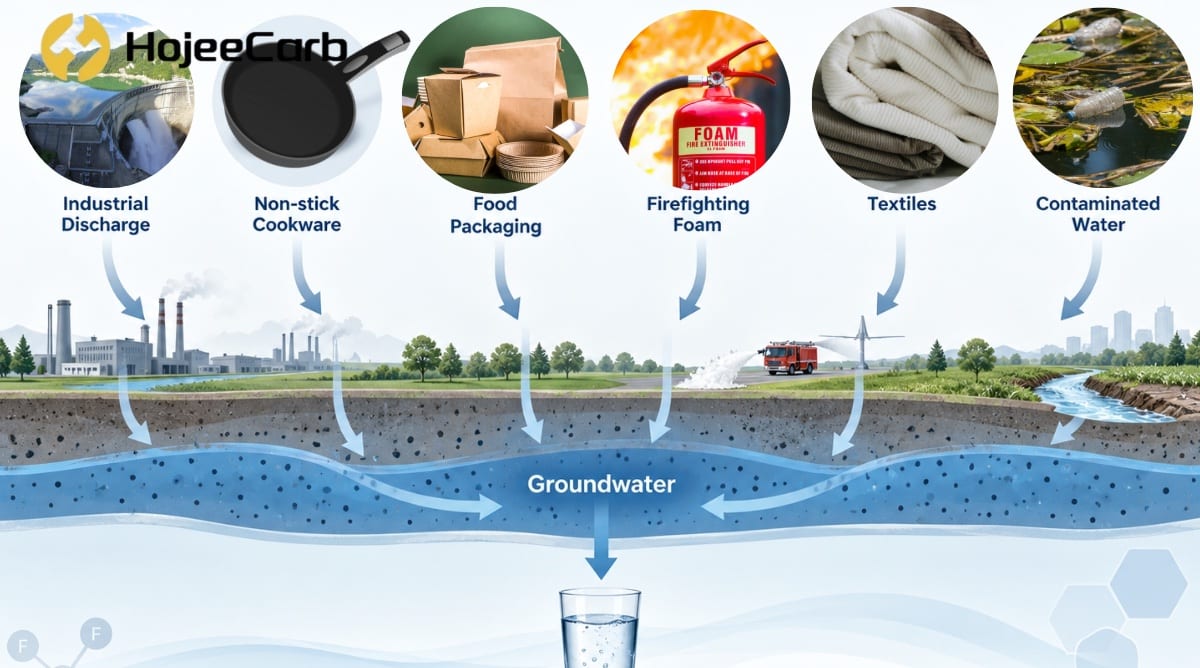
In April 2024 the US EPA finalized enforceable limits of 4 ppt for PFOA and PFOS in drinking water, with additional limits for PFHxS, PFNA, and GenX. The EU Drinking Water Directive sets 100 ng/L for the sum of 20 PFAS. Granular activated carbon (GAC) is one of only three EPA Best Available Technologies for PFAS — alongside ion exchange and reverse osmosis — and remains the most cost-effective for most municipal flows.
Key Takeaways
- Granular activated carbon (GAC) is one of only three EPA Best Available Technologies for PFAS removal — and the most cost-effective for most municipal flows.
- Bituminous coal-based GAC with iodine ≥1000 mg/g outperforms coconut shell for long-chain PFOA/PFOS.
- A properly designed lead-lag system at 10–20 min EBCT brings PFOA/PFOS below the 4 ppt EPA limit.
- Short-chain PFAS (PFBS, PFBA) break through first and set the change-out schedule — not PFOA/PFOS.
- Factory-direct supply from China: iodine ≥1000 mg/g, batch COA, ISO 9001, MOQ 1 ton.
Carbon Selection
Which GAC We Recommend for PFAS
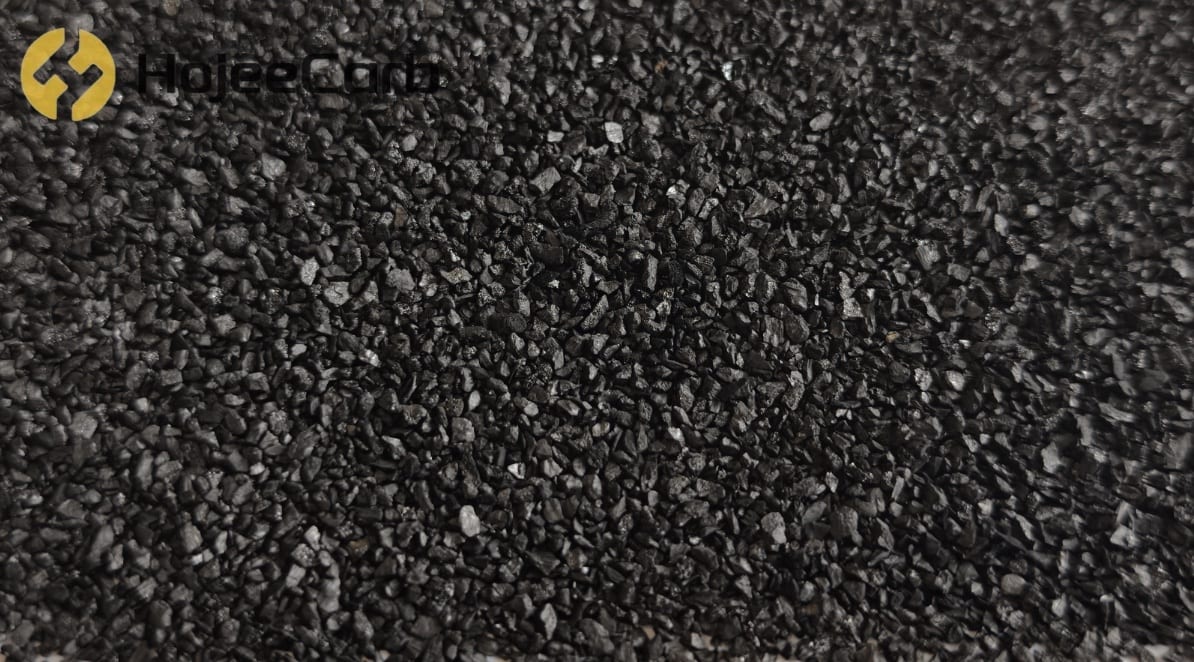
Bituminous coal-based GAC with high mesopore volume outperforms coconut shell for PFAS due to better long-chain capacity.
| Duty | Recommended Carbon | Iodine No. | Mesh | EBCT |
|---|---|---|---|---|
| Municipal drinking water | Bituminous coal GAC | ≥1000 mg/g | 12×40 | 10–20 min |
| Groundwater remediation | Reagglomerated coal GAC | ≥1000 mg/g | 8×30 | 10–15 min |
| Industrial wastewater | Coal-based GAC | ≥900 mg/g | 8×30 | 15–30 min |
Not sure which grade fits your water analysis? Send us your flow rate, PFAS levels, and target limits.
Send Us Your Water AnalysisPopular PFAS grades: Coal-based GAC 8×30 for groundwater & wastewater, and Coconut shell GAC 12×40 for municipal drinking water.
Explore By Remediation Scenario

Groundwater Remediation
Pump-and-treat GAC for AFFF-contaminated aquifers at military bases, airports & fire-training sites — plume containment to <4 ppt PFOA/PFOS
View Solution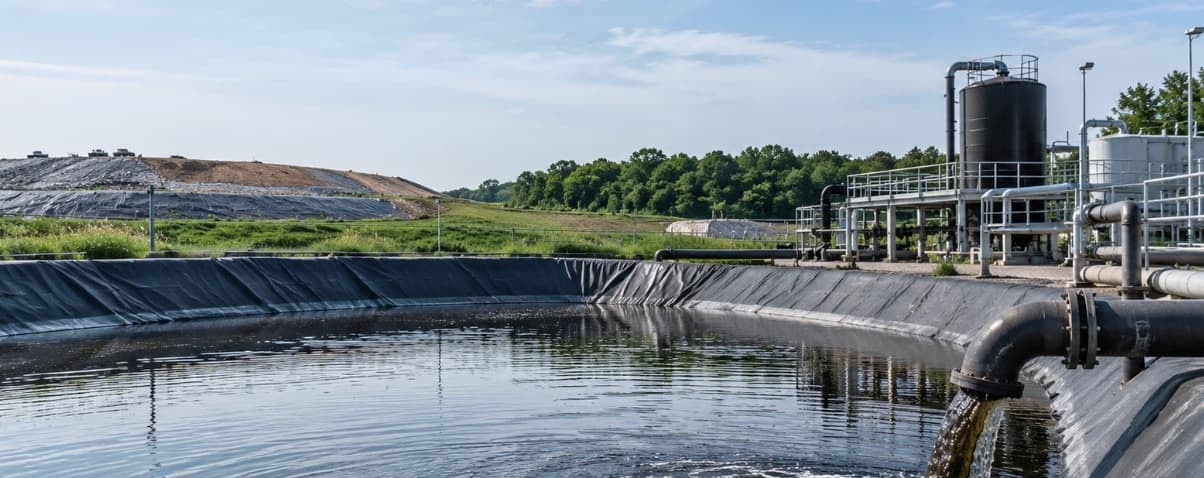
Landfill Leachate
Coal-based GAC polishing for leachate after biological & membrane stages — refractory COD, color, ammonia and PFAS removal on high-strength streams and RO concentrate
View Solution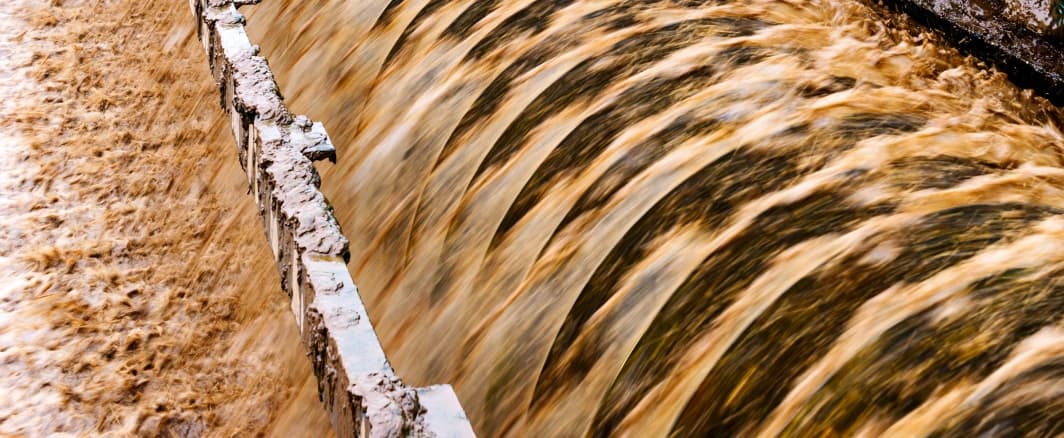
Industrial Wastewater
Coal-based GAC for refractory COD, color and trace PFAS in industrial effluent — tertiary polishing to meet discharge and reuse limits
View Solution
How It Works
How Activated Carbon Removes PFAS
PFAS molecules have a water-repelling carbon-fluorine tail strongly attracted to the carbon surface, driving adsorption into the pore network.
Long-chain PFAS (PFOA, PFOS) adsorb readily. Short-chain species (PFBA, PFBS) break through faster and drive bed-life design.
Long-chain vs short-chain deep-divePFAS needs longer empty-bed contact time than taste/odor duty — typically 10–20 min — plus careful breakthrough monitoring.
What We Remove
PFAS Compounds & Removability by GAC
Removal efficiency depends on chain length and carbon selection. Short-chain compounds require tighter EBCT and more frequent change-out.
| Compound | Type | EPA Limit | GAC Removability |
|---|---|---|---|
| PFOA | Long-chain | 4 ppt | Excellent |
| PFOS | Long-chain | 4 ppt | Excellent |
| PFHxS | Medium | 10 ppt | Good |
| PFNA | Long-chain | 10 ppt | Good |
| GenX (HFPO-DA) | Replacement | 10 ppt | Moderate |
| PFBS / PFBA | Short-chain | Hazard index | Challenging |
System Design
Designing a PFAS GAC System That Won't Break Through Early
Lead-Lag Configuration
Two vessels in series. Exhaust the lead fully while the lag guarantees compliant effluent — essential for ppt-level targets where a single bed risks silent breakthrough.
EBCT 10–20 min
PFAS demands far longer contact than chlorine duty. Short-chain compounds set the change-out schedule, not PFOA/PFOS.
Breakthrough Monitoring
Sample between lead and lag vessels. Trigger change-out when short-chain PFAS appear mid-point, before the effluent is affected.
Pre-Treatment
Remove TOC, iron, and turbidity upstream — competing organics dramatically shorten PFAS bed life if left unaddressed.
Field Performance
Proven at Parts-Per-Trillion
 Case Study
Case: Municipal drinking-water plant, 1 MGD (~3,785 m³/day)
A groundwater-fed municipal system with combined PFOA+PFOS around 35 ng/L switched to bituminous coal GAC 12×40 in a lead-lag configuration at 15-min EBCT. Effluent held below the 4 ppt limit past the first monitoring cycle, with mid-point sampling (EPA Method 537.1) triggering lead-vessel change-out well ahead of effluent breakthrough. Long-chain PFOA/PFOS typically breaks through at 40,000–100,000+ bed volumes.
Read the full case studyPFAS Removal — Frequently Asked Questions
Does activated carbon remove PFAS from drinking water?
Yes. Granular activated carbon is an EPA-designated Best Available Technology for PFAS and can bring PFOA and PFOS below the 4 ppt limit when the system is properly designed with adequate EBCT and lead-lag vessels.
Which activated carbon is best for PFAS?
Bituminous coal-based GAC with an iodine number ≥1000 mg/g and high mesopore volume outperforms coconut shell carbon for PFAS, especially for long-chain PFOA/PFOS.
How long does PFAS carbon last before change-out?
Bed life varies widely — from 6 months to 3+ years — depending on influent PFAS levels, competing TOC, and EBCT. Long-chain PFOA/PFOS typically breaks through at 40,000–100,000+ bed volumes, while short-chain PFAS (PFBS, PFBA) breaks through much earlier (15,000–40,000 BV) and usually sets the change-out schedule. Pilot testing is essential.
GAC vs ion exchange for PFAS — which is better?
GAC is more cost-effective for larger municipal flows and general PFAS mixtures; ion exchange offers higher capacity for short-chain PFAS but at higher media cost. Many plants combine both. We can advise based on your water analysis.
Facing New PFAS Limits? Let's Spec Your Carbon.
Send us your flow rate, PFAS analysis, and target limits. Our technical team responds within 24 hours with a tailored GAC recommendation and factory-direct quotation.
Request a PFAS Quote