
Per- and polyfluoroalkyl substances (PFAS) — commonly called “forever chemicals” — have become the defining water treatment challenge of this decade. With the US EPA finalizing enforceable Maximum Contaminant Levels (MCLs) at single-digit parts per trillion in April 2024, thousands of water utilities are now evaluating treatment technologies. Granular activated carbon (GAC) adsorption is the most widely deployed and best-understood solution, with over 15 years of full-scale operating data across hundreds of treatment plants.
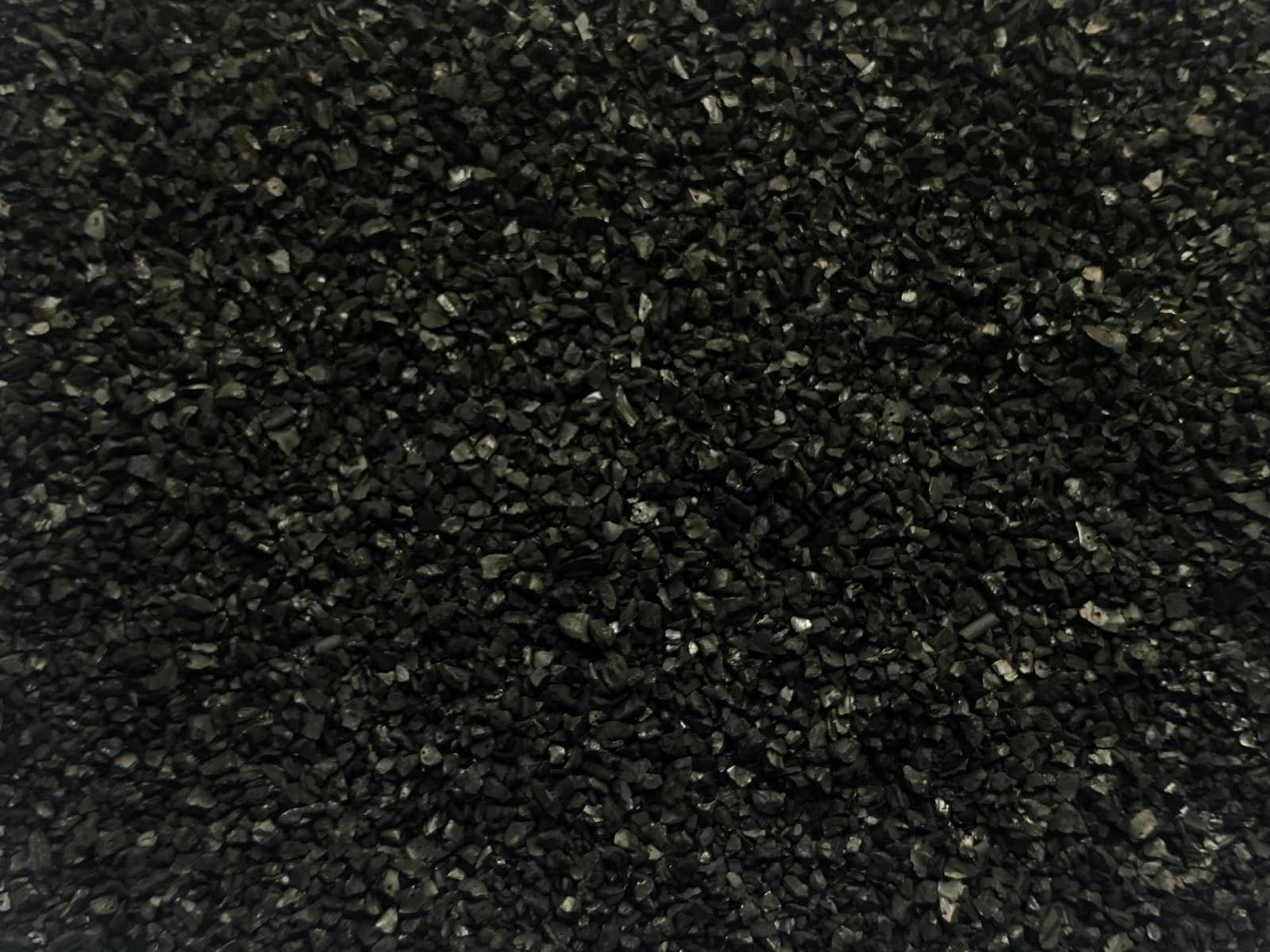
8×30 mesh coconut shell GAC — one of the carbon types used for PFAS adsorption in drinking water systems.
As a manufacturer with 15+ years of experience producing activated carbon for water treatment applications, we have supplied GAC for PFAS remediation projects across North America, Europe, and Asia-Pacific. This guide covers the science behind PFAS adsorption, how to select the right carbon, system design principles, the regulatory landscape, and total cost of ownership — all from a manufacturer's technical perspective.
What Are PFAS and Why Are They So Difficult to Remove?
PFAS are a class of over 14,000 synthetic fluorinated compounds characterized by extremely strong carbon-fluorine bonds — the strongest bond in organic chemistry. This bond makes PFAS thermally stable, chemically inert, and resistant to biodegradation, photolysis, and conventional oxidation processes. In short, they persist indefinitely in the environment.
PFAS compounds are categorized by chain length, which directly affects their treatability:
| Category | Examples | Chain Length | GAC Removal |
|---|---|---|---|
| Long-chain PFAS | PFOA, PFOS, PFNA, PFDA | ≥8 carbons (sulfonate) / ≥7 (acid) | Excellent (>95%) |
| Medium-chain PFAS | PFHxS, PFHxA, PFHpA | 5–7 carbons | Good (80–95%) |
| Short-chain PFAS | PFBA, PFBS, GenX (HFPO-DA) | ≤4 carbons | Moderate (60–85%, shorter bed life) |
| Precursors | FTOHs, diPAPs, FTSAs | Varies | Variable (depends on structure) |
The key challenge: shorter-chain PFAS compounds are more hydrophilic and less strongly adsorbed, leading to earlier breakthrough. As manufacturers phased out PFOA and PFOS in the 2000s–2010s, they replaced them with shorter-chain alternatives like GenX — which are now regulated and harder to remove. This is why carbon selection matters enormously.
Need activated carbon?
Get Factory-Direct Pricing — No Middlemen
20+ years manufacturing. MOQ 1 ton. Free samples. Reply within 2 hours.
How Activated Carbon Adsorbs PFAS Compounds
PFAS removal by activated carbon involves two primary mechanisms:
The pore structure of activated carbon determines performance. PFAS molecules are relatively large (molecular width 0.8–1.5 nm for common compounds), so they primarily adsorb in mesopores (2–50 nm) and large micropores (1–2 nm). This is fundamentally different from small-molecule contaminants like chloroform or TCE, which occupy micropores (<2 nm). Carbon with a well-developed mesopore network — typically coal-based GAC — outperforms highly microporous coconut shell GAC for broad PFAS removal.
Choosing the Right Activated Carbon for PFAS
Not all activated carbons perform equally for PFAS removal. The choice between coal-based and coconut shell GAC, particle size, and activation method all significantly impact performance and economics.
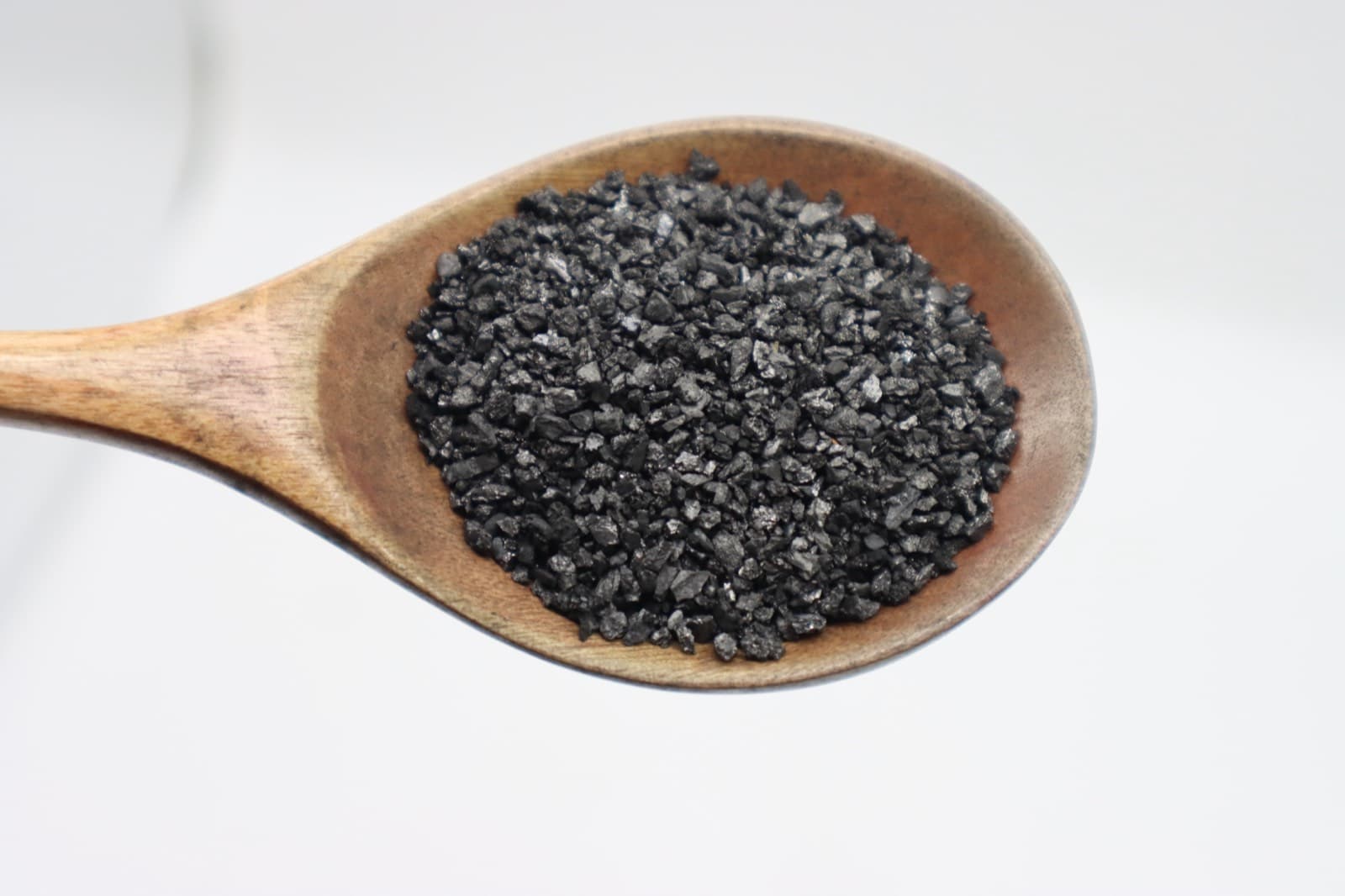
Coal-based 8×30 mesh GAC — the preferred carbon type for broad-spectrum PFAS removal due to its balanced pore structure.
Coal-Based vs Coconut Shell GAC for PFAS
| Property | Coal-Based GAC | Coconut Shell GAC |
|---|---|---|
| Pore distribution | Broad — micropores + mesopores + macropores | Predominantly microporous |
| Long-chain PFAS (PFOA/PFOS) | Excellent | Excellent |
| Short-chain PFAS (PFBA/GenX) | Better — more mesopore capacity | Shorter bed life, earlier breakthrough |
| TOC competition | Less impacted (larger pore volume) | More impacted by NOM fouling |
| Bed life (typical) | 12–24 months | 8–18 months |
| Hardness number | 85–95 | 97–99 |
| Cost (FOB China) | $800–1,200/MT | $1,400–2,200/MT |
| Best for | Municipal PFAS treatment, broad spectrum | Polishing, long-chain PFAS, taste & odor co-treatment |
Our recommendation: For municipal drinking water PFAS compliance, start with coal-based 8×30 mesh GAC (iodine number ≥900, moisture ≤5%). This gives the best balance of broad PFAS removal, bed life, and cost per thousand gallons treated. For systems already using coconut shell GAC for taste and odor control, the existing infrastructure provides incidental PFAS protection — but may need supplementation for short-chain compounds.
Key Specifications for PFAS-Grade GAC
| Parameter | Recommended Spec | Why It Matters |
|---|---|---|
| Iodine number | ≥900 mg/g | Proxy for total adsorption capacity |
| BET surface area | ≥950 m²/g | Higher surface = more adsorption sites |
| Mesh size | 8×30 or 12×40 US mesh | Balances kinetics vs pressure drop |
| Moisture | ≤5% | Excessive moisture reduces effective capacity |
| Ash content | ≤10% (coal) / ≤5% (coconut) | Lower ash = more active carbon per unit weight |
| Hardness | ≥85 | Prevents fines generation during backwash |
| ANSI/AWWA B604 | Certified | Required by most US municipal specifications |
GAC System Design for PFAS Treatment
Designing a GAC system for PFAS removal requires more conservative parameters than conventional taste-and-odor treatment. PFAS compounds — especially short-chain varieties — have lower adsorption capacity per unit carbon, meaning longer contact times and more frequent carbon changeouts.
Critical Design Parameters
Monitoring and Changeout Triggers
PFAS monitoring must be more frequent than conventional contaminant monitoring because breakthrough can be rapid once the adsorption zone reaches the bed outlet:
PFAS Regulatory Landscape: EPA MCLs and Global Standards
The regulatory environment for PFAS is evolving rapidly across all major markets. Understanding current and upcoming limits is essential for treatment system design:
| Jurisdiction | Standard | PFOA Limit | PFOS Limit |
|---|---|---|---|
| US EPA (2024) | MCL (enforceable) | 4 ppt | 4 ppt |
| EU | Drinking Water Directive (2021/2184) | 100 ng/L total PFAS (20 compounds) by 2026 | |
| Australia | Health-based guidance values | 560 ng/L | 70 ng/L |
| Canada | Guidelines (proposed 2024) | 30 ng/L | 30 ng/L |
| US States (leading) | MI, NJ, VT, NH, NY | 8–14 ppt | 13–16 ppt |
The US EPA MCLs are the most stringent national standard globally. Public water systems must comply by 2029, with monitoring beginning in 2027. Systems serving >10,000 people face the earliest compliance deadlines. This creates massive demand for PFAS-grade GAC — the US market alone is projected to need an additional 100,000+ metric tons of GAC annually for PFAS treatment.
GAC vs Other PFAS Treatment Technologies
Several technologies compete for PFAS treatment applications. Here is how GAC compares:
| Technology | Strengths | Limitations | Cost ($/1,000 gal) |
|---|---|---|---|
| GAC adsorption | Proven, broad PFAS removal, co-removal of TOC/VOCs/T&O, reactivation possible | Shorter bed life for short-chain PFAS, carbon changeout logistics | $0.50–2.00 |
| Ion exchange resin | Selective for PFAS, longer bed life for short-chain, smaller footprint | 3–5× resin cost, doesn't remove co-contaminants, brine disposal challenge | $1.50–4.00 |
| Nanofiltration/RO | Removes all PFAS including ultrashort-chain, high rejection rates | High energy cost, concentrate disposal, removes beneficial minerals | $2.00–6.00 |
| High-pressure oxidation | Destroys PFAS (not just removes), no waste stream | Emerging technology, high CAPEX, limited full-scale data | $3.00–10.00+ |
Bottom line: GAC is the first-choice technology for most municipal systems because of its proven track record, lowest cost per thousand gallons, ability to co-remove other contaminants, and established supply chain. Ion exchange is the preferred complement for systems with particularly challenging short-chain PFAS profiles.
Manufacturing PFAS-Grade GAC: Our Process
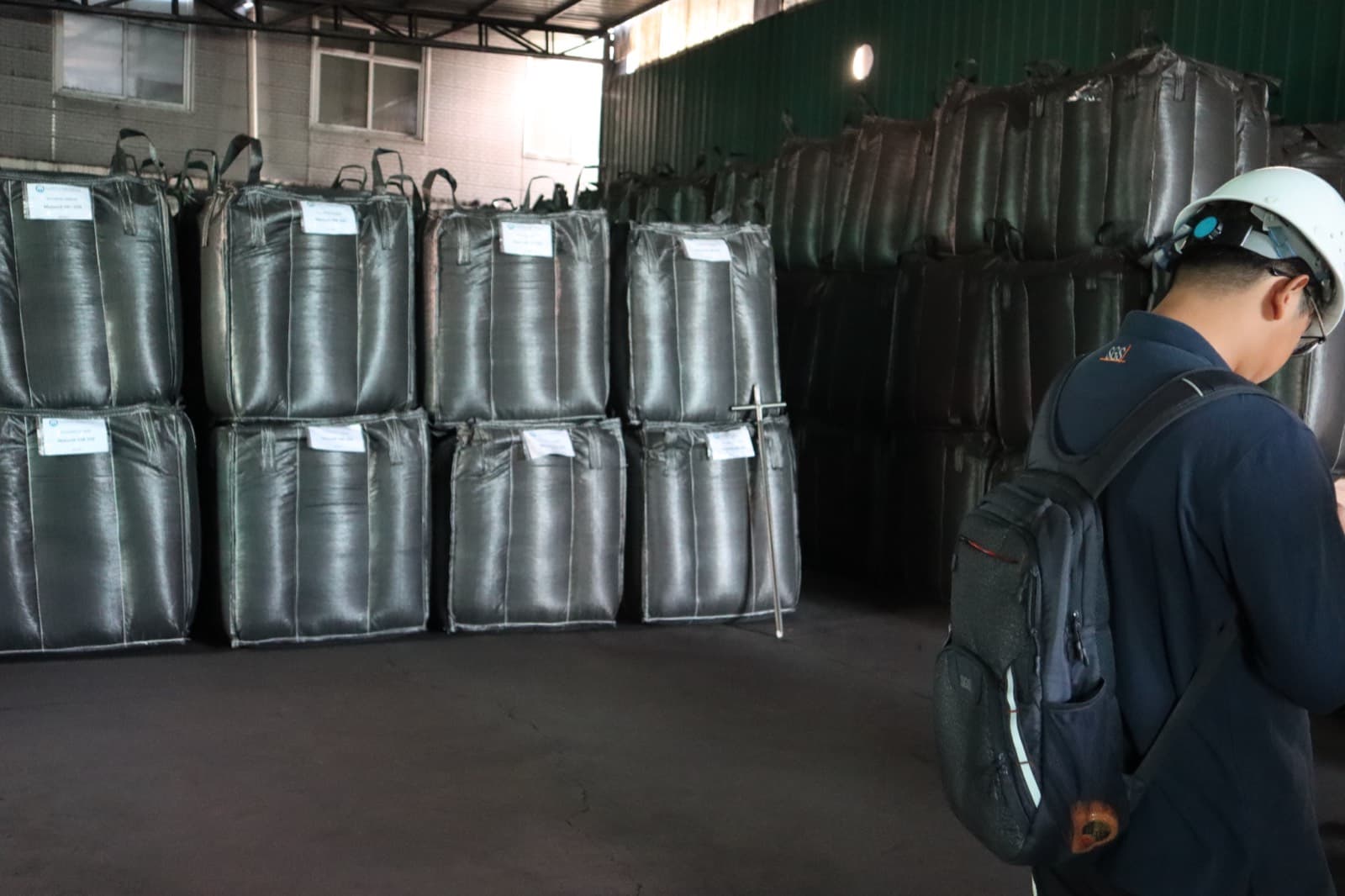
Quality control inspection at our manufacturing facility — every batch of PFAS-grade GAC undergoes full specification testing before shipment.
With three production bases and annual capacity exceeding 100,000 metric tons, we manufacture GAC specifically optimized for PFAS applications. Our process for PFAS-grade carbon includes:
Our client in the southeastern United States — a municipal water utility serving 45,000 residents — switched to our coal-based 8×30 GAC for PFAS compliance in late 2025. After 8 months of operation at 12 minutes EBCT, their lead bed effluent shows non-detect for all six regulated PFAS compounds, with total PFAS consistently below 2 ppt. Their previous GAC supplier's product required changeout at 6 months under identical conditions.
Total Cost of Ownership: PFAS Treatment with GAC
Understanding the full cost picture helps utilities make informed decisions. Here is a realistic cost breakdown for a 2 MGD (million gallons per day) system:
| Cost Component | Estimated Range | Notes |
|---|---|---|
| Capital (vessels, piping, controls) | $500K–$1.5M | Lead-lag configuration, 15 min EBCT |
| Initial GAC fill | $80K–$150K | 40–60 tons coal-based GAC @ $1,000–1,500/MT landed |
| Annual carbon replacement | $60K–$120K/yr | 1–2 changeouts per year depending on PFAS levels |
| PFAS monitoring (EPA 533) | $15K–$30K/yr | Monthly sampling, 2 locations |
| Operations & maintenance | $20K–$40K/yr | Backwash, instrumentation, labor |
| Total Year 1 | $675K–$1.84M | Including capital |
| Annual operating (Year 2+) | $95K–$190K/yr | $0.13–0.26 per 1,000 gallons |
Cost optimization tip: Sourcing GAC directly from a manufacturer in China can reduce carbon costs by 30–50% compared to purchasing through domestic distributors. A 20-foot container holds approximately 20 metric tons of GAC — for a 2 MGD system, that is roughly one full changeout. We offer CIF pricing to major US and European ports, with typical transit times of 25–35 days. For current GAC pricing benchmarks by carbon type, see our activated carbon price guide.
PFAS Carbon Selection Decision Framework
Use this step-by-step framework to determine the right GAC for your PFAS application:
Frequently Asked Questions: PFAS & Activated Carbon
What type of activated carbon is best for PFAS removal?
Bituminous coal-based granular activated carbon (GAC) with high mesopore volume is the most effective for PFAS removal. Coconut shell GAC works well for long-chain PFAS (PFOA, PFOS) but breaks through faster on short-chain compounds (PFBA, PFHxA). For drinking water, 8×30 or 12×40 mesh coal-based GAC with iodine number ≥900 mg/g is the industry standard.
How long does activated carbon last for PFAS treatment?
GAC bed life for PFAS removal typically ranges from 6 to 24 months depending on influent PFAS concentration, water quality (TOC, competing organics), empty bed contact time (EBCT), and target effluent limits. At 10–15 minutes EBCT with total PFAS below 100 ppt, coal-based GAC beds typically last 12–18 months before requiring replacement or reactivation.
Can spent PFAS-contaminated activated carbon be reactivated?
Yes. Thermal reactivation at 800–900°C destroys more than 99.99% of adsorbed PFAS compounds, converting them to HF and CO₂ which are captured by emission controls. Companies like Calgon Carbon and Norit operate reactivation facilities specifically for PFAS-laden GAC. Reactivated carbon costs 40–60% less than virgin carbon while retaining 90–95% of original adsorption capacity.
What is the EPA MCL for PFAS in drinking water?
The EPA finalized enforceable Maximum Contaminant Levels (MCLs) for six PFAS compounds in April 2024: PFOA and PFOS at 4 parts per trillion (ppt) each, PFHxS, PFNA, and HFPO-DA (GenX) at 10 ppt each, and a Hazard Index of 1 for mixtures of PFHxS, PFNA, HFPO-DA, and PFBS. Public water systems must comply by 2029.
How does GAC compare to ion exchange resin for PFAS removal?
GAC is more cost-effective for broad PFAS removal including long-chain compounds and is better at handling co-contaminants (TOC, VOCs). Ion exchange (IX) resin is more selective and achieves longer bed life for short-chain PFAS but costs 3–5× more per unit and doesn't remove co-contaminants. Many utilities use GAC as primary treatment with IX polishing for the most challenging short-chain PFAS.
Need PFAS-Grade Activated Carbon?
Request samples of our coal-based and coconut shell GAC for PFAS bench testing. We provide technical data sheets, COA, and RSSCT sample kits at no charge.
Request PFAS Carbon Samples →Sourcing GAC for PFAS Removal?
Coal & coconut GAC for PFAS — NSF/ANSI 58 available
View grades, PFAS-specific specs & factory-direct pricing — MOQ 1 ton