
Application Guide
Activated Carbon for Drinking Water Purification
A comprehensive guide to selecting, sizing, and operating activated carbon systems for safe drinking water — from municipal treatment plants to industrial potable water systems.
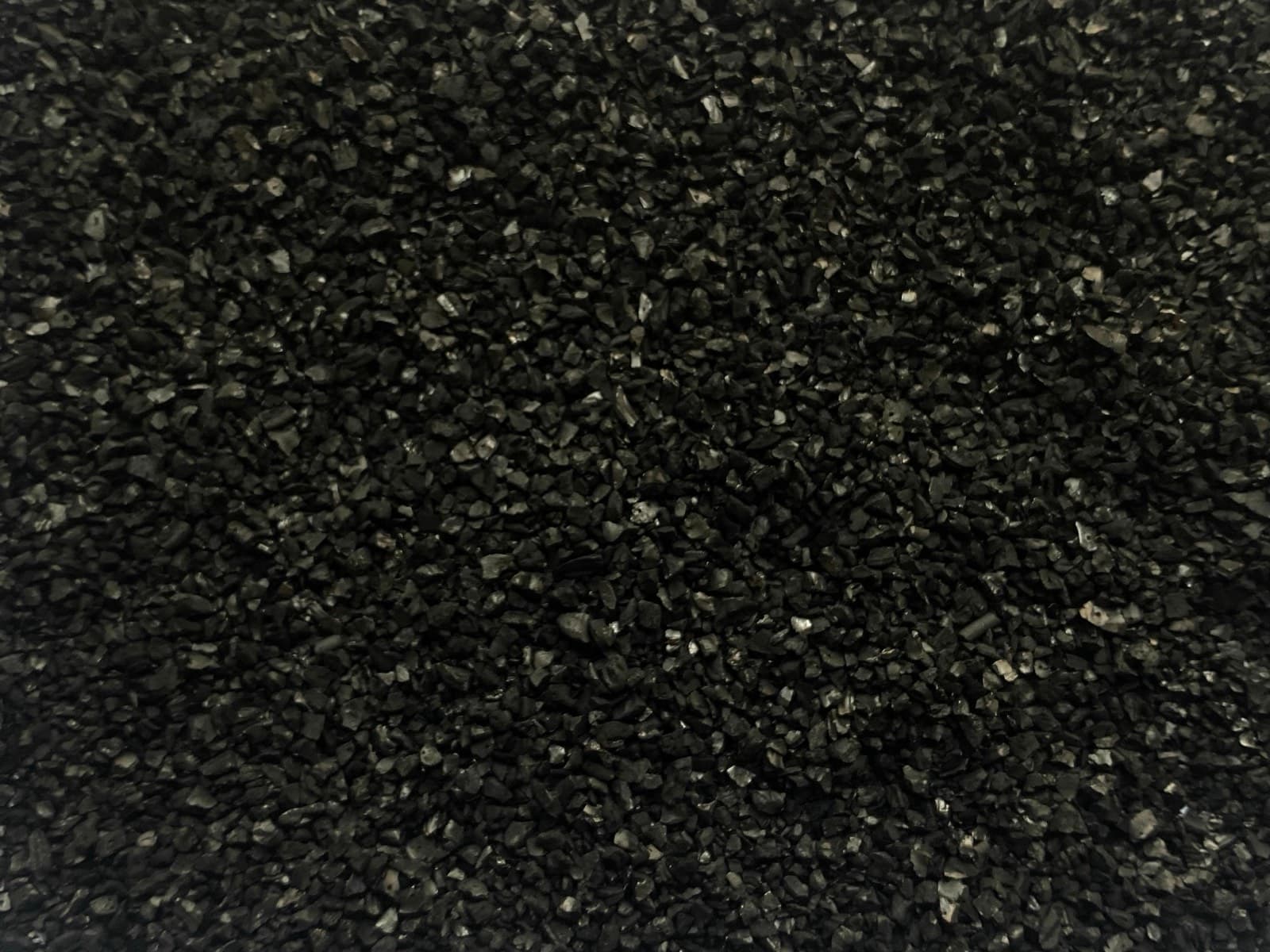
Why Activated Carbon Is Essential for Drinking Water
Activated carbon is the most widely used adsorbent in drinking water treatment worldwide. Over 70% of municipal drinking water treatment plants in North America and Europe incorporate activated carbon at some stage of their treatment process. The reason is simple: no other single technology can simultaneously remove chlorine, taste and odor compounds, natural organic matter (NOM), synthetic organic chemicals (SOCs), and emerging contaminants like PFAS and pharmaceuticals.
The U.S. EPA lists granular activated carbon (GAC) as the Best Available Technology (BAT) for removing over 50 regulated contaminants from drinking water, including trihalomethanes (THMs), volatile organic compounds (VOCs), and pesticides. Whether you operate a municipal treatment plant serving millions of people or an industrial facility requiring process-grade potable water, understanding how to select and operate activated carbon systems is critical. For a broader overview of treatment applications, see our complete activated carbon water treatment guide.
GAC vs PAC: Which Form for Drinking Water?
The two primary forms of activated carbon used in drinking water treatment are granular activated carbon (GAC) and powdered activated carbon (PAC). Each has distinct advantages depending on your treatment objectives and infrastructure.
| Parameter | GAC (Granular) | PAC (Powdered) |
|---|---|---|
| Particle Size | 0.4–2.4 mm (8×30 or 12×40 mesh) | <0.075 mm (200 mesh) |
| Application Method | Fixed-bed filter or contactor | Dosed into water, removed with sludge |
| Contact Time | 10–20 min EBCT | 30–60 min mixing |
| Capital Cost | Higher (filter vessels needed) | Lower (uses existing mix tanks) |
| Operating Cost | Lower (regenerable, long life) | Higher (single-use, continuous dosing) |
| Removal Efficiency | Higher (full bed utilization) | Moderate (short contact, partial use) |
| Regeneration | Thermal regeneration possible | Not regenerated (disposed with sludge) |
| Best For | Continuous treatment, permanent installation | Seasonal taste/odor events, emergency response |
For permanent drinking water installations, GAC is almost always the better choice. It provides consistent, predictable treatment, can be regenerated for reuse, and achieves higher overall removal efficiencies. PAC is best reserved for seasonal problems (algal taste and odor events) or as an emergency response tool when unexpected contamination occurs.
Need activated carbon?
Get Factory-Direct Pricing — No Middlemen
20+ years manufacturing. MOQ 1 ton. Free samples. Reply within 2 hours.
Coconut Shell vs Coal-Based Carbon for Drinking Water
The raw material determines the pore structure, and pore structure determines what contaminants the carbon can remove effectively. For drinking water, two raw materials dominate:
Coconut Shell Carbon
- • Micropore dominant (pores <2 nm) — 85–95% of total pore volume
- • Superior for small molecule removal: chlorine, THMs, VOCs, taste & odor
- • Highest hardness (>97%) — minimal fines, longer bed life
- • Lower ash (<3%) — cleaner effluent, less mineral leaching
- • Higher iodine number (1000–1200 mg/g)
- • Best choice for most drinking water applications
Coal-Based Carbon
- • Mixed pore structure — micro, meso, and macropores
- • Better for larger molecules: NOM, humic acids, color removal
- • Wider pore size distribution handles diverse contaminant mixtures
- • Lower cost per kg (typically 20–30% cheaper)
- • Moderate hardness (85–95%)
- • Good choice for NOM-heavy source water
Many utilities use a blend — coconut shell GAC in the final polishing stage (where taste, odor, and VOC removal are critical) and coal-based GAC earlier in the process (where NOM loading is high). This optimizes both performance and cost.
Key Specifications for Drinking Water Carbon
When sourcing activated carbon for drinking water, these are the critical parameters to specify in your purchase order:
| Parameter | Specification | Why It Matters |
|---|---|---|
| Iodine Number | ≥1000 mg/g | Indicates micropore volume; higher = better VOC/chlorine removal |
| Particle Size | 8×30 or 12×40 mesh | 12×40 for taste/odor; 8×30 for higher flow rates |
| Hardness | ≥95% (ball-pan) | Prevents fines generation during backwash |
| Moisture | ≤5% | You pay for carbon, not water |
| Ash Content | ≤5% (coal) / ≤3% (coconut) | High ash can leach minerals, increase pH |
| Apparent Density | 0.45–0.55 g/mL | Affects bed weight and expansion during backwash |
| NSF/ANSI 61 | Required | Mandatory for public drinking water systems in US/Canada |
Contaminants Removed by Activated Carbon in Drinking Water
Activated carbon is effective against a wide range of drinking water contaminants:
Highly Effective (>90% removal)
- • Free chlorine and chloramines
- • Taste and odor compounds (MIB, geosmin)
- • Trihalomethanes (THMs)
- • Volatile organic compounds (VOCs)
- • Pesticides and herbicides
- • PFOA and PFOS (long-chain PFAS)
- • Pharmaceuticals and endocrine disruptors
- • Benzene, toluene, xylene (BTEX)
Moderately Effective (50–90%)
- • Natural organic matter (NOM/TOC)
- • Color (humic/fulvic acids)
- • Short-chain PFAS (PFBS, PFBA)
- • Some heavy metals (with impregnated carbon)
- • Microplastics (GAC beds act as physical filter)
For PFAS removal, coconut shell GAC with high micropore volume delivers the best performance. Many utilities are now retrofitting existing GAC contactors specifically for PFAS compliance.
System Design: Sizing a GAC Contactor
Proper system design is critical for drinking water GAC installations. The key design parameter is Empty Bed Contact Time (EBCT) — the time water spends in contact with the carbon bed.
Design Parameters
EBCT for chlorine/taste/odor:
5–10 minutes
EBCT for VOCs/SOCs:
10–15 minutes
EBCT for PFAS removal:
10–20 minutes
Hydraulic loading rate:
5–15 m/h (2–6 gpm/ft²)
Bed depth:
1.0–3.0 m (3–10 ft)
Backwash expansion:
20–30% bed expansion
Example sizing: For a 500 m³/h drinking water plant targeting VOC removal with 12×40 coconut shell GAC at 12 min EBCT: Carbon volume = 500 × (12/60) = 100 m³. At 0.48 g/mL apparent density = approximately 48 metric tons of GAC. Using two contactors in series (lead-lag configuration) requires 2 × 50 m³ vessels.
For detailed system design guidance, see our GAC system design for water treatment guide.
NSF/ANSI 61 Certification: Why It Matters
In the United States and Canada, any material that contacts drinking water must comply with NSF/ANSI Standard 61. This applies to activated carbon used in public water systems, point-of-entry (POE) filters, and point-of-use (POU) devices.
NSF 61 testing verifies that activated carbon does not leach harmful contaminants (metals, organics) into water above regulated levels. When selecting a supplier, always request:
- • NSF/ANSI 61 certification letter for the specific product grade
- • Third-party lab test results (not just manufacturer self-certification)
- • Batch-specific Certificate of Analysis (COA)
- • AWWA B604 compliance documentation
For more on certifications, read our activated carbon certification guide.
Operation and Maintenance
Proper O&M maximizes carbon life and treatment performance:
- Regular backwashing: Backwash GAC beds every 1–4 weeks at 20–30% bed expansion to remove accumulated sediment and redistribute carbon. Over-backwashing wastes water; under-backwashing creates channeling. For guidance on filter media selection and design, see our carbon filter guide.
- Monitor effluent quality: Track chlorine residual, TOC, and taste/odor at the contactor outlet. Rising values indicate carbon exhaustion approaching.
- Lead-lag operation: Run two contactors in series. When the lead unit exhausts, move the lag to lead position and replace carbon in the former lead. This maximizes carbon utilization.
- Biological activity: After chlorine is consumed in the top layer, the lower bed develops beneficial biological activity (BAC — biologically activated carbon) that further degrades NOM. This is normal and extends effective bed life.
- Regeneration vs replacement: For large systems (>20 tons GAC), thermal regeneration is typically more economical than virgin carbon replacement. See our regeneration methods guide.
Cost Considerations
Activated carbon costs for drinking water treatment vary by carbon type, quantity, and region. Typical ranges (2026 market):
| Carbon Type | Price Range (FOB China) | Typical Order Size |
|---|---|---|
| Coconut Shell GAC 12×40 | $800–$1,400/ton | 1–20 FCL (20–400 tons) |
| Coal-Based GAC 8×30 | $600–$1,000/ton | 1–20 FCL |
| PAC (Wood-Based) | $500–$900/ton | 5–50 tons |
| NSF 61 Certified GAC | $1,200–$1,800/ton | Minimum 5 tons |
For detailed pricing information, see our coconut shell activated carbon price guide and general pricing guide.
Frequently Asked Questions
Which type of activated carbon is best for drinking water purification?
Coconut shell-based granular activated carbon (GAC) is considered the gold standard for drinking water. It offers the highest micropore volume (pores <2nm), making it exceptionally effective at removing chlorine, taste, odor, and dissolved organic compounds. Its high hardness (>97%) also means less fines and longer service life in fixed-bed filters.
What certifications should activated carbon have for drinking water use?
For drinking water applications, activated carbon must be certified to NSF/ANSI Standard 61 (Drinking Water System Components). This ensures the carbon does not leach harmful substances into treated water. Additional certifications include AWWA B604 (GAC standard), EN 12915 (European standard), and ISO 9001 for manufacturing quality management.
How much activated carbon is needed per cubic meter of drinking water?
For GAC fixed-bed filters, a typical design uses 10–20 minutes of empty bed contact time (EBCT), which translates to approximately 200–400 kg of GAC per 100 m³/hour of water flow. For PAC dosing in conventional treatment plants, typical rates are 5–50 mg/L depending on the contaminant load and treatment objectives.
How often should activated carbon be replaced in a drinking water system?
GAC in municipal systems typically lasts 12–36 months depending on water quality, flow rate, and target contaminants. Key indicators for replacement: chlorine breakthrough, increasing TOC in effluent, or declining taste/odor removal. Many utilities regenerate spent GAC thermally rather than replacing with virgin carbon to reduce costs.
Can activated carbon remove PFAS from drinking water?
Yes, GAC can remove PFAS (per- and polyfluoroalkyl substances) from drinking water, particularly longer-chain PFAS like PFOA and PFOS. However, shorter-chain PFAS are harder to adsorb and may require specialized carbon or combination with ion exchange resins. Coconut shell GAC with high micropore volume generally performs best for PFAS removal.
Need Activated Carbon for Drinking Water?
We manufacture NSF-grade coconut shell GAC and coal-based GAC for drinking water applications. Iodine number ≥1050 mg/g, hardness ≥97%, with full COA and certification support. MOQ 1 ton, global shipping.
Request Quote →