Engineering Guide
GAC System Design for Water Treatment
A practical engineering guide to designing effective granular activated carbon filtration systems.
⚡ Quick Answers
- What are the key design parameters for a GAC system?
- Critical parameters: EBCT (10–20 min), hydraulic loading rate (5–15 m/h), bed depth (1.5–3.0 m), carbon size (8×30 or 12×40 mesh), minimum 2 contactors for continuous operation, backwash rate/frequency, and carbon change-out logistics.
- Should I use single or multiple contactors in series?
- Multiple in lead-lag configuration is strongly recommended. This maximizes carbon utilization — the lead is fully exhausted while the lag continues treatment. Single contactors waste 30–50% of remaining capacity by requiring early replacement at breakthrough.
- How do I determine when GAC needs replacement?
- Monitor effluent for target contaminant breakthrough. Set action levels at 50–75% of treatment objective. Use regular sampling (weekly to monthly) or online TOC/UV254 analyzers for continuous monitoring. Track influent loading to predict change-out timing.
- What type of GAC vessel should I specify?
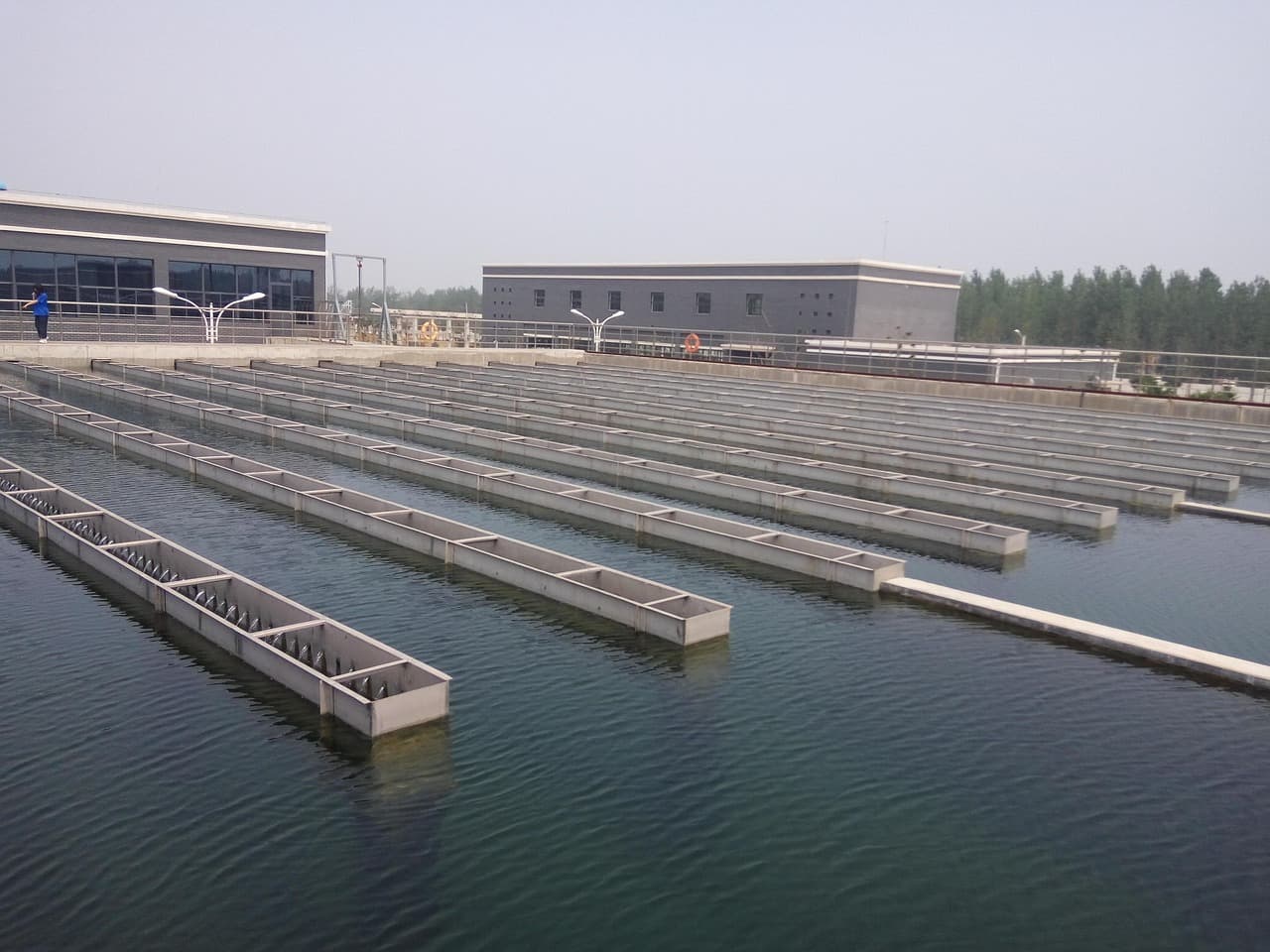
- Small systems (<50 m³/h): pressure vessels (steel or FRP) in downflow mode. Large municipal systems: concrete gravity contactors for easy carbon change-out. Specify corrosion-resistant internals, proper underdrain systems, and 50% freeboard for backwash expansion.
Understanding EBCT (Empty Bed Contact Time)
EBCT is the most critical parameter in GAC system design. It represents the theoretical time water spends in contact with the carbon bed:
EBCT = Bed Volume (L) ÷ Flow Rate (L/min)
Typical EBCT values by application:
- • Dechlorination: 2-5 minutes
- • Taste & odor removal: 5-10 minutes
- • Organic removal (TOC): 10-20 minutes
- • Trace contaminants: 15-30 minutes
Bed Depth and Flow Rate
The relationship between bed depth, flow rate, and EBCT determines system performance:
Minimum Bed Depth
0.6-1.0 meters for most applications. Deeper beds provide better kinetics and longer service life.
Surface Loading Rate
5-15 m³/m²/hr typical. Higher rates reduce contact time but increase throughput.
Need activated carbon?
Get Factory-Direct Pricing — No Middlemen
20+ years manufacturing. MOQ 1 ton. Free samples. Reply within 2 hours.
Need bulk pricing for GAC system design?
Factory-direct rates, MOQ 1 ton. Get a quote in 24 hours.
Carbon Selection
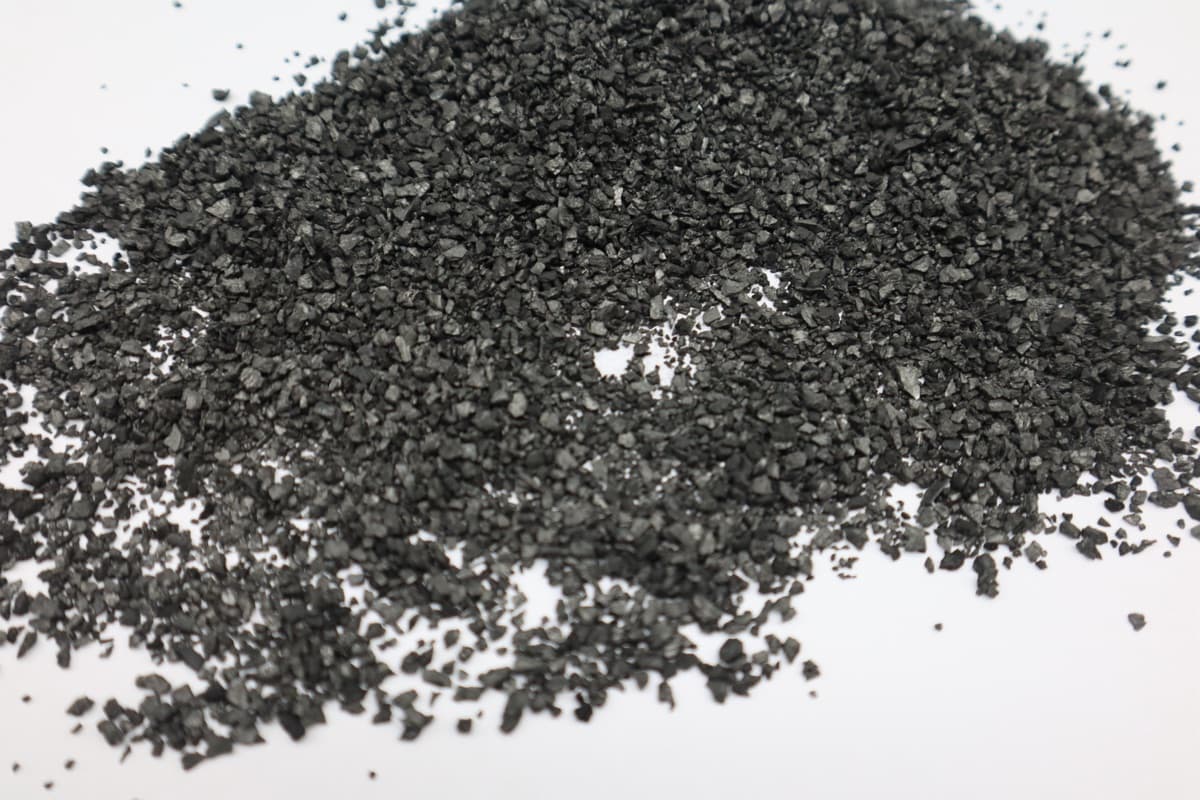
Choose the right granular activated carbon based on your target contaminants:
- • Coconut shell GAC: Best for dechlorination, drinking water (high micropore volume)
- • Coal-based GAC: Cost-effective for industrial wastewater, larger molecules
- • 8×30 mesh: Standard for most water treatment applications
- • 12×40 mesh: Finer particles, better kinetics, higher pressure drop
Regeneration Cycle Estimation
Service life depends on influent quality and target effluent standards. Typical indicators for regeneration:
- • Breakthrough of target contaminant (e.g., chlorine >0.1 ppm)
- • Bed volumes treated: 10,000-50,000 BV typical
- • Pressure drop increase >50% from initial
- • Effluent quality degradation
System Configuration Options
Single Bed
Simple, lower cost. Requires shutdown for carbon replacement.
Lead-Lag Series
Two beds in series. Lead bed exhausts first, becomes lag. Continuous operation.
Parallel Banks
Multiple beds in parallel. High capacity, redundancy for maintenance.
Moving Bed
Continuous carbon addition/removal. For high-load industrial applications.
Common Design Mistakes
- • Undersizing EBCT for the target contaminant
- • Ignoring pretreatment (suspended solids foul carbon beds)
- • Wrong mesh size for the application
- • No provision for backwash or bed expansion
- • Inadequate sampling ports for monitoring
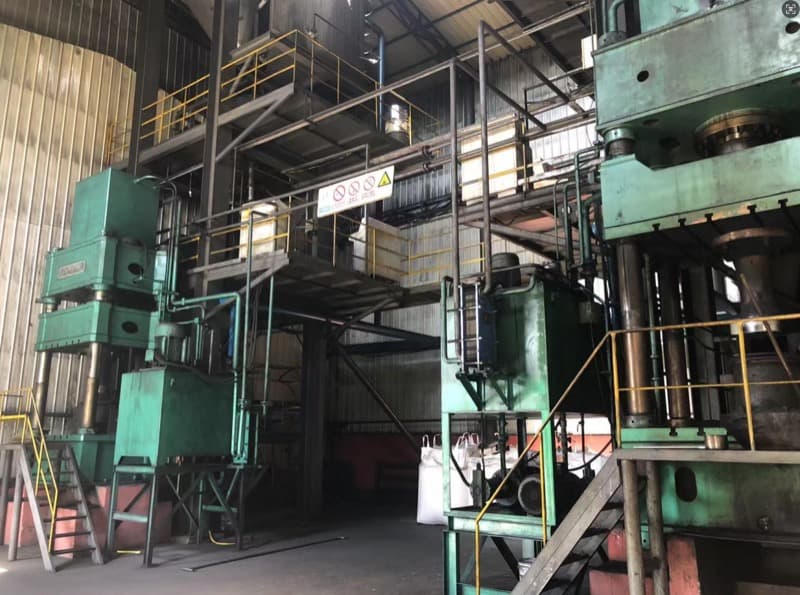
Our Manufacturing Facility
We manufacture GAC products at our modern production facility equipped with advanced rotary kilns and rigorous quality testing. Every batch is tested for iodine number, hardness, and particle size distribution to ensure reliable performance in water treatment systems.
Need Help With Your GAC System?
Our technical team can help you select the right carbon and design an effective system for your application.
Get Technical Support →Request a Quote
Get GAC system design Pricing — Factory Direct
Tell us your application and required quantity. We reply with a factory quote within 24 hours.