
I'm going to save you from the generic “activated carbon is a porous material used for water purification” introduction. You're here because you have a specific water treatment problem and need to figure out which carbon to buy. Fair enough.
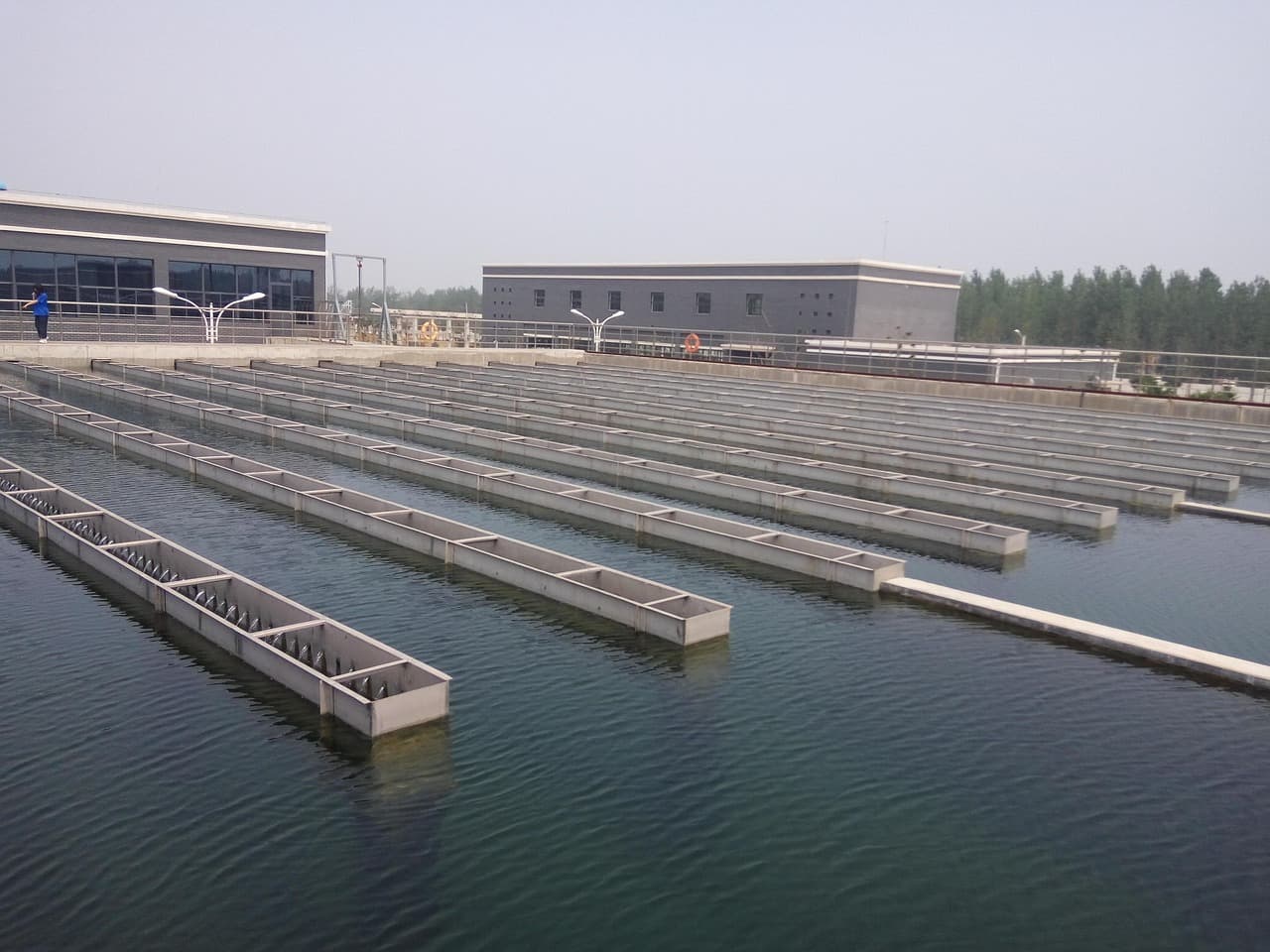
We manufacture and export roughly 25,000 metric tons of activated carbon annually from our Fujian production base. About 45% of that goes into water treatment applications — everything from a 500,000 m³/day municipal plant in Southeast Asia to small groundwater remediation jobs in the American Midwest. The perspective here comes from the factory floor, the lab, and a lot of project debriefs that didn't always go well. So take what you need and skip the rest.
How Activated Carbon Actually Removes Contaminants
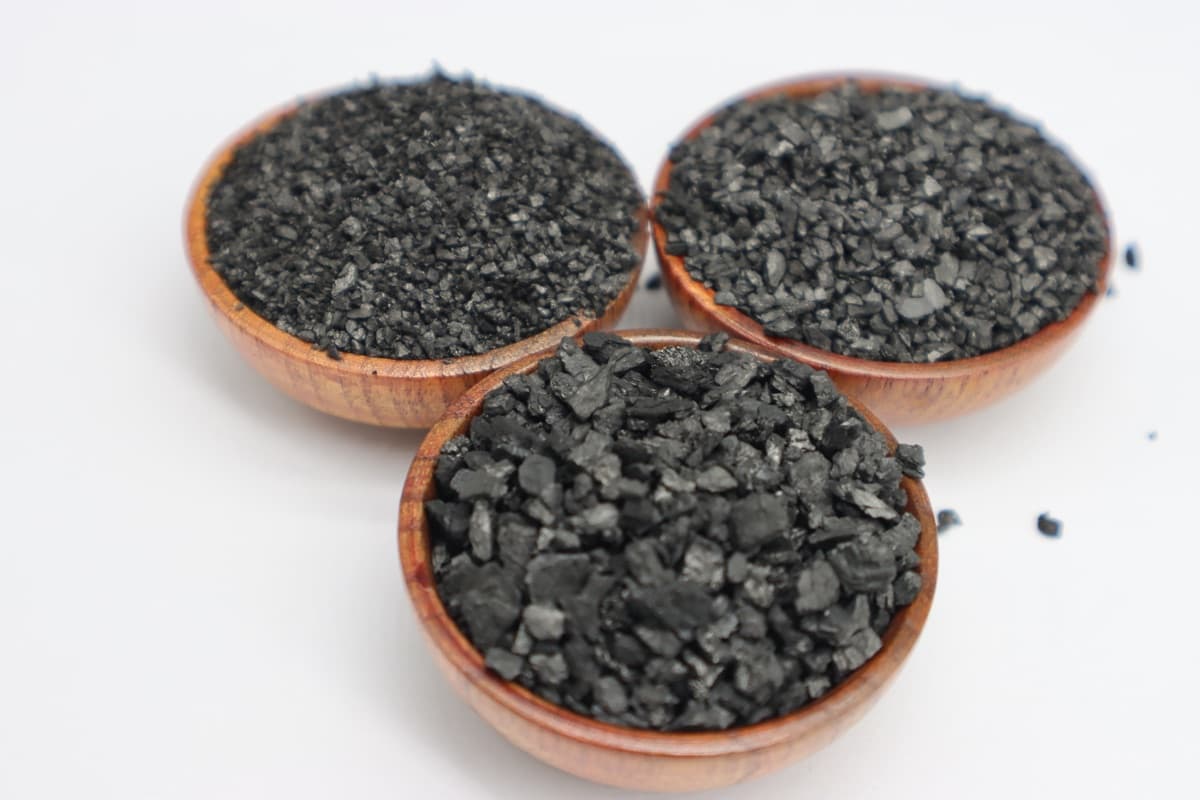
The mechanism is adsorption — not absorption, big difference. The contaminant molecules don't get soaked into the carbon like water into a sponge. They physically bond to the carbon's internal surface through van der Waals forces and, in some cases, chemical interactions. One gram of decent activated carbon has somewhere between 800–1,200 m² of internal surface area. That's roughly the floor area of four tennis courts, packed into something the size of a pea.
Here's what trips people up: not all pores are created equal. Activated carbon has three categories of pores, and the distribution between them determines what it can and can't remove:
The practical takeaway: the “best” carbon isn't the one with the highest surface area or iodine number. It's the one whose pore size distribution matches your target contaminant. A 1200 iodine coconut shell carbon is overkill for removing color from wastewater — you'd be better served by an 800 iodine wood-based carbon with aggressive mesopore development. Context always wins.
Need activated carbon?
Get Factory-Direct Pricing — No Middlemen
20+ years manufacturing. MOQ 1 ton. Free samples. Reply within 2 hours.
GAC vs PAC: The Decision That Shapes Everything Else
Before you get into raw material types or iodine numbers, you need to settle one fundamental question: granular activated carbon (GAC) or powdered activated carbon (PAC)? This choice drives your capital costs, operational workflow, performance profile, and disposal strategy. Get this wrong and nothing downstream matters.
| Factor | GAC | PAC |
|---|---|---|
| Particle Size | 0.5–4 mm (8×30 or 12×40 mesh typical) | 80% passing 200 mesh (< 75 μm) |
| Application Method | Fixed bed / pressure vessel / gravity filter | Dosed directly into the water stream, removed by sedimentation/filtration |
| Contact Time | 5–20 minutes EBCT (empty bed contact time) | 30–60 minutes typical, but variable |
| Capital Cost | Higher — needs vessels, piping, backwash system | Lower — just a dosing system and existing clarifier |
| Operating Cost | Lower per m³ treated (carbon is reused until exhausted) | Higher — single-use, consumed with each dose |
| Reactivation | Yes — thermal reactivation extends lifecycle 4–8 cycles | Not economical — too fine to recover |
| Best For | Continuous treatment, large volume, consistent influent | Seasonal spikes, taste/odor events, retrofitting existing plants |
The dirty secret of PAC: plants love it because the upfront infrastructure cost is almost nothing. You buy some bulk bags, rig up a screw feeder or slurry tank, and start dosing. But the per-unit treatment cost is brutal. We had one municipal client in Vietnam spending $0.018/m³ on PAC — not terrible until you multiply it by 200,000 m³/day and 365 days. They switched to GAC filtration after two years, and their carbon cost dropped to $0.006/m³. I'll cover that case study in detail below.
That said, PAC has a legitimate place. If you're dealing with seasonal algal blooms causing taste and odor issues 2–3 months a year, installing a permanent GAC system for a seasonal problem is capital you'll never recover. Dose PAC at 15–30 mg/L during the bad months and call it a day.
Choosing Carbon by Application: Three Scenarios
Scenario 1: Municipal Drinking Water
The workhorse application. You're removing chlorine, chloramine, THMs (trihalomethanes), taste, odor, and increasingly — PFAS. The go-to configuration is a GAC filter bed using coconut shell or bituminous coal-based carbon, 8×30 mesh, with an EBCT of 10–15 minutes.
Coconut shell wins here on micropore volume and hardness, but I have to be honest: for some municipal applications, a good reagglomerated bituminous carbon (like Calgon F400-equivalent) gives you better overall value. It costs 15–20% less per ton, has a broader pore distribution for multi-contaminant removal, and reactivates well. We manufacture both — the right answer depends on your specific water matrix.
Key specs for municipal drinking water carbon:
- →Iodine number: 1000+ mg/g (1050+ preferred)
- →BET surface area: 900+ m²/g
- →Hardness: >95% (for GAC beds with regular backwash)
- →Ash: <5%, must pass NSF/ANSI 61 extractables testing
- →Moisture at delivery: <5%
Scenario 2: Industrial Wastewater
Industrial wastewater is a different animal. You're usually dealing with higher COD/BOD loads, variable influent quality, specific pollutants (phenol, dyes, heavy metals, petrochemicals), and sometimes regulatory discharge limits that leave zero margin. The carbon choice here is much more application-specific.
For textile dyeing wastewater, you want mesopore-rich coal-based carbon (or wood-based for the really big dye molecules). Iodine number is almost irrelevant — methylene blue adsorption and molasses number are better predictors of performance. We typically recommend coal-based columnar carbon, 4mm diameter, with a methylene blue value of 180+ mg/g.
For petrochemical wastewater with BTEX and PAH compounds, coconut shell GAC at 1000+ iodine is the right move. The micropore structure maps well to these molecular sizes. Bed configuration: 8×30 mesh, EBCT of 15–20 minutes, with a lead-lag vessel setup so you can swap the lead vessel without taking the system offline.
For pharmaceutical wastewater — honestly, talk to us directly. Every pharma effluent stream is different, and we usually run bench-scale isotherm tests before recommending anything. Blanket advice would be irresponsible. Reach out with your water analysis data and we'll run the tests free of charge.
Scenario 3: Groundwater Remediation
Groundwater cleanup is where the stakes — and the regulations — are the highest. You're typically dealing with EPA Superfund or state-level remediation orders, contaminants like TCE, PCE, MTBE, 1,4-dioxane, or increasingly PFAS/PFOA. The carbon has to perform consistently over 12–24 month cycles, and the paper trail has to be airtight.
For chlorinated solvents (TCE, PCE), coconut shell GAC with 1050+ iodine, 8×30 mesh, run in a lead-lag configuration at 10–15 min EBCT. Nothing exotic — this is a well-established design. The important thing is monitoring: sample the effluent of the lead vessel weekly and have a breakthrough threshold that triggers swap-out well before you hit your discharge limit.
For PFAS — that's a whole section below, because it deserves its own treatment. We also have a dedicated PFAS removal guide if you need deeper detail on that topic specifically.
The Parameters That Actually Move the Needle
Every activated carbon datasheet has 15–20 parameters. Most of them won't make or break your water treatment project. Here are the ones that actually matter, and why:
Iodine Number (mg/g)
The most commonly cited — and most commonly misunderstood — parameter. Iodine number is a proxy for total surface area, specifically micropore volume. Higher iodine number ≈ more micropores ≈ better adsorption of small molecules. For water treatment, you generally want 1000+ mg/g. Below 900 is junk — don't touch it regardless of what the sales rep tells you.
But here's the catch: iodine number tells you nothing about mesopore or macropore volume. A carbon with 1100 iodine could be terrible at removing large organic molecules that need mesopores to adsorb. So iodine number is necessary but not sufficient — always look at it alongside methylene blue number (mesopore indicator) and the actual pore size distribution if available.
CTC Value (Carbon Tetrachloride Activity)
Primarily a gas-phase parameter, but it's relevant in water treatment when you're targeting volatile organic compounds. CTC tells you how well the carbon adsorbs a medium-sized organic molecule. For water treatment specifically, look for CTC ≥ 55%. If your water has significant VOC contamination (common in groundwater near industrial sites), push that to 60%+.
BET Surface Area (m²/g)
Total internal surface area measured by nitrogen adsorption. For water treatment carbons, 900–1,100 m²/g is the normal range. Don't get seduced by ultra-high numbers like 1,500+ m²/g — those are usually chemically activated carbons with fragile pore structures that collapse under wet conditions. Stick with steam-activated product for water applications.
Particle Size / Mesh
Smaller particles = faster adsorption kinetics but higher pressure drop across the bed. This is a genuine engineering tradeoff:
- →8×30 mesh — Standard for most gravity filters and pressure vessels. Good balance of kinetics and head loss. Our most-shipped size for water treatment.
- →12×40 mesh — Finer, faster kinetics, better for short EBCT systems. But needs more frequent backwash and generates higher pressure drop. Common in point-of-entry residential systems.
- →4×8 mesh — Coarse, low pressure drop, used in large-scale gravity filters where flow rate is king. Slower kinetics — needs longer EBCT to compensate.
The PFAS Problem: What You Need to Know for 2025
If you're in drinking water treatment, PFAS is probably the single biggest issue on your desk right now. The EPA finalized its National Primary Drinking Water Regulation (NPDWR) for PFAS in April 2024, setting maximum contaminant levels (MCLs) at 4 ppt for PFOA and PFOS individually, with a hazard index for four additional PFAS compounds. Compliance deadline is 2029, but the smart utilities are already moving.
Here's the reality on carbon for PFAS removal:
GAC works. Full stop. It's proven, it's commercially deployed at dozens of utilities already, and it's cost-competitive with ion exchange and membrane alternatives. But the devil is in the details.
Bituminous coal-based GAC outperforms coconut shell for PFAS. This is one of the few cases where coconut shell isn't the best answer. The longer-chain PFAS compounds (PFOA, PFOS) are larger molecules that adsorb better in the mesopore/transport pore range, where coal-based carbon has an advantage. Our testing shows bituminous GAC achieving 15,000–25,000 bed volumes to 70 ppt PFOA breakthrough, versus 8,000–14,000 bed volumes for coconut shell under identical conditions.
Short-chain PFAS (PFBS, PFBA, GenX) is harder. They break through faster — sometimes 3,000–5,000 bed volumes — because the molecules are smaller and more hydrophilic. For short-chain dominant profiles, consider a hybrid approach: GAC as a polishing step behind an anion exchange resin.
PFAS Carbon Selection Quick Rules
- 1.Use bituminous coal-based GAC, not coconut shell — the mesopore advantage matters here
- 2.Target 1000+ iodine number and a BV to breakthrough ≥ 10,000 (demand a rapid small-scale column test from your supplier)
- 3.EBCT of 10–20 minutes — longer is better for PFAS, 10 is the minimum
- 4.Plan for reactivation or offsite disposal — PFAS-loaded carbon is a regulatory headache; thermal reactivation at 800°C+ destroys PFAS effectively
- 5.Monitor frequently — at least monthly sampling during the first year, with PFAS-specific analytical methods (EPA 533 or 537.1)
One thing that doesn't get enough attention: co-contaminant competition. Natural organic matter (NOM) in your source water will compete with PFAS for adsorption sites and dramatically shorten bed life. A water source with 4 mg/L TOC will exhaust the carbon 2–3x faster than a clean groundwater with 0.5 mg/L TOC, even at the same PFAS concentration. Factor this into your lifecycle cost analysis.
Dosing Calculations & Replacement Cycles
GAC Bed Sizing
The fundamental calculation is simple:
Bed Volume (m³) = Flow Rate (m³/hr) × EBCT (hr)
Carbon Weight (kg) = Bed Volume × Apparent Density (typically 450–550 kg/m³)
Example: a 5,000 m³/day plant (≈ 208 m³/hr) with a 15-minute EBCT needs a bed volume of 208 × 0.25 = 52 m³. At an apparent density of 500 kg/m³, that's 26,000 kg (26 metric tons) of GAC per vessel. With a standard lead-lag configuration, you need two vessels = 52 tons total initial charge.
PAC Dosing
PAC dosing is straightforward: milligrams of carbon per liter of water (mg/L). Typical ranges:
- →Taste & odor control: 5–15 mg/L
- →General organic removal: 15–30 mg/L
- →Emergency spill response: 30–100+ mg/L (yes, really)
Annual PAC consumption = dose (mg/L) × daily flow (m³/d) × dosing days per year / 1,000,000 (to convert to metric tons). For a 100,000 m³/day plant dosing 20 mg/L year-round, that's 730 metric tons of PAC per year. At $800–1,200/ton FOB China, you're looking at $580k–$875k annually in carbon cost alone.
GAC Replacement Cycles
This is the question everyone asks, and nobody wants to hear the real answer: it depends. But here are ballpark numbers from our project experience:
- →Municipal drinking water (chlorine/THM removal): 12–24 months, depending on influent quality and EBCT
- →PFAS removal: 6–18 months — highly variable based on PFAS concentration, chain length, and competing organics
- →Industrial wastewater polishing: 6–12 months typical, some high-load applications every 3–4 months
- →Groundwater remediation (VOCs): 12–36 months for the lead vessel in a lead-lag setup
Pro tip: thermal reactivation can extend your total carbon lifecycle by 4–8 cycles. The carbon loses about 5–10% mass each reactivation cycle (topped up with virgin carbon), and the adsorption capacity typically recovers to 90–95% of virgin performance. At $1,200–1,500/ton for virgin GAC versus $400–600/ton for reactivation, the economics are compelling — if you're consuming enough volume to justify a reactivation contract (usually 50+ tons/year minimum).
Case Study: PAC-to-GAC Conversion at a Southeast Asian Municipal Plant
We worked with a 200,000 m³/day municipal water treatment plant in Vietnam that had been using PAC for taste and odor control since commissioning in 2018. Their source water — a surface reservoir — had seasonal algal blooms that pushed geosmin and MIB levels to 80–120 ng/L during July–October. The rest of the year, things were manageable.
Their initial PAC dosing was supposed to be seasonal — 20 mg/L during the bloom months. But by 2021, water quality had degraded enough that they were dosing year-round at 10–25 mg/L. Annual PAC consumption hit 1,100 metric tons. At their contracted price of roughly $950/ton CIF, that's over $1 million/year in carbon cost.
We proposed a GAC retrofit: repurpose two of their existing sand filter cells as GAC contactors. Each cell held 85 m³ of media, giving a total bed volume of 170 m³ and an EBCT of about 12 minutes at design flow. We supplied 88 tons of 8×30 mesh coconut shell GAC, iodine number 1050 mg/g.
Results After 18 Months
| Metric | PAC System | GAC System |
|---|---|---|
| Annual Carbon Cost | $1,045,000 | $168,000 (incl. initial charge amortized over 3 yr) |
| Carbon Cost per m³ | $0.0143 | $0.0023 |
| Geosmin Removal | 75–85% (variable with dose) | 95–99% (consistent) |
| THM Reduction | Minimal (PAC contact time too short) | 40–55% reduction in finished water |
| Operational Complexity | Daily dose adjustment, slurry system maintenance | Backwash scheduling, quarterly monitoring |
| Sludge Impact | Significant — carbon fines in sludge stream | None |
The plant paid back the GAC retrofit cost (vessel modifications, media, installation) in 14 months through carbon savings alone. The bonus they didn't expect: because GAC is so much more effective at THM precursor removal, their disinfection byproduct levels in the distribution system dropped significantly. That's a public health win that doesn't show up in the cost comparison.
Fair disclosure: this is an ideal case study. The plant had existing filter infrastructure that could be repurposed, and their year-round PAC usage made the economics a slam dunk. If your plant only doses PAC 2–3 months a year, the payback looks very different. Run the numbers for your specific situation.
How to Actually Spec Carbon for Your Project
Here's the process we walk clients through. It's not complicated, but skipping steps 1–2 is how you end up with 20 tons of the wrong carbon in your warehouse.
Define your target contaminants and discharge limits
What are you removing? What's the influent concentration? What effluent level do you need to hit? This drives everything.
Run bench-scale testing
Isotherm tests with 3–4 candidate carbons using your actual water. This costs $500–2,000 and takes 2–4 weeks. We offer this free for serious projects.
Select carbon type and size the system
Based on isotherm results, pick the carbon that gives you the best capacity per dollar. Size the contactors for your flow rate and required EBCT.
Pilot if budget allows
A rapid small-scale column test (RSSCT) or small pilot column validates the design under real flow conditions. Not always necessary for standard applications, but critical for PFAS or novel contaminants.
Procure with clear specs and independent QC
Write a spec sheet with minimum iodine number, mesh size, hardness, ash, and moisture limits. Test a pre-shipment sample independently. Do not skip this. We've seen too many projects get burned by suppliers padding datasheets. See our guide to choosing an activated carbon supplier for red flags to watch for.
Bottom Line
Water treatment carbon selection isn't rocket science, but it's not something you should shortcut either. The difference between the right carbon and the wrong carbon can be hundreds of thousands of dollars in operating cost over a system lifecycle — and that's before you factor in the regulatory risk of non-compliance.
If you're specing a new project or re-evaluating your current carbon supplier, we're happy to talk specifics. Send us your water analysis and treatment objectives, and we'll give you a straight recommendation — even if that recommendation is “don't buy from us, you need product X from another manufacturer.” We'd rather earn your trust than make a sale.
Frequently Asked Questions
What contaminants does activated carbon remove from water?
Effectively removes: chlorine, chloramines, taste/odor compounds, NOM, VOCs, pesticides, pharmaceutical residues, THMs, HAAs, and PFAS. Less effective for dissolved minerals, nitrates, and most heavy metals without special impregnation.
What is the difference between GAC filters and PAC dosing?
GAC is used in fixed-bed filters — water flows through carbon granules. PAC is dosed directly into water, mixed, then removed by sedimentation. GAC provides continuous treatment and is regenerable; PAC offers flexibility for seasonal or emergency treatment without capital infrastructure.
How long does GAC last in a water treatment filter?
For municipal drinking water, 1–3 years for taste/odor control and 6–18 months for specific contaminant removal. Monitor effluent quality regularly and replace when breakthrough occurs. Bed life depends on water quality and contaminant loading.
What EBCT is recommended for GAC systems?
5–10 minutes for taste/odor removal, 10–20 minutes for TOC and DBP precursors, 15–30 minutes for specific contaminants (pesticides, PFAS), and 5–10 minutes for dechlorination. Higher EBCT means better removal but requires more carbon and larger vessels.
Should I use coconut shell or coal-based carbon for water treatment?
Coconut shell is preferred for drinking water due to higher micropore volume, lower ash, NSF certification availability, and superior hardness. Coal-based is more cost-effective for industrial wastewater and applications requiring mesopore adsorption of larger molecules.
Need Help Selecting the Right Carbon?
Send us your water analysis data and treatment objectives. We'll provide bench-scale testing and a detailed recommendation — no cost, no obligation.
Get a Free Carbon Recommendation