
If you are sourcing coconut shell carbon for drinking water, PFAS treatment, gold recovery, or food processing, here is what you need to know before you request a quote.
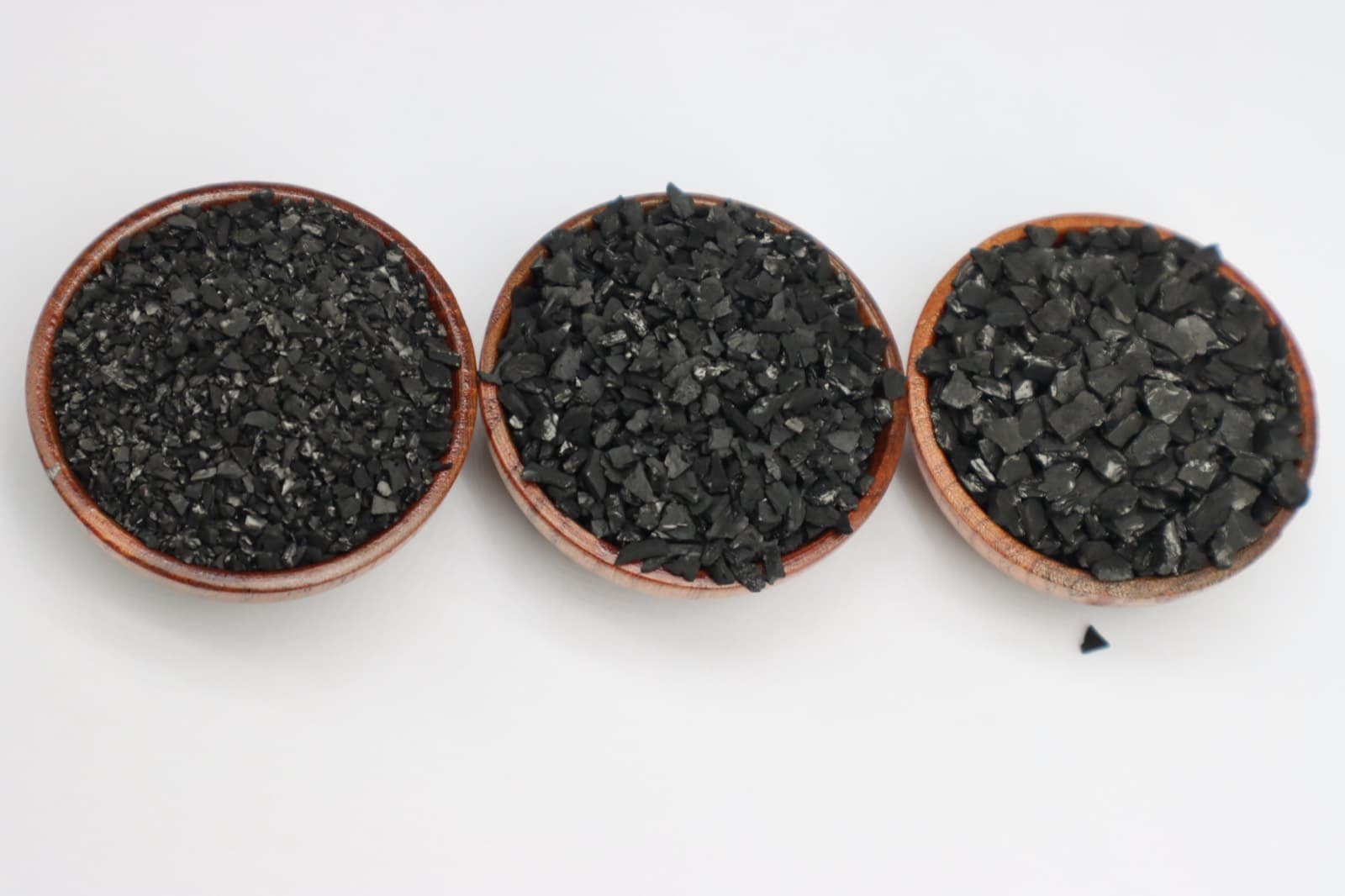
Coconut shell granular activated carbon (GAC) — produced from Indonesian and Filipino coconut shell charcoal in our dedicated processing line
Quick Price Reference — Q3 2026
$2.90–4.50
Per kg (full range)
$2,900–4,500
Per MT (FOB China)
+15%
NSF/ANSI 61 premium
18–20 MT
Per 20-ft container
FOB China prices. Actual delivered cost depends on destination, Incoterms, and current ocean freight. Contact us for CIF or DDP quotes.
Need activated carbon?
Get Factory-Direct Pricing — No Middlemen
20+ years manufacturing. MOQ 1 ton. Free samples. Reply within 2 hours.
1. Current Coconut Shell Carbon Prices by Specification
Prices below reflect our FOB Fujian / Shanxi pricing as of August 2026 for standard export grades. These are indicative ranges — exact pricing requires knowing your mesh size, iodine number target, certification requirements, and order volume.
| Grade / Mesh Size | Iodine No. (mg/g) | FOB Price / MT | Typical Use |
|---|---|---|---|
| 4×8 mesh (coarse) | 800–900 | $1,450–$1,950 | Aquariums, swimming pools, industrial water |
| 6×12 mesh | 900–1000 | $1,600–$2,200 | Drinking water, gold recovery, solvent recovery |
| 8×16 mesh | 950–1050 | $2,200–$3,100 | Gold CIP/CIL, vapor recovery, air purification |
| 8×30 mesh (standard) | 900–1050 | $1,450–$2,200 | Drinking water, PFAS pre-treatment, industrial filtration |
| 12×40 mesh (fine) | 950–1100 | $2,800–$3,800 | High-purity water, food/beverage, pharmaceutical |
| 20×50 mesh (very fine) | 1000–1100 | $2,600–$3,100 | Sensitive gas-phase applications, premium VOC removal |
| NSF/ANSI 61 Certified (any mesh) | ≥900 | +15–25% premium | US municipal drinking water systems |
Note on Iodine Number
Iodine number (mg/g) measures micropore volume and is the primary indicator of adsorption capacity for small molecules. Higher = more porous = higher price. Standard coconut shell GAC runs 900–1000 mg/g; premium grades reach 1050–1100 mg/g. Always request a CoA confirming iodine number before purchasing.
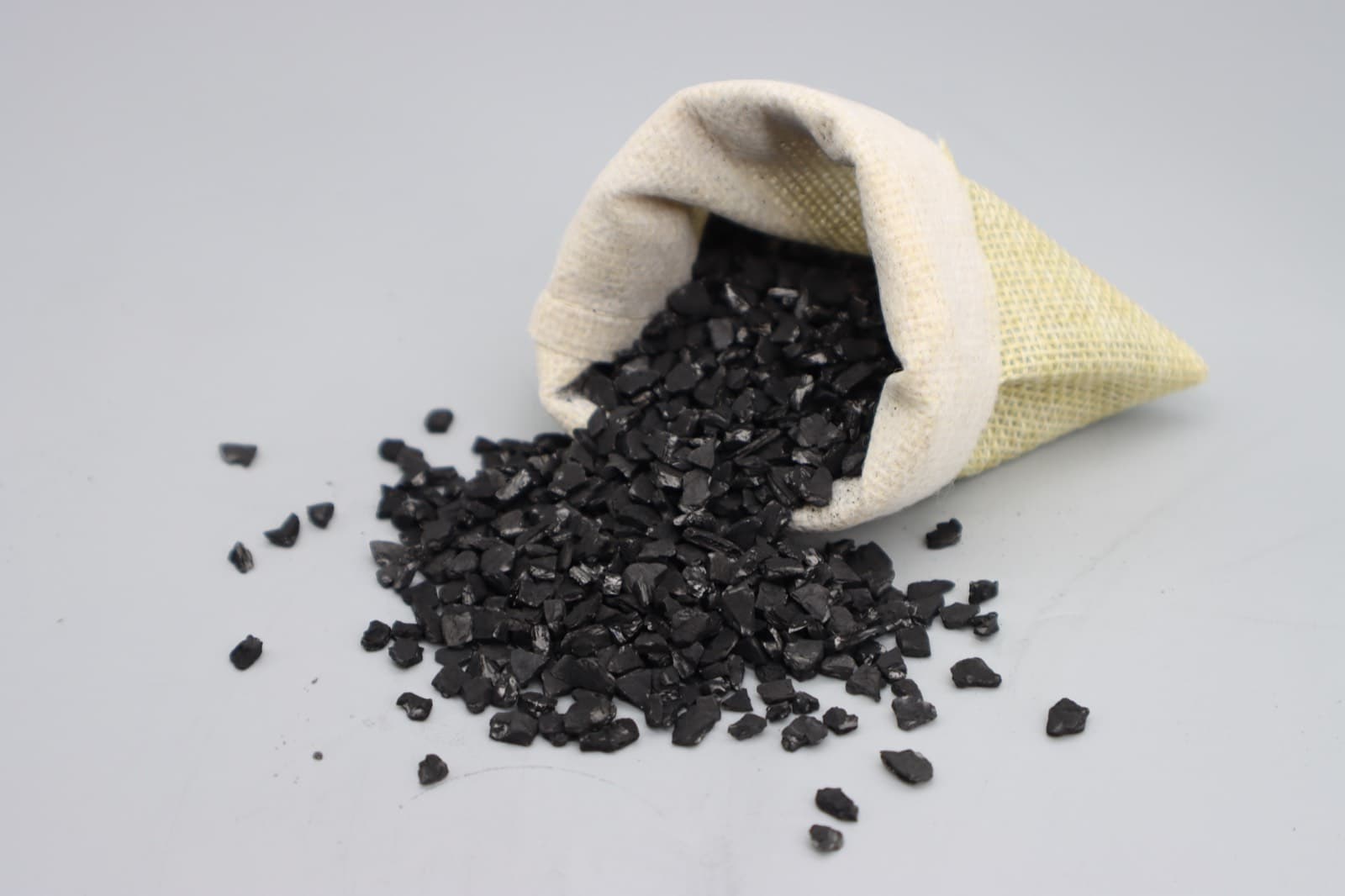
4×8 mesh coconut shell GAC — used in swimming pool filtration, aquarium media, and industrial pre-treatment
2. Why Coconut Shell Carbon Prices Are Rising in 2026
The price increase is supply-side driven. Demand is growing steadily, but supply is under more pressure than at any point in the past five years. Three factors are converging:
Raw Material Shortage in Indonesia & Philippines
Indonesia and the Philippines are the two largest sources of coconut shell charcoal. Both have seen export volumes decline due to domestic processing capacity expansion and competing demand from coconut oil, desiccated coconut, and coconut water. Indonesia's charcoal export volume dropped noticeably through 2025, and Q1 2026 has not shown recovery.
Weather and Yield Variability
El Niño weather patterns through 2024–2025 reduced coconut yields in Southeast Asia. Coconut trees require 5–8 years to mature, so yield recovery from planting programs takes years. Short-term yield shortfalls translate directly into reduced coconut shell availability.
Rising PFAS-Driven Demand
US water utilities are accelerating GAC procurement to meet EPA PFAS MCL compliance deadlines. Many specifications call for coconut shell GAC specifically — driven by preference for its microporous structure and drinking-water aesthetics (lower taste/odor vs coal-based carbon). This demand surge is hitting a supply-constrained market, amplifying the price impact.
📊 Market Signal from Our Procurement Team (March 2026)
Current lead time from order confirmation to shipment for coconut shell GAC has extended from our typical 15–20 days to 25–35 days for non-stocked grades. Buyers with Q2 2026 requirements should initiate inquiries immediately.
3. What Determines Your Actual Price
When you receive a quote that differs significantly from published price ranges, it is almost always because one of these six variables is different from standard:
Mesh Size
Finer mesh = more processing, higher price. 20×50 typically costs 25–40% more than 4×8. Select the coarsest mesh that meets your process requirements.
Iodine Number
Higher iodine value (≥1000 mg/g vs standard 800) indicates greater micropore volume. Premium grades cost 10–20% more.
Certifications Required
NSF/ANSI 61 adds ~15–25%. Food-grade (Halal, Kosher) adds similar premiums. Pharmaceutical-grade (EP/USP compliance) adds 30–50%.
Hardness / Abrasion Resistance
High-hardness grades (≥95% ball-pan hardness) for regeneration applications cost more. Standard single-use grades accept lower hardness specs.
Order Volume
Pricing breaks at 500 kg, 1 MT, 5 MT, 20 MT (FCL), and 40 MT (2 FCL). Full container pricing is typically 15–25% below small-parcel rates.
Incoterms & Destination
FOB (buyer arranges freight) is always cheapest ex-factory. CIF adds $80–$180/MT depending on destination port. DDP adds import duty and local transport.
4. Volume Pricing: From Sample to Full Container
For 8×30 mesh coconut shell GAC, iodine number ≥900 mg/g, standard export grade (non-certified):
| Order Quantity | Indicative Price / MT | vs FCL Price | Notes |
|---|---|---|---|
| Sample (5–25 kg) | $2,400–$3,200 | +60–100% | Express courier, testing/evaluation |
| 500 kg – 1 MT | $1,850–$2,150 | +20–35% | LCL shipment, pilot-scale trial |
| 2–5 MT | $1,700–$1,950 | +10–20% | LCL or partial container |
| 10–18 MT | $1,550–$1,750 | +3–10% | Near-FCL or partial FCL |
| 20 MT (1× 20-ft FCL) | $1,450–$1,650 | Baseline | Best single-container pricing |
| 40+ MT / blanket contract | $1,400–$1,550 | -3–8% | Multi-container, fixed schedule, best pricing |
Indicative pricing only. FOB Fujian/Tianjin. Actual pricing depends on specification, current raw material costs, and market conditions. Request formal quote for binding pricing.
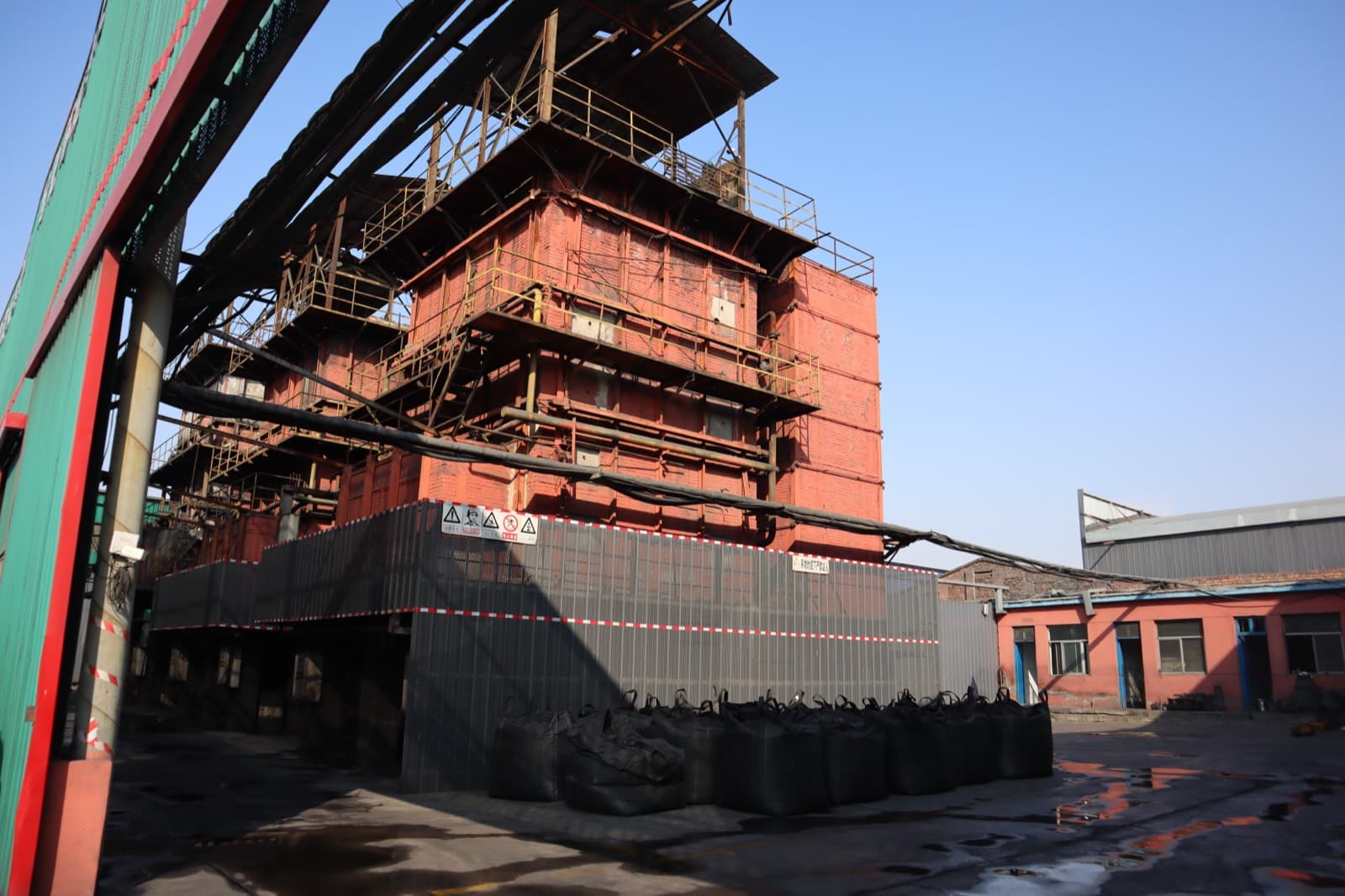
Coconut shell carbon processing workshop — our Fujian base specializes in high-iodine-number coconut shell GAC for water treatment and gold recovery
5. When to Substitute Coal-Based Carbon
Given the current price premium on coconut shell carbon, many buyers ask: can I use coal-based GAC instead? The answer depends entirely on your application:
| Application | Coconut Shell | Coal-Based | Recommendation |
|---|---|---|---|
| Drinking Water (taste & odor) | ✓ Best | ⚠ Adequate | Coconut shell preferred — lower taste/odor transfer |
| PFAS Removal (long-chain) | ✓ Very Good | ✓ Very Good | Both work — most US utilities use coal-based bituminous GAC |
| PFAS Removal (short-chain) | ⚠ Limited | ✓ Better | Coal-based GAC with high mesopore volume outperforms for PFBA, PFHxA |
| Gold CIP/CIL Recovery | ✓ Best | ✗ Not suitable | Coconut shell only — high hardness required for CIL circuit attrition |
| Industrial Air / VOC | ⚠ Good | ✓ Cost-effective | Coal-based at 30–40% lower price delivers comparable performance for most VOCs |
Our recommendation: if your specification requires NSF/ANSI 61 certified carbon for municipal water and your system was designed for coconut shell GAC, do not substitute without engineering review. For new system designs and industrial air applications, a conversation with our technical team about coal-based alternatives can save 25–40% on carbon cost without performance compromise.
6. Procurement Strategy for 2026
Step 1Lock in supply early if you need coconut shell GAC
Do not wait for quarterly RFQ cycles. The market is tight and lead times have extended. If you have a Q2 or Q3 2026 requirement, start procurement conversations now. We can hold allocation for committed buyers under a letter of intent while documentation is finalized.
Step 2Get a technical comparison: coconut shell vs coal-based
Before committing to coconut shell GAC at a 40–50% premium over coal-based, ask us to run an adsorption comparison for your specific target contaminants. Many buyers find coal-based bituminous GAC meets their spec at lower cost — especially for PFAS applications where EPA guidance specifies performance targets, not feedstock.
Step 3Structure contracts with price adjustment clauses
In a volatile raw material environment, annual fixed-price contracts carry risk for both parties. We recommend semi-annual price reviews tied to published coconut shell charcoal indices for volumes above 20 MT/order.
Step 4Request a full documentation package before first order
A professional supplier should provide: Certificate of Analysis (CoA) with all key parameters, Safety Data Sheet (SDS/MSDS), NSF/ANSI 61 certificate copy (if required), and production batch traceability records. If a supplier cannot provide batch-specific CoA, look elsewhere.
📋 What to Specify When Requesting a Quote
Frequently Asked Questions
What is the current price of coconut shell activated carbon per kg?
As of Q3 2026, coconut shell granular activated carbon (GAC) is priced from approximately $2.90 per kilogram ($2,900 per metric ton) FOB China, rising with specification. Standard water treatment runs $1,450–1,950/ton, premium water treatment $2,200–2,600/ton, gold recovery grade $3,200–3,800/ton, and food/beverage grade $2,800–3,800/ton. Acid-washed carbon runs $2,100–3,100/ton. Prices have firmed versus 2024 due to coconut shell raw material shortages in Indonesia and the Philippines.
Why is coconut shell activated carbon more expensive than coal-based?
Coconut shell carbon costs more due to raw material scarcity and higher processing complexity. Coconut shells are an agricultural byproduct with limited global supply, subject to seasonal yield variation, export restrictions, and competing demand from other industries. Coal is available in virtually unlimited supply. Additionally, coconut shell carbon has a predominantly microporous structure ideal for small-molecule adsorption (VOCs, PFAS, water purification), making it the preferred choice for high-value applications — buyers pay for performance.
What factors affect coconut shell activated carbon price?
Six main variables affect pricing: (1) Mesh size — finer mesh (e.g., 20×50) costs more than coarse (6×12); (2) Iodine number — higher iodine value (≥1000 vs standard 800) reflects greater porosity and costs more; (3) Certification — NSF/ANSI 61, Halal, Kosher add to price; (4) Hardness/abrasion — hard coconut shell carbon for regeneration cycles costs more to produce; (5) Order volume — pricing steps down significantly at 1MT, 5MT, 20MT, and FCL (20-foot container ≈ 18–20 MT); (6) Origin country — Chinese manufacturers typically offer the most competitive pricing for equivalent specification.
What is the MOQ for coconut shell activated carbon?
Minimum order quantities from manufacturers vary. Most Chinese manufacturers set MOQ at 500 kg to 1 MT for standard grades. For certification-specific grades (NSF/ANSI 61, food-grade), MOQ is typically 1–5 MT. Full container loads (20-foot = 18–20 MT, 40-foot = 22–24 MT) receive the best pricing — typically 15–25% below small-order rates. We accommodate orders from 500 kg sample orders through multi-container blanket contracts.
Is coconut shell activated carbon better for PFAS removal than coal-based?
For long-chain PFAS (PFOA, PFOS), coconut shell GAC and coal-based GAC perform comparably at equivalent iodine numbers. For short-chain PFAS (PFBA, PFHxA), coal-based bituminous GAC with higher mesopore volume often outperforms coconut shell carbon. The EPA and most US water utilities use coal-based 8×30 or 12×40 GAC as primary PFAS treatment. Coconut shell GAC is preferred for applications requiring very low taste/odor and drinking water aesthetics.
Get a Coconut Shell Carbon Quote with Current Pricing
Prices change with raw material conditions. Request a formal quote for your specification, volume, and destination. We provide CoA, MSDS, and NSF/ANSI 61 certificates as standard.
Request Samples & Quote