
Activated carbon is one of the most effective adsorbents available, but it doesn't last forever. Over time, the pore structure fills with contaminants and the carbon becomes "spent" — unable to adsorb further. At this point, you have two options: dispose and replace, or regenerate. For large-scale operations using granular activated carbon (GAC), regeneration is almost always the smarter choice.
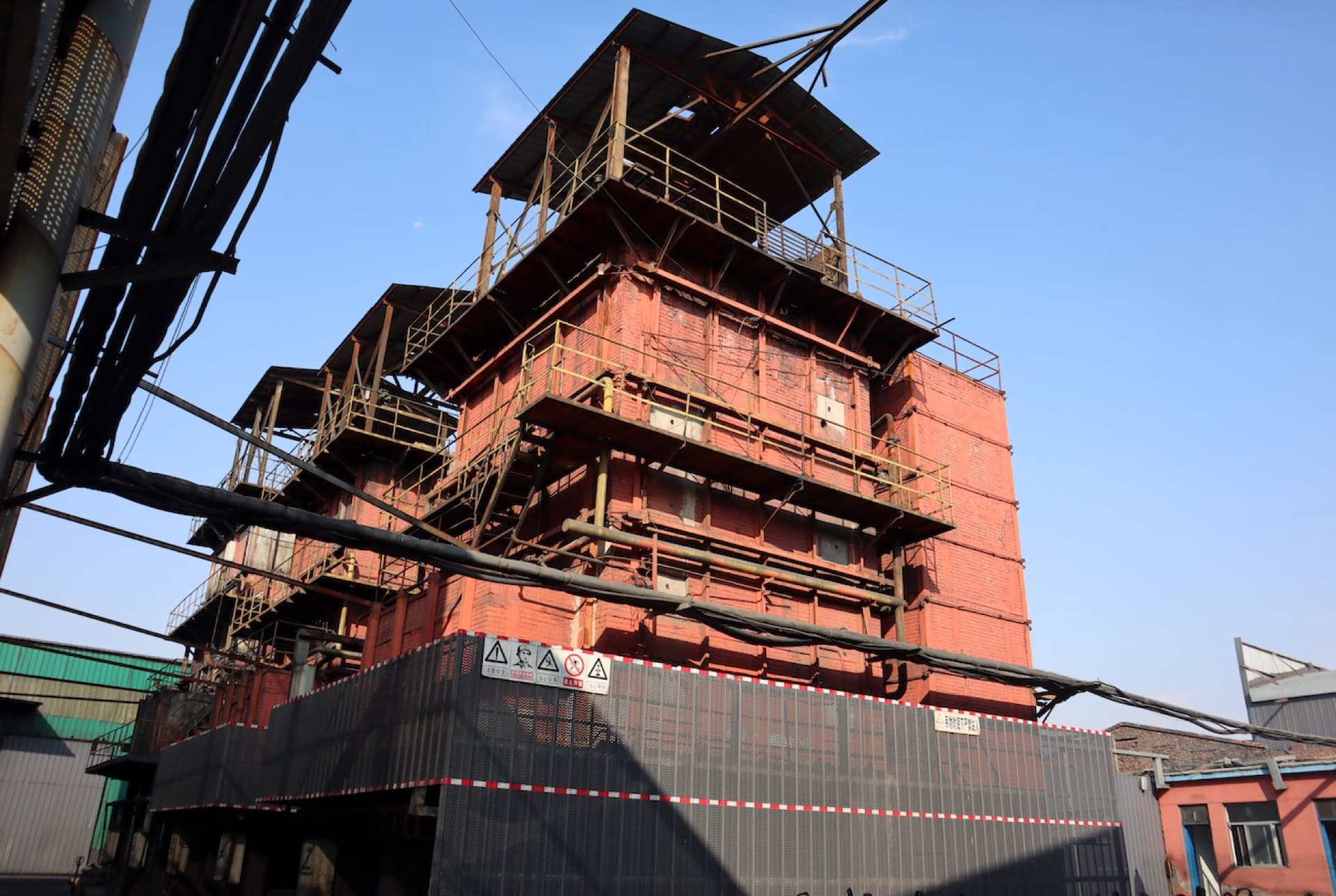
This guide covers every major regeneration method — from the industry-standard thermal reactivation to emerging electrochemical techniques — so you can choose the right approach for your application, budget, and environmental goals.
Why Regenerate Activated Carbon?
Replacing spent carbon with virgin material is straightforward, but it's expensive and wasteful. Regeneration offers compelling advantages across three dimensions:
Cost savings: Regenerated carbon typically costs 40–60% less than virgin carbon. For a water treatment plant using 50 tons of GAC per year, that's $30,000–$75,000 in annual savings depending on carbon type and source.
Sustainability: Manufacturing virgin activated carbon requires mining raw materials (coal, coconut shells, wood) and energy-intensive activation at 800–1000°C. Regeneration reuses existing carbon, reducing the demand for raw materials and lowering the overall carbon footprint.
Waste reduction: Spent carbon is often classified as hazardous waste depending on what it adsorbed. Regeneration avoids landfill disposal costs and regulatory complications. In many jurisdictions, regenerated carbon is exempt from hazardous waste manifesting requirements.
Need activated carbon?
Get Factory-Direct Pricing — No Middlemen
20+ years manufacturing. MOQ 1 ton. Free samples. Reply within 2 hours.
When Is Carbon "Spent"?
Carbon doesn't fail suddenly — it loses capacity gradually. Knowing when to pull carbon for regeneration is critical for both treatment performance and regeneration economics. Key indicators include:
Breakthrough: In water treatment, breakthrough occurs when the target contaminant appears in the effluent above the acceptable limit. For water treatment systems, this is typically monitored continuously with online analyzers or periodic grab samples.
Capacity loss: In gas-phase applications like air purification, capacity loss shows as reduced removal efficiency or shorter service cycles. Monitoring outlet concentrations over time reveals the decline curve.
Testing methods: The iodine number test is the quickest way to assess remaining capacity. A fresh GAC might have an iodine number of 1000–1100 mg/g; when it drops below 500–600, regeneration is typically warranted. BET surface area testing provides a more detailed picture of pore structure degradation.
Rule of Thumb
Don't wait until carbon is completely exhausted. Regenerating at 60–70% capacity loss yields better recovery rates than waiting until the carbon is fully spent. Over-saturated carbon is harder to regenerate and may require more aggressive (and expensive) treatment conditions.
1. Thermal Regeneration (Reactivation)
Thermal regeneration — also called thermal reactivation — is the most widely used method for restoring spent GAC. It accounts for over 80% of all commercial carbon regeneration worldwide. The process essentially reverses the adsorption by heating the carbon to temperatures high enough to volatilize, decompose, and oxidize the adsorbed contaminants.
The Three-Stage Process
Thermal regeneration occurs in three stages, each at progressively higher temperatures:
Drying (100–200°C)
Moisture and highly volatile compounds are driven off. This stage typically takes place in the upper hearths of a multi-hearth furnace or the feed end of a rotary kiln.
Pyrolysis (200–700°C)
Adsorbed organic compounds are thermally decomposed in an oxygen-limited atmosphere. Heavy organics crack into lighter fragments. Some carbonaceous residue remains in the pore structure.
Activation (700–900°C)
Steam or CO₂ is introduced to gasify the carbonaceous residue and reopen the pore structure. This is the same reaction used in virgin carbon activation: C + H₂O → CO + H₂. The temperature and residence time at this stage determine the final capacity recovery.
Equipment Types
Rotary kiln: The most common furnace type for carbon reactivation. A rotating cylindrical shell (typically 2–4 m diameter, 15–30 m long) with counter-current gas flow. Throughput: 1–10 tons/hour. Excellent temperature control and uniform heating. Used by most commercial reactivation facilities.
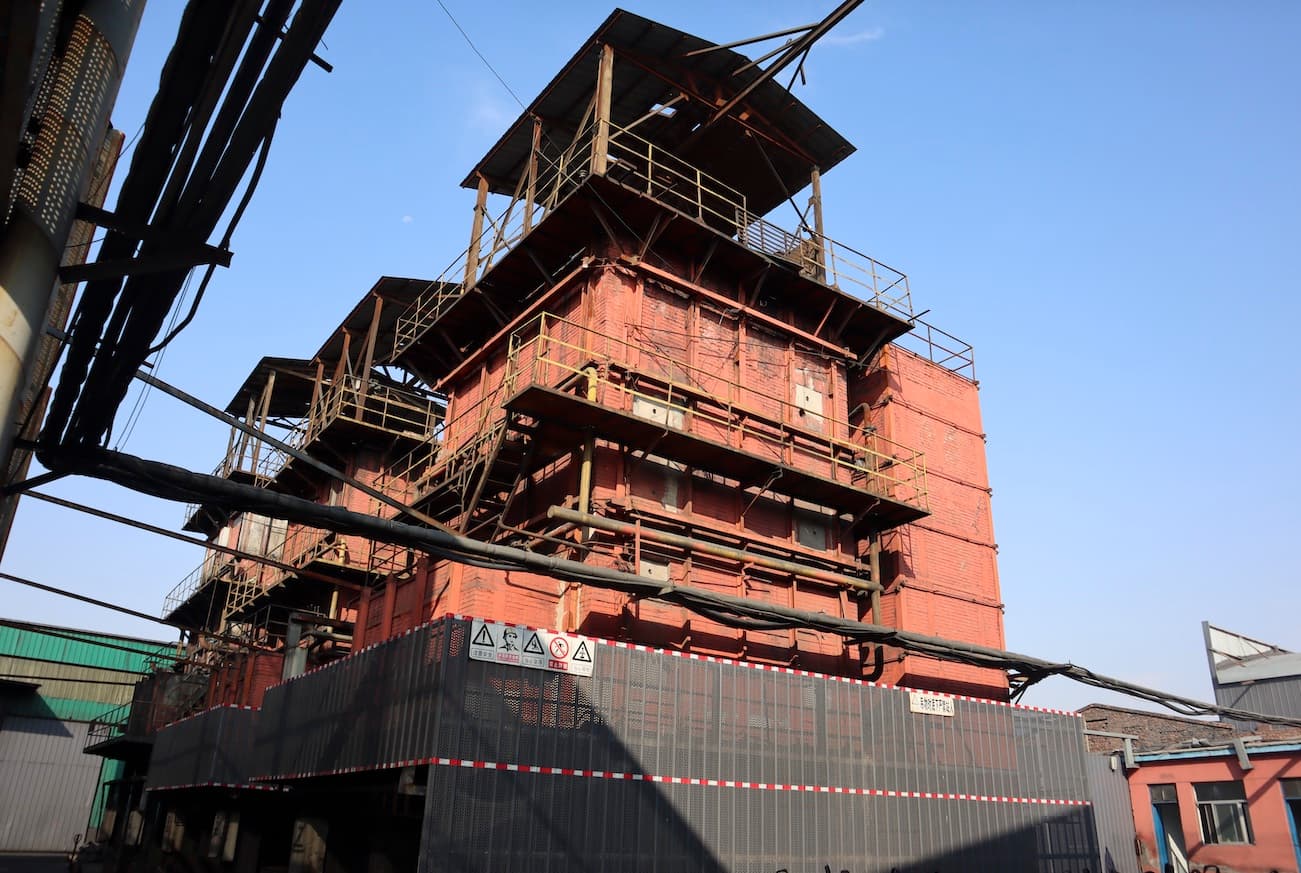
Multi-hearth furnace: A vertical furnace with 6–8 stacked hearths. Carbon moves downward through progressively hotter zones while gases flow upward. Good for smaller throughputs (0.5–3 tons/hour). Common in municipal water treatment plants that regenerate on-site.
Fluidized bed: Carbon particles are suspended in an upward gas stream. Provides excellent heat transfer and uniform temperature. Less common for reactivation but used in some specialized applications.
Performance
Thermal regeneration typically recovers 90–95% of original adsorption capacity with 5–10% mass loss per cycle. Coal-based carbons generally tolerate more regeneration cycles (15–20+) than coconut shell carbons (8–12 cycles) due to their higher mechanical strength. After each cycle, expect a cumulative reduction in hardness and a slight shift in pore size distribution.
2. Steam Regeneration
Steam regeneration uses low-pressure steam (100–300°C) to desorb volatile organic compounds from the carbon surface. Unlike thermal reactivation, it doesn't decompose the adsorbates — it simply drives them off as vapor, which can then be condensed and recovered. This makes it ideal for solvent recovery applications.
Best for: Volatile organic solvents (toluene, acetone, MEK, ethanol), gasoline vapor recovery, dry cleaning solvent recovery. The desorbed solvents can be condensed and reused, adding economic value.
Advantages: Can be done on-site with relatively simple equipment. Low energy cost compared to thermal reactivation. Preserves the carbon structure since temperatures stay well below the activation range. Cycle times are short (2–4 hours), allowing rapid turnaround.
Limitations: Only works for volatile, low-boiling-point adsorbates. Ineffective for heavy organics, metals, or polymerized contaminants. Capacity recovery is typically 80–90% and decreases with each cycle as non-desorbable residues accumulate.
3. Chemical Regeneration
Chemical regeneration uses acids, alkalis, or organic solvents to dissolve or displace adsorbed contaminants from the carbon surface. The choice of chemical depends entirely on the nature of the adsorbate.
Common Approaches
Acid wash (HCl, H₂SO₄): Effective for removing adsorbed metals and inorganic compounds. Commonly used for carbon that has adsorbed heavy metals in water treatment. Acid concentrations of 5–15% are typical.
Alkali wash (NaOH): Used for removing phenols, organic acids, and other acidic adsorbates. NaOH converts phenol to sodium phenolate, which is water-soluble and easily rinsed away. Concentrations of 1–5% NaOH are common.
Solvent extraction: Organic solvents (ethanol, acetone, methanol) can dissolve and extract specific organic adsorbates. Effective when the adsorbate is more soluble in the extraction solvent than it is strongly bound to the carbon surface.
Important Consideration
Chemical regeneration can alter the surface chemistry of the carbon. Acid washing removes mineral content and can increase surface acidity, while alkali treatment can add surface basicity. These changes may affect adsorption performance for subsequent cycles. Capacity recovery is typically 70–85%, lower than thermal methods.
4. Biological Regeneration
Biological regeneration — or bioregeneration — leverages microbial activity to break down adsorbed organic compounds directly on the carbon surface. This process occurs naturally in biological activated carbon (BAC) systems used in water treatment, where a biofilm develops on the GAC surface over time.
How it works: Microorganisms colonize the carbon surface and metabolize adsorbed organic compounds, freeing up adsorption sites. The process is continuous — as bacteria consume adsorbates, new capacity becomes available. This extends the service life of GAC beds significantly beyond what adsorption alone would provide.
Best for: Municipal water treatment, wastewater polishing, and any application where biodegradable organics are the primary target. BAC systems are widely used in drinking water plants across Europe and increasingly in North America.
Limitations: Only works for biodegradable compounds. Non-biodegradable organics, metals, and recalcitrant pollutants will still accumulate. The process is slow (days to weeks) compared to other methods. Temperature, pH, and dissolved oxygen must be maintained within ranges suitable for microbial activity.
5. Electrochemical Regeneration
Electrochemical regeneration is an emerging technology that uses electrical current to oxidize or reduce adsorbed contaminants in-situ. The spent carbon serves as one electrode in an electrochemical cell, and the applied current drives reactions that decompose or desorb the adsorbates.
Advantages: Can be performed at ambient temperature and pressure. No chemicals required. Potentially very low energy consumption compared to thermal methods. Can be done in-situ without removing the carbon from the adsorber vessel.
Current status: Still primarily at the research and pilot scale. Several universities and companies are developing commercial systems, but widespread adoption is likely 5–10 years away. Capacity recovery of 80–90% has been demonstrated in laboratory settings.
Challenges: Requires the carbon to be electrically conductive (GAC works, PAC is more difficult). Electrode design and current distribution are complex engineering problems. Scale-up from lab to industrial scale remains the primary hurdle.
Regeneration Methods Compared
The following table summarizes the key characteristics of each regeneration method to help you identify the best fit for your operation:
| Method | Temperature | Recovery | Cost | Best For | Limitations |
|---|---|---|---|---|---|
| Thermal | 700–900°C | 90–95% | High (capital), Low (per-ton) | Large-scale GAC, water & gas treatment | 5–10% mass loss, requires specialized furnace |
| Steam | 100–300°C | 80–90% | Low–Medium | Solvent recovery, VOCs | Only volatile adsorbates, declining recovery |
| Chemical | Ambient–80°C | 70–85% | Medium | Metals, phenols, specific organics | Alters surface chemistry, chemical waste |
| Biological | Ambient | 50–70% | Very Low | Water treatment BAC, biodegradable organics | Slow, only biodegradable compounds |
| Electrochemical | Ambient | 80–90% | Low (projected) | Specialized, in-situ applications | Not yet commercially mature |
When to Regenerate vs. Replace
Regeneration isn't always the right answer. The decision depends on several factors that should be evaluated together:
Volume: Regeneration is most economical for operations using 5+ tons of GAC per year. Below that threshold, the logistics and minimum batch sizes of commercial reactivation facilities may not justify the effort. Small users are often better off replacing with virgin carbon.
Contamination type: Carbon that has adsorbed heavy metals (mercury, lead, arsenic) or persistent organic pollutants (PFAS, dioxins) may not be suitable for regeneration. These contaminants can be difficult to remove completely, and residual contamination could leach into the next application. In these cases, disposal and replacement is safer.
Cycle count: Carbon can typically be regenerated 10–20 times before the cumulative mass loss and structural degradation make it uneconomical. Track the iodine number and hardness after each regeneration cycle. When hardness drops below 85% of original or iodine recovery falls below 80%, it's time for fresh carbon.
Cost analysis: Compare the total cost of regeneration (transport, reactivation fee, makeup carbon for mass loss, quality testing) against the cost of virgin carbon. Regeneration typically saves 40–60%, but the exact economics depend on carbon type, distance to the reactivation facility, and local disposal costs for spent carbon. For current virgin carbon pricing benchmarks to use in this comparison, see our activated carbon price guide.
On-Site vs. Off-Site Regeneration
Where regeneration takes place has significant implications for cost, logistics, and quality control:
Off-site (commercial reactivation)
Spent carbon is transported to a specialized facility with industrial-scale rotary kilns or multi-hearth furnaces. This is the most common approach and offers the highest quality regeneration. Turnaround time is typically 2–4 weeks including transport.
Pros: No capital investment, professional quality control, consistent results, handles any contamination type. Cons: Transport costs, turnaround time, minimum batch sizes (often 5–10 tons), carbon may be commingled with other customers' material.
On-site regeneration
The user installs their own regeneration equipment. This makes sense for large operations (50+ tons/year) or where transport is impractical. On-site thermal systems require significant capital ($500K–$5M+) and environmental permits for air emissions.
Pros: No transport costs, fast turnaround, full control over the process, no commingling. Cons: High capital cost, requires trained operators, air emission permits, maintenance burden.
On-Site Steam Regeneration
For solvent recovery applications, on-site steam regeneration is far more practical than thermal reactivation. The equipment is simpler (steam boiler + condenser), capital costs are lower ($50K–$200K), and no special air permits are needed since the solvents are condensed and recovered rather than combusted. Many chemical plants and printing facilities operate on-site steam regeneration systems.
Quality Testing After Regeneration
Regenerated carbon must be tested to verify that adsorption capacity has been adequately restored and that the physical structure remains intact. The key parameters to check include:
Iodine number: The primary indicator of adsorption capacity restoration. Compare against the original virgin carbon specification. Regenerated carbon should achieve at least 85–95% of the original iodine number. Values below 80% suggest the regeneration was incomplete or the carbon has reached end-of-life.
BET surface area: Measures total surface area including micropores. A significant drop in BET surface area (more than 15–20% from original) indicates pore collapse or blockage that regeneration didn't resolve. This is especially important for applications targeting small molecules that rely on micropore adsorption.
Hardness (ball-pan): Thermal regeneration causes cumulative mechanical degradation. Track hardness after each cycle. A drop below 85 (ASTM D3802) for GAC indicates the carbon is becoming too fragile and will generate excessive fines in service, increasing headloss and carbon loss.
Ash content: Should remain stable or decrease slightly after thermal regeneration. A significant increase in ash content suggests contamination from the furnace or incomplete removal of inorganic adsorbates.
Residual contaminants: For food-grade, pharmaceutical, or drinking water applications, test for residual contaminants that may not have been fully removed during regeneration. This is especially critical for carbon that previously adsorbed heavy metals or persistent organic pollutants.
Environmental Benefits of Regeneration
Beyond cost savings, carbon regeneration delivers measurable environmental benefits that are increasingly important for corporate sustainability reporting and regulatory compliance:
Reduced raw material extraction: Every ton of regenerated carbon is a ton of coal, coconut shells, or wood that doesn't need to be mined or harvested. For coal-based carbon, this directly reduces mining activity and associated land disturbance.
Lower energy consumption: Thermal regeneration uses approximately 40–60% less energy than manufacturing virgin activated carbon, since the carbon structure already exists and only needs to be cleaned and reactivated rather than built from scratch.
Reduced landfill waste: Spent carbon that isn't regenerated must be disposed of — often in hazardous waste landfills at significant cost. Regeneration keeps this material in productive use and out of landfills.
Carbon footprint reduction: Life cycle analyses show that regenerated carbon has 50–70% lower greenhouse gas emissions compared to virgin carbon production. For organizations tracking Scope 3 emissions, switching from replacement to regeneration can meaningfully reduce their reported footprint.
Bottom Line
For most large-scale GAC users, thermal regeneration is the default choice — it offers the highest capacity recovery, handles virtually any contaminant type, and the economics are well-proven. Steam regeneration is the go-to for solvent recovery applications where you want to reclaim both the carbon and the adsorbate. Chemical and biological methods serve niche applications where thermal isn't practical or necessary.
The key to a successful regeneration program is monitoring. Track your carbon's performance over time, test after each regeneration cycle, and know when the carbon has reached end-of-life. A well-managed regeneration program can cut your activated carbon costs by 40–60% while significantly reducing your environmental footprint — a genuine win on both fronts.
Frequently Asked Questions
What are the main regeneration methods for spent activated carbon?
Primary methods: thermal regeneration (700–900°C in rotary kilns — most common), steam regeneration (100–300°C for lightly loaded carbon), chemical regeneration (solvents, acids, or bases), biological regeneration, and electrochemical regeneration. Thermal restores 85–95% of original capacity.
When is regeneration cost-effective?
When carbon cost exceeds $1,200–$1,500/ton, volumes exceed 5–10 tons per cycle, the spent carbon isn't hazardous-contaminated, and a regeneration facility is accessible. For small volumes or low-cost carbon, replacement is usually more economical.
How much capacity is lost per regeneration cycle?
Each thermal cycle typically loses 5–15% capacity from micropore collapse. After 3–5 cycles, cumulative loss may reach 20–40%. Mass loss of 5–10% per cycle from burn-off also occurs. Proper temperature control (not exceeding 850°C) minimizes losses.
Can water treatment carbon be regenerated?
Yes, GAC from water treatment is commonly regenerated. Facilities often contract with regeneration services for pick-up and exchange. Regenerated carbon is typically blended with 10–20% virgin carbon to maintain consistent quality.
Is on-site regeneration feasible for industrial users?
Feasible for large users (>50 tons/year turnover), especially in solvent recovery where steam regeneration is integrated. Capital investment for a rotary kiln, afterburner, and scrubber is $500K–$2M+, viable only for very large operations or commercial service providers.
Need High-Quality GAC for Your Regeneration Program?
We supply premium granular activated carbon engineered for maximum regeneration cycles. High hardness, consistent quality, full COA with every shipment.
Request a Quote