
3D printing has exploded from a hobbyist curiosity into a mainstream manufacturing technology. With millions of desktop printers now operating in homes, schools, offices, and small workshops, the question of air quality has moved from niche concern to urgent priority. Every FDM/FFF printer that melts thermoplastic filament releases volatile organic compounds (VOCs) and ultrafine nanoparticles into the surrounding air — and activated carbon filtration is the primary solution.
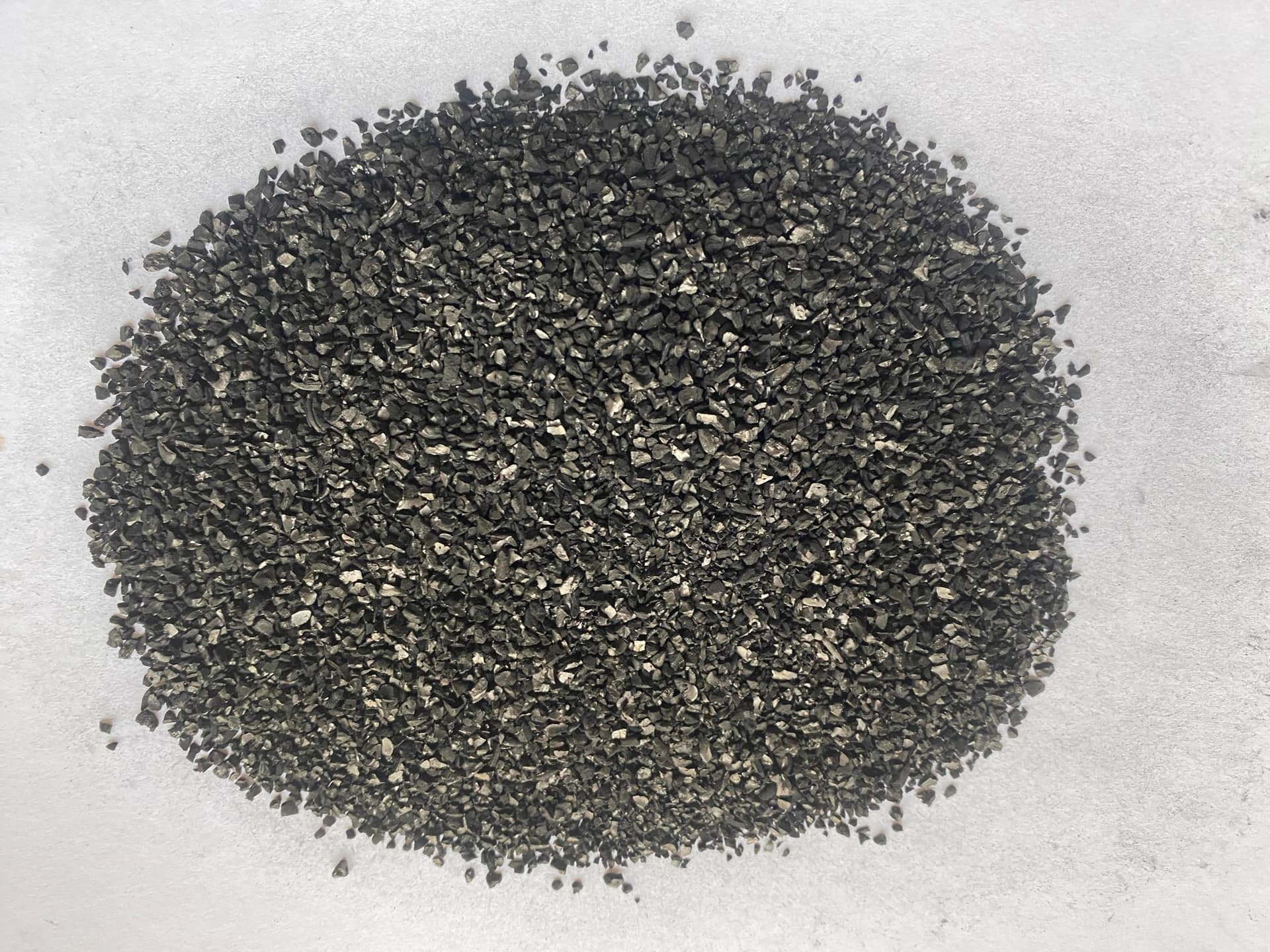
Coconut shell activated carbon granules — the material inside every 3D printer carbon filter, from Bento Box to Nevermore.
If you have heard of the VOXEL Bento Box, Nevermore filter, Alveo3D, or any of the popular enclosure filtration systems — they all use the same core material: granular activated carbon. This guide explains the science behind 3D printer emissions, how activated carbon removes them, which carbon specifications actually matter, and how to source carbon affordably whether you are a hobbyist refilling a filter or a manufacturer building filtration products.
What 3D Printers Actually Emit (and Why It Matters)
Research from institutions including Georgia Tech, UL Chemical Safety, and the Illinois Institute of Technology has characterized 3D printer emissions extensively. The findings are sobering:
| Filament | Print Temp | Primary VOCs Emitted | Health Concern Level |
|---|---|---|---|
| PLA | 190–220°C | Lactide, methyl methacrylate, small aldehydes | Low (but not zero) |
| PETG | 230–250°C | Acetaldehyde, formaldehyde, ethylene glycol | Moderate |
| ABS | 230–260°C | Styrene, ethylbenzene, benzaldehyde, 1,3-butadiene | High (styrene = IARC 2A) |
| ASA | 240–260°C | Acrylonitrile, styrene, butadiene | High (acrylonitrile = IARC 2B) |
| Nylon (PA) | 240–270°C | Caprolactam, formaldehyde, HCN traces | Moderate-High |
| PC | 260–300°C | Bisphenol A, phenol, cresols | High |
The key insight: Even “safe” PLA emits measurable VOCs and ultrafine particles. Higher-performance filaments (ABS, ASA, nylon, PC) emit significantly more harmful compounds. In an enclosed room without ventilation, a single ABS print can raise styrene levels above the OSHA 8-hour time-weighted average within 30–60 minutes.
Ultrafine particles (UFPs, <100 nm diameter) are a separate concern — activated carbon does not capture these. That is why the best filtration systems combine HEPA filters (for particles) with activated carbon (for VOCs). The HEPA catches the particles; the carbon catches the gases.
How Activated Carbon Removes 3D Printer VOCs
Activated carbon works through physical adsorption — VOC molecules are attracted to the vast internal surface of the carbon through Van der Waals forces and become trapped in the pore network. A single gram of activated carbon has a surface area of 800–1,200 m² — about the size of three tennis courts.
For 3D printer applications, the target VOCs are primarily aromatic compounds (styrene, ethylbenzene) and medium-weight organics (caprolactam, lactide) with molecular weights of 50–150 g/mol. These are well within the sweet spot for activated carbon adsorption. The carbon's micropores (0.5–2 nm) capture these molecules efficiently because the pore diameter closely matches the molecular size, creating strong multi-wall adsorption.
However, very small VOCs like formaldehyde (30 g/mol) are poorly adsorbed by standard activated carbon — they are too small and too volatile. For formaldehyde-heavy emissions (common with PETG and nylon), impregnated carbon with permanganate or amine surface chemistry performs better. For most users printing ABS/ASA/PLA, standard activated carbon handles the primary VOCs effectively.
Acid-Free vs Regular Activated Carbon: Does It Matter?
The 3D printing community has standardized on “acid-free” activated carbon, and for good reason. Here is the technical explanation:
During manufacturing, activated carbon is produced through either chemical activation (using phosphoric acid or zinc chloride) or steam/CO₂ activation. Chemically activated carbon retains residual acid on its surface — the pH of water passed through it can be as low as 3–4. Steam-activated carbon is naturally near-neutral (pH 6–8) but some producers use acid washing as a post-treatment to remove ash and metals.
In a 3D printer enclosure, air recirculates continuously through the carbon filter. If the carbon off-gasses acidic compounds, this acidified air contacts the printer's heated bed, nozzle, bearings, and circuit boards. Over time, this can cause:
How to Identify Acid-Free Carbon
| Property | Acid-Free (Recommended) | Regular (Not Recommended) |
|---|---|---|
| pH of water extract | 6.0–8.0 | 3.0–5.0 |
| Activation method | Steam or CO₂ activated | Chemical (H₃PO₄ or ZnCl₂) |
| Raw material | Coconut shell (preferred) or coal | Wood-based (often chemically activated) |
| Visual test | Hard, dense granules — black | Lighter, more porous, may be grayish |
| Simple pH test | Soak 10g in 100mL distilled water for 1 hour. Test with pH strip. Should be 6.0+. | |
Our products: All of our coconut shell activated carbon is steam-activated with a natural pH of 6.5–7.5, making it inherently acid-free without additional processing. We also offer acid-washed grades (pH 6.0–7.0) for customers who require extra assurance. Both are suitable for 3D printer filtration.
Need activated carbon for filtration?
Get Factory-Direct Pricing — No Middlemen
20+ years manufacturing. MOQ 1 ton. Free samples. Reply within 2 hours.
Choosing Carbon Specifications for 3D Printer Filters
Not all activated carbon works well in a 3D printer filter. The unique constraints — tiny fans, recirculating air, enclosed hot environment — demand specific properties:
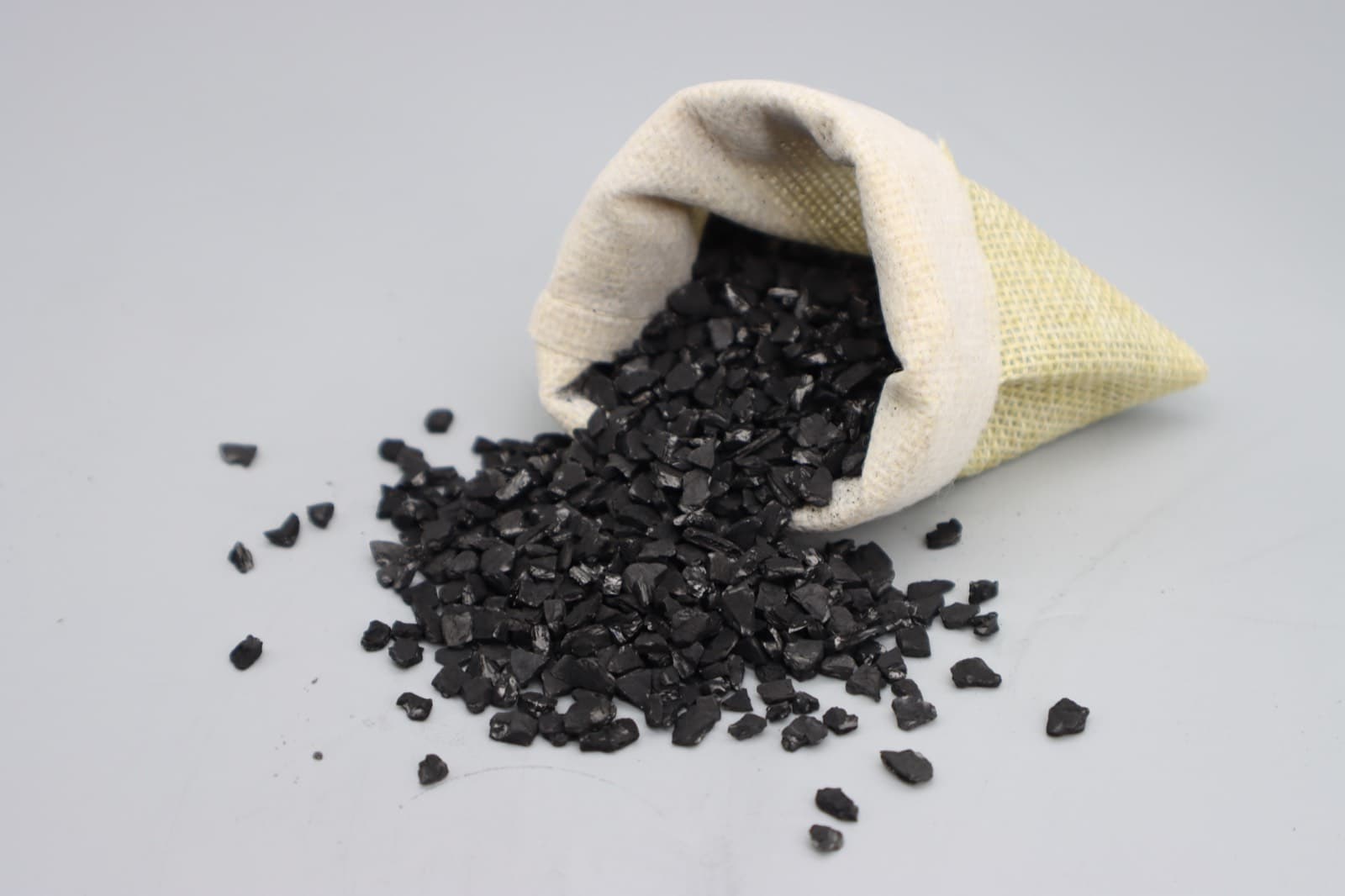
4×8 mesh coconut shell activated carbon — the ideal size for 3D printer filter cartridges like Bento Box and Nevermore.
| Specification | Recommended | Why |
|---|---|---|
| Raw material | Coconut shell | Hard, low dust, microporous (perfect for VOC-sized molecules) |
| Mesh size | 4×8 US mesh (2.4–4.75 mm) | Low pressure drop for small fans, easy to handle |
| Iodine number | ≥1000 mg/g | Higher = more adsorption capacity, longer filter life |
| pH | 6.0–8.0 (acid-free) | Prevents corrosion of printer components |
| Moisture | ≤5% | Wet carbon has reduced capacity and can promote mold |
| Hardness | ≥95 | Minimizes dust that could deposit on print surfaces |
| Ash content | ≤5% | Lower ash = less dust, more active carbon per gram |
Popular 3D Printer Carbon Filter Systems
The maker community has developed several excellent open-source and commercial filter designs. Here is how they compare:
| Filter System | Type | Carbon Amount | HEPA? | Compatibility |
|---|---|---|---|---|
| VOXEL Bento Box | Commercial | ~50g | Yes (HEPA 13) | Bambu Lab, VORON |
| Nevermore Micro/StealthMax | Open source | 40–200g | Optional | VORON, any enclosure |
| Alveo3D P3D | Commercial | ~30g | Yes (HEPA 13) | Universal |
| Bambu Lab OEM filter | OEM | ~20g | No | Bambu Lab X1C/P1S |
| DIY inline filter | Custom | 100–500g | Add separately | Any (with duct) |
Key insight: All these systems use the same activated carbon — the main difference is the housing design, fan size, and whether HEPA is included. Replacement carbon from filter brands often costs $8–15 for 30–50g. Buying the same coconut shell 4×8 mesh carbon in bulk (1–25 kg) reduces the per-refill cost to under $2.
Cost Comparison: Branded Refills vs Bulk Carbon
| Source | Amount | Price | Cost Per 50g Refill | Refills Included |
|---|---|---|---|---|
| VOXEL C-MAG refill | 50g | $8.99 | $8.99 | 1 |
| Amazon bulk (1 kg bag) | 1,000g | $18–25 | $0.90–1.25 | 20 |
| Direct from manufacturer (25 kg) | 25,000g | $60–90 | $0.12–0.18 | 500 |
For individual hobbyists, a 1–5 kg bag from Amazon or a specialty supplier is the sweet spot. For makerspaces, schools with printer farms, or companies building 3D printer accessories, direct manufacturer sourcing makes economic sense starting at 25 kg.
Bulk Sourcing: For Filter Manufacturers & OEMs
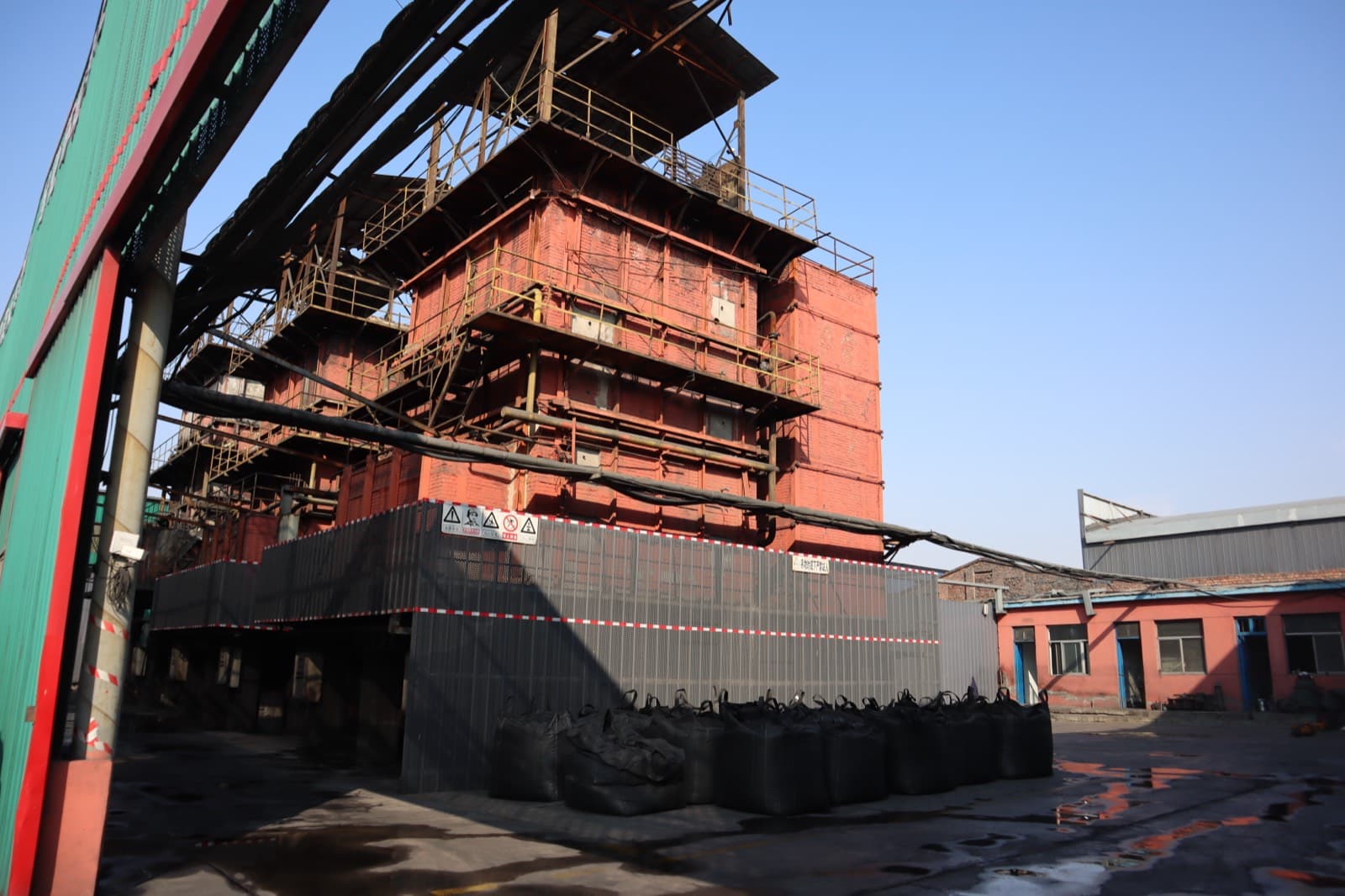
Our production facility — we supply activated carbon to filter manufacturers across multiple industries, including the growing 3D printing filtration segment.
The 3D printer filtration market is growing rapidly. If you manufacture enclosures, filter cartridges, or complete filtration systems, sourcing carbon directly from a manufacturer gives you cost advantages and supply security that Amazon or distributors cannot match.
What We Offer to 3D Printing Industry Customers
One of our clients — a 3D printing accessory brand in North America — started with a 200 kg trial order to fill their initial production run of filter cartridges. After verifying quality with their own pH and adsorption testing, they scaled to quarterly 2,000 kg orders within 8 months. Their per-unit carbon cost dropped from $0.85 to $0.11 per refill — a 87% reduction that went straight to their margin.
DIY: How to Refill Your 3D Printer Carbon Filter
Refilling your Bento Box, Nevermore, or similar filter is straightforward:
Frequently Asked Questions
Why do 3D printers need activated carbon filters?
FDM/FFF 3D printers emit volatile organic compounds (VOCs) and ultrafine particles (UFPs) when melting thermoplastic filaments. ABS emits styrene (a possible carcinogen), ASA emits acrylonitrile, nylon emits caprolactam, and even PLA emits lactide and small aldehydes at high temperatures. Activated carbon adsorbs these VOC molecules from the air inside printer enclosures, reducing exposure to levels well below occupational limits.
What is acid-free activated carbon and why does it matter for 3D printing?
Acid-free (or acid-washed) activated carbon has been treated to remove residual acid from the activation process, bringing the pH to neutral (6.5–7.5). Standard activated carbon can off-gas trace acidic compounds that may corrode printer components, particularly heated beds, nozzles, and sensitive electronics. For enclosed 3D printers where recirculated air contacts the machine, acid-free carbon prevents this corrosion risk.
How often should I replace activated carbon in my 3D printer filter?
For typical home use (20–40 hours of printing per week), replace the carbon every 3–6 months. Heavy users printing ABS, ASA, or nylon daily should replace every 2–3 months. Signs of exhaustion include: noticeable odor returning, visible discoloration of carbon, or reduced airflow through the filter. The carbon does not suddenly stop working — it gradually loses capacity.
Can I use regular activated carbon instead of the branded replacement filters?
Yes. Branded replacement carbon (like VOXEL C-MAG or Nevermore pellets) is simply repackaged activated carbon. You can buy bulk acid-free coconut shell activated carbon in 4×8 mesh or pellet form and refill your filter cartridges at a fraction of the cost. A 1 kg bag (~$15–25) will provide 10+ refills for a typical Bento Box or Nevermore filter.
What mesh size of activated carbon works best for 3D printer filters?
4×8 mesh (2.4–4.75 mm granules) is the most popular size for 3D printer filters because it provides good airflow with minimal pressure drop for small fans (4010/4020/4028 size). Pelletized carbon (3–4 mm diameter) also works well. Avoid fine mesh (12×40 or smaller) as it restricts airflow too much for the small fans used in printer enclosures.
Need Acid-Free Carbon for 3D Printer Filters?
Whether you need 1 kg for personal use or 1,000 kg for your filter product line, we supply acid-free coconut shell activated carbon with full specification documentation.
Request 3D Printer Carbon Samples →