
Activated carbon adsorption is the most widely used technology for removing gaseous pollutants from air streams. Unlike particulate filters (HEPA), which capture solid particles, activated carbon targets gas-phase contaminants — the volatile organic compounds (VOCs), odors, and toxic gases that pass right through mechanical filters.
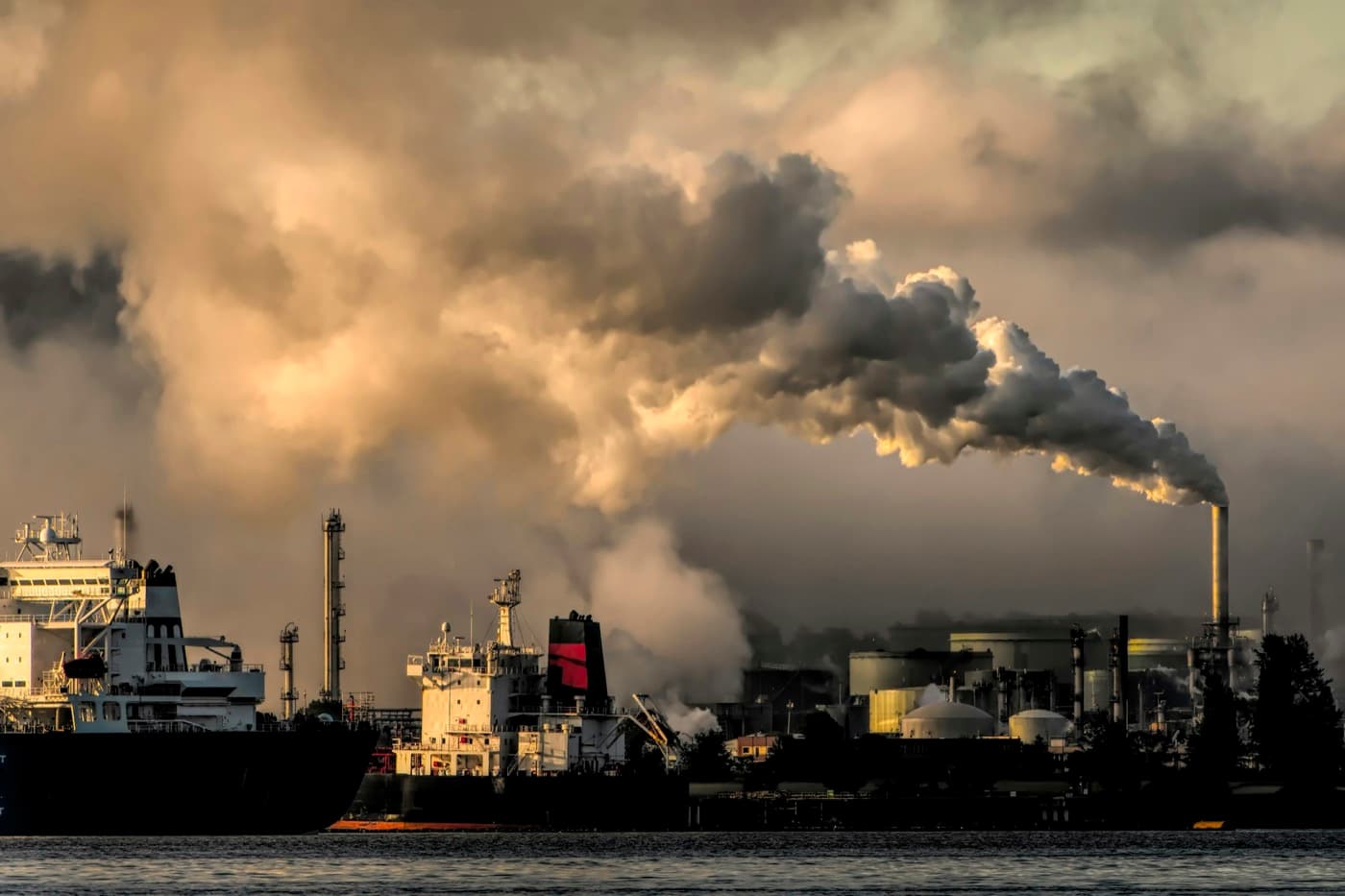
This guide covers how activated carbon works in air purification, which carbon types are best for different pollutants, and how to size a system correctly.
How Activated Carbon Removes Air Pollutants
Activated carbon removes gaseous contaminants through adsorption — gas molecules adhere to the carbon surface via Van der Waals forces (physical adsorption) or chemical bonding (chemisorption). The process depends on three factors:
Surface Area
Activated carbon has 800–1,500 m²/g of internal surface area — roughly the area of 3–6 tennis courts per gram. More surface area means more adsorption sites for pollutant molecules.
Pore Structure
Micropores (<2 nm) adsorb small molecules like VOCs and formaldehyde. Mesopores (2–50 nm) handle larger molecules. The pore distribution determines what the carbon can capture efficiently.
Contact Time
The air must be in contact with the carbon long enough for adsorption to occur. This is measured as residence time or bed contact time (BCT), typically 0.1–1.0 seconds for air-phase applications.
Need activated carbon?
Get Factory-Direct Pricing — No Middlemen
20+ years manufacturing. MOQ 1 ton. Free samples. Reply within 2 hours.
Which Type of Activated Carbon for Air?
Not all activated carbon is suitable for air purification. The form factor, raw material, and any impregnation determine its effectiveness for specific pollutants.
| Carbon Type | Best For | Key Specs | Typical Applications |
|---|---|---|---|
| Pellet (4mm) | General VOC removal, odor control | CTC ≥60%, low pressure drop | HVAC systems, paint booths, wastewater odor |
| Coal-based GAC | Broad-spectrum VOCs | Iodine ≥900, CTC ≥50% | Industrial exhaust, solvent recovery |
| Coconut shell GAC | Light VOCs, formaldehyde, benzene | Iodine ≥1000, high micropore volume | Indoor air purifiers, cleanrooms |
| Impregnated carbon | Specific toxic gases (H₂S, NH₃, HCl, SO₂) | Varies by impregnant | Chemical plants, labs, nuclear facilities |
| Honeycomb carbon | High-flow, low pressure drop | 100×100×100mm blocks | Large-scale industrial exhaust, RTO pre-treatment |
Impregnated Carbon for Specific Gases
Standard activated carbon works well for organic vapors but has limited capacity for certain inorganic gases. Impregnation adds reactive chemicals to the carbon surface that convert these gases through chemisorption:
| Target Gas | Impregnant | Mechanism |
|---|---|---|
| H₂S (hydrogen sulfide) | KOH or NaOH (caustic) | Acid-base neutralization → converts to sulfate |
| NH₃ (ammonia) | Phosphoric acid (H₃PO₄) | Acid-base reaction → ammonium phosphate |
| Mercury (Hg⁰) | Sulfur or HBr | Forms HgS or HgBr₂ (stable compounds) |
| Formaldehyde (HCHO) | KMnO₄ | Oxidation → CO₂ + H₂O |
| Radioactive iodine (I-131) | KI or TEDA | Isotopic exchange → traps radioactive iodine on carbon |
Air Purification System Design Basics
Designing an activated carbon air treatment system comes down to four parameters:
The formula for carbon volume is straightforward: Carbon Volume (m³) = Air Flow Rate (m³/s) × Residence Time (s). For example, a 10,000 m³/h system with 0.5s residence time needs: (10,000 ÷ 3,600) × 0.5 = 1.39 m³ of activated carbon, or approximately 600–700 kg depending on bulk density.
Common Air Purification Applications
Indoor Air Quality (IAQ)
Home and commercial air purifiers use activated carbon to remove odors, smoke, and VOCs from indoor air. Most consumer-grade units use a thin carbon filter pad (2–5mm) combined with a HEPA filter. For serious IAQ applications — sensitive individuals, newly renovated spaces, or areas with outdoor pollution — a deeper carbon bed (25–50mm of pellet carbon) is significantly more effective.
HVAC Systems
Commercial buildings, hospitals, and data centers use activated carbon panels or V-bank filters in HVAC ductwork. Standard panels contain 10–25 kg of carbon per m² of filter face. Replace every 6–12 months depending on pollutant load. Monitor by measuring outlet VOC levels or tracking pressure drop increase.
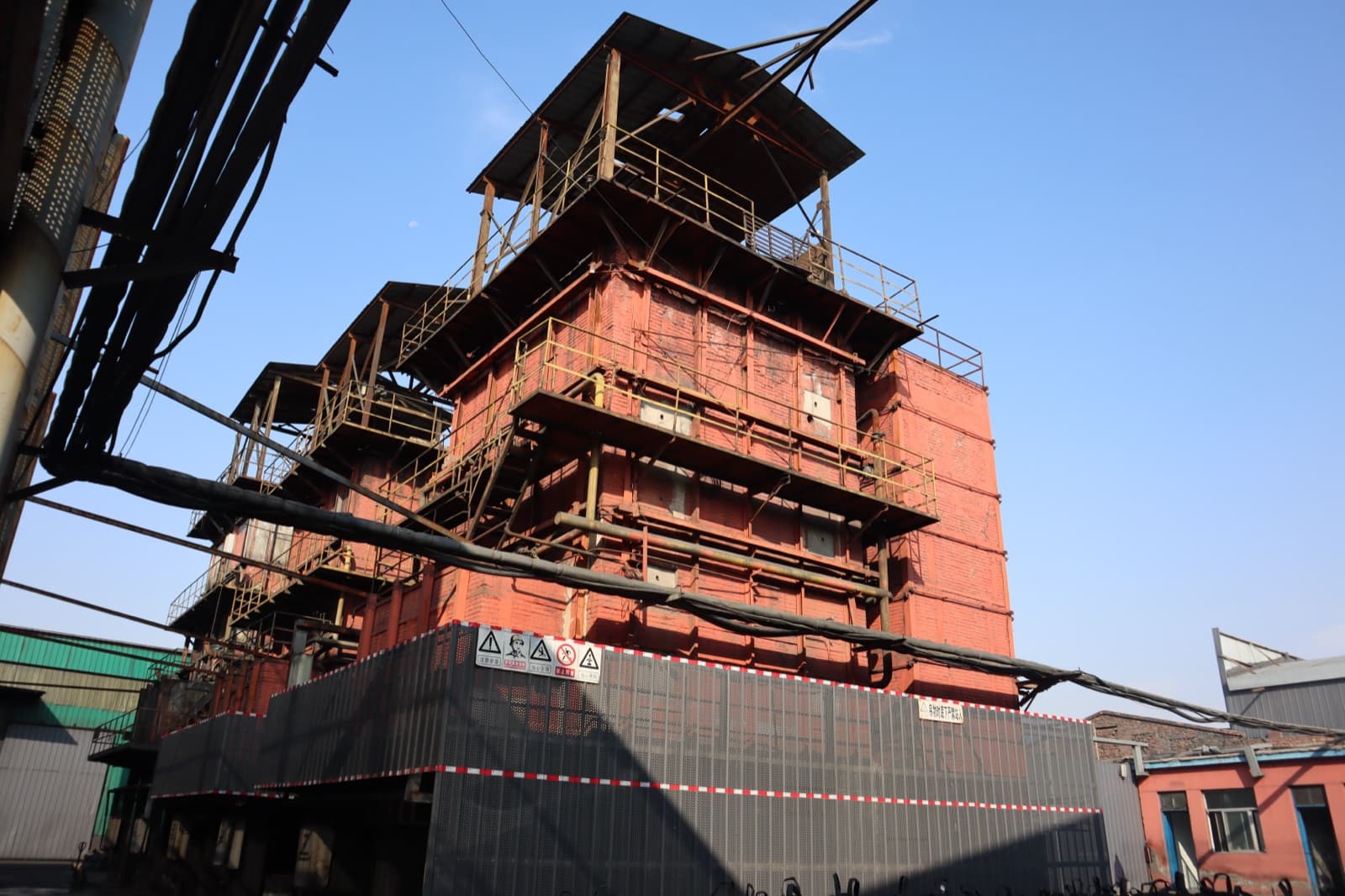
Industrial Exhaust Treatment
Factories, chemical plants, and printing operations use deep-bed activated carbon adsorbers (0.3–1.0 m bed depth) to treat exhaust gases before release. These systems handle high concentrations of solvents, VOCs, and odorous compounds. For solvent recovery applications, the carbon is regenerated with steam and the condensed solvent is recycled — both an environmental and economic benefit.
Odor Control
Wastewater treatment plants, composting facilities, and food processing plants use activated carbon to control odors at the source. Pellet activated carbon (4mm diameter) is preferred for odor control because it provides consistent airflow with low pressure drop across deep beds.
Personal Protective Equipment
Gas masks and respirator cartridges use activated carbon (often impregnated) to protect workers from toxic gases. Military-grade CBRN filters use ASZM-TEDA carbon — coconut shell carbon impregnated with copper, silver, zinc, molybdenum, and TEDA to handle a broad spectrum of chemical warfare agents.
Key Specification: CTC (Carbon Tetrachloride) Value
For air purification applications, the CTC value is more relevant than iodine number. CTC measures the carbon's capacity to adsorb CCl₄ vapor — a gas-phase test that better predicts performance for air treatment than the liquid-phase iodine test.
CTC value guidelines for air applications:
Managing Pressure Drop
Pressure drop across the carbon bed is the #1 operational concern in air systems. Higher pressure drop means more fan energy, more noise, and potentially reduced airflow. Key factors:
When to Replace Activated Carbon in Air Systems
Activated carbon in air applications doesn't last forever. As adsorption sites fill up, breakthrough occurs — contaminants start passing through without being captured. Monitor for:
Bottom Line
Activated carbon is the workhorse of air purification for gaseous pollutants. The right combination of carbon type, bed design, and residence time can remove 95–99% of VOCs and odors from air streams. For specific toxic gases (H₂S, NH₃, mercury, formaldehyde), impregnated carbon provides targeted removal that standard carbon cannot match.
Need help selecting the right carbon for your air purification application? We offer free application engineering support — send us your air composition, flow rate, and target outlet concentration, and we'll recommend the optimal carbon type and system design.
Frequently Asked Questions
What type of activated carbon is best for air purification?
For general air purification, coal-based or coconut shell GAC with 4×8 or 4×10 mesh is most common. For industrial VOC removal, columnar (pelletized) carbon is preferred due to lower pressure drop. CTC above 50% and iodine number above 800 mg/g are recommended minimums.
How often should activated carbon air filters be replaced?
For home air purifiers, every 3–6 months is typical. For industrial systems, monitor breakthrough with a PID or FID detector. Replace when outlet concentration reaches 10% of inlet level. Frequency depends on contaminant concentration, airflow rate, and carbon bed depth.
Can activated carbon remove odors from indoor air?
Yes, activated carbon is highly effective at removing odors from volatile organic compounds, cooking smells, tobacco smoke, and chemical off-gassing. It adsorbs odor molecules through physical adsorption in its micropores. Use carbon with high CTC number and ensure adequate contact time.
What is the difference between activated carbon and HEPA filters?
HEPA filters remove particulate matter (dust, pollen, bacteria) by mechanical filtration but cannot remove gases or odors. Activated carbon removes gases, vapors, and odors through adsorption but doesn't capture particles. Most high-performance systems use both for comprehensive air purification.
Does activated carbon remove formaldehyde from air?
Standard activated carbon has limited capacity for formaldehyde due to its small molecule size and low boiling point. Impregnated activated carbon (treated with potassium permanganate or amine compounds) is much more effective through chemisorption. Look for carbon specifically rated for aldehyde removal.
Need Carbon for Air Treatment?
Tell us about your application — pollutant type, concentration, and air flow rate. We'll recommend the right carbon type and provide a quotation.
Get a Recommendation & Quote