
Activated Carbon for the Pharmaceutical Industry
In API and drug manufacturing, activated carbon decolorizes intermediates, removes pyrogens and trace impurities, and polishes process solvents — to USP and EP purity standards with full batch documentation.
The Purity Problem
Why Pharmaceutical Processes Need Activated Carbon
Pharmaceutical manufacturing demands the highest purity of any carbon application. Active pharmaceutical ingredients (APIs), intermediates, and excipients must be free of color bodies, pyrogens (endotoxins), residual catalysts, and trace organic impurities before they reach final dosage. Activated carbon is the workhorse purification step — it decolorizes crude API solutions, adsorbs endotoxins in water-for-injection and parenteral streams, removes residual palladium and platinum catalysts after hydrogenation, and polishes recovered solvents. Because the carbon contacts material destined for the human body, it must itself meet pharmacopoeia purity limits: low ash, controlled heavy metals, and no leachable impurities, all backed by a certificate of analysis for every lot.
How It Works
How Activated Carbon Purifies Pharmaceutical Streams
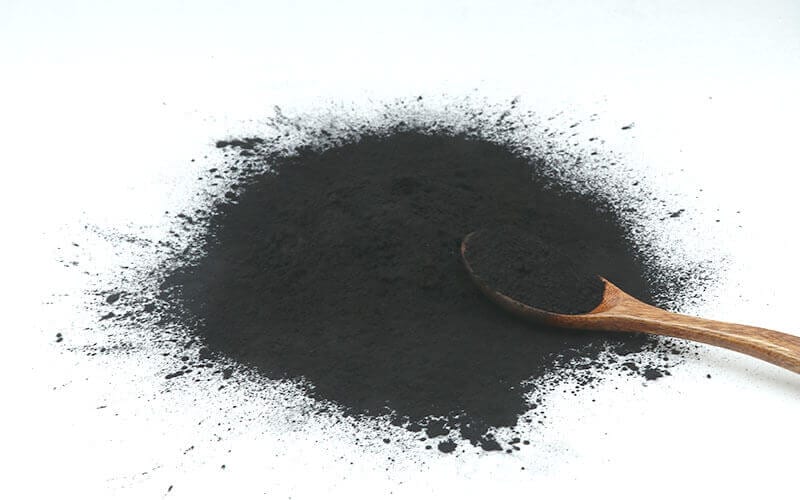
Crude API and intermediate solutions carry colored by-products from synthesis. Powdered carbon adsorbs these chromophores in a stirred batch, then is filtered off — delivering the colorless product the monograph requires.
Activated carbon adsorbs pyrogens (bacterial endotoxins) from water-for-injection and parenteral solutions, protecting patients and helping meet USP bacterial endotoxin limits.
After catalytic hydrogenation, trace palladium, platinum, and nickel must be stripped from the product. Carbon adsorbs these residual metals and organic impurities to meet ICH Q3D elemental limits.
What We Remove
Impurities Removed from Pharmaceutical Streams
Carbon targets the color bodies, pyrogens, residual metals, and trace organics that must be eliminated before final dosage.
| Impurity | Source | Effect if Left | Carbon Removability |
|---|---|---|---|
| Color bodies / chromophores | API synthesis by-products | Fails monograph color spec | Excellent |
| Pyrogens / endotoxins | Water, raw materials | Pyrogenic reaction in patients | Good |
| Residual catalysts (Pd, Pt, Ni) | Hydrogenation steps | Exceeds ICH Q3D limits | Good |
| Trace organic impurities | Side reactions, solvents | Reduced purity / stability | Excellent |
| Residual solvents (in recovery) | Process solvent reuse | Cross-contamination | Good |
Carbon Selection
Which Carbon We Recommend for Pharmaceutical Service
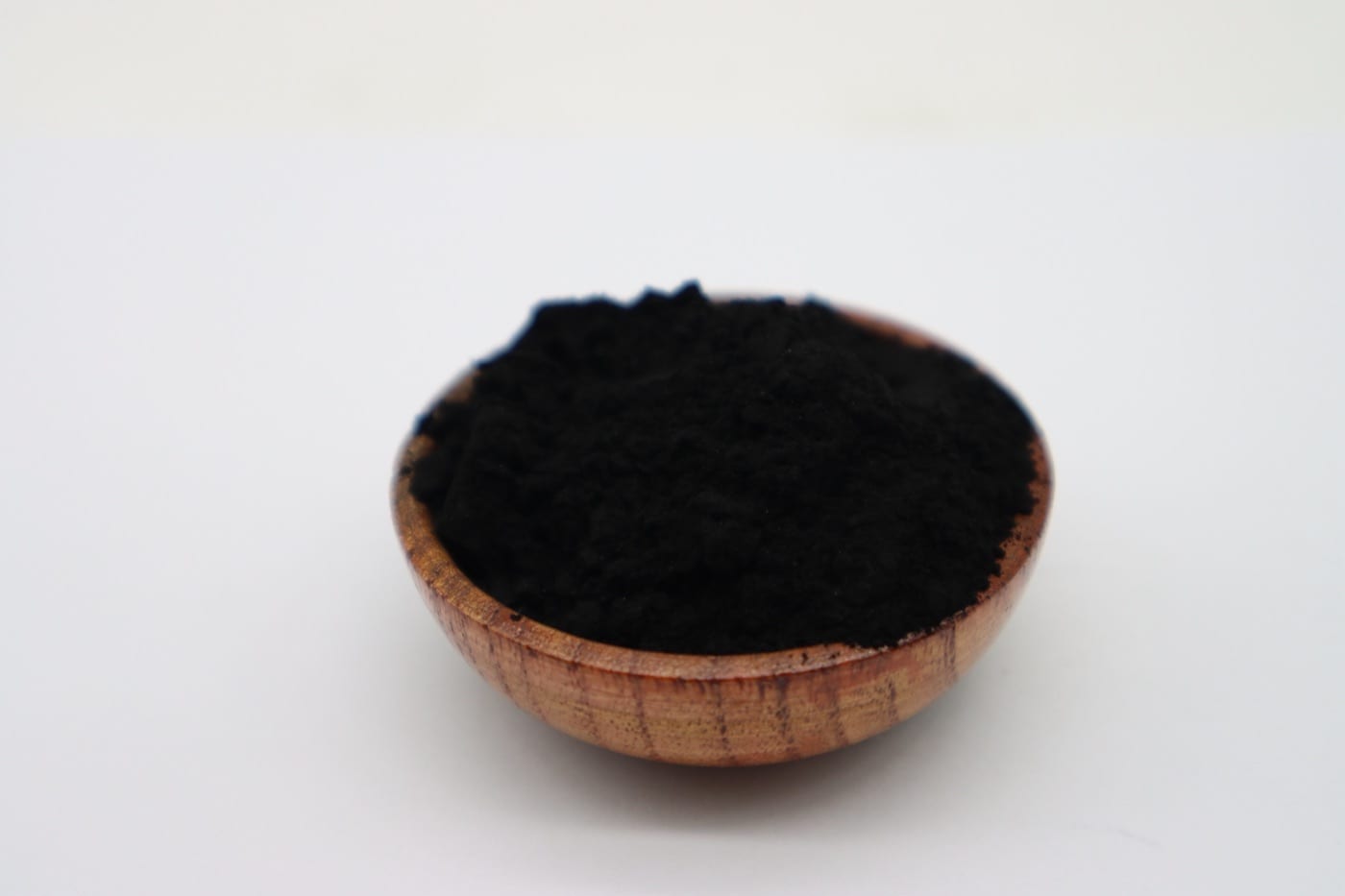
Acid-washed wood-based powdered carbon is the pharmaceutical standard for decolorization — high methylene blue for color removal and ultra-low ash to avoid metal contamination. Coconut GAC suits solvent and water polishing.
| Pharmaceutical Duty | Recommended Carbon | Key Spec | Form |
|---|---|---|---|
| API decolorization | Acid-washed wood PAC | MB ≥180 mg/g, low ash | Powder (200 mesh) |
| Depyrogenation / WFI | Acid-washed wood PAC | Low heavy metals | Powder |
| Catalyst removal | Wood or coconut PAC | High surface area | Powder |
| Solvent polishing | Coconut GAC | Iodine ≥1000 mg/g | Granular 12×40 |
Not sure which grade fits your process? Send us your purification step and purity targets. See our USP-grade activated carbon guide for spec details.
Send Us Your DetailsSystem Design
Designing a Pharmaceutical Carbon Treatment Step
Batch PAC Dosing
Powdered carbon is stirred into the API or intermediate solution at 0.1–2% (w/w), held for 15–60 minutes contact, then removed by plate-and-frame or lenticular filtration. The most common configuration for decolorization and depyrogenation.
Documented Lot Control
Every lot ships with a certificate of analysis covering heavy metals, ash, pH, and identity — essential for GMP traceability and regulatory filings (DMF support on request).
Grade Consistency
Pharmaceutical carbon must perform identically batch to batch. Consistent raw material and activation ensure the same decolorization endpoint and impurity profile across production campaigns.
Low Extractables
The carbon itself must not leach impurities into the product. Acid-washed, low-ash grades with controlled soluble content protect product purity and simplify validation.
Field Performance
Consistent Purity, Batch After Batch
Application: API decolorization for an oral solid-dose intermediate
A typical API decolorization step uses acid-washed wood-based PAC at roughly 0.5% (w/w), stirred into the crude solution for 30 minutes before lenticular filtration. High methylene blue value drives single-pass color removal to monograph specification, while low ash and controlled heavy metals keep the intermediate within ICH Q3D elemental limits — each lot backed by a certificate of analysis for GMP traceability.
Pharmaceutical Activated Carbon — Frequently Asked Questions
What is pharmaceutical-grade activated carbon?
Pharmaceutical-grade activated carbon meets pharmacopoeia purity standards (USP and EP monographs for 'Activated Charcoal'). It has controlled ash, low heavy metals, defined pH, and no harmful leachable impurities — verified by a certificate of analysis for every lot so it can be used in API and drug manufacturing.
What type of activated carbon is used in the pharmaceutical industry?
Acid-washed wood-based powdered activated carbon with methylene blue ≥180 mg/g is the standard for API decolorization and depyrogenation, because it removes large color molecules and endotoxins with very low ash. Coconut-shell granular carbon is used for solvent and process-water polishing.
How does activated carbon remove pyrogens?
Pyrogens (bacterial endotoxins) are adsorbed onto the carbon surface as the solution passes through or is stirred with powdered carbon. This depyrogenation step helps parenteral and water-for-injection streams meet USP bacterial endotoxin limits.
Does the carbon meet USP and EP requirements?
Yes. Our pharmaceutical-grade carbon is produced to comply with USP and EP monographs for activated charcoal, with testing for heavy metals, ash, acidity/alkalinity, and adsorption power. A batch COA and regulatory support documentation are available.
Can activated carbon remove residual metal catalysts?
Yes. After catalytic hydrogenation, activated carbon adsorbs residual palladium, platinum, and nickel along with organic impurities, helping the product meet ICH Q3D elemental impurity limits before final purification.
What is the MOQ and lead time?
Minimum order is 1 ton, with FCL pricing for bulk. Pharmaceutical-grade carbon with full documentation typically ships in 15–25 days. Free samples and a batch COA are available on request.
Need Pharmacopoeia-Grade Carbon? Let's Spec It.
Tell us your process step (decolorization, depyrogenation, catalyst removal, solvent polishing) and your purity targets. Our technical team responds within 24 hours with a recommended grade and documentation package.
Request a Pharma Carbon Quote