
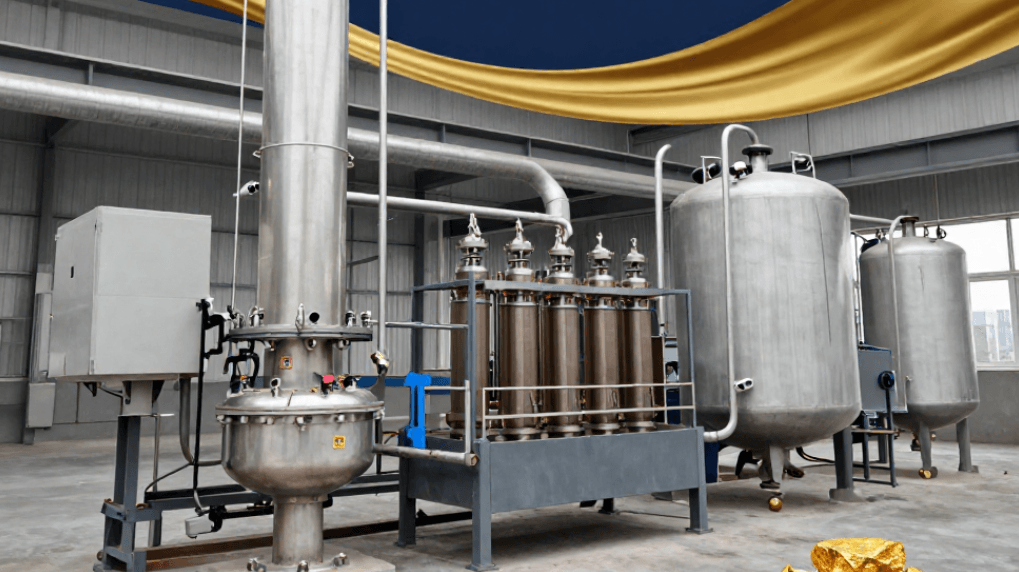
Activated Carbon for Gold Elution & Desorption
High-hardness coconut shell carbon that survives repeated high-temperature stripping in Zadra and AARL elution circuits — low attrition, stable gold loading cycle after cycle.
The Elution Stage
Why elution decides your carbon cost
Elution is the harshest duty an activated carbon endures. Loaded carbon from the CIP/CIL circuit is stripped in hot caustic-cyanide solution, acid-washed, then thermally reactivated at 650–750°C — repeated cycle after cycle. Soft carbon fractures under this stress, generating fines that carry gold to tailings. Performance here depends on mechanical durability, not adsorption capacity.
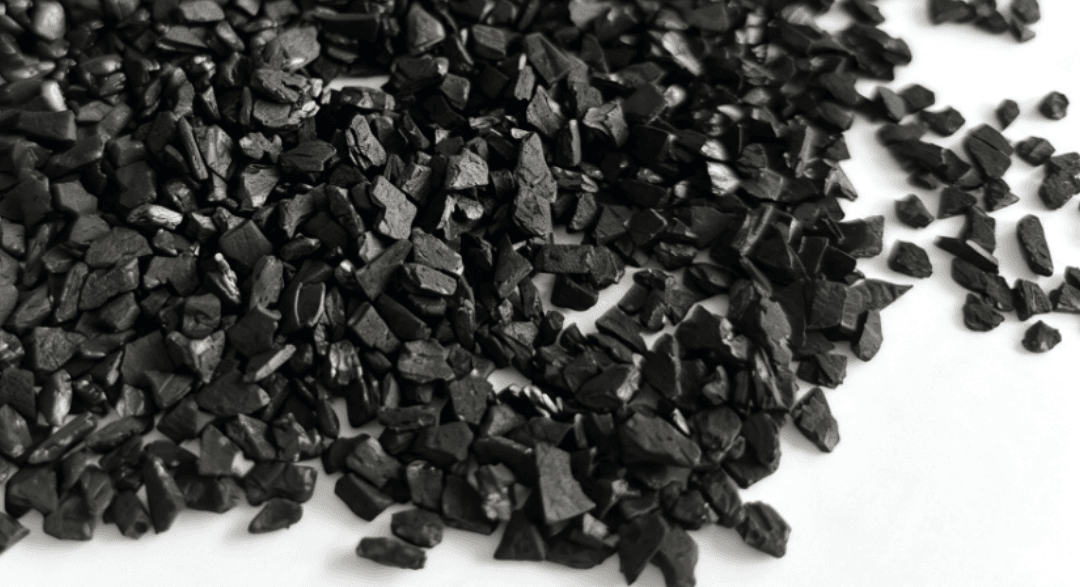
How Elution Works
From loaded carbon to recovered gold
Dilute HCl dissolves carbonate scale and inorganic foulants, restoring the pore network so the eluate runs cleanly.
Hot caustic-cyanide reverses adsorption equilibrium, releasing Au(CN)₂⁻ into a concentrated pregnant eluate for electrowinning.
Stripped carbon is thermally reactivated at 650–750°C, screened to remove fines, and returned to the adsorption circuit.
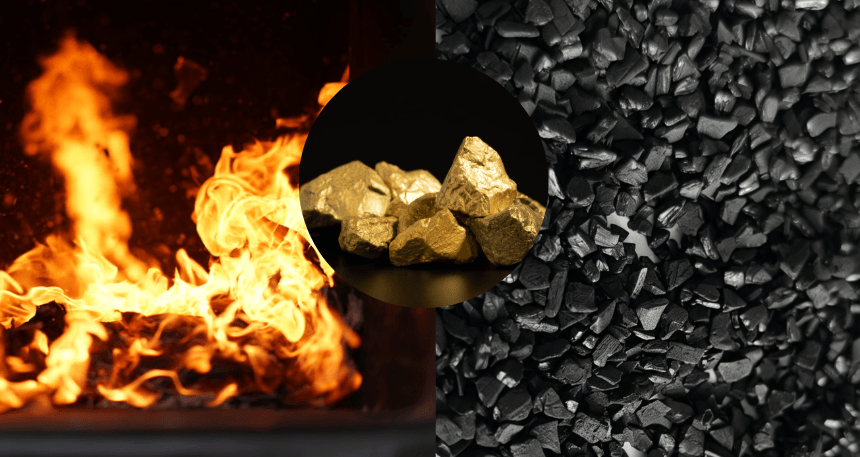
Column sizing
Columns sized to 2–8 t batches; uniform 6×12 keeps pressure drop predictable and prevents channelling.
Fines control
Screening after each cycle removes attrition fines — the biggest driver of annual carbon spend and gold-to-tailings loss.
Reactivation kiln
650–750°C restores 90%+ activity. Hard carbon tolerates repeated kiln passes; soft grades burn off as fines.
Zadra vs AARL
Elution process comparison
The two dominant methods place different demands on the carbon. Both reward high hardness, but AARL's pre-soak/higher-pressure cycle is especially punishing on soft grades.
| Parameter | Zadra (atmospheric / pressure) | AARL (Anglo American) |
|---|---|---|
| Reagents | Hot caustic-cyanide, recirculated | Acid wash → pre-soak → hot water elution |
| Temperature | ~90–110°C atm; up to ~135°C pressurised | ~110–135°C, elevated pressure |
| Cycle time | Longer (8–60 h, recirculating) | Shorter, single-pass (≈10–14 h) |
| Eluate | Combined with electrowinning loop | Clean, concentrated single-pass eluate |
| Carbon demand | High hardness to resist recirculation attrition | Very high hardness — pre-soak + pressure stress fines badly |
Carbon Selection
Choosing carbon for the elution circuit
For elution duty, prioritise mechanical durability and reactivation stability over raw iodine number.
| Grade | Mesh | Hardness | Best for |
|---|---|---|---|
| Coconut GC 6×12 | 6×12 | ≥98% | Standard elution / ADR columns — low pressure drop, easy screening |
| Coconut GC 8×16 | 8×16 | ≥98% | Finer circuits needing faster kinetics with strong retention |
| Reactivation grade | 6×12 | ≥98% | Operations running frequent thermal reactivation cycles |
| High-activity 1050 | 6×12 | ≥97% | High gold loading where adsorption capacity is also critical |
Not sure which grade fits your circuit? Send us your elution method and batch size.
Get a Grade RecommendationProven Performance
Case studies from gold operations
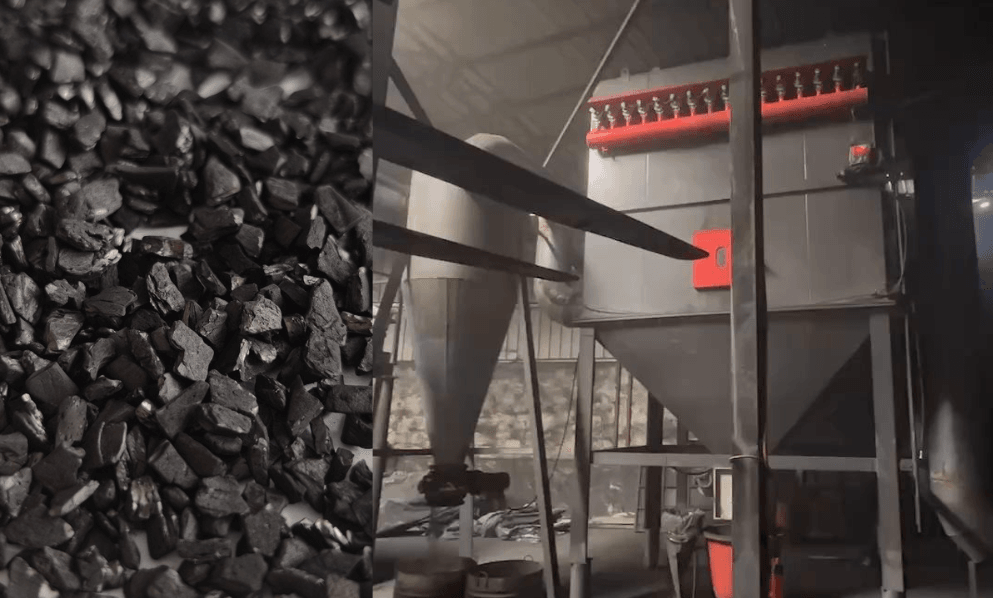
 Ethiopia · 56 tonnes
Coconut carbon for an Ethiopian CIL + Zadra circuit
Switched from a prior supplier after high attrition losses. Hardness ≥98% cut annual make-up carbon spend significantly.
Read the case study Egypt · 28 tonnes
28-tonne CIP carbon to an Egyptian gold recovery circuit
Consistent iodine ≥1050 mg/g and tight 6×12 sizing delivered stable gold loading across multiple reactivation cycles.
Read the case studyGold Elution — Frequently Asked Questions
What is the difference between Zadra and AARL elution?
Zadra recirculates a hot caustic-cyanide solution through the carbon and can run atmospheric or pressurised. AARL is a single-pass sequence — acid wash, caustic-cyanide pre-soak, then hot-water elution at elevated pressure — giving a cleaner eluate in a shorter cycle.
Why does carbon hardness matter so much in elution?
Repeated hot alkaline solution, acid washing and ~700°C kiln passes fracture soft carbon. Fines carry adsorbed gold to tailings and must be replaced. Ball-pan hardness ≥98% minimises attrition.
What temperature is used for elution?
Atmospheric Zadra: 90–110°C. Pressurised Zadra and AARL: 110–135°C under elevated pressure.
Can your carbon be reactivated repeatedly?
Yes. Coconut shell grades recover 90%+ activity per cycle at 650–750°C. High hardness allows hundreds of strip-reactivation cycles.
Which mesh size for elution columns?
6×12 is standard — it balances kinetics, retention and low pressure drop. 8×16 available for faster kinetics.
What is your MOQ and lead time?
MOQ 1 tonne, 7–15 day lead time. Batch COA (hardness, iodine, mesh, moisture) with every order.
Cut your make-up carbon cost
Send us your elution method (Zadra or AARL), batch size and current attrition rate — we'll recommend the right grade with a batch COA on every shipment.
Request a Gold Carbon Quote