
Industry Guide · Updated April 2026
Activated Carbon for Oil Refinery: 6 Applications, Specs & Bulk Sourcing
Every refinery uses activated carbon somewhere — amine units, hydrogen plants, sulfur recovery, produced water. Here are the 6 main applications, what specs you need, and how to source it from China at 30-40% less than Western brands.
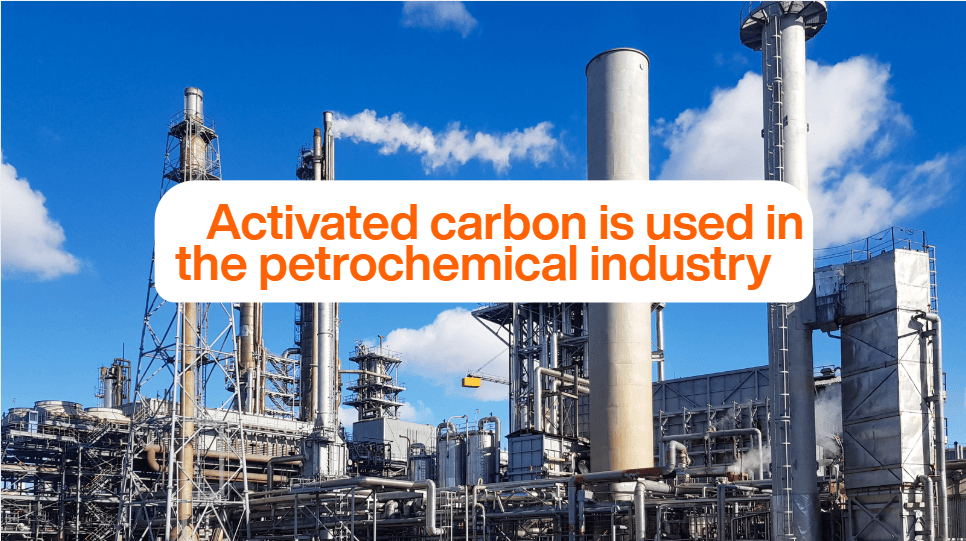
We supply activated carbon to refineries in the Middle East, Central Asia, and Africa. Amine sweetening units, Claus sulfur recovery tail gas, hydrogen PSA systems, produced water treatment — these are the bread-and-butter applications we see every month.
This guide covers the 6 main refinery applications for activated carbon, the specs that matter for each one, and what to expect on pricing when you buy direct from a Chinese manufacturer.
Quick Overview: 6 Refinery Applications
| # | Application | Carbon Type | Key Spec |
|---|---|---|---|
| 1 | Amine Sweetening | Pelletized 4mm | Hardness ≥95%, Ash ≤12% |
| 2 | Hydrogen Purification (PSA) | Pelletized 3mm | CTC ≥60%, Hardness ≥96% |
| 3 | Sulfur Recovery (Claus Tail Gas) | Pelletized 4mm or GAC 4x8 | H₂S capacity, CTC ≥55% |
| 4 | Produced Water Treatment | GAC 8x30 or 12x40 | Iodine ≥900 mg/g |
| 5 | Mercury Removal | Sulfur-impregnated pellet/GAC | S content 10-15%, Hg capacity |
| 6 | VOC / Fugitive Emission Control | Pelletized 4mm or GAC 4x10 | CTC ≥60%, BET ≥1000 m²/g |
Now let us walk through each application — what the carbon does, what specs to look for, and common mistakes we see buyers make.
1. Amine Sweetening Unit — Removing Contaminants from Lean Amine
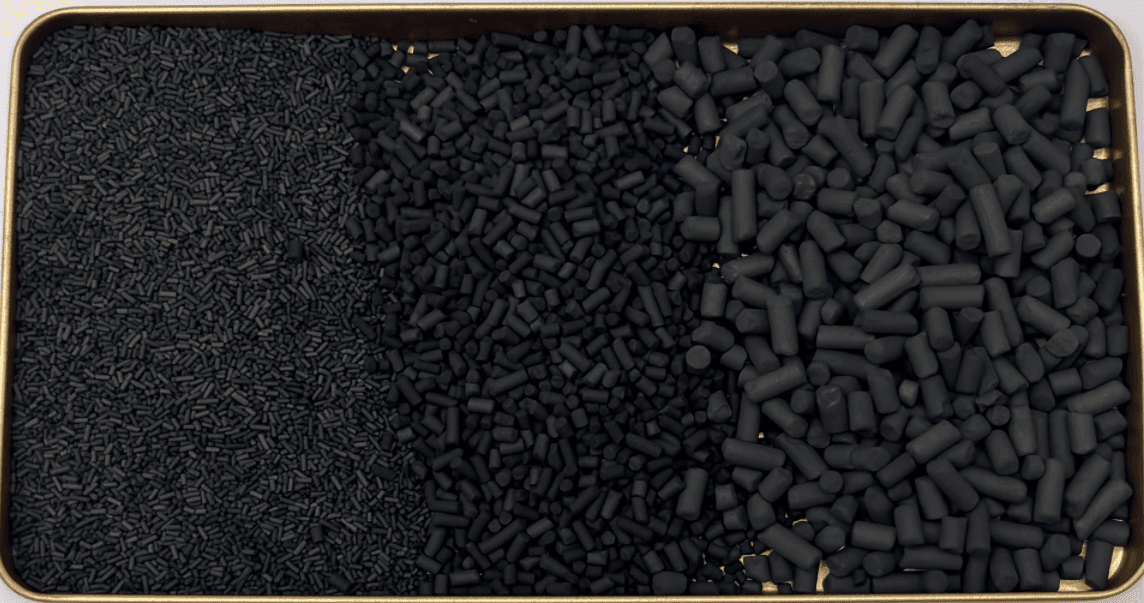
This is the single largest use of activated carbon in a refinery. The amine unit removes H₂S and CO₂ from sour gas. Over time, the amine solution picks up degradation products, surfactants, and hydrocarbons that cause foaming and reduce efficiency.
Activated carbon filters sit on the lean amine slip stream — typically 10-20% of total circulation. The carbon adsorbs these contaminants and keeps the amine clean. See our dedicated amine (MDEA) purification page for carbon grades and bed design details.
What you need:
- Pelletized carbon, 4mm diameter (sometimes 3mm for smaller units)
- Coal-based, steam-activated — not coconut shell (too fine, causes amine carryover)
- Hardness ≥95% — the carbon sits in a liquid flow, soft pellets break down and create fines
- Ash content ≤12% — high ash leaches into the amine and causes problems
- Moisture ≤5% at delivery
A typical amine unit in a medium refinery (100,000 bpd) uses 15-30 tons of activated carbon per charge, replaced every 2-5 years depending on amine condition. We ship 4mm pelletized carbon to amine units in Saudi Arabia, UAE, Kazakhstan, and Iraq regularly.
2. Hydrogen Purification — PSA & Guard Beds
Hydrogen is critical in modern refineries — hydrotreating, hydrocracking, and isomerization all need high-purity H₂. Pressure Swing Adsorption (PSA) units use activated carbon as one of the adsorbent layers to remove heavier hydrocarbons (C3+) before the molecular sieve layer strips CO, CO₂, and N₂.
What you need:
- Pelletized carbon, 3mm diameter — tighter packing for better separation
- High CTC activity ≥60% — this measures vapor-phase adsorption capacity, the key performance metric for PSA
- Hardness ≥96% — PSA cycles create mechanical stress, weak pellets generate dust that contaminates downstream equipment
- Low ash ≤10% — cleaner carbon means less contamination in the H₂ product
- Consistent particle size — irregular pellets cause channeling and reduce separation efficiency
PSA beds are typically 20-50 tons per unit. Replacement cycle is 1-3 years. This is a spec-sensitive application — always run a pilot test with the actual carbon before committing to a full charge. See our CTC value guide for more on how CTC relates to gas-phase performance.
3. Sulfur Recovery — Claus Tail Gas Treatment
The Claus process converts H₂S to elemental sulfur, but the tail gas still contains 2-5% of the original sulfur compounds. Activated carbon beds in the tail gas treating unit (TGTU) adsorb residual H₂S, SO₂, COS, and CS₂ to meet emission limits.
Some refineries also use activated carbon in the sulfur pit ventilation system to control odor and SO₂ emissions.
What you need:
- Pelletized 4mm or granular 4x8 mesh — depends on the vessel design
- High H₂S adsorption capacity — look for carbons with catalytic activity for H₂S oxidation
- CTC ≥55% for general tail gas applications
- Some units use KOH-impregnated or NaOH-impregnated carbon for enhanced H₂S removal
For more on H₂S removal with activated carbon, see our biogas purification guide — the chemistry is similar, just different gas composition.
Need Activated Carbon for Your Refinery?
Tell us the application, vessel size, and current carbon specs. We will send you a quote with matching product recommendations within 24 hours.
Get a Quote →4. Produced Water Treatment — Oil & Grease Removal
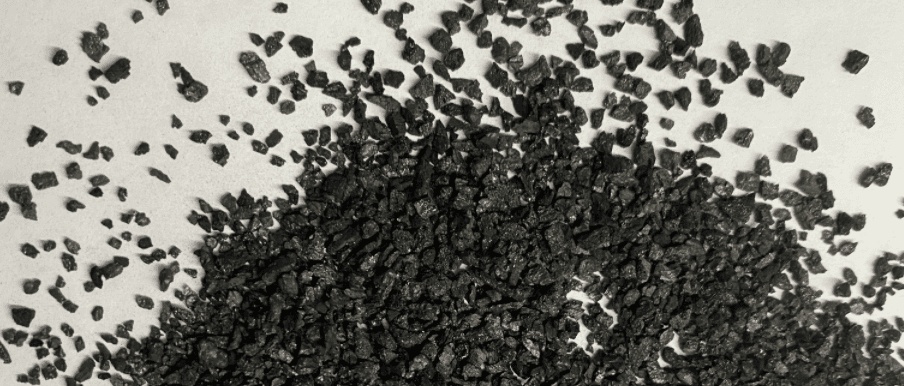
Produced water from oil wells contains dissolved hydrocarbons, phenols, BTEX, and heavy metals. Activated carbon is the polishing step after oil-water separators and flotation units — it removes the residual organics that other methods cannot.
This is especially important in the Middle East and Central Asia where produced water volumes are massive and discharge regulations are tightening.
What you need:
- Granular activated carbon (GAC), coal-based, 8x30 or 12x40 mesh
- Iodine number ≥900 mg/g — higher is better for dissolved organics
- Hardness ≥90% — the carbon needs to withstand backwash cycles
- Low fines content — excess fines clog downstream filters
Bed sizes range from 5-50 tons depending on water volume. Replacement every 6-18 months. Coal-based GAC is the standard choice here — coconut shell works but costs more and does not offer significant performance advantage for oily water. For more on water treatment applications, see our wastewater treatment guide.
5. Mercury Removal — Protecting Catalysts & Equipment
Mercury in natural gas and NGL streams causes catastrophic damage to aluminum heat exchangers (liquid metal embrittlement) and poisons catalysts. Even trace levels (1-10 µg/Nm³) are unacceptable in LNG plants and ethylene crackers.
Sulfur-impregnated activated carbon is the industry standard for mercury removal. The sulfur reacts with mercury to form stable HgS, which stays trapped in the carbon bed.
What you need:
- Sulfur-impregnated pelletized carbon (4mm) or GAC (4x8 mesh)
- Sulfur content 10-15% by weight — this determines mercury capacity
- Mercury removal efficiency ≥99.9% at inlet concentrations of 1-100 µg/Nm³
- Low pressure drop — critical for gas processing trains
- Bed life 3-7 years depending on mercury loading
This is a specialty product with higher pricing ($3,000-6,000/ton) but also longer bed life. We produce sulfur-impregnated carbon in-house — not all Chinese manufacturers can do this, so verify the supplier has actual impregnation capability. See our mercury removal guide for detailed specs.
6. VOC & Fugitive Emission Control
Refineries generate VOC emissions from storage tanks, loading racks, wastewater treatment units, and process vents. Activated carbon adsorption is one of the most cost-effective methods for capturing these emissions and meeting EPA/EU emission limits.
Two common setups: fixed-bed adsorbers with steam regeneration (for high-concentration streams) and canister-type units with disposable carbon (for low-concentration vents).
What you need:
- Pelletized 4mm for fixed-bed systems, GAC 4x10 for canister systems
- High CTC ≥60% — VOC adsorption correlates directly with CTC activity
- BET surface area ≥1000 m²/g — more surface area means more adsorption sites
- Good regeneration characteristics if using steam regeneration — the carbon needs to release adsorbed VOCs cleanly and maintain capacity over multiple cycles
For a deeper look at VOC removal with activated carbon, see our VOC removal guide.
Sourcing Refinery-Grade Carbon from China: What to Know
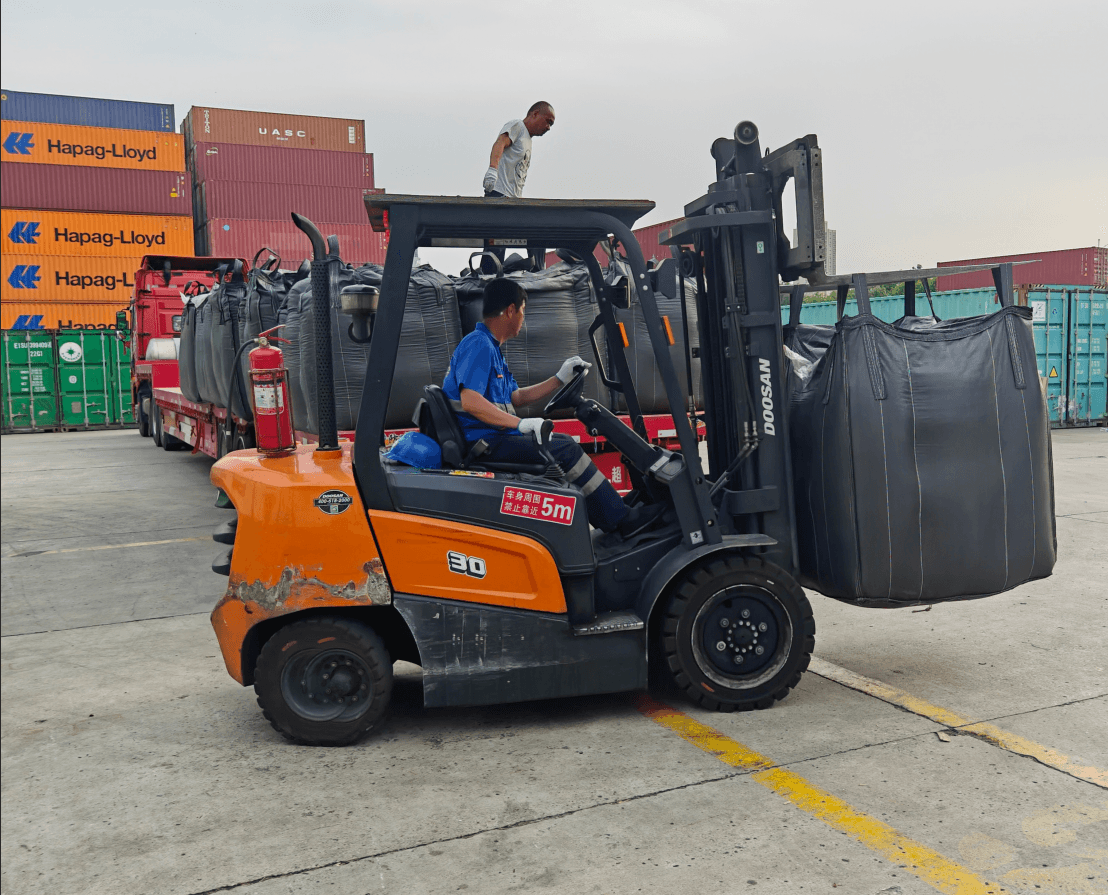
China produces roughly 60% of the world's activated carbon. For refinery applications, the main production base is in Ningxia and Shanxi provinces — coal-rich regions with decades of activated carbon manufacturing experience.
Here is what we tell refinery procurement teams who are considering Chinese suppliers for the first time:
- Start with amine carbon. It is the least spec-sensitive refinery application and the easiest to qualify. If the carbon performs well in your amine unit, you build confidence to try it in more critical applications.
- Request batch-specific COA, not catalog specs. Any supplier can put impressive numbers on a brochure. What matters is the actual test results for the batch being shipped. We provide SGS or Intertek third-party reports on request.
- Order samples first. We send 25-50 kg samples free of charge. Run your own lab tests — iodine number, CTC, hardness, ash, moisture, particle size distribution. Compare against your current supplier's carbon.
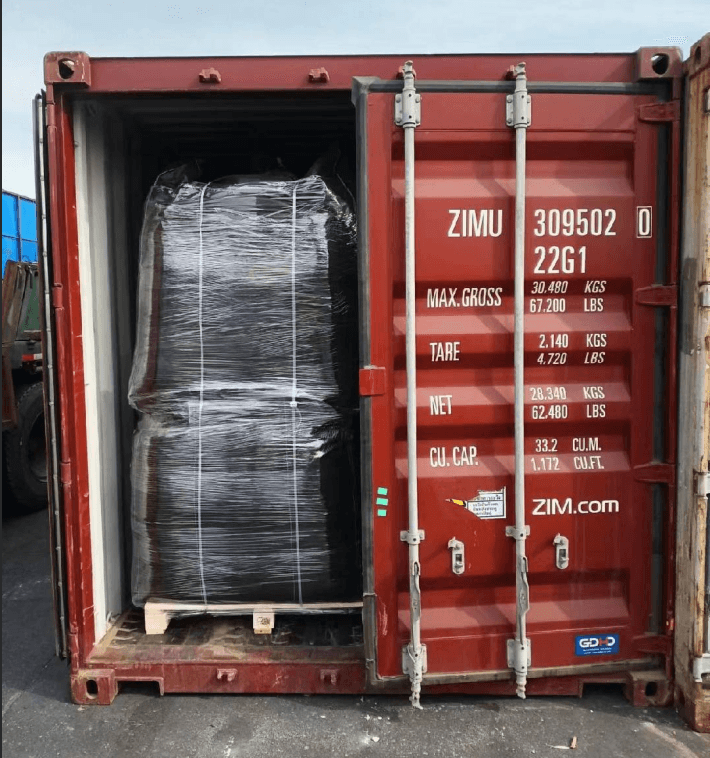
- Consider LCL for first order. Instead of committing to a full 20-ton container, start with 2-5 tons via LCL shipping. Test it in your actual unit. If it works, scale up.
- Check impregnation capability. If you need specialty carbons (sulfur-impregnated for mercury, KOH-impregnated for H₂S), verify the supplier does this in-house. Many traders claim to offer impregnated carbon but are just reselling.
For detailed pricing across all product types, see our activated carbon price guide.
Frequently Asked Questions
What type of activated carbon is used in oil refineries?
Most refinery applications use pelletized activated carbon (3mm or 4mm diameter) or granular coal-based carbon (4x8 or 8x30 mesh). Pelletized carbon is preferred for gas-phase applications like amine treating and H2 purification because of low pressure drop. Granular carbon is used for liquid-phase applications like produced water treatment.
How often does activated carbon need to be replaced in a refinery?
It depends on the application. Amine treating beds typically last 2-5 years. Hydrogen purification beds last 1-3 years. Mercury removal beds can last 3-7 years with impregnated carbon. Produced water treatment beds are replaced every 6-18 months depending on contaminant loading.
What is the price of activated carbon for refinery use?
Pricing varies significantly by application and carbon type. Pelletized carbon for gas-phase applications costs more than standard granular carbon for water treatment. Impregnated specialty carbons (mercury removal) are the most expensive. Contact us with your specs for a specific quote — pricing depends on quantity, product type, and delivery terms.
Can Chinese activated carbon meet refinery specifications?
Yes. Major Chinese manufacturers produce pelletized and granular carbon that meets ASTM D3802, D4607, and D5158 standards. Key specs to verify: CTC activity (min 60% for gas phase), hardness (min 95%), ash content (max 10-12%), and moisture (max 5%). Always request batch-specific COA and run pilot tests.
What is the MOQ for refinery-grade activated carbon from China?
Standard MOQ is 1 FCL (20 tons for a 20ft container). For first-time buyers, we offer LCL shipments starting from 2-5 tons for qualification testing. Impregnated specialty carbons may have higher MOQs of 5-10 tons due to custom production runs.
What certifications should refinery-grade activated carbon have?
ISO 9001 for quality management is baseline. For specific applications: NSF/ANSI 61 if the carbon contacts potable water downstream, REACH compliance for EU refineries, and SGS or Intertek third-party test reports. Some refineries also require MSDS/SDS and Certificate of Origin.
Ready to Source Activated Carbon for Your Refinery?
We supply pelletized carbon, granular carbon, and impregnated specialty carbons for all refinery applications. Factory direct from Ningxia, China. Free samples, batch-specific COA, LCL available for first orders.
Tell us your application and specs — we will get back to you within 24 hours.
Ready to Source Activated Carbon?
Get competitive FOB pricing from our factory. Full certifications (NSF-61, ISO 9001, Halal, Kosher). Samples available.