
Peru Andes · High-Altitude Heap Leach & ADR · Factory Direct
Activated Carbon for Peru Gold Mines — High-Altitude Heap-Leach & ADR
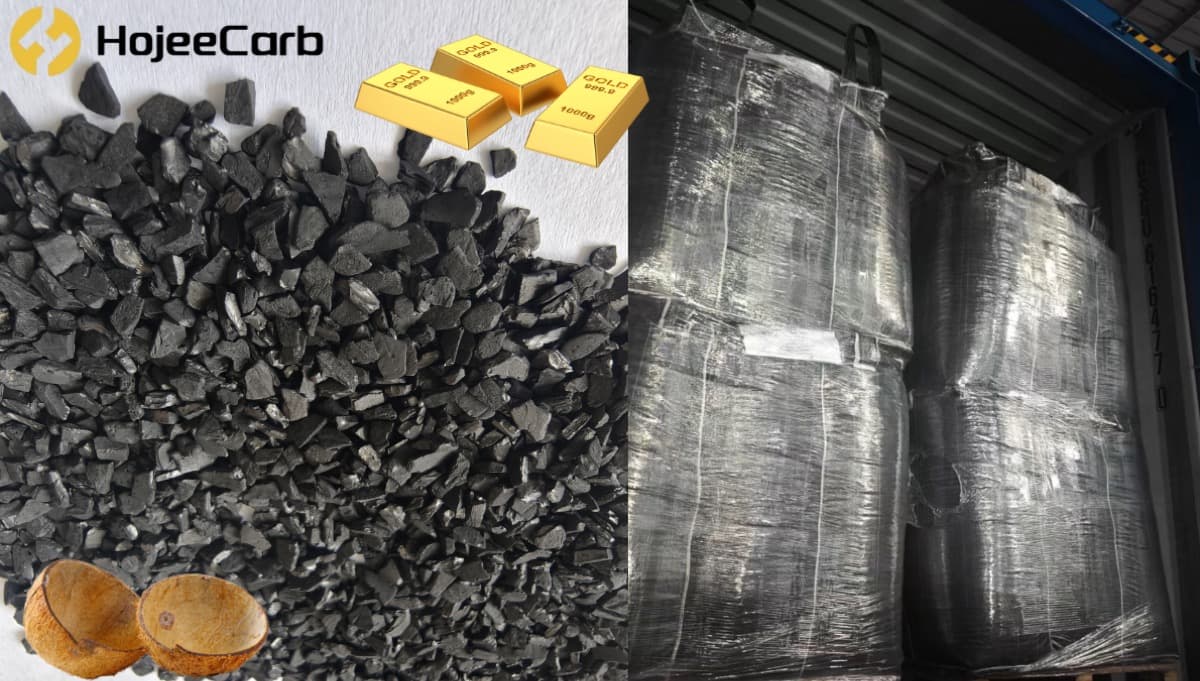
Peru's gold is won high in the Andes — much of it from oxide ores leached in valley-fill and on-off heap pads at 3,500–4,500 m, then stripped through ADR (adsorption-desorption-recovery) columns. Thin air, cold nights, and long percolation cycles slow gold-cyanide kinetics and punish soft carbon in tall columns. We spec hard, low-fines coconut carbon that keeps loading fast and head loss low where the air is thin.
- ✓ 6×16 for ADR / carbon columns · 6×12 for CIL · hardness ≥98% · AARL ≤2%
- ✓ Fast gold-cyanide kinetics to offset cold, high-altitude pregnant solution
- ✓ Low fines keep column head loss down · ships to Callao, Matarani & Salaverry
Peru's Real Carbon Challenge
High-Altitude Heap Leach & Cold Pregnant-Solution Carbon Management
Peru is different from a warm African CIP train. Most of its gold sits in oxide ores leached on heaps high in the Andes, where recovery runs through carbon-in-column ADR trains rather than agitated tanks. At 3,500–4,500 m the pregnant solution is cold, percolation cycles are long, and tall carbon columns are unforgiving of fines. Cold slows the gold-cyanide adsorption rate, and any soft or dusty carbon breaks down into fines that blind the column, drive up head loss, and carry loaded gold out with the barren. This is the Peru differentiator: the carbon has to load fast in cold solution and stay hard enough to hold a deep column together.
How High-Altitude Heap Leaching Tests the Carbon
| Factor | Effect on the Carbon Circuit | How We Address It |
|---|---|---|
| Cold pregnant solution | Low temperature slows gold-cyanide adsorption kinetics, so carbon loads more slowly per pass | High-activity coconut carbon (iodine ≥1100, open pore structure) keeps loading rate up in cold solution |
| Tall ADR / carbon columns | Fines blind the column, raise head loss, and cut solution throughput between changeouts | Low starting fines + 6×16 mesh keep percolation flow steady and head loss low |
| Long heap percolation cycles | Carbon cycles through many load-strip-reactivate rounds, punishing weak grades | Ball-pan hardness ≥98% and AARL ≤2% survive more cycles before dropping below spec |
| Oxide ore, low-grade solution | Dilute gold in solution means adsorption efficiency decides recovery economics | High CTC and fast kinetics scavenge gold from dilute pregnant solution before it reports to barren |
What We Target for High-Altitude ADR
≥1100
Iodine (mg/g)
High activity keeps loading fast in cold, dilute pregnant solution
6×16
Column Mesh
Finer mesh for ADR / carbon columns keeps head loss low
≥98%
Ball-Pan Hardness
Survives long heap cycles and repeated reactivation
≤2%
A.A.R.L. Attrition
Low fines protect column flow and stop gold loss to barren
Gold Recovery Applications in Peru
Peru is a top-tier global gold producer, and its mines span from massive high-altitude oxide heap-leach operations in the northern Andes to polymetallic and alluvial districts in the south and southeast. We match carbon grade to circuit type — heap-leach ADR first, then CIL where sulphide ores are milled.
High-Altitude Oxide Heap Leach — Cajamarca
The northern Andes host large oxide-gold heap-leach operations (the Yanacocha district near Cajamarca is the best-known) where cyanide solution percolates through stacked ore and gold is recovered in ADR carbon columns. Cold, high-altitude solution needs fast-loading, low-fines carbon.
ADR / Carbon-in-Column Trains
Adsorption-desorption-recovery columns are the heart of Peruvian heap-leach gold. Hard 6×16 coconut carbon holds a deep column together, keeps head loss low, and resists the fines that carry loaded gold to barren solution.
Sulphide-Ore CIL Circuits
Where mills treat sulphide and refractory gold ores, agitated carbon-in-leach recovers gold from pulp. These circuits want hard 6×12 carbon with high loading and low attrition to protect gold-room recovery.
Mine & Camp Water Treatment
Remote Andean sites need potable and process-water polishing. Coconut and coal-based GAC remove organics, turbidity, and residual cyanide at altitude, where infrastructure is limited.
Real Delivery to Peru
56 t Gold Recovery Carbon — Peru
56 t
Peru
6×12 coconut shell · CTC 60% · K value 32 · hardness 99% · ash ≤3%
56 tons of 6×12 coconut shell gold recovery carbon shipped to a Peruvian gold mine running a continuous CIP/CIL circuit. The client moved to us for batch-to-batch consistency — per-lot CTC, hardness, and K/R testing with composite-sample COAs — after other Asian suppliers drifted lot to lot. Shipped from Xiamen to Callao.

Third-Party Verified
SGS-Tested Coconut Shell Gold Recovery Carbon
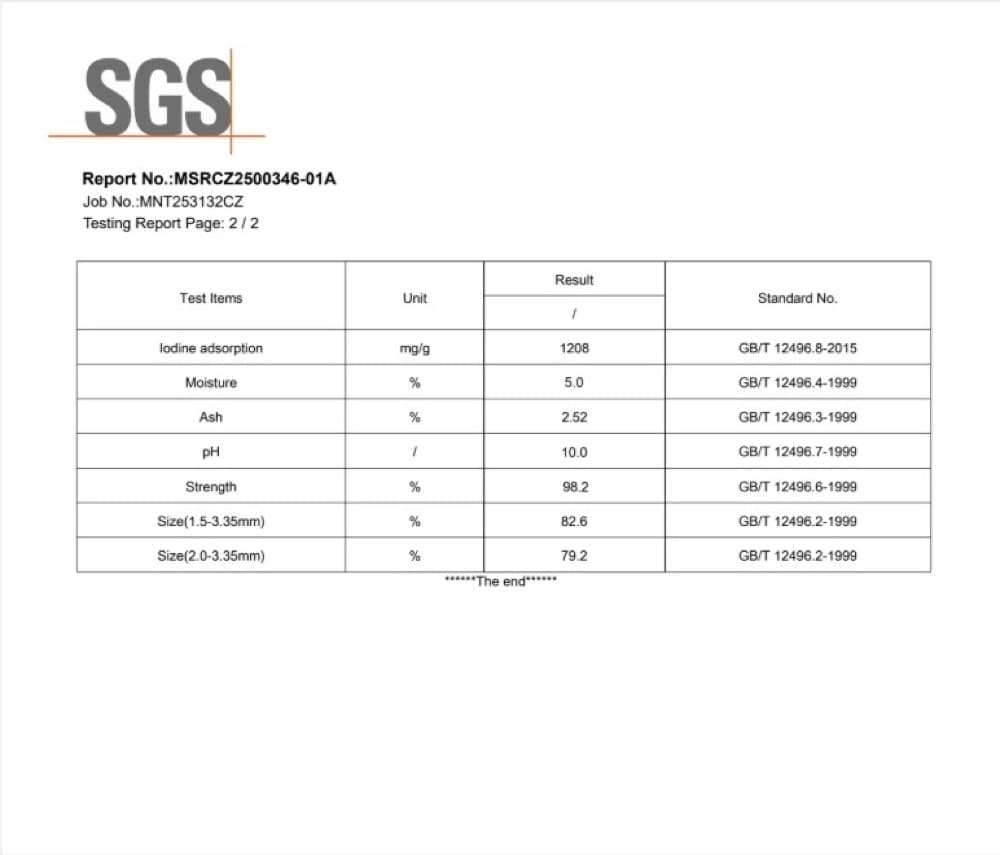
Our gold-recovery carbon is verified by SGS third-party testing against the GB/T 12496 method. The report confirms iodine adsorption of 1208 mg/g, low ash and moisture, and controlled particle-size distribution — the same activity and hardness we quote for Peru's high-altitude ADR and CIL circuits. Every shipment ships with a full COA, and SGS or Bureau Veritas testing is available on request.
New Peru Order
A Peru Order on the Floor — Matched to Cold-Column Service
This is a Peru-bound order being prepared at our plant. Worth watching with one question in mind: does what is in the bag match what an Andean ADR column actually asks for? A cold, dilute pregnant solution at 4,000 m and a deep carbon column are far less forgiving than a warm agitated tank — so we spec against those conditions, not against a generic gold-carbon datasheet.
| What Peru’s circuits demand | What this order ships with |
|---|---|
| Cold pregnant solution slows gold-cyanide loading | Iodine ≥1100 mg/g, open pore structure — loads fast per pass |
| Deep ADR columns blind and gain head loss from fines | 6×16 mesh, screened low starting fines before bagging |
| Long heap campaigns cycle carbon load-strip-reactivate | Ball-pan hardness ≥98%, A.A.R.L. attrition ≤2% |
| Dilute low-grade solution decides recovery economics | CTC ≥60% to scavenge gold before it reports to barren |
| Long ocean leg to the Pacific coast | PE-lined bags, batch COA before loading, into Callao |
Every batch ships with a full COA against these numbers, and SGS or Bureau Veritas sampling is available before the container sails — so the specs above are verifiable on the lot you receive, not just on a brochure.
Carbon Specs for Peru Gold Plants
Every spec below is chosen for cold, high-altitude heap-leach and ADR service — hardness, low fines, and fast kinetics first, because those decide loading rate and column stability in Peru's Andean circuits.
| Parameter | Value | Why It Matters |
|---|---|---|
| Ball-Pan Hardness | ≥98% | Holds a deep ADR column together through long heap cycles |
| Attrition (A.A.R.L.) | max 2% | The gold-room number — low fines keep column head loss down |
| Iodine Number | ≥1100 mg/g | High activity offsets slow kinetics in cold pregnant solution |
| CTC Activity | ≥60% | Scavenges gold from dilute, low-grade heap-leach solution |
| Mesh Size | 6×16 / 6×12 | 6×16 for ADR / carbon columns, 6×12 for milled CIL circuits |
| Ash Content | ≤3% | Cleaner elution and reactivation, less column fouling |
| Moisture | ≤5% | Stable shipping weight and consistent column loading |
Recommended Grades for Peru Mines
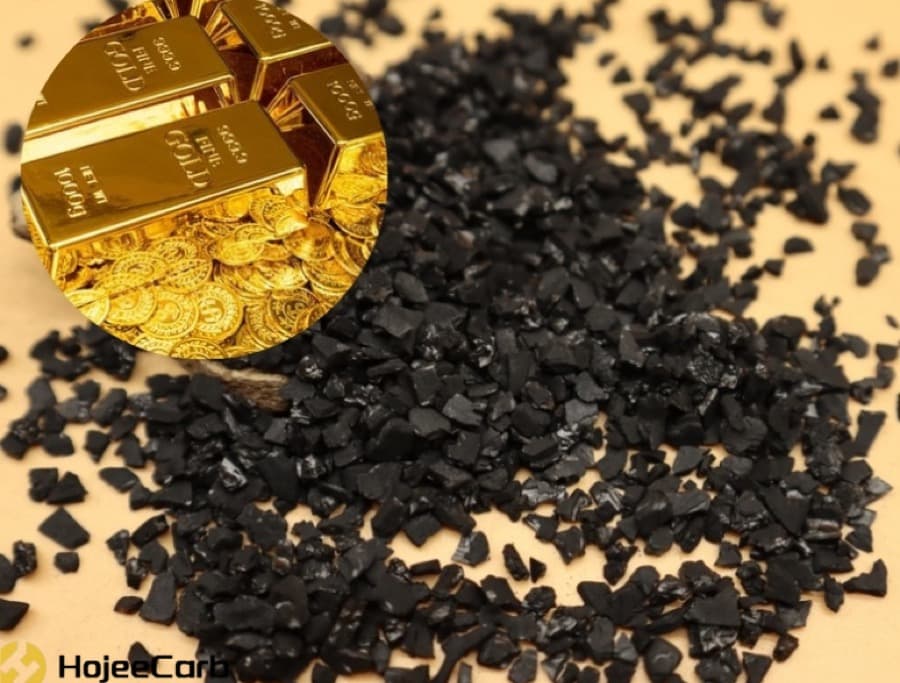
Coconut Shell Granular — Carbon Columns
6×16 mesh · iodine ≥1100 · hardness ≥98%
Built for ADR / carbon-in-column trains — finer mesh and low fines keep head loss low in tall columns while scavenging gold from cold, dilute heap-leach solution.
View product & specs →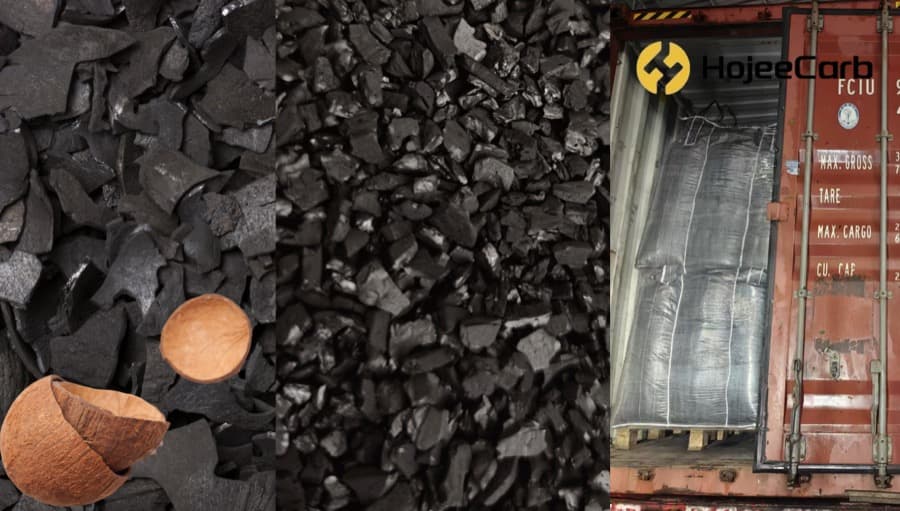
6×12 Coconut Shell — CIL
6×12 mesh · iodine 1100+ · A.A.R.L. attrition max 2%
For milled sulphide-ore CIL circuits: hard, high-loading carbon with low attrition that protects gold-room recovery. Full COA and TDS so your metallurgists can benchmark against current carbon.
View product & specs →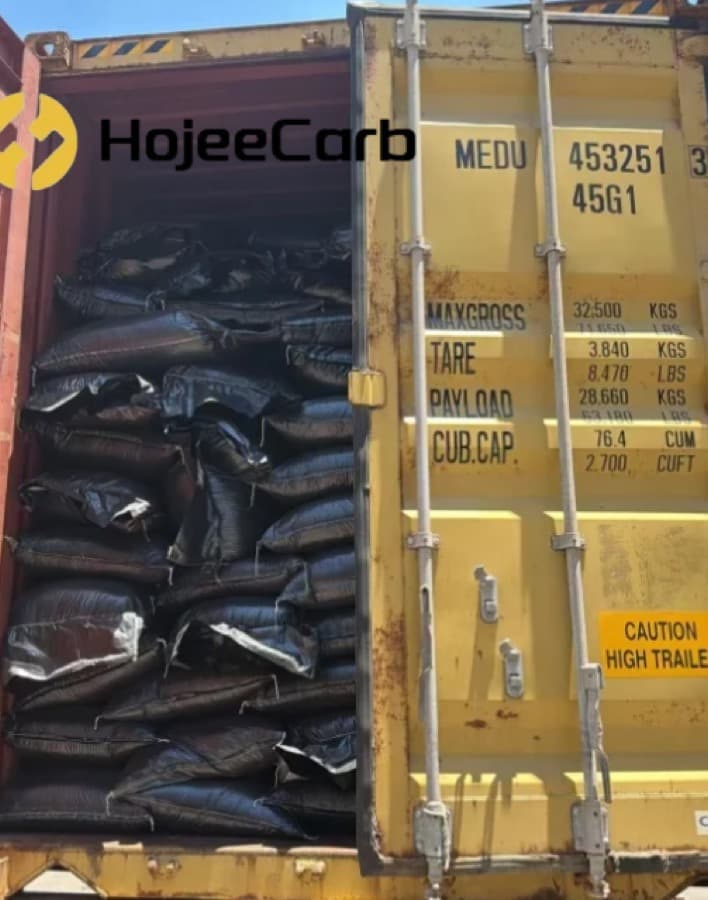
Gold Recovery Activated Carbon
6×12 / 6×16 · hardness ≥98% · gold loading >30 mg/g
The grade that survives the most reactivation cycles — critical for long Andean heap campaigns where carbon is cycled hard between load, strip, and reactivation.
View product & specs →Request a Quote
Get Peru Gold Recovery Carbon Pricing — Factory Direct
Send your mine, circuit type, and tonnage. We'll return a factory quote, TDS, and CIF pricing to Callao, Matarani & Salaverry within 24 hours.
Coconut Carbon We Ship Across the Region
More Gold-Recovery Carbon We've Shipped
16 t
Bolivia
Coconut powdered carbon · Andean neighbour
Coconut-based activated carbon shipped to a Bolivian client — a documented delivery into the Andean region that borders Peru's southern gold districts.
Read the case study →56 t
Ethiopia
6×12 coconut shell · iodine 1100 · CIL/CIP
Passed a strict third-party pre-shipment loading supervision — container dimensions, temperature, and seal integrity documented before sailing.
Read the case study →Peru Gold Recovery Carbon FAQ
Why does high altitude matter for gold recovery carbon in Peru?
Peru's big oxide heap-leach mines sit at 3,500–4,500 m in the Andes, where pregnant solution is cold and percolation cycles are long. Cold solution slows the gold-cyanide adsorption rate, so the carbon has to be high-activity (iodine ≥1100, open pore structure) to keep loading fast per pass. Altitude itself does not change the chemistry, but the cold, dilute, low-grade solution that comes with high-altitude heap leaching is what drives the spec — fast kinetics and low fines matter more here than on a warm African CIP train.
What mesh should I use for ADR carbon columns versus a CIL circuit?
For ADR (adsorption-desorption-recovery) and other carbon-in-column trains that dominate Peruvian heap leaching, we recommend 6×16 coconut carbon — the finer mesh keeps head loss low and packs a deep column evenly. For milled sulphide-ore CIL circuits with agitated tanks, 6×12 is the standard. The non-negotiable in both cases is low starting fines and ≥98% ball-pan hardness, because fines are what blind a column and carry loaded gold to barren.
How do you stop carbon fines from blinding a tall ADR column?
Two levers. First, spec hard carbon — ball-pan hardness ≥98% and A.A.R.L. attrition ≤2% — so the carbon generates fewer fines as it cycles through load, strip, and reactivation. Second, ship carbon with low starting fines and the right mesh (6×16 for columns) so the packed bed stays permeable. Together these keep head loss low, maintain solution throughput, and stop gold-loaded fines from escaping to the barren stream — which is where a soft carbon quietly loses recovery in a heap-leach operation.
Do you supply carbon for both oxide heap-leach and sulphide CIL operations in Peru?
Yes. Peru runs both: large oxide-ore heap leach with ADR carbon columns in the northern Andes, and milled sulphide/refractory ore in CIL circuits elsewhere. We supply 6×16 for the column trains and 6×12 for the agitated CIL tanks, both coconut shell, iodine ≥1100, hardness ≥98%. Tell us your ore type and circuit and we match the grade — the pore structure and loading targets differ between a cold dilute heap solution and a milled sulphide pulp.
Does carbon-column throughput drop in the cold nights at 4,000 m, and how do you design around it?
It can. Adsorption is an exothermic, temperature-sensitive process, so when pregnant solution drops toward freezing overnight the gold-cyanide loading rate slows and a column that keeps up during the day can fall behind at night. The practical levers are carbon activity and column residence time: we spec high-iodine (≥1100 mg/g) coconut carbon so each pass loads faster in cold solution, and we size mesh (6×16) and recommend flow rates so the bed has enough contact time through the coldest hours. Insulating or covering columns and running slightly higher carbon inventory in winter also help — we can advise on inventory for your solution temperature profile.
Which ports do you ship to for Peruvian mines, and what testing comes with the carbon?
We ship to Callao (Lima) for central Peru, Salaverry for the northern Cajamarca / La Libertad districts, and Matarani for the south. Sea transit from China runs roughly 30–40 days depending on routing. Every batch ships with a full COA — coconut shell 6×16 or 6×12, iodine ≥1100 mg/g, CTC ≥60%, ball-pan hardness ≥98%, A.A.R.L. attrition max 2%, ash ≤3%, moisture ≤5% — and SGS or Bureau Veritas third-party testing is available on request. MOQ is one container, with trial quantities for benchmarking against your current carbon.
Sourcing Carbon for Your Peru Mine?
Send us your mine, circuit type, and tonnage. We’ll return a detailed quote with CIF pricing to Callao, Matarani & Salaverry, a full technical data sheet, and a delivery schedule within 24 hours.