
Case Study
16 Tons of Coconut Shell Powdered Carbon Shipped to Bolivia for Feed Additives
We just completed a 16-ton shipment of coconut shell powdered activated carbon, loaded in a single 20-foot container, to a feed additive producer in Bolivia. This carbon will be blended into animal feed as a natural adsorbent that binds toxins and supports gut health in livestock and poultry.
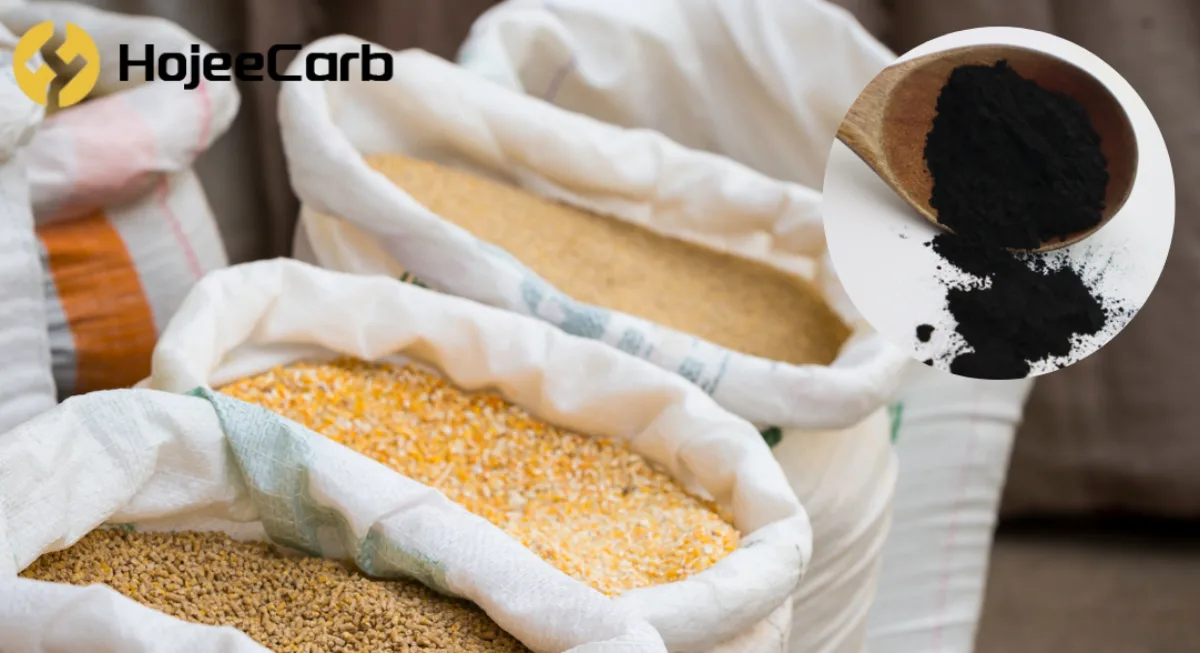
This order is a good reminder that the "right" activated carbon is never one universal grade. What works in a drinking water cartridge is not what a feed mill needs, and the specification has to follow the application.
Order Specifications
| Product | Coconut shell powdered activated carbon |
| Quantity | 16 tons |
| Container | 1 × 20 ft container |
| Mesh Size | 200 mesh |
| Iodine Value | ≥900 mg/g |
| Ash Content | ≤3% |
| pH | 6–8 |
| Packaging | 25 kg woven bags with inner PE liner |
| Destination | Bolivia |
| Application | Feed additive manufacturing |
Why Coconut Shell Powder for Feed Additives
A feed mill has very different priorities from an industrial gas plant or a water utility. The client chose coconut shell powdered carbon for three reasons:
- Coconut shell, not coal-based. Anything that ends up in an animal's digestive tract has to be clean. Coconut shell activated carbon is naturally low in ash (≤3%) and free of the heavy-metal impurities that coal-based carbon can carry. Its micropore-dominated structure is ideal for capturing the small toxin molecules — mycotoxins, aflatoxins and digestive gases — that a feed additive is meant to bind. See our coconut shell vs coal-based carbon comparison for the full picture.
- 200 mesh powder for even mixing. Feed additives have to disperse uniformly through a large batch of feed at a very low inclusion rate. A fine 200-mesh powder mixes evenly into premix and finished feed, giving consistent adsorption in every pellet or ration without settling or separating.
- Fast adsorption, high surface area. The finer the particle, the faster it adsorbs. Powdered carbon exposes far more surface area than granular carbon, so it works quickly in the short residence time inside an animal's gut. Our powdered activated carbon guide explains how mesh size affects performance.
Low Ash and Safe pH Matter Most Here
For a feed-grade product, two things carry more weight than raw iodine value:
- Ash content. High ash means more inorganic residue passing through the animal. Our coconut shell carbon runs 2–3% ash, keeping the additive clean and predictable.
- Neutral pH. Feed additives need a pH that will not upset the balance of a ration. Our powder is adjusted to a safe 6–8 range, so it binds toxins without disturbing feed chemistry or palatability.
This is the opposite of what we optimize for on gold recovery orders, where hardness and gold-loading capacity lead. Same factory, same coconut shell raw material — a different grade tuned for the application.
Need activated carbon?
Get Factory-Direct Pricing — No Middlemen
20+ years manufacturing. MOQ 1 ton. Free samples. Reply within 2 hours.
Packaging & Shipping
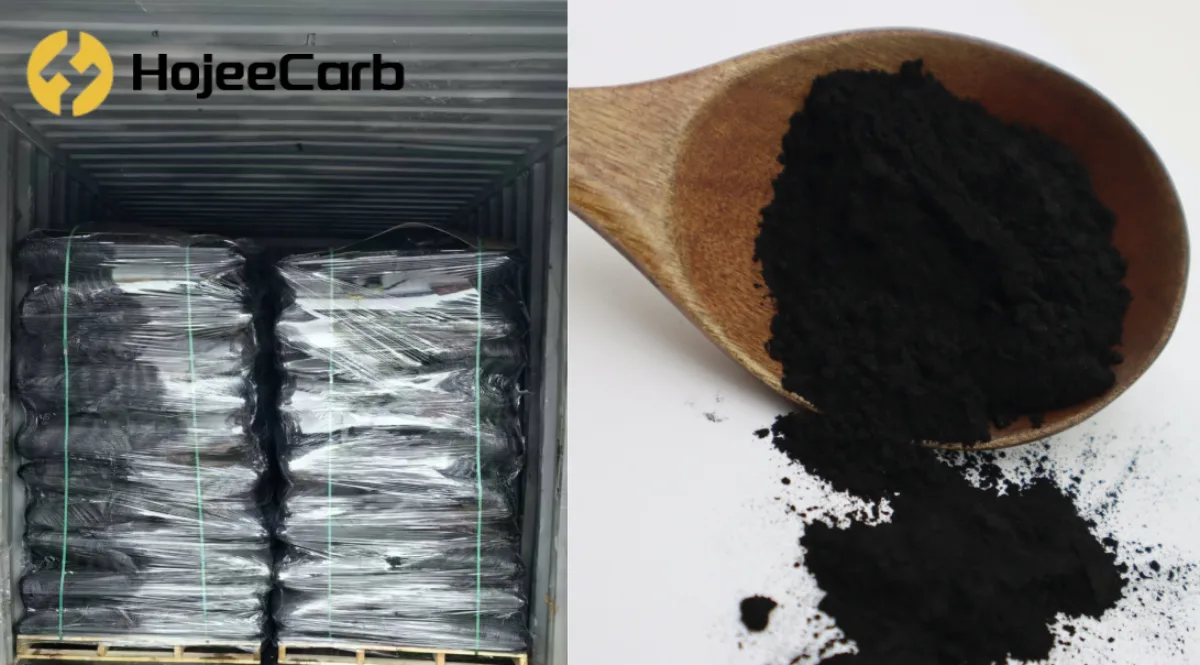
All 16 tons were packed in 25 kg polypropylene woven bags with an inner PE liner for moisture protection, then palletized and loaded into a single 20-foot container. The 25 kg bag format is easy to handle on a feed production line, where carbon is dosed by the bag into mixing hoppers.
The container was loaded at port and sent via sea freight to Bolivia, with a full batch certificate of analysis accompanying the order.
HojeeCarb's Feed-Grade Carbon Advantage
As a direct manufacturer with over 20 years of experience, HojeeCarb supplies coconut shell powdered activated carbon tuned for feed and other clean-process uses:
- Iodine value: 900–1700 mg/g
- Ash content: ≤3%
- Mesh options: 100, 200, 325 mesh and custom
- Adjustable pH: 6–8 or 8–11 to suit the application
- Raw material sourced from Indonesia, Philippines and Sri Lanka
Get a Quote for Your Feed Additive Project
Whether you need a trial quantity to qualify a new formulation or bulk volumes for full production, we provide free samples, factory-direct pricing, and technical support on mesh selection and inclusion rate.
Frequently Asked Questions
How much activated carbon do I add per ton of feed?
Inclusion rate is typically 0.05–0.2% of the ration, depending on the toxin load you are managing. Send us your target and we will recommend a grade and dose.
Coconut shell or coal-based carbon for feed?
Coconut shell. It is naturally low in ash (≤3%) and free of the heavy-metal impurities coal-based carbon can carry — important for anything that passes through an animal's gut. Its micropore structure also suits small toxin molecules like mycotoxins.
What mesh size is best for a feed additive?
A fine 200-mesh powder disperses evenly through premix and finished feed at low inclusion rates, giving consistent adsorption in every ration. We also offer 100 and 325 mesh and custom grades.
Is the pH safe for animal feed?
Yes. We adjust the powder to a neutral 6–8 range so it binds toxins without disturbing feed chemistry or palatability. An 8–11 range is available for other applications.
What is your minimum order and lead time?
Our standard MOQ is one 20-foot container (~16–20 tons). Standard orders ship in 7–10 days. Trial quantities of 1–2 kg are available free for lab and mixing tests.
Related reading: Coconut Shell Activated Carbon Guide.