
Powdered activated carbon (PAC) — defined as activated carbon with a particle size predominantly below 0.18 mm (80 mesh) — is the workhorse of the global activated carbon industry. According to Grand View Research, PAC accounts for 61.4% of global activated carbon revenue in 2025, with demand driven primarily by municipal water treatment, food and beverage processing, and pharmaceutical purification.
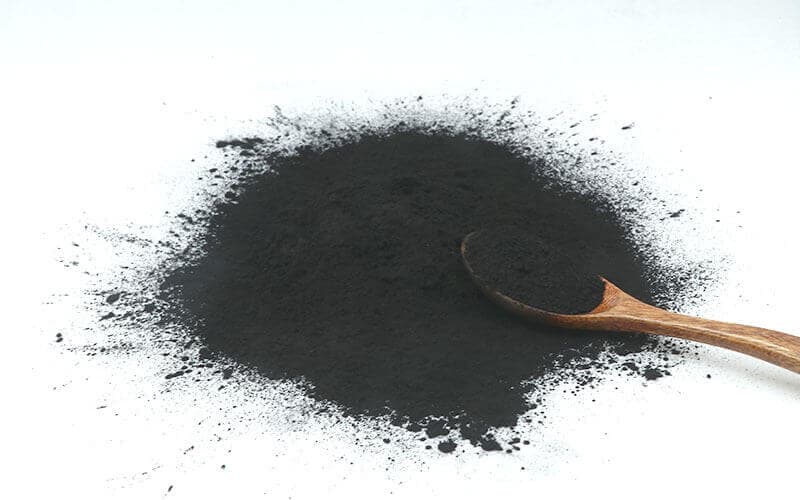
Wood-based powdered activated carbon — our most popular PAC product for water treatment and food processing applications.
As a manufacturer producing PAC from wood, coconut shell, and coal raw materials for over 15 years, we have supplied powdered carbon to water utilities, sugar refineries, pharmaceutical plants, and chemical processors across 40+ countries. This guide distills our manufacturing expertise and application knowledge into a practical resource for industrial buyers evaluating PAC for their operations.
What Is Powdered Activated Carbon?
Powdered activated carbon is produced by grinding activated carbon into a fine powder where at least 90% of particles pass through an 80-mesh sieve (0.18 mm). Most commercial PAC has a median particle size of 15–25 μm. The activation process — either steam activation at 800–1000°C or chemical activation with phosphoric acid or zinc chloride — creates an extensive internal pore network with surface areas typically ranging from 800 to 1,500 m²/g.
The fine particle size gives PAC a critical advantage: extremely fast adsorption kinetics. Because the diffusion path from the particle surface to internal pore sites is short, PAC achieves equilibrium adsorption in minutes rather than the hours or days required forgranular activated carbon (GAC). This makes PAC ideal for batch treatment, seasonal contamination events, and applications where contact time is limited.
Need activated carbon?
Get Factory-Direct Pricing — No Middlemen
20+ years manufacturing. MOQ 1 ton. Free samples. Reply within 2 hours.
PAC vs. GAC: When to Use Each Form
Choosing between powdered and granular activated carbon is one of the most fundamental decisions in carbon treatment system design. Each form has distinct operational and economic characteristics:
| Parameter | PAC | GAC |
|---|---|---|
| Particle size | <0.18 mm (80 mesh) | 0.5–4 mm (4×8 to 12×40 mesh) |
| Application method | Slurry dosing into water | Fixed-bed or column contactors |
| Contact time | Minutes (rapid adsorption) | 5–20 min EBCT (continuous) |
| Reactivation | Not practical (single-use) | Thermally reactivated (800–900°C) |
| Capital cost | Low (dosing pump + mixer) | High (pressure vessels, piping) |
| Operating cost | Higher per m³ treated | Lower per m³ (reactivation) |
| Best for | Seasonal events, batch treatment, existing plants | Continuous treatment, high-flow systems |
Many treatment facilities use both: GAC contactors for baseline continuous treatment, with PAC feed systems available to handle seasonal taste-and-odor events or contamination spikes. This hybrid approach optimizes both capital efficiency and operational flexibility.
PAC Raw Materials: Wood, Coconut Shell, and Coal
The raw material determines PAC's pore structure distribution, which in turn determines what contaminants it adsorbs most effectively. Understanding this relationship is essential for selecting the right PAC for your application.
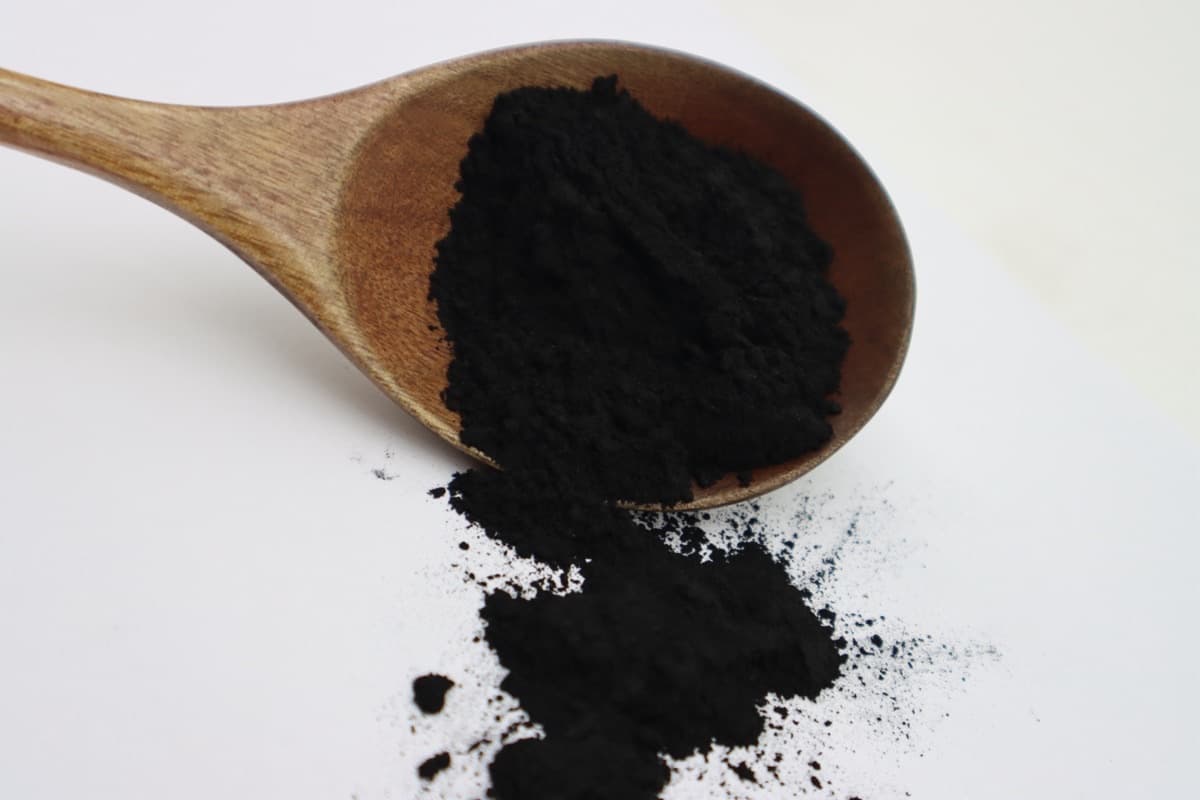
Our PAC product range — wood-based, coconut shell, and coal-based powders manufactured to meet different application requirements.
Wood-Based PAC — The Water Treatment Standard
Wood-based PAC, typically produced from sawdust or wood chips via chemical activation (phosphoric acid process), has a predominantly mesoporous structure with pore diameters of 2–50 nm. This makes it ideal for adsorbing large organic molecules: natural organic matter (NOM), humic and fulvic acids, color bodies, taste and odor compounds (geosmin, 2-MIB), and many industrial organic pollutants. Wood-based PAC is the most widely used type in municipal drinking water treatment worldwide.
| Specification | Typical Value |
|---|---|
| Iodine number | 800–1,100 mg/g |
| Methylene blue | 150–280 mg/g |
| Surface area (BET) | 900–1,500 m²/g |
| Moisture | ≤10% |
| Ash content | 3–8% |
| pH | 3–5 (acidic) |
Coconut Shell PAC — Premium Microporous Carbon
Coconut shell PAC, produced via steam activation, has a predominantly microporous structure (pore diameter <2 nm). This makes it superior for adsorbing small molecules: VOCs, chlorinated solvents, pharmaceutical residues, and certain pesticides. It also has the lowest ash content (2–4%) among commercial carbons, making it preferred for pharmaceutical and food-grade applications. However, coconut shell PAC prices have risen significantly in 2025–2026 due to raw material supply tightening in Indonesia and Southeast Asia, with import prices up 15–20% year-over-year.
Coal-Based PAC — The Industrial Workhorse
Coal-based PAC, made from bituminous coal or lignite, offers a balanced pore structure spanning micro, meso, and macropores. This versatility makes it a good general-purpose carbon for industrial wastewater treatment, flue gas mercury removal, and applications requiring moderate performance at lower cost. Coal-based PAC typically has higher ash content (8–15%) and is priced 20–30% below wood-based PAC.
Major Applications of Powdered Activated Carbon
1. Municipal Drinking Water Treatment
This is the largest single application for PAC globally. Water utilities dose PAC at the head of the treatment plant — typically at the rapid mix basin or just upstream of sedimentation — to remove taste and odor compounds, natural organic matter, pesticides, and emerging contaminants. PAC is particularly valued for handling seasonal algal blooms that produce geosmin and 2-methylisoborneol (2-MIB), which cause earthy/musty taste even at nanogram-per-liter concentrations.
A major trend in 2026: PAC-membrane hybrid processes. Recent research published in npj Clean Water (Nature) demonstrates that recycling PAC in membrane hybrid systems significantly improves organic micropollutant removal efficiency — the same PAC charge can be reused across multiple filtration cycles, reducing carbon consumption by 40–60% compared to single-pass dosing.
2. Industrial Wastewater Treatment
PAC is widely used as a tertiary polishing step in industrial wastewater treatment to meet discharge limits for COD, BOD, color, and specific organic pollutants. Industries with heavy PAC consumption include textile dyeing, pulp and paper, petrochemical refining, and pharmaceutical manufacturing. Dosing rates for industrial wastewater typically range from 50 to 500 mg/L — significantly higher than drinking water applications — reflecting the higher contaminant loads.
Recent research at Université Laval (Nature, 2026) explored corn cob activated carbon for industrial wastewater COD removal, achieving comparable performance to commercial PAC at lower cost — an indicator that biomass-derived PAC alternatives are gaining scientific credibility for high-load industrial applications.
3. Food and Beverage Processing
PAC is essential in sugar refining (decolorizing raw sugar liquor), edible oil purification, wine and juice fining, MSG production, and citric acid processing. Food-grade PAC must meet strict purity requirements: FCC (Food Chemicals Codex) standards, low ash and heavy-metal content, and specific certifications like HALAL, KOSHER, and NSF/ANSI 61. Wood-based and coconut shell PAC are the preferred raw materials for food-grade applications due to their low mineral content.
4. Pharmaceutical Purification
The pharmaceutical industry uses PAC for decolorization of API (Active Pharmaceutical Ingredient) solutions, removal of pyrogens and endotoxins, and purification of injectable-grade water. Pharma PAC must meet USP (United States Pharmacopeia) or EP (European Pharmacopoeia) monograph standards, with ultra-low levels of water extractables, heavy metals (<10 ppm total), and endotoxins. Our pharmaceutical-grade PAC is manufactured under ISO 9001 conditions with batch traceability.
5. Flue Gas Mercury Removal
Coal-fired power plants inject PAC (often brominated or sulfur- impregnated) into flue gas streams to capture elemental and oxidized mercury, meeting EPA MATS (Mercury and Air Toxics Standards) requirements. This is the fastest-growing PAC application in the United States, with regulations now being tightened in China and India as well. Injection rates typically range from 1 to 5 lb/MMacf (pounds per million actual cubic feet of flue gas).
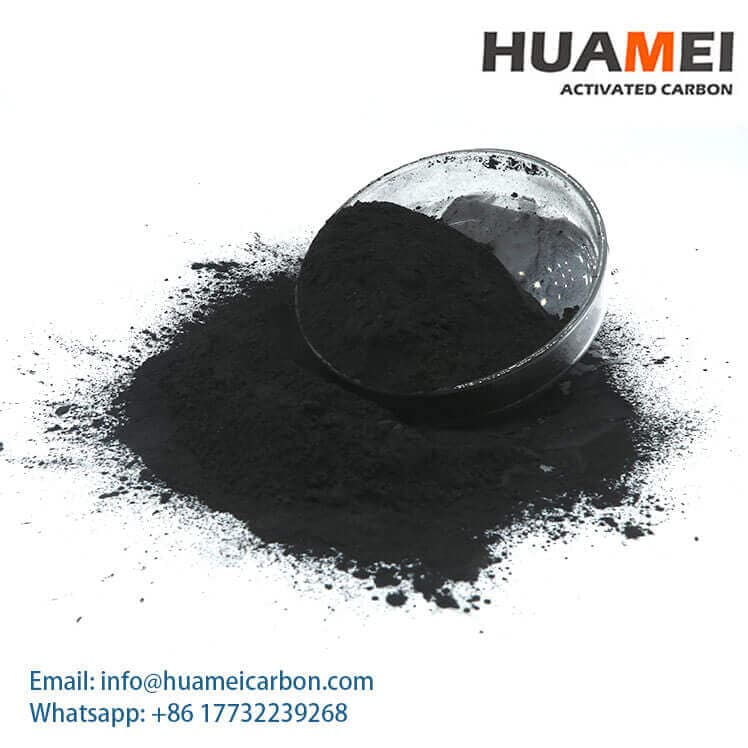
PAC packaged for water treatment applications — available in 25 kg bags, 500 kg super sacks, or bulk delivery.
6. Soil and Groundwater Remediation
PAC is increasingly used in environmental remediation — mixed into contaminated soil or injected as slurry into groundwater plumes to immobilize organic contaminants (PCBs, PAHs, chlorinated solvents). This application has grown rapidly with stricter EPA Superfund cleanup standards and the emergence of PFAS contamination at military bases and industrial sites.
Key PAC Specifications for Buyers
When evaluating PAC suppliers, these are the specifications that matter most for performance and quality assurance:
| Specification | What It Measures | Typical Range |
|---|---|---|
| Iodine number | Micropore adsorption capacity | 600–1,200 mg/g |
| Methylene blue value | Mesopore adsorption capacity | 100–300 mg/g |
| BET surface area | Total internal surface | 800–1,500 m²/g |
| Particle size (D50) | Median particle diameter | 15–25 μm |
| Moisture | Water content (affects dosing) | ≤10% |
| Ash content | Mineral impurities | 3–15% (varies by raw material) |
| pH | Surface chemistry | 3–5 (acid-washed) or 8–11 (steam) |
| Heavy metals | Safety for food/pharma use | Pb <2 ppm, As <1 ppm, Hg <0.1 ppm |
Pro tip from our lab: Iodine number alone does not predict PAC performance for all applications. For water treatment, methylene blue value is often a better predictor because it measures mesopore capacity, which is where most large-molecule contaminants are adsorbed. Always request both iodine and methylene blue data, and ideally run jar tests with your actual water.
PAC Selection Decision Framework
Selecting the right PAC requires matching the carbon's pore structure to your target contaminant. Here is a practical decision framework we use when advising our customers:
Step 1: Identify Your Target Contaminant
- Large molecules (NOM, color, tannins, humic acid) → Wood-based PAC (mesoporous)
- Small molecules (VOCs, solvents, chloroform) → Coconut shell PAC (microporous)
- Mixed contaminants (industrial wastewater) → Coal-based PAC (balanced pores)
- Mercury in flue gas → Brominated or sulfur-impregnated coal PAC
Step 2: Define Your Purity Requirements
- Food grade → FCC compliant, wood or coconut, ash <5%
- Pharma grade → USP/EP monograph, heavy metals <10 ppm total
- Drinking water → NSF/ANSI 61 certified, AWWA B604 compliant
- Industrial → Standard grade, focus on cost per unit adsorption
Step 3: Run Jar Tests
No amount of specification data replaces actual performance testing with your water or process stream. We provide free 1–5 kg samples of multiple PAC grades for comparative jar testing. Contact our technical team for sample requests.
PAC Cost Analysis: What Buyers Should Know
The global activated carbon market reached $40.69 billion in 2025 and is projected to grow at a CAGR of 4.0% through 2033 (Grand View Research). PAC pricing varies significantly by raw material, grade, and origin. For a deeper dive into current market prices, import cost factors, and how to negotiate bulk contracts, see our activated carbon price guide.
| PAC Type | FOB China Price Range | Key Price Driver |
|---|---|---|
| Wood-based (standard) | $600–900/MT | Iodine number, methylene blue |
| Wood-based (food grade) | $800–1,200/MT | Purity, certifications |
| Coconut shell PAC | $1,000–1,800/MT | Raw material (up 15–20% in 2026) |
| Coal-based PAC | $500–800/MT | Coal price, ash content |
| Brominated PAC (mercury) | $1,500–2,500/MT | Impregnation process |
Important cost trend for 2026: Coconut shell PAC prices have risen sharply due to supply chain disruptions in Southeast Asia — Indonesian coconut shell exports have decreased amid weather events and export restrictions, tightening global supply. Buyers dependent on coconut shell PAC should consider qualifying wood-based alternatives for non-critical applications to manage procurement risk.
PAC Market Trends in 2026
Several macro trends are reshaping the powdered activated carbon market:
- PFAS regulations driving premium demand: While GAC is the primary PFAS treatment technology, PAC is being integrated into hybrid treatment trains. The US EPA PFAS MCLs (effective 2029) and similar EU regulations are creating sustained demand growth for all forms of activated carbon. Calgon Carbon just announced a $100M expansion of reactivation capacity in Ohio specifically to address PFAS treatment demand.
- PAC-membrane hybrid processes gaining traction: Academic and pilot-scale research (including 2026 publications in Nature's npj Clean Water) shows that recycling PAC in membrane systems can cut carbon consumption by 40–60%, making PAC more cost-competitive with GAC for continuous treatment.
- Mercury control regulations expanding globally: The US MATS standards are being replicated in China and India, opening large new markets for injection-grade PAC in coal-fired power plant emissions control.
- Biomass-based PAC alternatives emerging: Research on agricultural waste-derived PAC (corn cobs, rice husks, grape stems) is producing commercially viable alternatives that could diversify the raw material supply chain and reduce costs.
- Asia-Pacific dominates consumption: The Asia-Pacific region accounts for 48.9% of global activated carbon demand, driven by rapid industrialization and tightening environmental regulations in China, India, and Southeast Asia.
How Our PAC Is Manufactured
Our manufacturing process ensures consistent quality across every batch — critical for water utilities and food processors who depend on predictable performance:
- Raw material selection: Sourced from managed forestry (wood), premium coconut shells (Southeast Asia), or select bituminous coal mines
- Carbonization: Controlled pyrolysis at 400–600°C in oxygen-free rotary kilns converts raw material to char
- Activation: Steam activation (800–1000°C) or chemical activation (H₃PO₄/ZnCl₂) creates the internal pore network
- Grinding and classification: Ball mills reduce particle size; air classifiers ensure target D50 and particle size distribution
- Quality control: Every batch tested for iodine number, methylene blue, moisture, ash, pH, particle size distribution, and heavy metals
- Packaging: 25 kg paper bags, 500 kg super sacks, or bulk container loading per customer requirements
Our three production facilities have a combined PAC capacity of 30,000+ metric tons per year. All facilities are ISO 9001 and ISO 14001 certified, with NSF/ANSI 61 certification for drinking water grade products.
Ordering, Packaging, and Shipping
For detailed information on minimum order quantities, container loading configurations, shipping options, and Incoterms, see our complete MOQ and shipping guide. Key highlights for PAC:
- MOQ: 1 metric ton (trial orders negotiable)
- Packaging: 25 kg multi-layer paper bags on pallets, 500 kg jumbo bags, or bulk
- 20' container capacity: ~18 MT (palletized bags) or 22 MT (jumbo bags)
- Lead time: 2–3 weeks from order confirmation
- Payment: T/T, L/C, or trade assurance
- Free samples: 1–5 kg for jar testing — request here
Frequently Asked Questions
What is the difference between PAC and GAC activated carbon?
Powdered activated carbon (PAC) has a particle size below 0.18 mm (80 mesh), while granular activated carbon (GAC) ranges from 0.5 to 4 mm. PAC is dosed directly into water as a slurry and removed by sedimentation or filtration, making it ideal for batch treatment and seasonal contamination. GAC is packed in fixed beds or columns for continuous flow-through treatment. PAC offers faster adsorption kinetics due to higher surface-area-to-volume ratio but cannot be easily reactivated on-site like GAC.
How much powdered activated carbon do I need per liter of water?
Typical PAC dosing rates for drinking water treatment range from 5 to 50 mg/L depending on contaminant type and concentration. For taste and odor control (geosmin, MIB), 5–15 mg/L is usually sufficient. For organic micropollutant removal, 15–30 mg/L is common. Industrial wastewater may require 50–200 mg/L or higher. Jar testing with your specific water is essential to determine the optimal dose — we provide free samples for dosing trials.
What raw material makes the best powdered activated carbon?
Wood-based PAC is the most widely used for water treatment because of its predominantly mesoporous structure (pore diameter 2–50 nm), which is ideal for adsorbing large organic molecules like humic acids, color bodies, and taste/odor compounds. Coconut shell PAC has more micropores and is preferred for small-molecule removal. Coal-based PAC offers a balance of micro and mesopores. For food-grade applications, wood-based and coconut shell PAC are preferred due to lower ash content.
Can powdered activated carbon remove PFAS from water?
PAC can remove long-chain PFAS (PFOA, PFOS) at high doses (20–100 mg/L), but it is generally less cost-effective than GAC for PFAS treatment because of the high carbon consumption and inability to reactivate. However, PAC is valuable as a supplemental treatment during PFAS spikes or as a polishing step. For continuous PFAS treatment to meet EPA MCLs of 4 ppt, GAC in fixed-bed contactors is the preferred technology.
How should powdered activated carbon be stored and handled?
Store PAC in a dry, covered area away from ignition sources — fine carbon dust is combustible (dust explosion class St1). Keep bags sealed until use. For bulk handling, use enclosed pneumatic conveying systems with explosion venting. PAC slurry systems should have continuous agitation to prevent settling. Shelf life is indefinite if kept dry. Always use dust masks (N95 minimum), safety goggles, and gloves when handling dry PAC.
Related Articles
Need PAC Samples for Testing?
We provide free 1–5 kg samples of wood-based, coconut shell, and coal-based PAC for jar testing and evaluation. Tell us your application and target contaminants — our technical team will recommend the right grades.
Request PAC Samples