
West Africa Gold Belt • Factory Direct
Activated Carbon for Burkina Faso Gold Mines — High-Inventory CIL & Attrition Control
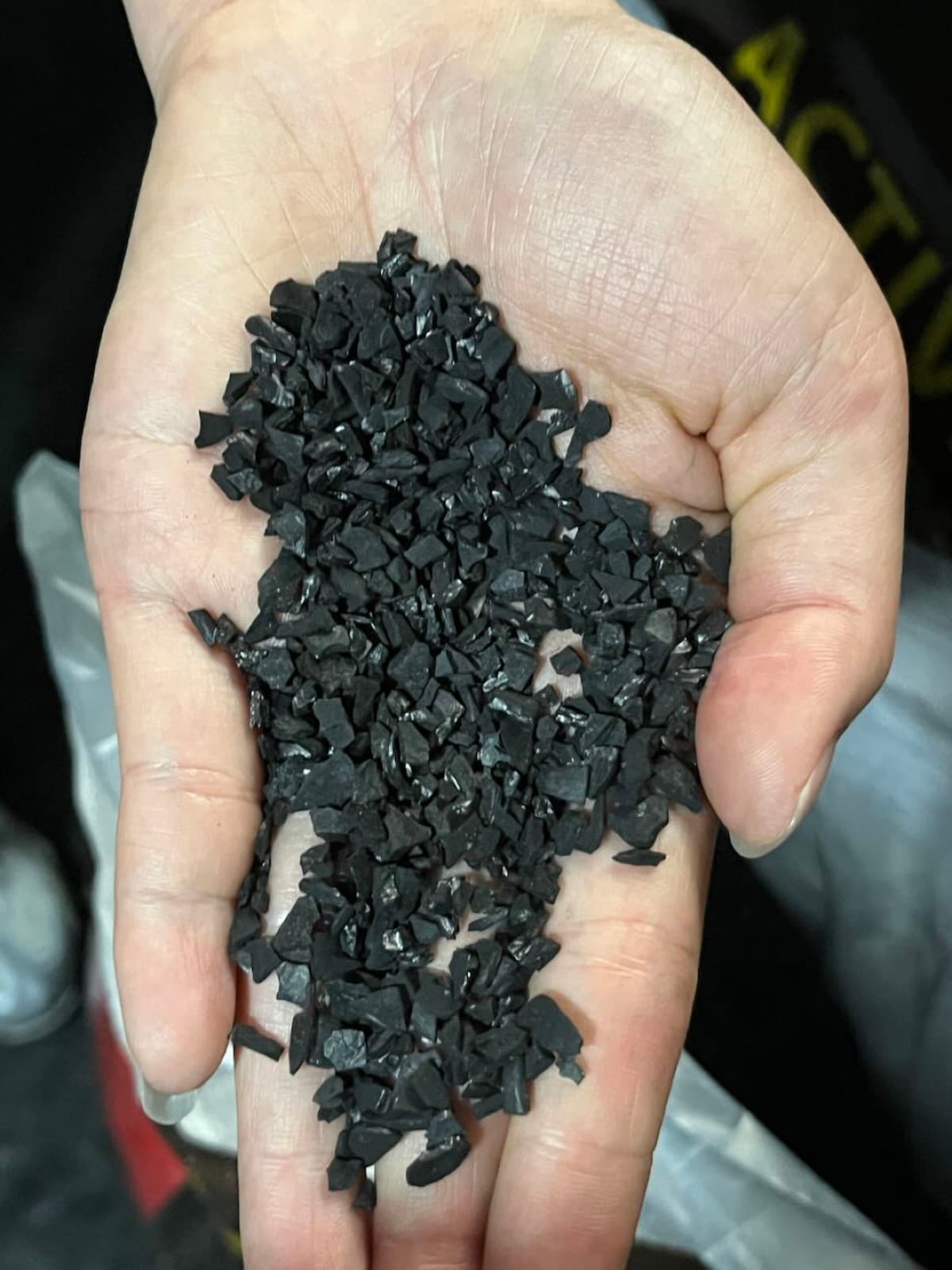
Ultra-hard coconut shell activated carbon for Burkina Faso’s CIL gold plants on the Birimian greenstone belt. Engineered for maximum gold loading and minimal attrition — hardness >98.5%, gold loading >30 mg/g.
- ✓ Iodine ≥1050 · Hardness >98.5% · gold loading >30 mg/g
- ✓ CIL, carbon-in-column & ASM plants — 6×12 & 6×16 mesh
- ✓ Full COA + SGS/BV testing · 50 kg to 5-ton trials
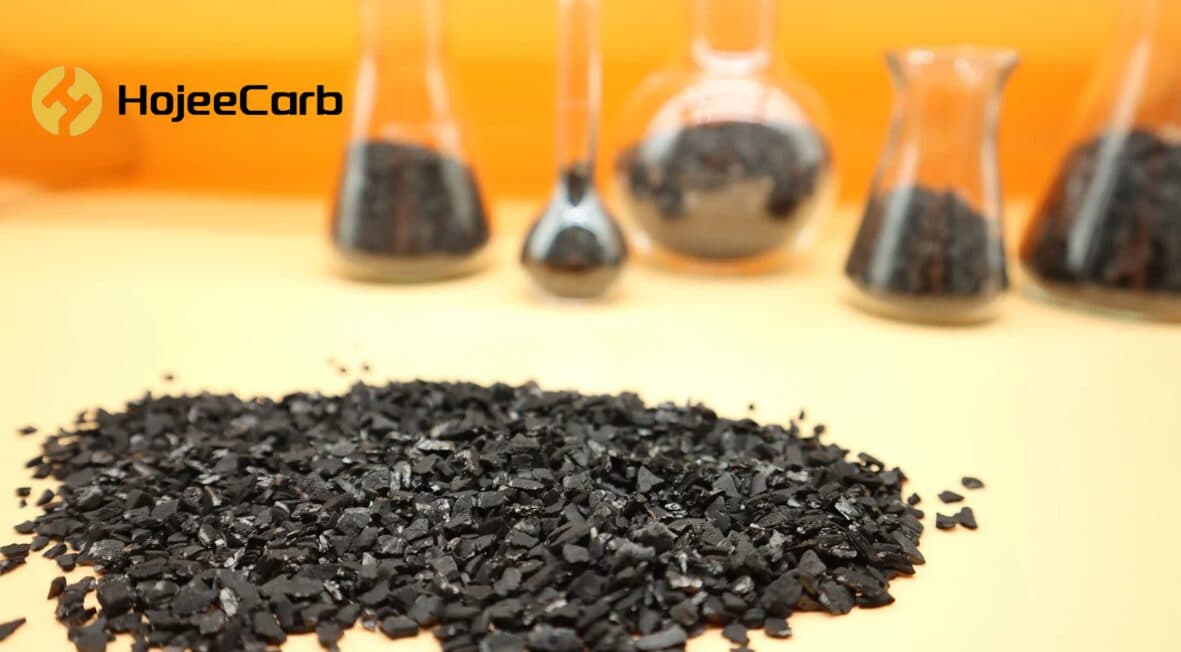
Recommended Grades for Burkina Faso Mines
The three grades most requested by Burkina’s gold operations. See full specifications, mesh options, and technical data on each product page, then request a quote or TDS for your circuit.
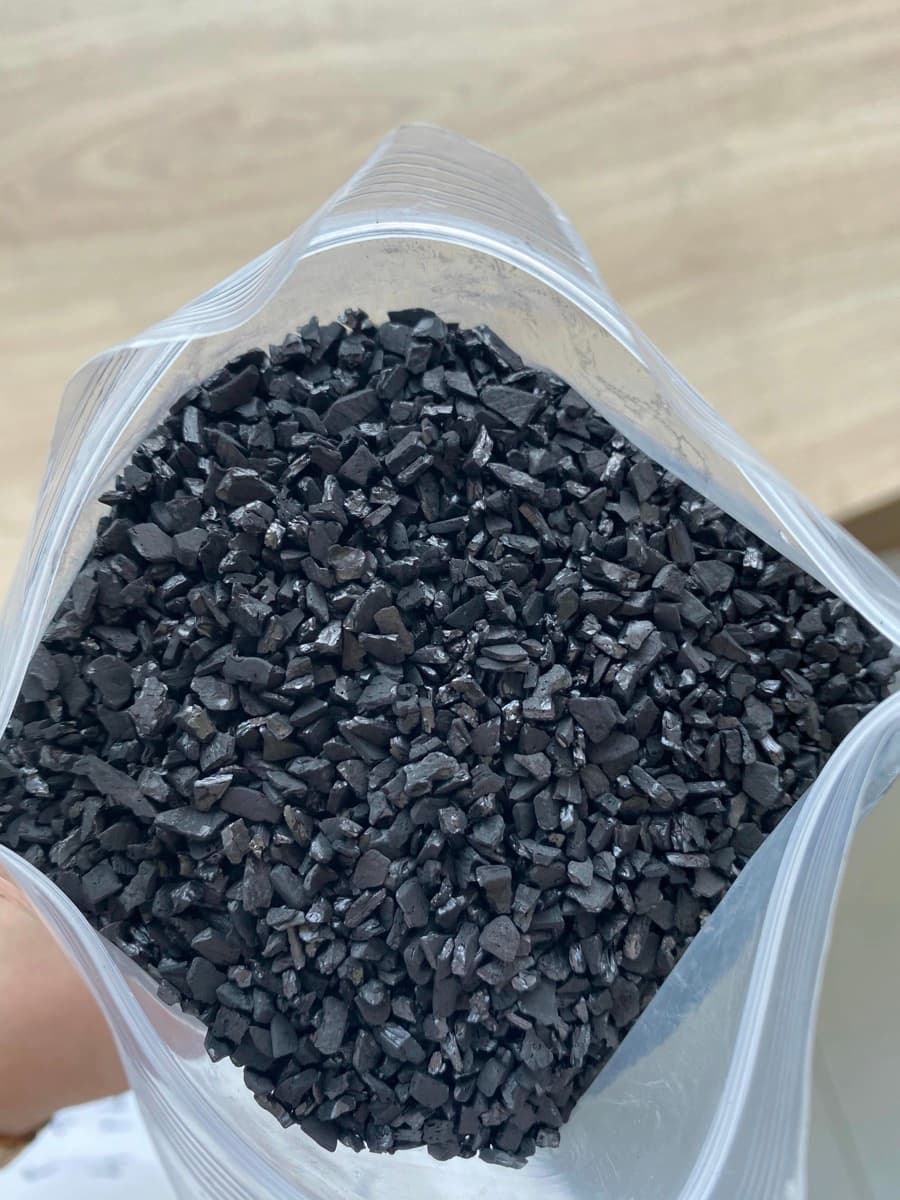
Gold Recovery Activated Carbon
6×12 mesh · hardness >98.5% · gold loading >30 mg/g
Our flagship CIL grade for high-inventory agitated circuits. Proprietary high-temperature steam activation delivers >98.5% hardness, so it holds its mass through the many inter-stage transfers of Burkina's large Essakane/Houndé-scale CIL trains.
View product & specs →
6×12 Coconut Shell — CIL/CIC
6×12 mesh · iodine 1050+ · A.A.R.L. attrition max 2%
Low starting fines (<4%) keep loaded carbon on the safety screens instead of the tailings — critical across 6–8 stage adsorption trains. Full TDS/COA so your metallurgists can benchmark attrition before committing.
View product & specs →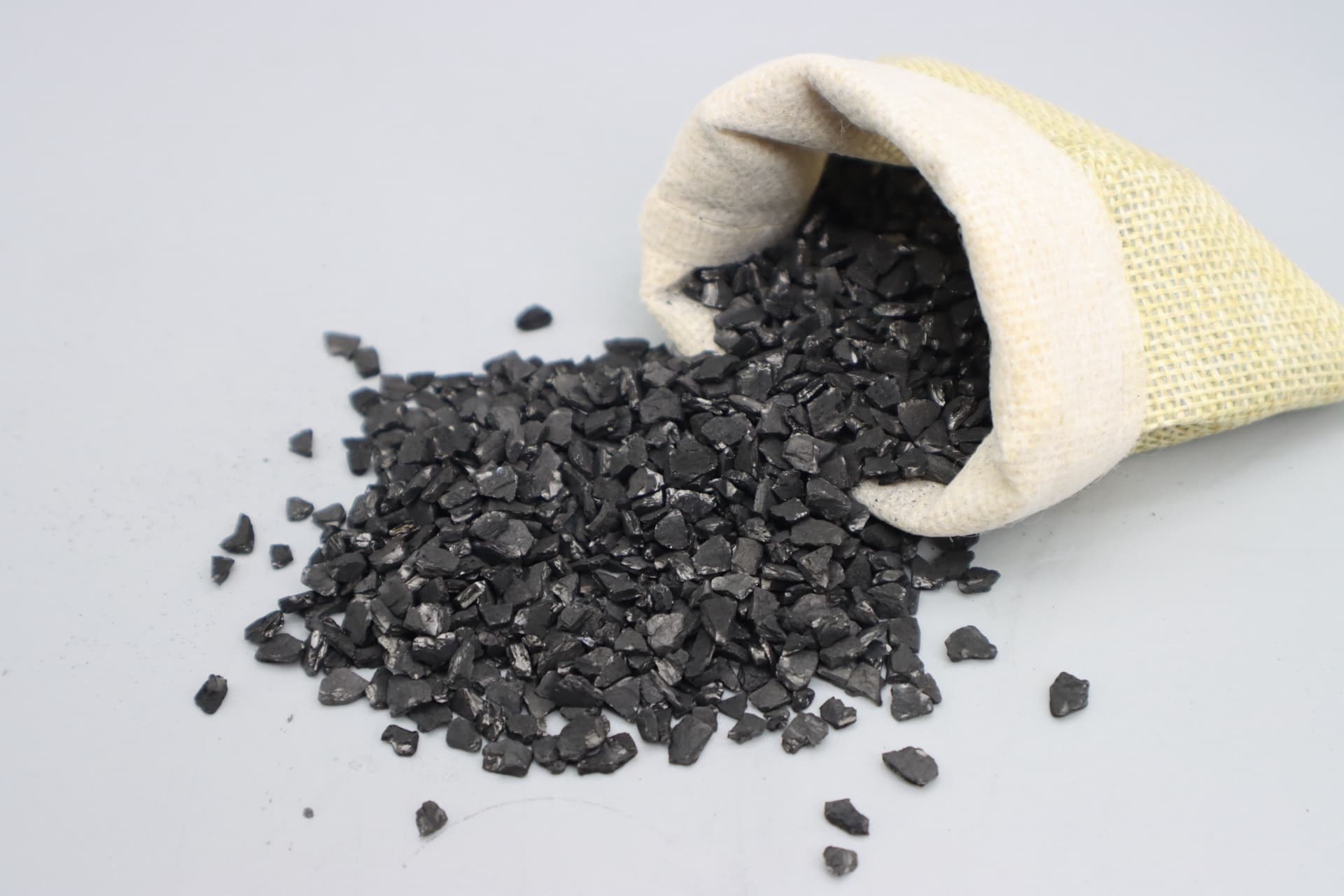
6×16 Coconut — Carbon Columns
6×16 mesh · iodine 1000–1100 · hard coconut
Finer hard-coconut grade for carbon-in-column (CIC) on clarified or heap-leach solutions, keeping head loss low in tall percolation columns at remote inland sites where replacement carbon is weeks away by road.
View product & specs →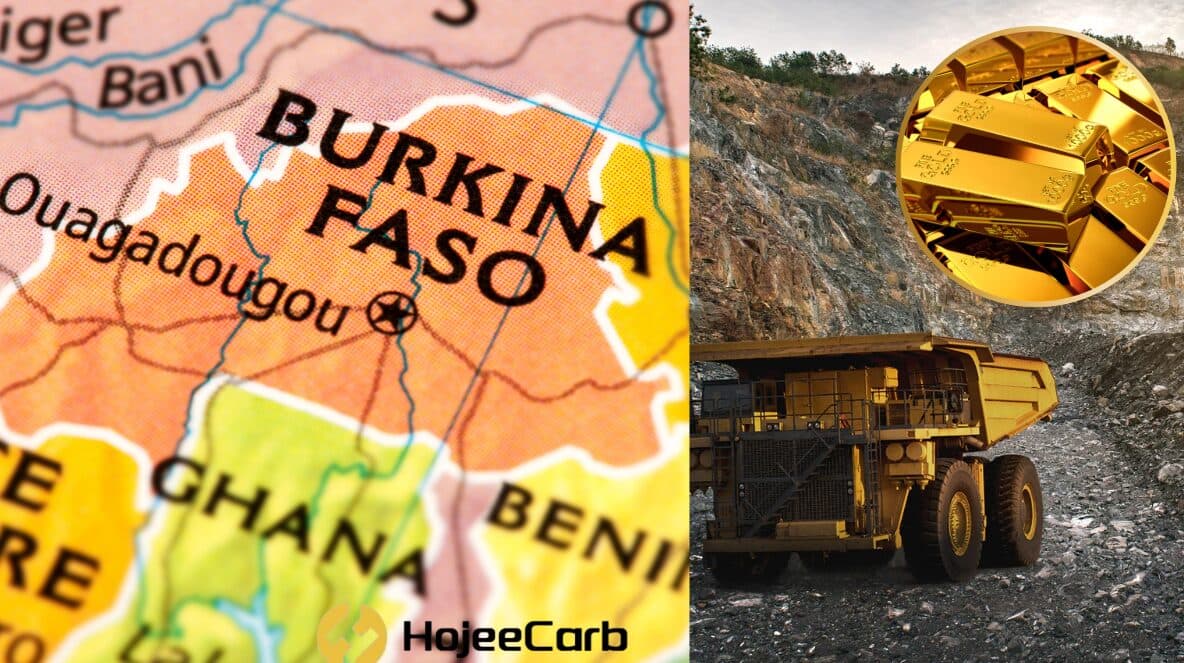
Carbon Specs for Birimian Greenstone Ore
Burkina’s gold sits in West African Birimian orogenic belts — fine-grained, often partly refractory ore run through large agitated CIL trains, which puts a premium on ultra-high hardness, low starting fines, and sustained gold-loading capacity.
| Parameter | Value | Why It Matters |
|---|---|---|
| Iodine Number | ≥1050 mg/g | Sustains loading capacity across the long residence time of Burkina's 6–8 tank CIL trains |
| Ball-Pan Hardness | ≥98.5% | Survives the high carbon inventory and frequent inter-stage transfers at Essakane/Houndé-scale plants |
| Mesh Size | 6×12 (CIL) / 6×16 (CIC) | 6×12 screens cleanly in large agitated tanks; 6×16 for clarified column solutions |
| Gold Loading | >30 mg/g | Pulls gold from fine-grained, partly refractory Birimian orogenic ore |
| Platelets / Fines | <4% | Low starting fines keep loaded carbon on the safety screens, not in the tailings |
| Ash Content | <3% | Cleaner elution and less scaling in hard, high-TDS Sahel process water |
Gold Recovery Applications in Burkina Faso
Burkina Faso is now one of West Africa’s top gold producers, with world-class mines like Essakane, Houndé, Mana, Bissa, and Boungou. We match the right carbon grade to each circuit type.
Essakane — Large Agitated CIL
IAMGOLD's Essakane is one of the Sahel's biggest CIL operations, running high tonnages of Birimian ore. Big adsorption trains with high carbon inventory demand >98.5% hardness so make-up carbon and fines losses stay low.
Houndé & Mana — Western Belt CIL
Endeavour's Houndé and Mana process fine-grained greenstone ore at high throughput. Fast gold-loading kinetics protect recovery where residence time per tank is tight.
Bissa & Boungou — Regional Plants
For clarified or heap-leach solutions at plants like Bissa and Boungou, 6×16 hard coconut carbon keeps head loss low in tall percolation columns while maximising gold pickup.
Semi-Mechanised & ASM
Burkina's large artisanal sector is formalising into CIP/CIC plants. High-hardness carbon survives the rough, fast-turnover cycling of these lean operations without shedding loaded fines.
The Burkina CIL Challenge
Attrition & Fines Management in High-Inventory CIL
Burkina’s flagship plants — Essakane, Houndé, Mana — run large agitated carbon-in-leach trains with a big standing carbon inventory. That inventory is in constant motion, and every transfer is a chance for soft carbon to shed fines that carry loaded gold straight to tailings. On these circuits, mechanical attrition — not adsorption capacity — is usually the real limit on carbon cost.
Where Carbon Attrition Happens in the Train
| Stage | Attrition Risk | What Happens |
|---|---|---|
| Inter-stage pumping | High | Slurry pumps between 6–8 CIL tanks chip soft carbon edges into fines each pass |
| Mechanical agitation | High | Large agitated tanks keep a big carbon inventory in constant motion — the dominant attrition source |
| Inter-stage screening | Medium | Carbon retention screens shear weak granules; worn fines pass the aperture into the next stage |
| Airlift / recovery transfer | Medium | Air-lift advancing carbon up the train adds abrasion and pressure cycling |
Indicative for agitated CIL on Birimian ore; the exact split depends on tank count, transfer design, and pulp density.
40–60%
Attrition share of loss
Mechanical wear is the single biggest carbon-loss bucket in agitated CIL
loaded
Gold in lost fines
Fines below screen aperture carry adsorbed gold straight to tailings — invisible soluble-style loss
<4%
Starting fines we ship
Low platelet content means less carbon lost on day one of the circuit
>98.5%
Hardness we hold
Ball-pan hardness that resists chipping through repeated transfers
Why We Spec Hardness & Low Fines First for Burkina
Because attrition is 40–60% of carbon loss on these large agitated trains, the cheapest lever is carbon that starts hard and clean: >98.5% ball-pan hardness and <4% starting fines. Harder carbon chips less at every pump, screen, and airlift transfer, so more loaded gold stays on the carbon and off the tailings dam — the difference between a good and a poor recovery month on fine-grained Birimian ore.
Packed for the Inland Leg
Landlocked Delivery: Why Burkina Orders Get Packed Differently
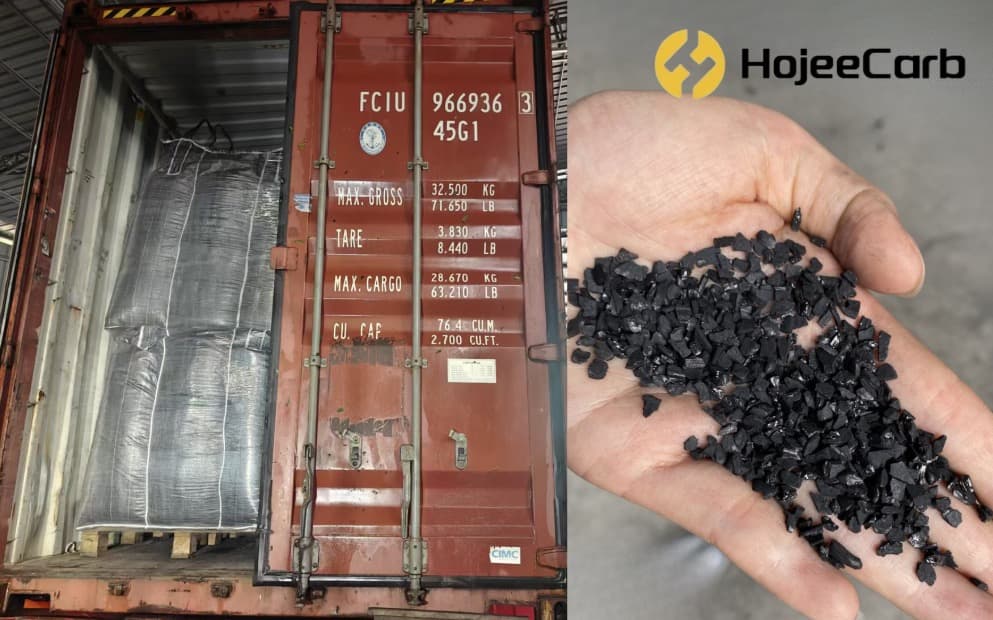
A Burkina Faso order does not stop at the quay. After the ocean leg it is de-stuffed or trans-loaded at Tema and trucked roughly 1,000 km inland to Ouagadougou and the mine. That is a second and third round of handling your carbon has to survive before it ever enters the CIL train — and every extra shake is pre-loading the fines problem described above. This is our packing floor preparing that kind of order.
01
At the plant (in this video)
Hard, screened granules filled into PE-lined bags, heat-sealed against West African humidity, then block-stacked and braced so bags cannot shift or chafe in transit.
02
Ocean leg to Tema
40'HQ container, freight prepaid with telex release. Batch COA issued before loading; SGS or Bureau Veritas sampling on request.
03
Overland to Ouagadougou and site
Trans-loaded and trucked inland. Because the carbon starts at >98.5% ball-pan hardness and <4% fines, road vibration on this leg does not hand you a dusty, pre-degraded inventory on arrival.
Verified Shipment
Real Shipment — Bill of Lading via Tema
Burkina Faso is landlocked, so gold-recovery carbon ships to the Port of Tema, Ghana, then moves overland to the mine. Documented ocean freight: 22.2 tonnes of activated carbon shipped via MSC from China to Tema in a 40’ high-cube container, freight prepaid with telex release.
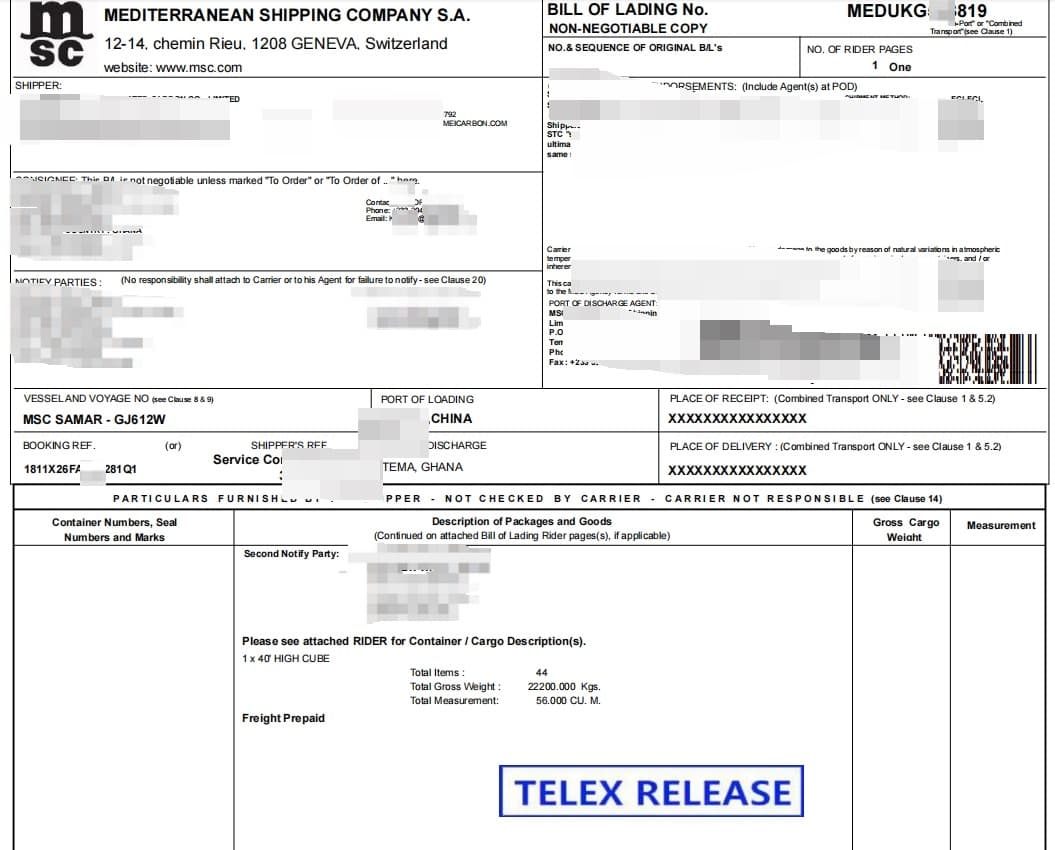
Shipment Details
- Carrier: MSC (Mediterranean Shipping)
- Route: China → Tema, Ghana → overland to Burkina Faso
- Cargo: Activated carbon — 22,200 kg, 56 CBM
- Container: 1 × 40’ high-cube · freight prepaid · telex release
Tema is the standard gateway for Burkina Faso’s mining supplies. We handle export documentation and can arrange onward inland transport to Ouagadougou and mine sites on request.
Inside Our Factory — Real Photos
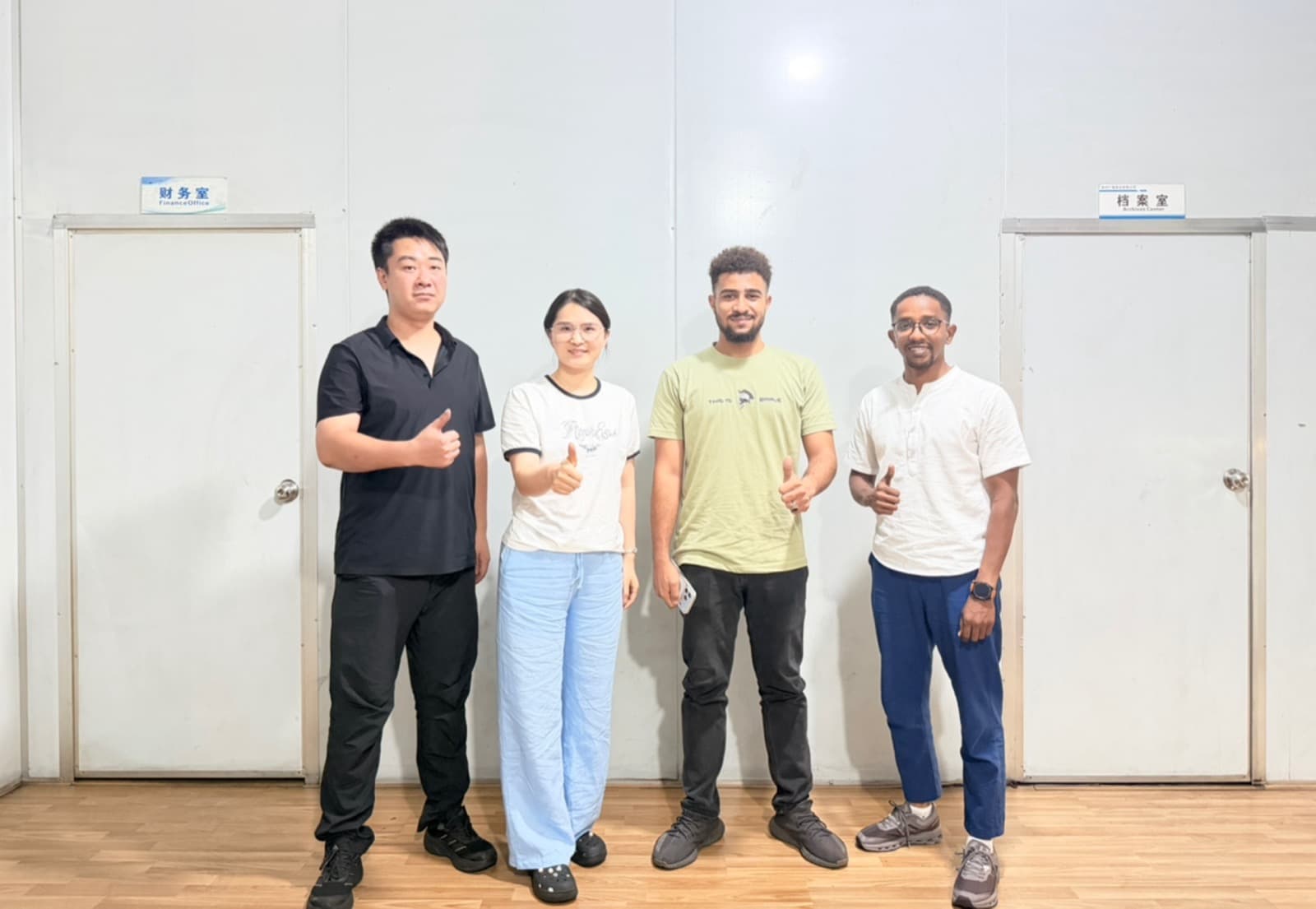
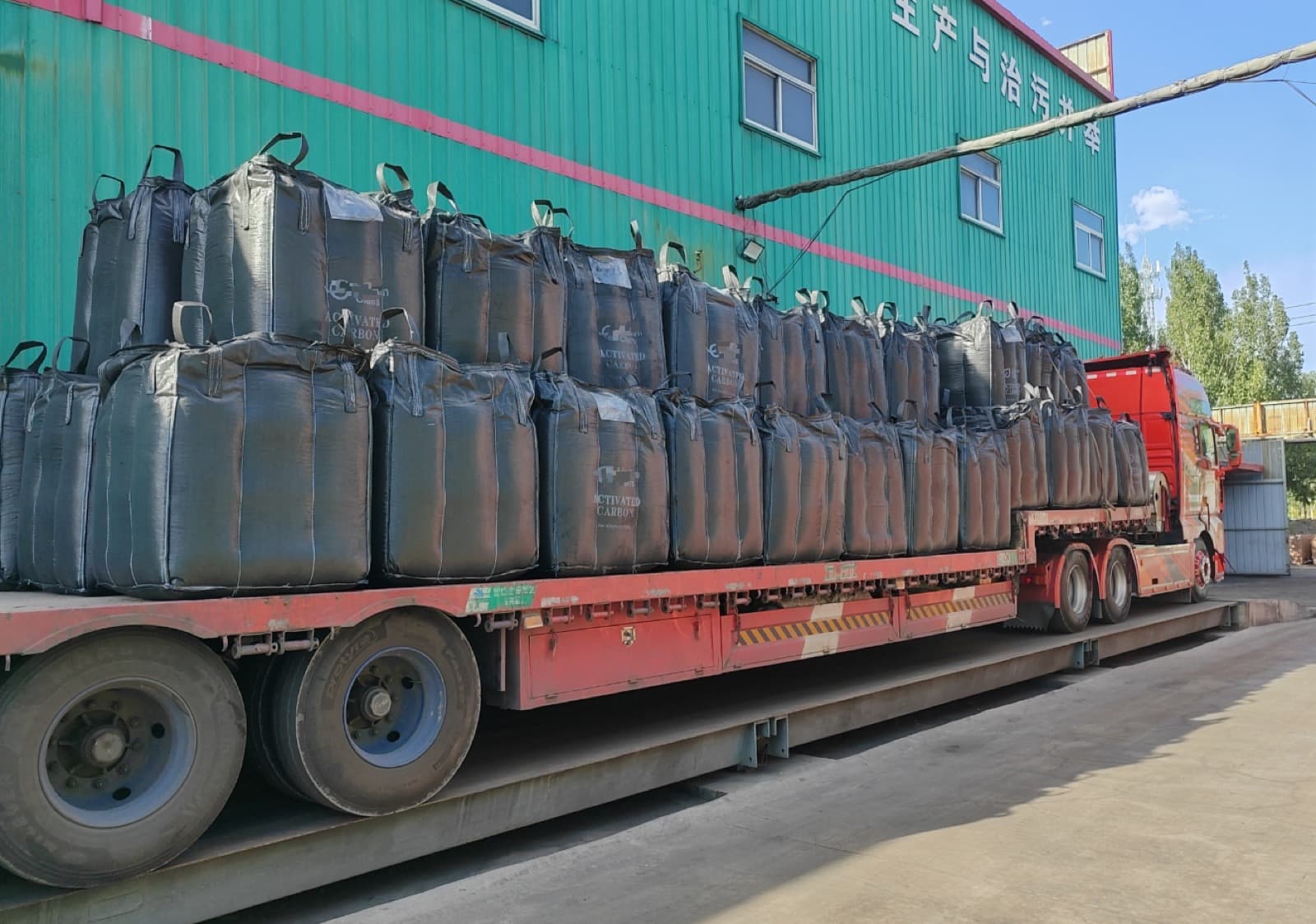
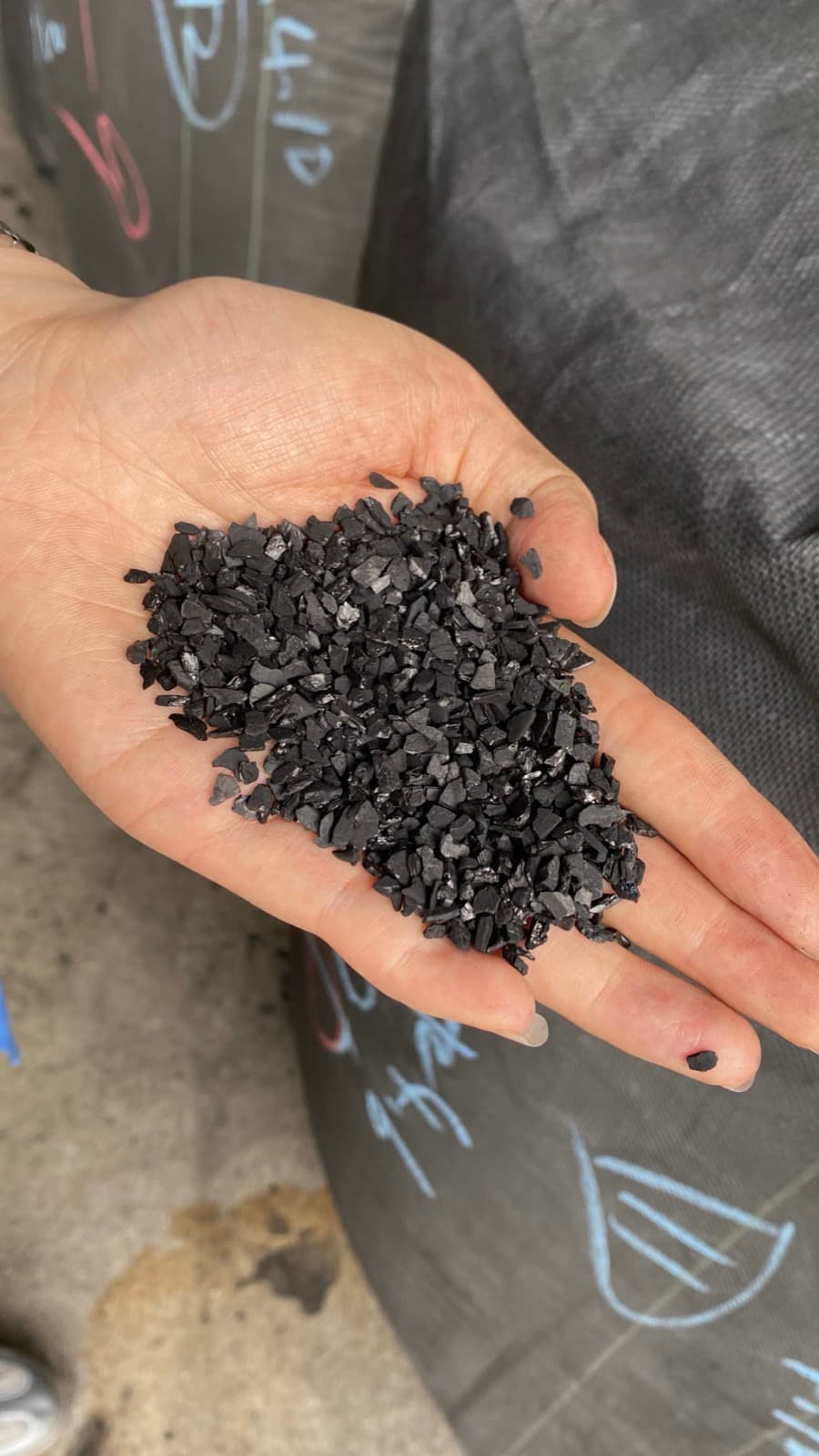
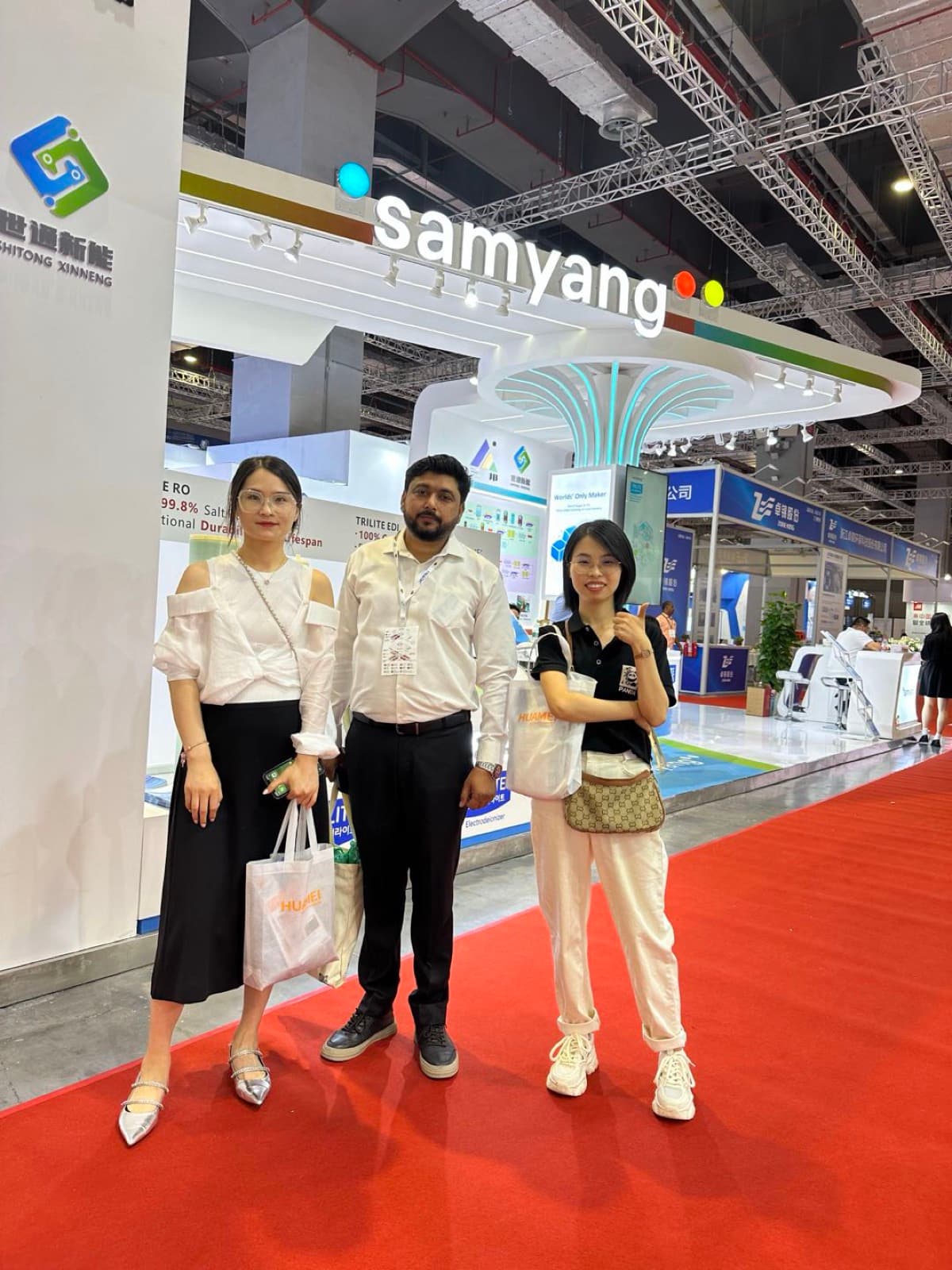
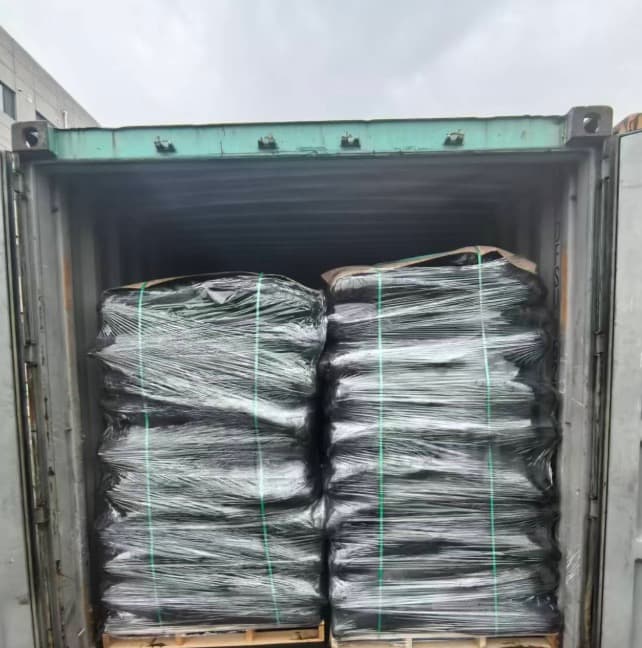
Client visits, product close-ups, truck loading, and container stuffing — every photo below is from our own operation and export shipments.
Request a Quote
Get Burkina Faso Gold Recovery Carbon Pricing — Factory Direct
Tell us your mine, circuit type (CIL or CIC), and tonnage. We reply with a factory quote, technical data sheet, and CIF pricing within 24 hours.
The Same Grade We Ship Across Africa
Coconut Gold-Recovery Carbon on Africa’s Gold Belts
We supply the same ultra-hard 6×12 coconut shell gold-recovery grade to CIL plants elsewhere on Africa’s gold belts. These documented shipments are the exact grade we quote for Burkina Faso’s Birimian greenstone mines — the West African inland delivery route runs via Tema or Abidjan and onward by road.
56 t
Ethiopia
6×12 coconut shell · iodine 1100 · CIL/CIP
Passed a strict third-party pre-shipment loading supervision — container dimensions, temperature, and seal integrity documented before the vessel sailed via Djibouti.
Read the case study →28 t
Egypt
6×12 coconut shell · iodine 1100+ · CIL
Repeat-order gold-recovery carbon shipped from Nansha to Alexandria, with full COA and QC packaging for a returning gold-plant client.
Read the case study →Related Resources & Guides
Technical guides and regional references for sourcing gold-recovery carbon across Africa:
Burkina Faso Gold Recovery Carbon FAQ
Which activated carbon spec suits Burkina Faso's large CIL gold plants?
Coconut shell activated carbon with iodine ≥1050 mg/g, ball-pan hardness >98.5%, gold loading >30 mg/g, 6×12 mesh for agitated CIL and 6×16 for carbon columns. Burkina's flagship plants — Essakane, Houndé, Mana — run high-inventory 6–8 tank CIL trains on Birimian greenstone ore, so the priority is hardness and low starting fines to keep loaded carbon out of the tailings.
How do I size carbon inventory for a high-inventory CIL train?
Carbon inventory is set by the number of adsorption stages, target loading, gold tenor, and flow rate — typically a few tonnes of carbon per tank across a 6–8 stage train. We can help estimate working inventory and make-up rate for your throughput; the key is choosing carbon hard enough that the standing inventory doesn't grind down between reactivation cycles.
Why does attrition matter more on Burkina's big agitated circuits?
The larger the carbon inventory and the more inter-stage transfers, the more chances soft carbon has to chip into fines. In agitated CIL, mechanical attrition is 40–60% of total carbon loss — and every gram of fine carbon below the screen aperture carries adsorbed gold straight to tailings. Starting at >98.5% hardness with <4% fines attacks that loss directly.
Can the carbon handle fine-grained, partly refractory Birimian ore?
Yes. Birimian orogenic gold is often finely disseminated, which lengthens leach and adsorption time. Our 6×12 grade holds iodine ≥1050 and gold loading >30 mg/g so it keeps pulling gold across the longer residence time these ores need. For genuinely refractory sulphide-locked ore, pre-oxidation upstream of the CIL is still required.
How is carbon delivered to landlocked Burkina Faso, and what is the pricing?
FOB Ningbo: $3,200–$3,800/ton for coconut shell 6×12 (iodine 1050+, hardness >98.5%). Sea freight routes via Tema (Ghana) or Abidjan (Côte d'Ivoire), then overland by road to site — so we recommend ordering with buffer lead time and slightly larger safety stock than a coastal mine. MOQ is 1 container; 50 kg to 5-ton trials are available for plant benchmarking, and every batch ships with a full COA plus optional SGS/Bureau Veritas testing.
How much carbon safety stock should a Burkina plant hold given the inland route?
More than a coastal mine would. Between sea transit to Tema or Abidjan and the multi-day road leg north — which can be slowed by seasonal rains or Sahel security conditions — total lead time to a Burkinabè plant runs longer and less predictable than to a port-side operation. A carbon run-out stops the gold room, so we typically advise holding enough working plus reserve inventory to cover your longest realistic resupply window, and ordering before you hit reorder point rather than after. Because our 6×12 is >98.5% hardness with low fines, standing reserve stock doesn't degrade in the warehouse, so carrying a larger buffer costs you storage, not carbon quality.
Sourcing Carbon for Your Burkina Faso Mine?
Send us your mine, circuit type, and tonnage. We’ll return a detailed quote with CIF pricing, a full technical data sheet, and a delivery schedule within 24 hours.