
Regional Sourcing Guide
Activated Carbon for Gold Recovery in Sudan — Supplier
Factory-direct coconut shell activated carbon for Sudanese gold mines and tailings-retreatment plants. CIL and heap-leach specs, notes on the Red Sea Hills and Nubian Shield deposits, shipping to Port Sudan, and 2026 pricing.
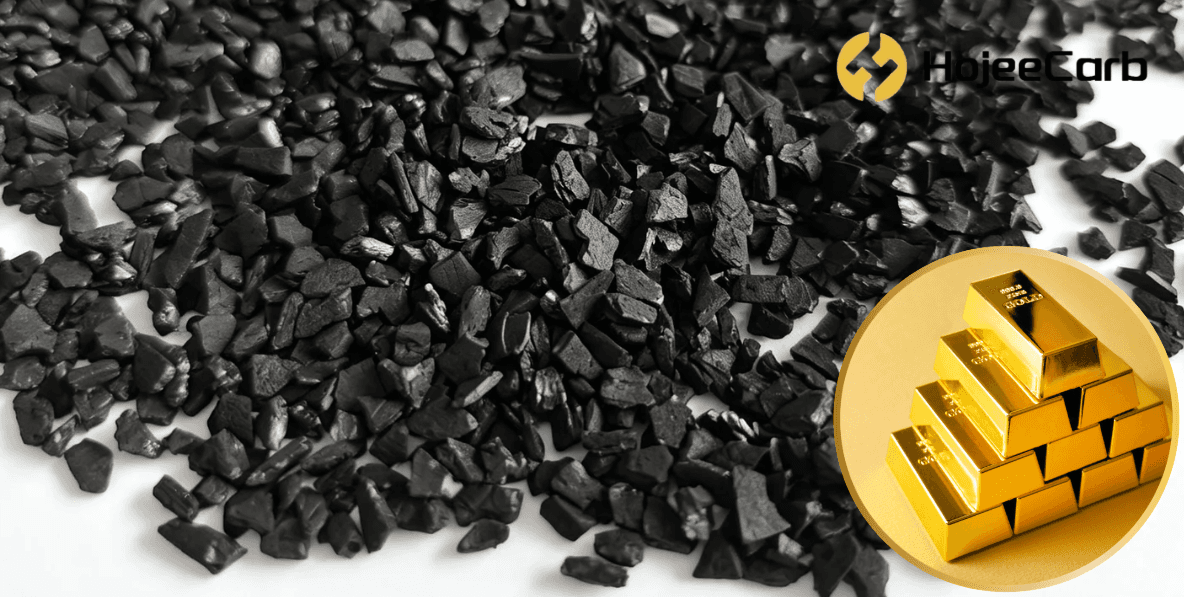
Quick answer: For Sudanese gold recovery, use coconut shell activated carbon with iodine ≥1050 mg/g, ball-pan hardness ≥97%, 6×12 mesh for CIL and 6×16 for heap-leach carbon columns. Sudan runs a distinctive mix of oxide-ore CIL, large-scale heap leach, and tailings retreatment of artisanal dumps — all of which reward hard, low-fines carbon. We ship to Port Sudan in 35–50 days, FOB from $3,200/ton, MOQ 1 container (5-ton trials available).
| Parameter | CIL / Heap-Leach Spec | Why It Matters in Sudan |
|---|---|---|
| Iodine Number | ≥1050 mg/g | High loading for low-grade heap-leach and reprocessed tailings solutions |
| Ball-Pan Hardness | ≥97% | Minimises head loss and fines in tall carbon columns (CIC) |
| Particle Size | 6×12 (CIL), 6×16 (heap-leach CIC) | Coarser for pumped pulp; finer, hard grade for percolation columns |
| CTC Activity | ≥55% | Fast kinetics for dilute pregnant leach solution from heaps |
| Moisture | <5% | Pay for carbon, not water — we ship at 3–5% |
| Ash Content | <3% | Cleaner elution; less scaling with Sudan's hard, saline process water |
Sudan's Gold Industry and Carbon Demand
Sudan is one of Africa's top gold producers — routinely in the continent's top three by output — with almost all of its gold hosted in the Neoproterozoic Nubian Shield along the Red Sea Hills and the River Nile and Northern states. Flagship operations like the Hassai mine (in the Ariab district) plus a wave of newer CIL plants and heap-leach projects consume activated carbon across a range of circuit types.
What makes Sudan different from Ghana or Tanzania is the sheer weight of tailings retreatment. Decades of artisanal and small-scale mining have left enormous dumps of cyanide-amenable tailings, and a large share of formal production now comes from reprocessing this material through CIP/CIL and carbon columns. These circuits cycle carbon hard through smaller, high-turnover plants, so hardness and attrition resistance drive the economics even more than raw activity.
Add in heap leaching of low-grade oxide ore — where pregnant solution percolates through tall carbon columns — and you have three distinct duties (CIL pulp, CIC columns, tailings reprocessing) that all point to the same answer: coconut shell 6×12 / 6×16 with hardness ≥97%.
Need activated carbon?
Get Factory-Direct Pricing — No Middlemen
20+ years manufacturing. MOQ 1 ton. Free samples. Reply within 2 hours.
Recommended Carbon for Sudanese CIL & Heap Leach
We recommend our coconut shell activated carbon for Sudan gold recovery. For heap-leach carbon columns in particular, coconut shell's high mechanical strength keeps head loss low and prevents the fines-driven channelling that plagues soft coal-based carbon in tall CIC beds. For tailings-retreatment CIP plants, the same hardness cuts make-up carbon cost across frequent cycling. See our 6×12 gold carbon specifications guide for a full COA breakdown, and our carbon fouling guide — relevant because Sudan's hard, saline process water raises calcium-scaling risk.
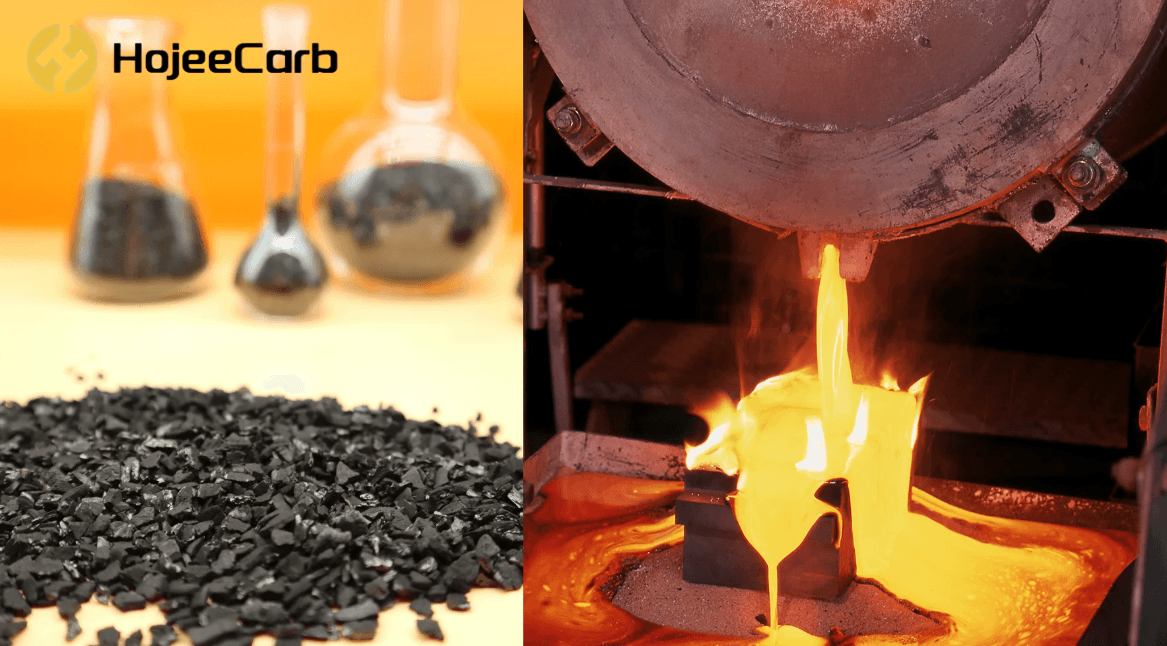
Loaded carbon from a Sudanese CIL/heap-leach circuit moves to elution and gold smelting
Shipping to Sudan: Port Sudan, Lead Time & Red Sea Routing
Sudan is served almost entirely through one gateway:
- • Port Sudan: the country's only major deep-water port on the Red Sea — sea transit 22–30 days from China via the Bab-el-Mandeb strait
- • Red Sea routing note: current Red Sea security conditions can add transit time or reroute vessels; we build 35–50 day total lead time and advise ordering well ahead
- • Inland haul: Port Sudan to Red Sea Hills / Ariab district mines is a manageable overland leg; River Nile and Northern state sites are longer trucking runs
- • Packaging: 500 kg jumbo bags or 1 MT super sacks, PE-lined and heat-sealed against Red Sea humidity and desert dust
Pro tip: Given single-port dependence and Red Sea variability, hold a modest safety stock of carbon on-site and order 60–90 days ahead of change-out. We can stagger shipments to smooth your inventory.
2026 Pricing & MOQ for Sudan
Pricing Guide (FOB Ningbo/Shanghai)
- • Gold recovery coconut shell (6×12, iodine 1050+): $3,200–$3,800/ton
- • Heap-leach coconut shell (6×16, iodine 1000+): $3,200–$3,600/ton
- • Mine/process water coal-based GAC (8×30): $800–$1,400/ton
CIF Port Sudan adds roughly $90–$170/ton over FOB, depending on Red Sea routing at time of booking.
MOQ: 1 container (18–20 tons) for standard specs. 5-ton trial orders available — useful for tailings-retreatment plants benchmarking hardness before committing.
Payment: T/T (30% deposit + 70% against B/L) or irrevocable L/C at sight. Every shipment includes a COA tested in our lab, with SGS or Bureau Veritas verification on request.
Our Track Record in the Region
We supply coconut shell CIL and heap-leach carbon to gold operations across northeast Africa, including tailings-retreatment plants that cycle carbon hard. Regional references:
- • 56 tons of gold recovery carbon shipped to Ethiopia — loading inspection case study
- • 28 tons of gold recovery carbon shipped to Egypt — same Red Sea corridor
- • Africa-wide mining sourcing guide — specs, ports, and logistics across the continent
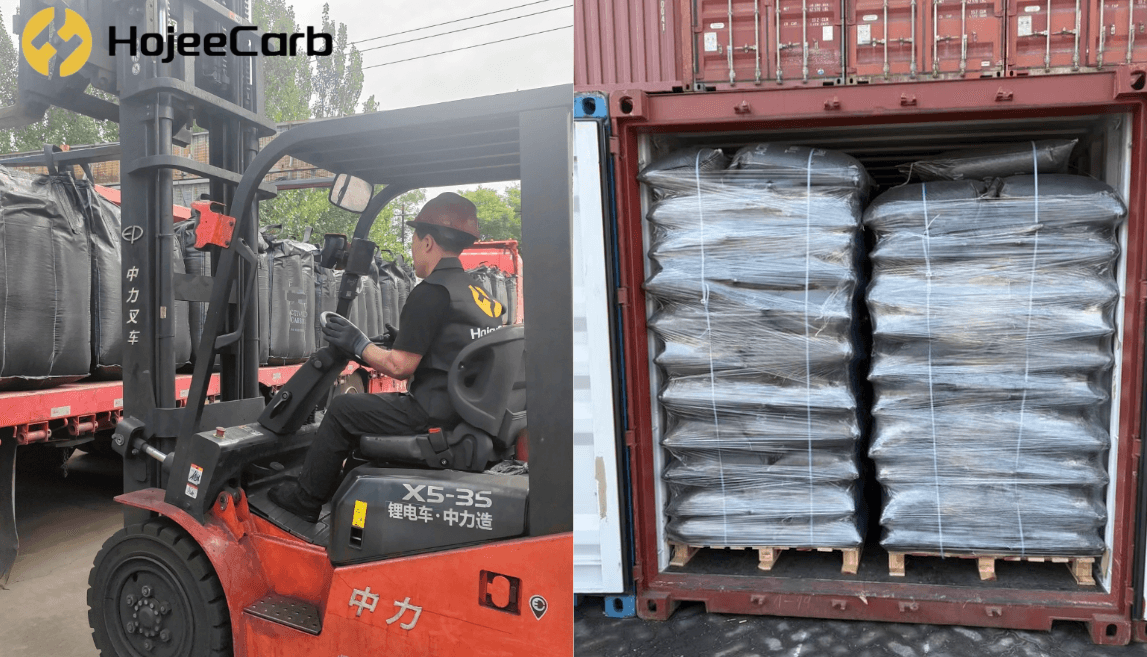
Coconut shell 6×12 gold recovery carbon staged for a Red Sea corridor shipment
Request a Quote
Get Sudan Gold Recovery Carbon Pricing — Factory Direct
Tell us your circuit type (CIL, heap-leach CIC, or tailings retreatment), tonnage, and whether you clear through Port Sudan. We reply with a factory quote and CIF pricing within 24 hours.
Frequently Asked Questions
What activated carbon spec suits Sudan's CIL and heap-leach gold operations?
Coconut shell activated carbon with iodine ≥1050 mg/g, ball-pan hardness ≥97%, 6×12 mesh for CIL, and 6×16 for heap-leach carbon columns (CIC). Sudan's mix of oxide ore CIL and large-tonnage heap leach rewards hard, low-fines carbon that limits head loss in columns.
How long does shipping activated carbon to Port Sudan take?
Sea transit from Ningbo/Shanghai to Port Sudan on the Red Sea runs 22–30 days via the Bab-el-Mandeb strait, with total lead time of 35–50 days including production, documentation and current Red Sea routing contingencies.
Can you supply Sudan's tailings-retreatment and artisanal-scale plants?
Yes. Beyond large CIL plants we supply CIP/CIC plants reprocessing artisanal tailings, where consistent hardness matters most because carbon cycles hard through smaller, higher-turnover circuits. 5-ton trial orders are available before contract volumes.
Sourcing Carbon for Your Sudanese Operation?
Send us your specs, tonnage, and circuit type. We'll return a detailed quote with CIF pricing to Port Sudan and a delivery schedule within 24 hours.
Get Sudan Carbon Quote →