
Application Guide
Activated Carbon for Industrial Water Treatment
We supply activated carbon to power plants, refineries, chemical factories, and food processing facilities across 50+ countries. Here is what we have learned about choosing the right carbon for each industrial water application.
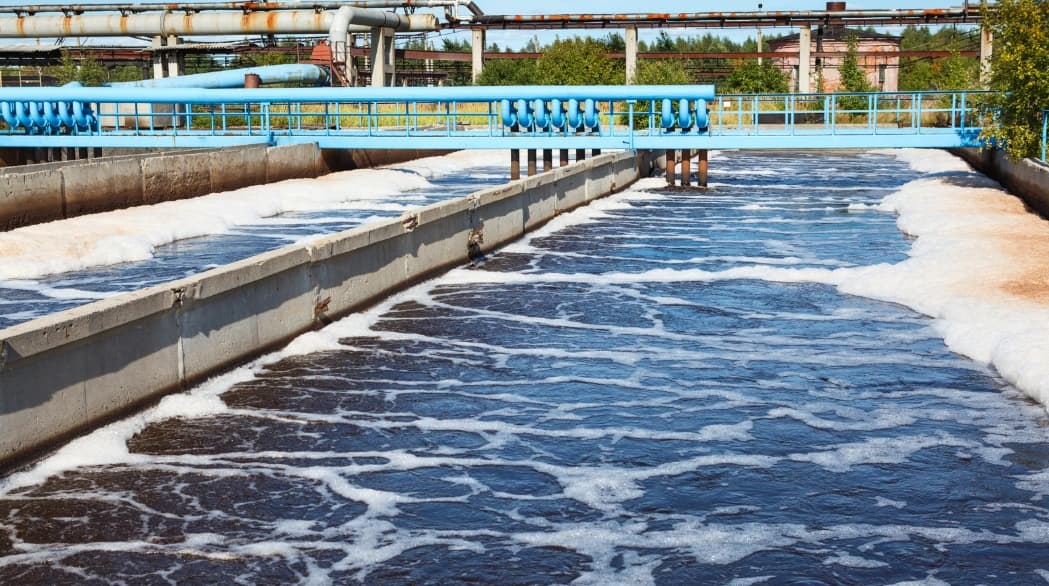
Why Industrial Facilities Need Activated Carbon in Their Water Systems
Industrial water is not like municipal drinking water. Depending on your process, you might need water with less than 0.1 mg/L chlorine for membrane protection, less than 1 ppb TOC for semiconductor rinse, or zero detectable oil for boiler feed. Activated carbon handles all of these — and it does so at a fraction of the cost of membrane-only or chemical treatment approaches.
From our experience supplying >200 industrial projects, the most common applications fall into five categories. We will walk through each one with the specs that actually matter for purchasing decisions.
5 Core Industrial Water Applications at a Glance
| Application | Carbon Type | Key Spec | Typical EBCT | Replacement Cycle |
|---|---|---|---|---|
| Cooling tower side-stream | Coal GAC 8×30 | Iodine ≥900, Hardness ≥90% | 5–8 min | 12–18 months |
| Boiler feed dechlorination | Coconut GAC 8×30 | Iodine ≥1050, Ash ≤3% | 5–10 min | 12–24 months |
| Process water (food/pharma) | Coconut GAC 12×40 | Iodine ≥1100, NSF 61 | 10–15 min | 6–12 months |
| Condensate polishing | Coconut GAC 12×40 | Iodine ≥1000, Fe ≤0.02% | 8–12 min | 18–36 months |
| RO pre-treatment | Coconut GAC 8×30 | Iodine ≥1050, Fines ≤0.1% | 10–15 min | 12–18 months |
Not sure which type fits your situation? Our complete water treatment carbon guide covers the fundamentals of GAC vs PAC selection.
1. Cooling Tower Water Treatment
Cooling towers accumulate organic foulants, algae byproducts, and residual biocides that reduce heat exchange efficiency. A side-stream GAC filter treats 5–10% of the recirculating flow continuously, removing these contaminants before they cause scaling or corrosion.
What to buy: Coal-based GAC, 8×30 mesh. Coal carbon has the mesopore structure (2–50 nm pores) needed to adsorb the larger organic molecules typical in cooling water. Coconut shell carbon works but saturates faster because its micropores get bypassed by bigger molecules.
Specs that matter:
- Iodine number: ≥900 mg/g
- Hardness: ≥90% (frequent backwashing)
- Moisture: ≤5% (shipping weight consideration)
- Apparent density: 450–550 kg/m³
- pH of filtrate: 6–8 (neutral, no leaching)
Dosage: Design for 5–8 minutes EBCT at 8–12 BV/hour service flow. For a 500 m³/hr cooling system with 10% side-stream (50 m³/hr), you need approximately 4–7 m³ of GAC media, or about 2,000–3,500 kg.
We supply coal-based GAC with iodine values from 800 to 1100 mg/g. Most cooling tower customers choose our 900-grade for the best cost-performance balance.
2. Boiler Feed Water Dechlorination
Chlorine in boiler feed water attacks RO membranes and ion exchange resins downstream. Even 0.1 mg/L free chlorine can permanently damage a polyamide RO membrane within hours. Activated carbon removes chlorine through a catalytic reaction, not just adsorption — which is why carbon beds last much longer in dechlorination service than in organic removal service.
What to buy: Coconut shell GAC, 8×30 mesh. Coconut carbon has higher micropore density and faster dechlorination kinetics than coal-based alternatives. At the same EBCT, coconut shell carbon removes chlorine 20–30% more efficiently.
Specs that matter:
- Iodine number: ≥1050 mg/g
- Ash content: ≤3% (minimizes mineral leaching into ultrapure systems)
- Hardness: ≥97%
- Particle size: 8×30 mesh (uniform flow distribution)
- pH of filtrate: 6.5–7.5
- Chlorine half-value length: ≤5 cm (rapid reaction)
Dosage: Design for 5–10 minutes EBCT at 10–20 BV/hour. For a 200 m³/hr boiler feed system, you need approximately 17–33 m³ of GAC, or 8,000–16,000 kg. Many facilities run two beds in lead-lag configuration for uninterrupted operation during carbon replacement.
Our coconut shell activated carbon with iodine value 1050+ is the standard choice for boiler feed applications. We also offer acid-washed grades (ash ≤1%) for semiconductor and pharmaceutical boiler systems.
3. Process Water for Food & Pharmaceutical Manufacturing
Food and pharmaceutical factories need process water free from chlorine, organic compounds, color, and off-flavors. Regulations (FDA 21 CFR, EU GMP) require that carbon used in contact with food-grade water meets specific purity standards.
What to buy: Coconut shell GAC, 12×40 mesh, acid-washed, NSF/ANSI 61 certified. The finer mesh provides more surface contact for trace organics. Acid washing removes soluble metals that could contaminate the product.
Specs that matter:
- Iodine number: ≥1100 mg/g
- Ash content: ≤2% (acid-washed)
- Iron content: ≤0.05%
- Certification: NSF/ANSI 61, AWWA B604
- Particle size: 12×40 mesh
- No detectable taste or odor in filtrate
Real-world example: A Southeast Asian beverage factory processing 80 m³/hr of process water uses our 12×40 coconut shell carbon (iodine 1150) in two 3 m³ vessels. Carbon replacement every 8 months at a cost of $0.06/m³ treated water. Total annual carbon consumption: 6 tons.
Need activated carbon?
Get Factory-Direct Pricing — No Middlemen
20+ years manufacturing. MOQ 1 ton. Free samples. Reply within 2 hours.
4. Condensate Polishing in Power Plants
Power plant condensate contains trace organics, oil carry-over from turbine seals, and corrosion products. GAC polishing removes these before the condensate returns to the boiler drum. Clean condensate means less blowdown, less makeup water, and longer boiler tube life.
What to buy: High-purity coconut shell GAC, 12×40 mesh. Critical requirement: extremely low iron content (≤0.02%) to prevent iron contamination of the condensate system. Standard carbon is not suitable — you need a low-metals grade.
Specs that matter:
- Iodine number: ≥1000 mg/g
- Iron (Fe): ≤0.02%
- Total ash: ≤2%
- Water-soluble ash: ≤0.5%
- pH of filtrate: 6–7 (no alkalinity spike)
- Fines (below 40 mesh): ≤0.1%
Dosage: 8–12 minutes EBCT is typical. Condensate flow in a 300 MW thermal plant is roughly 400–600 m³/hr, requiring 50–120 m³ of carbon media. Replacement cycle: 18–36 months depending on condensate quality.
5. RO Membrane Pre-treatment
Reverse osmosis membranes are the workhorses of industrial water purification — but they hate chlorine, organics, and oil. A GAC bed upstream of the RO system removes all three, extending membrane life from 2 years to 5+ years. The payback on carbon investment versus premature membrane replacement is typically 3–6 months.
What to buy: Coconut shell GAC, 8×30 mesh, with emphasis on low fines content. Carbon dust can foul RO membranes and void the warranty. Always specify <0.1% fines below the nominal mesh size.
Specs that matter:
- Iodine number: ≥1050 mg/g
- Fines content: ≤0.1%
- Hardness: ≥97% (resists attrition during backwash)
- Effective size: 0.8–1.0 mm
- Uniformity coefficient: ≤1.5
- Target effluent: free chlorine <0.05 mg/L, TOC <2 mg/L
Pro tip: Oversize your GAC bed by 20% for RO pre-treatment. When the lead bed reaches breakthrough, you still have safety margin to protect the membranes while scheduling carbon change-out. Many customers use our GAC system design guide to calculate proper bed volumes.
Coconut Shell vs Coal-Based Carbon for Industrial Water: When to Use Which
This is the most common question we get from industrial water treatment engineers. The short answer:
- Coconut shell — Use for dechlorination, RO protection, high-purity process water, condensate polishing. Superior micropore volume, harder, lasts longer, but costs 15–25% more per ton.
- Coal-based — Use for cooling towers, general organic removal, oil/grease polishing, wastewater tertiary treatment. Better mesopore development for larger molecules, lower cost per ton, good enough hardness for most applications.
For a detailed comparison with lab data, see our coconut shell vs coal-based activated carbon guide.
| Factor | Coconut Shell | Coal-Based |
|---|---|---|
| Price (FOB China) | $1,200–1,800/ton | $800–1,200/ton |
| Iodine value | 1000–1300 mg/g | 800–1100 mg/g |
| Hardness | 95–99% | 85–95% |
| Ash content | 2–5% | 8–15% |
| Best for | Dechlorination, trace organics, purity | Bulk organics, color, oil, general filtration |
| Service life (typical) | 15–30% longer | Baseline |
Cost of Activated Carbon Treatment per Cubic Meter
Industrial buyers care about $/m³ of treated water, not $/ton of carbon. Here is how the math works for a typical 100 m³/hr industrial water system:
| Application | Carbon Cost/ton | Annual Usage | Cost per m³ |
|---|---|---|---|
| Dechlorination (low TOC) | $1,200 | 4–6 tons | $0.02–0.03 |
| Organic removal (moderate) | $1,000 | 8–12 tons | $0.05–0.08 |
| High-purity process water | $1,500 | 6–10 tons | $0.06–0.10 |
| Oil/grease polishing | $900 | 10–15 tons | $0.06–0.09 |
These are based on factory-direct pricing from China. If you are buying through a local distributor, add 30–60% to the carbon cost. That is where working directly with a manufacturer like us makes a real difference for industrial-scale buyers.
5 Common Mistakes When Buying Carbon for Industrial Water
- Specifying by iodine value alone. Iodine number measures micropore capacity but says nothing about mesopore or macropore structure. A 1200 iodine coconut carbon might perform worse than a 950 iodine coal carbon for oil removal. Always match the pore structure to your target contaminant size.
- Ignoring hardness for systems with frequent backwash. Carbon with hardness below 90% generates fines during backwashing. Those fines end up downstream, fouling membranes or clogging spray nozzles. Specify ≥95% hardness for any bed backwashed more than weekly.
- Using standard carbon for food/pharma without NSF 61. Your QA team will reject it. Your auditors will flag it. Get certified carbon from the start — the price difference is only 10–15%.
- Undersizing the bed. A too-small GAC bed reaches breakthrough quickly, leading to frequent replacements and higher total cost. The capital savings of a smaller vessel are eaten up within 6 months of extra carbon purchases.
- No pre-filtration before the carbon bed. Suspended solids coat carbon surfaces and plug pores. Always pre-filter to <5 NTU (ideally <1 NTU) upstream of the GAC bed. A $2,000 multimedia filter can extend your $15,000 carbon charge life by 40%.
How to Source Industrial Water Treatment Carbon from China
We have been supplying activated carbon to industrial water treatment projects since 2003. Here is what a typical order looks like:
- Tell us your application — What contaminants, what flow rate, what water quality target
- We recommend a grade — Based on 20+ years of application data
- Free samples — 500g–1kg for lab testing or pilot trials
- Bulk order — MOQ 1 ton, packed in 25 kg bags or 500 kg super sacks
- Delivery — FOB Ningxia/Shanghai, or CIF to your port. Lead time 7–15 days.
For pricing, check our activated carbon price guide or contact us directly with your project details for a quote within 24 hours.
Frequently Asked Questions
What type of activated carbon is best for cooling tower water?
Coal-based granular activated carbon (GAC) in 8×30 or 12×40 mesh is most common for cooling tower side-stream filtration. It removes chlorine residuals, organic foulants, and biocide byproducts. Iodine value of 900+ mg/g and hardness above 90% are recommended to withstand the high flow rates and frequent backwashing typical in cooling systems.
How much activated carbon is needed for industrial boiler feed water?
For boiler feed water dechlorination, typical design uses 5–10 minutes empty bed contact time (EBCT) at service flow rates of 10–20 BV/hr. This translates to roughly 150–300 kg of GAC per 100 m³/hour of treated water. Coconut shell carbon with iodine value >1050 mg/g is preferred for its superior dechlorination kinetics and longer service life.
How often should activated carbon be replaced in industrial water systems?
Replacement frequency depends on the application: dechlorination beds typically last 12–24 months, organic removal beds 6–18 months depending on influent TOC levels, and condensate polishing applications 18–36 months. Monitor chlorine breakthrough or TOC increase in effluent as replacement indicators rather than relying solely on time-based schedules.
Can activated carbon remove oil from industrial water?
Yes, activated carbon effectively removes dissolved and emulsified oil and grease from industrial water when concentrations are below 10 mg/L. For higher oil loads, pre-treatment with oil-water separators or dissolved air flotation is required before the carbon stage. Coal-based GAC with mesopore development (12×40 mesh) works best for oil adsorption due to larger pore access.
What is the cost of activated carbon treatment per cubic meter of industrial water?
Operating costs typically range from $0.02–0.15 per m³ depending on the application and contaminant load. Dechlorination (low organic load) costs $0.02–0.05/m³, general organic removal $0.05–0.10/m³, and trace contaminant removal (pharmaceuticals, pesticides) $0.08–0.15/m³. These figures assume GAC replacement every 12–18 months at factory-direct pricing of $800–1,500/ton.
Need Help Choosing?
Send us your water analysis report and system flow rate. We will recommend the right carbon grade, calculate the bed volume, and provide a delivered price within 24 hours. No obligation, no middlemen.
Get a Quote for Your Project