
Coconut Shell Activated Carbon Wholesale: 2026 Bulk Buying Guide
Everything you need to source coconut shell GAC at wholesale prices — MOQ, pricing tiers, quality specs, supplier verification, and shipping logistics from a 15+ year manufacturer.
Updated April 6, 2026 · 12 min read
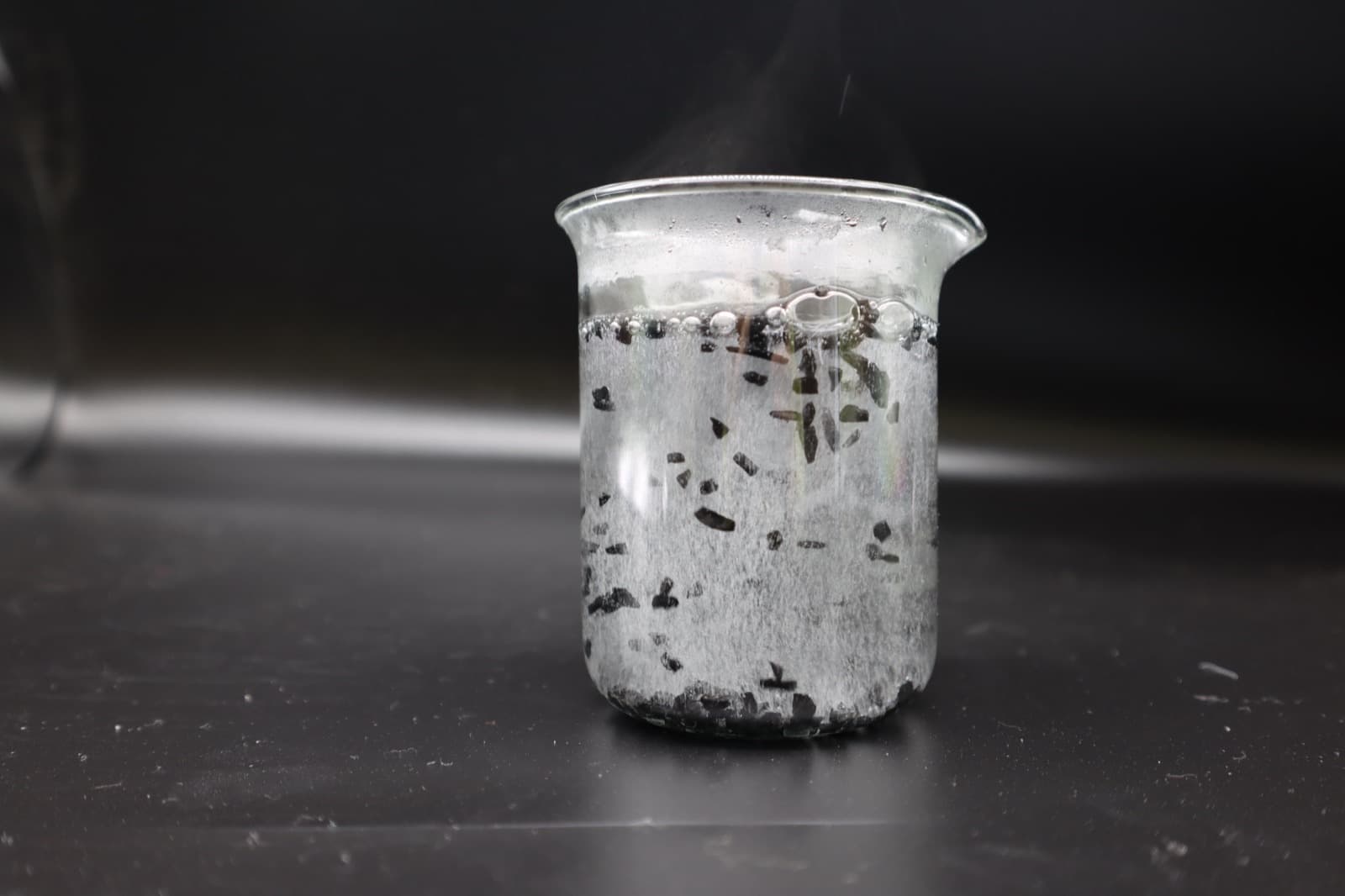
Coconut shell activated carbon is the gold standard for water treatment, air purification, and gold recovery applications. Its superior micropore structure, high hardness (97%+), and low ash content (<3%) make it the preferred choice for buyers who demand consistent quality at industrial volumes.
But sourcing wholesale coconut shell carbon isn't as simple as finding the cheapest quote on Alibaba. Supply chain disruptions in Southeast Asia have tightened coconut shell availability in 2026, pushing prices up 5–8% since Q4 2025. Meanwhile, quality inconsistencies between suppliers can cost you far more than the price difference on paper.
This guide cuts through the noise. As a manufacturer with 15+ years of coconut shell carbon production and export experience, we'll walk you through exactly what to look for, what to avoid, and how to get the best value on your bulk orders.
Need activated carbon?
Get Factory-Direct Pricing — No Middlemen
20+ years manufacturing. MOQ 1 ton. Free samples. Reply within 2 hours.
Wholesale Pricing: What Coconut Shell Carbon Actually Costs in 2026
Let's start with what everyone wants to know — pricing. Coconut shell activated carbon prices vary significantly based on three factors: iodine number (adsorption capacity), mesh size (particle distribution), and post-treatment (acid-washed, steam-washed, or standard).
| Grade / Application | Iodine Number | Common Mesh | FOB China ($/ton) | 2026 Trend |
|---|---|---|---|---|
| Standard Water Treatment | 800–900 mg/g | 8×30, 12×40 | $1,450–$1,950 | ↑ 5% |
| Premium Water Treatment | 950–1050 mg/g | 8×30, 12×40 | $2,200–$2,600 | ↑ 7% |
| Gold Recovery (CIL/CIP) | 1000–1100 mg/g | 6×12, 6×16 | $3,200–$3,800 | ↑ 8% |
| Acid-Washed (High Purity) | 1050+ mg/g | Various | $2,100–$3,100 | ↑ 6% |
| Air Purification / VOC | 900–1000 mg/g | 4×8, 6×12 | $2,200–$3,100 | ↑ 5% |
| Food & Beverage Grade | 1000+ mg/g | 200 mesh powder | $2,800–$3,800 | → Stable |
📊 2026 Market Update
Coconut shell raw material supply from Indonesia and the Philippines has tightened due to reduced copra production and climate-related yield drops. The global activated carbon market is projected to reach $60.4 billion in 2026 (Fortune Business Insights), with coconut shell grades commanding premium pricing due to supply constraints. Buyers locking in 6–12 month contracts now are seeing 3–5% savings vs. spot pricing.
What Drives Wholesale Price Differences?
- Iodine number — Every 100 mg/g increase adds roughly $150–$250/ton. Don't overpay for iodine number you don't need; standard water treatment works fine at 850–950.
- Acid washing — Adds about $450/ton but is essential for drinking water, pharmaceutical, and food-grade applications. Reduces ash to <2% and removes soluble metals.
- Mesh precision — Tight mesh specifications (e.g., 12×40 with <5% oversize/undersize) cost more than loose cuts. Critical for POU filters where particle migration causes fines.
- Order volume — 20-ton container loads (typically one 20' FCL) get 5–10% better pricing than 5-ton trial orders. Annual contracts with quarterly shipments unlock the best rates.
Mesh Size Selection: Matching Specs to Your Application
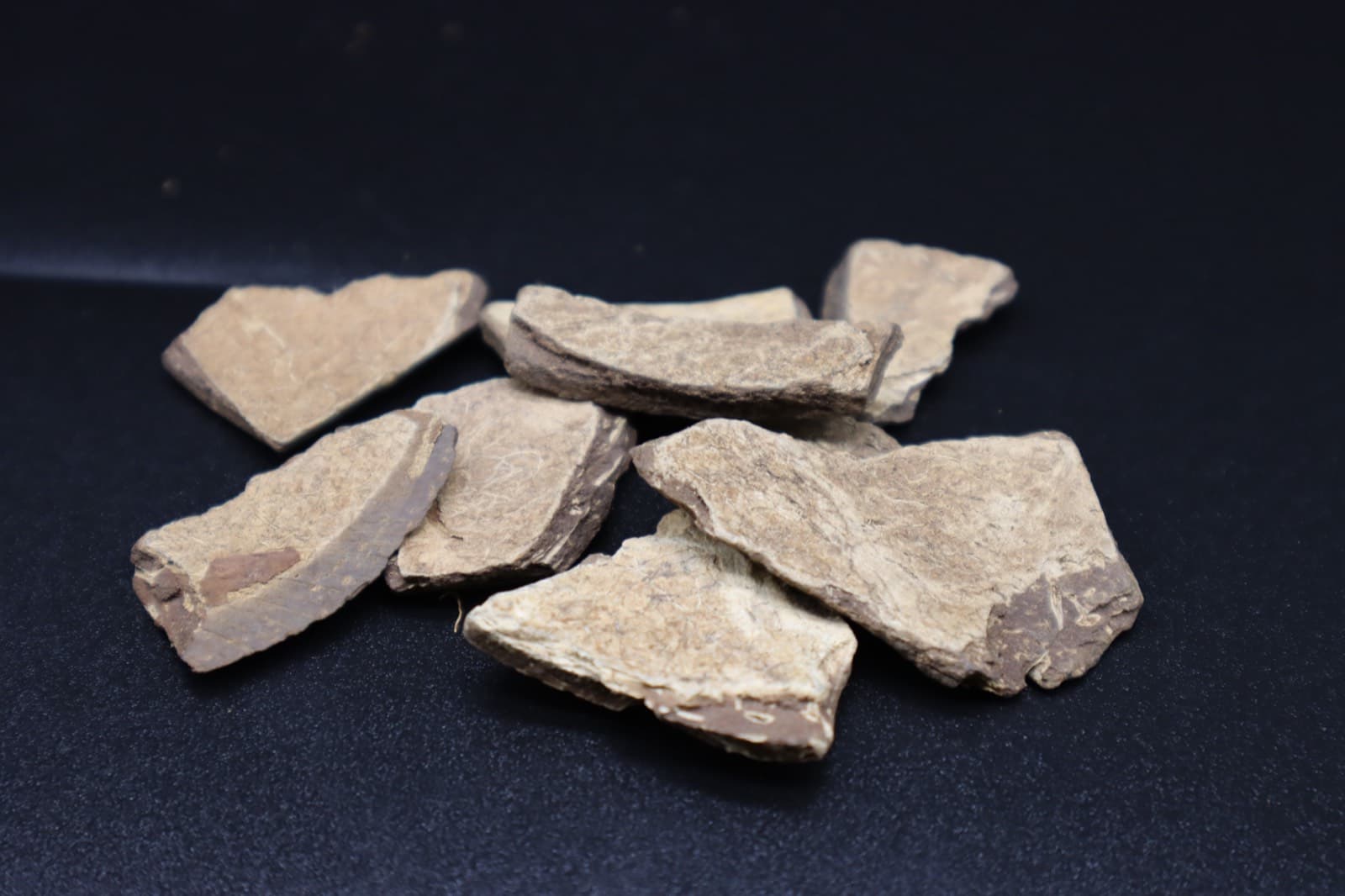
Choosing the wrong mesh size is the most common — and most expensive — mistake wholesale buyers make. Here's a straightforward decision framework:
| Mesh Size | Particle Size (mm) | Best Applications | Key Advantage |
|---|---|---|---|
| 4×8 | 2.36–4.75 | Gold recovery (CIL/CIP), large-scale industrial vessels | High abrasion resistance, low pressure drop |
| 6×12 | 1.68–3.35 | Air purification, vapor phase, solvent recovery | Balanced flow and contact time |
| 8×30 ⭐ | 0.60–2.36 | Municipal water treatment, industrial wastewater, the most popular grade worldwide | Optimal balance of kinetics and hydraulics |
| 12×40 ⭐ | 0.42–1.68 | POU/POE water filters, residential cartridges, highest demand in North America | Fast adsorption kinetics, excellent chlorine removal |
| 20×50 | 0.30–0.84 | Water polishing, trace contaminant removal, aquarium filtration | Maximum surface contact for trace removal |
💡 Pro Tip from Our Export Team
If you're unsure about mesh size, start with 12×40 for water filtration or 8×30 for industrial water treatment. These two grades account for over 70% of all coconut shell GAC exports from China. We can ship 25 kg sample bags of multiple mesh sizes for side-by-side testing in your system.
Quality Specifications: What to Demand from Your Supplier
Not all coconut shell carbon is created equal. The difference between a reliable supplier and a problematic one often comes down to consistency — batch-to-batch variation that doesn't show up in a single COA. Here are the specifications that matter and the thresholds you should set:
| Parameter | Standard Grade | Premium Grade | Why It Matters |
|---|---|---|---|
| Iodine Number | ≥850 mg/g | ≥1000 mg/g | Primary indicator of microporosity and adsorption capacity |
| Hardness (Ball-Pan) | ≥95% | ≥97% | Prevents fines generation; coconut shell excels here vs. coal |
| Moisture | ≤5% | ≤3% | You're paying per ton — high moisture means less carbon per dollar |
| Ash Content | ≤5% | ≤3% | Low ash = less metal leaching into treated water |
| BET Surface Area | ≥900 m²/g | ≥1100 m²/g | More surface area = more adsorption sites |
| pH | 6.0–8.0 | 6.5–7.5 | Neutral pH critical for drinking water applications |
| Apparent Density | 0.45–0.55 g/mL | 0.48–0.52 g/mL | Affects filter bed volume and replacement frequency |
Our quality control process: Every batch at our facility undergoes iodine number testing, mesh distribution analysis, moisture check, and ash content verification before packaging. We maintain batch traceability from raw coconut shell sourcing through activated carbon production to final shipment. Customers receive a detailed COA with every delivery.
Our Manufacturing Facility: From Coconut Shell to Export-Ready Product
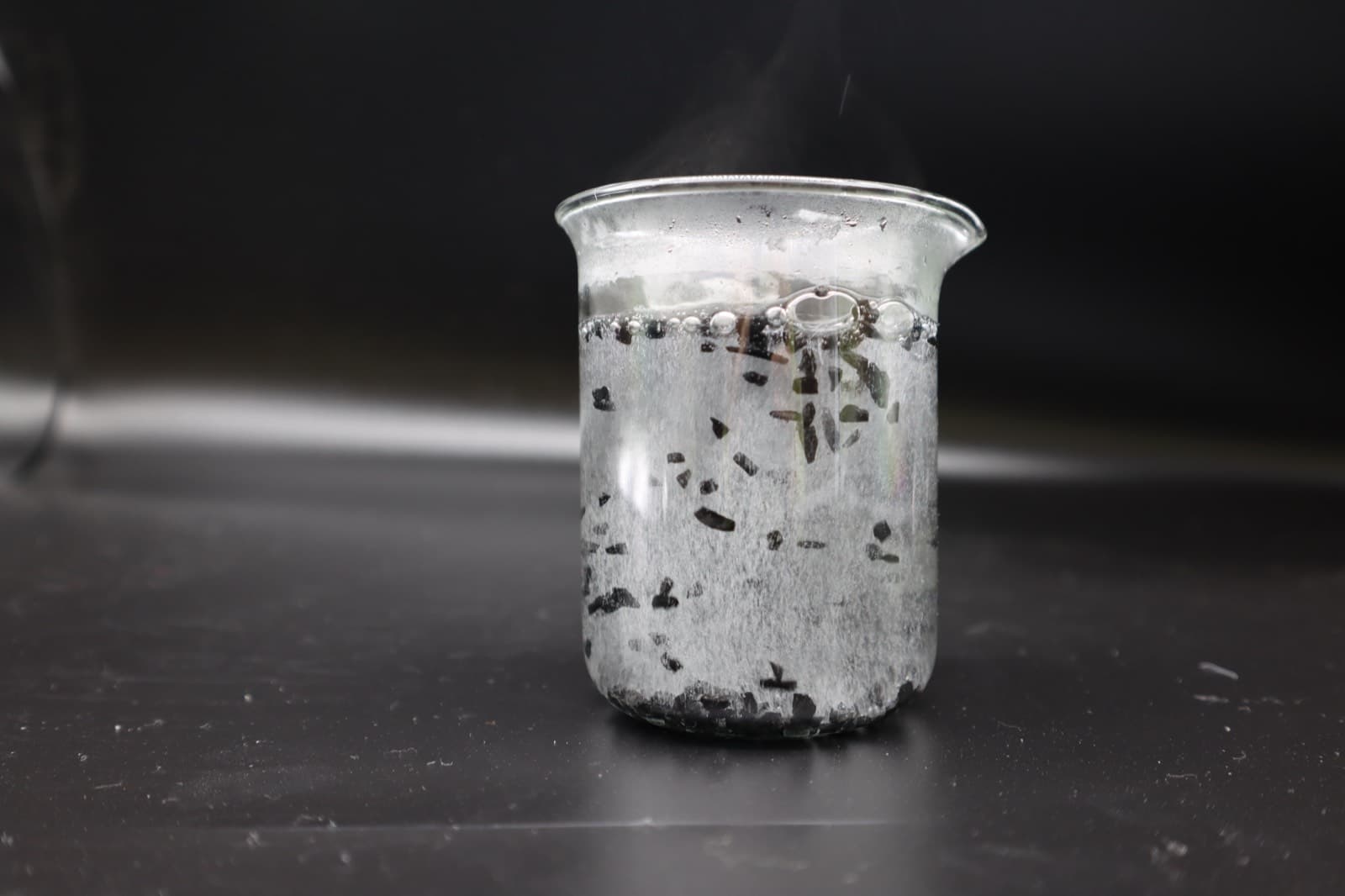
Our production facility operates multiple rotary kilns and steam-activation furnaces with a combined annual capacity exceeding 8,000 metric tons. For coconut shell carbon specifically, we source raw shells primarily from Indonesia, the Philippines, and Vietnam through long-term supplier relationships that give us supply stability even during tight market conditions.
The production process for our coconut shell GAC:
- Raw material screening — Only mature coconut shells with proper drying (<15% moisture) accepted
- Carbonization — Controlled pyrolysis at 500–600°C to create char structure
- Steam activation — 800–1000°C with high-pressure steam to develop micropore network
- Crushing & screening — Precision mesh separation with <5% oversize/undersize tolerance
- Acid washing (for premium grades) — HCl wash to remove metals, followed by thorough rinsing
- Quality testing — Every batch tested per ASTM D4607 (iodine), ASTM D3802 (ball-pan hardness), and relevant standards
- Packaging & palletizing — 25 kg PP woven bags, 500 kg/1 ton jumbo bags, or custom packaging per buyer specs
Coconut Shell vs. Coal-Based: When Is the Premium Worth It?
Not every application requires coconut shell carbon. Here's an honest comparison to help you decide whether the premium is justified for your use case:
| Factor | Coconut Shell | Coal-Based |
|---|---|---|
| Pore Structure | Predominantly micropores (<2 nm) — excellent for small molecules | Mix of micro/mesopores — better for larger molecules |
| Hardness | 95–98% (superior) | 85–95% (adequate) |
| Ash Content | 2–5% (very low) | 8–15% (higher) |
| Price (FOB) | $2,900–$4,500/ton | $500–$1,200/ton |
| Best For | Drinking water, gold recovery, POU filters, food & beverage | Industrial wastewater, municipal treatment, dechlorination at scale |
| Reactivation Cycles | 5–8 cycles (high hardness means less attrition loss) | 3–5 cycles |
Bottom line: Choose coconut shell when water purity standards are high (NSF 61, drinking water, food contact), when hardness matters (gold recovery CIL/CIP with harsh mechanical action), or when low ash is critical. Choose coal-based carbon when treating high-volume industrial wastewater where cost efficiency matters more than micropore dominance.
How to Verify a Coconut Shell Carbon Supplier (5-Step Framework)
We've seen too many buyers get burned by suppliers who mix coconut shell with cheaper coal-based carbon, inflate iodine numbers, or deliver inconsistent quality. Use this verification framework:
Step 1: Request Production Evidence
Ask for photos and videos of their coconut shell carbonization and activation lines. A legitimate coconut shell producer will have dedicated rotary kilns and steam activation furnaces. If they can't show raw coconut shell inventory, they're likely a trader, not a manufacturer.
Step 2: Order Independent Lab Samples
Request 25 kg samples and send them to an independent lab (SGS, Intertek, or a university lab) for full characterization: iodine number, BET surface area, pore size distribution, ash content, and hardness. Compare results against the supplier's COA — a variance exceeding 5% on key parameters is a red flag.
Step 3: Check Consistency Across Batches
Ask for COAs from three different production batches over the past 6 months. Consistent quality means their process is controlled. Wide variation suggests inadequate quality management — a problem that will cost you in field performance.
Step 4: Verify Export Track Record
Use customs data platforms (ImportGenius, Panjiva) to check the supplier's real export volume. Ask for shipping documents from recent orders (with customer details redacted). A factory shipping 100+ tons/month has proven logistics capability.
Step 5: Visit or Commission a Factory Audit
For orders exceeding 50 tons/year, invest in a factory visit or commission a third-party supplier audit. Check raw material storage, activation equipment condition, QC lab instrumentation, and packaging/warehousing standards.
Shipping & Logistics: Getting Your Wholesale Order from China
Activated carbon shipping is straightforward but has a few important considerations:
Packaging Options
- 25 kg PP woven bags — Standard for most orders. Palletized, 40 bags per pallet, 20 pallets per 20' FCL (20 metric tons per container)
- 500 kg / 1 MT jumbo bags (FIBCs) — For industrial buyers with forklift unloading capability. More cost-efficient, fits 20 MT per 20' FCL
- Custom packaging — Private label bags with your branding available at 10+ ton orders
Shipping Terms
- FOB (Free on Board) — Most common. You arrange ocean freight from Chinese port (typically Xiamen, Shanghai, or Ningbo)
- CIF (Cost, Insurance, Freight) — We handle freight to your destination port. Convenient but compare our CIF quote against your own freight forwarder rates
- Transit time — 15–25 days to Southeast Asia, 25–35 days to Middle East/Africa, 30–40 days to Americas/Europe
Import Duties to Watch
Activated carbon ships under HS code 3802.10. US importers face Section 301 tariffs on Chinese-origin carbon — see our detailed tariff guide for current rates and strategies. Many buyers in India, Southeast Asia, and the Middle East face zero or low duties on Chinese activated carbon.
Application Decision Tree: Which Grade Do You Need?
💧 Drinking Water Treatment
→ 12×40 mesh, Iodine ≥950, Acid-washed, NSF 61 certified
Budget: $2,200–$2,600/ton
🏭 Industrial Wastewater
→ 8×30 mesh, Iodine ≥850, Standard grade adequate
Budget: $1,450–$1,950/ton
⛏️ Gold Recovery (CIL/CIP)
→ 6×12 mesh, Iodine ≥1000, Hardness ≥97%, Acid-washed
Budget: $3,200–$3,800/ton
🌬️ Air Purification / VOC Removal
→ 4×8 or 6×12 mesh, CTC ≥50%, Iodine ≥900
Budget: $2,200–$3,100/ton
🍽️ Food & Beverage Processing
→ 200 mesh powder or 12×40 GAC, Iodine ≥1000, Food-grade certified
Budget: $2,800–$3,800/ton
🐠 Aquarium Filtration
→ 12×40 mesh, Iodine ≥900, Low-dust, Pre-washed preferred
Budget: $1,450–$1,950/ton
Frequently Asked Questions
What is the minimum order quantity for coconut shell activated carbon wholesale?
Most Chinese manufacturers set MOQ at 1–5 metric tons for standard grades (8×30, 12×40 mesh). Custom specifications such as acid-washed or silver-impregnated carbon may require 5–10 tons MOQ. Trial orders of 500 kg–1 ton are often possible at slightly higher per-ton pricing for new customers.
How much does wholesale coconut shell activated carbon cost in 2026?
FOB China pricing for coconut shell GAC ranges from $2,900–$4,500 per metric ton depending on grade, iodine number, and mesh size. Standard water-treatment grade (iodine 900–1000 mg/g, 8×30 mesh) runs $1,450–$1,950/ton. High-purity gold recovery carbon (iodine 1050+, acid-washed) can reach $3,200–$3,800/ton. Prices have firmed 8–12% in 2026 due to tight coconut shell supply from Southeast Asia.
What quality certifications should I look for when buying wholesale coconut carbon?
Essential certifications include NSF/ANSI 61 (drinking water contact), AWWA B604 (GAC standard), ISO 9001, and for food-grade applications, FDA compliance or EU food-contact certification. Ask for a Certificate of Analysis (COA) per shipment covering iodine number, moisture, ash content, hardness, and mesh distribution.
What mesh sizes are available for wholesale coconut shell activated carbon?
Common wholesale mesh sizes include 4×8 (gold recovery, large-scale industrial), 6×12 (air purification, solvent recovery), 8×30 (municipal water treatment, most popular), 12×40 (point-of-use water filters, highest demand in residential market), and 20×50 (specialized water polishing). Custom mesh cuts are available at 5–10 ton MOQ.
How do I verify a coconut shell activated carbon supplier before placing a wholesale order?
Request a factory audit or third-party inspection (SGS, Bureau Veritas). Ask for production line photos, quality control lab photos with testing equipment (iodine burette, BET analyzer, hardness tester). Order 25 kg samples for independent lab testing before committing. Check export history via customs data platforms and ask for references from existing buyers in your market.
Ready to Source Coconut Shell Carbon at Wholesale Prices?
Get factory-direct pricing on all mesh sizes and grades. We ship worldwide from our production facility — MOQ as low as 1 ton for trial orders. Request a quotation with your specifications and we'll respond within 24 hours with pricing, COA samples, and shipping estimates.
Request Wholesale Coconut Carbon QuoteRelated Articles
Coconut Shell Activated Carbon: Complete Guide
Properties, manufacturing, applications, and specifications
Coconut Shell Carbon Price Trends 2026
Market analysis, pricing factors, and cost optimization
Supplier Audit Checklist for Activated Carbon
Verify quality, capability, and reliability before ordering
Buy Activated Carbon Direct from Factory
Factory-direct pricing, MOQ 1 ton, shipped worldwide