
Potassium Permanganate Impregnated Activated Carbon
KMnO₄-impregnated carbon for formaldehyde, VOC, and ethylene removal. Combines chemical oxidation with physical adsorption for superior indoor air quality.
⚡ Quick Answer
KMnO₄ impregnated activated carbon is pellet or granular carbon loaded with 3–8% potassium permanganate that chemically oxidizes formaldehyde, ethylene, and reactive VOCs into CO₂ and water rather than just adsorbing them. It removes formaldehyde at over 95% and includes a built-in purple-to-brown visual indicator that shows exactly when the bed needs replacing.
- KMnO₄ Loading
- 3 – 8% by weight
- Formaldehyde Removal
- > 95% (HCHO)
- Ethylene Removal
- > 90%
- End-of-Life
- Purple → brown indicator
Related: All Impregnated Carbon · VOC Removal · Air Purification · Get a Quote
Product Overview
Potassium permanganate (KMnO₄) impregnated activated carbon combines the physical adsorption capability of activated carbon with the powerful oxidizing properties of potassium permanganate. When formaldehyde, ethylene, or other reactive VOCs contact the KMnO₄-loaded surface, they are irreversibly oxidized to harmless CO₂ and water rather than simply being physically held and potentially re-released.
This dual-mechanism makes KMnO₄ carbon ideal for environments requiring permanent contaminant destruction, including new construction off-gassing control, cold chain ethylene management, museum conservation, and commercial HVAC systems.
Key Applications
- New building formaldehyde removal
- Commercial HVAC filtration
- Cold storage ethylene control
- Museum & archive preservation
- Automotive cabin air filters
- Food packaging freshness extension
- Semiconductor cleanroom air
- Office/residential IAQ systems
Formaldehyde Performance Standards
| Standard / Limit | Value |
|---|---|
| WHO indoor air formaldehyde guideline | 0.1 mg/m³ (30-min avg) |
| China GB/T 18801 (air purifier standard) | HCHO CADR requirement defined |
| New building off-gassing (typical) | 0.2 – 1.5 mg/m³ HCHO |
| KMnO₄ carbon HCHO removal (1 ppm test) | > 95% |
| Cold storage ethylene threshold (apples) | 0.01 – 1 ppm C₂H₄ |
| KMnO₄ carbon ethylene removal | > 90% |
| Visual exhaustion indicator | Purple → brown (KMnO₄ → MnO₂) |
The purple-to-brown color change is a built-in exhaustion indicator — no instrumentation needed to know when carbon needs replacement. Useful for HVAC maintenance programs.
Cold Chain Logistics — Apple Storage, 10,000 m³ CA Room
A controlled-atmosphere apple storage facility uses 200 kg of KMnO₄-impregnated pellets (5% loading) in recirculation filter units to maintain ethylene below 0.5 ppm. Without ethylene control, apple shelf life is 60–90 days in CA storage. With KMnO₄ carbon scrubbing, the same facility achieves 9–10 months storage life. Carbon is replaced annually when the purple color turns fully brown, confirmed visually by facility staff without instruments.
Technical Specifications
| Model | HojeeAir KMn-Series |
| Impregnant | KMnO₄ (Potassium Permanganate) |
| KMnO₄ Loading | 3 – 8% by weight |
| Base Carbon | Coal pellet / Alumina blend |
| Forms | Pellet Φ3–4mm / Granular |
| Formaldehyde Removal | > 95% (HCHO, 1 ppm test) |
| Ethylene Removal | > 90% (cold storage use) |
| Iodine Number | 400 – 700 mg/g |
| Hardness | > 90% |
| pH | 6 – 9 |
| Moisture | < 5% |
| Bulk Density | 0.45 – 0.60 g/cm³ |
Response within 24 hours
Request TDS / COAOther Impregnated Products
Why KMnO₄ Carbon vs Plain GAC
Irreversible Oxidation
KMnO₄ oxidizes HCHO to CO₂ and water permanently. Plain GAC physically adsorbs formaldehyde but can desorb it when temperature rises — a safety risk in HVAC systems.
Built-in Indicator
The color change from purple to brown (KMnO₄ → MnO₂) is a direct visual signal of exhaustion. No sensors or instruments needed — simplifies maintenance.
Dual Mechanism
KMnO₄ handles polar compounds (HCHO, ethylene) while the activated carbon substrate handles non-polar VOCs simultaneously — one media for mixed contamination.
Construction & Renovation
Specifically effective for new building off-gassing where formaldehyde peaks at 0.5–1.5 mg/m³ — levels where activated carbon alone saturates quickly.
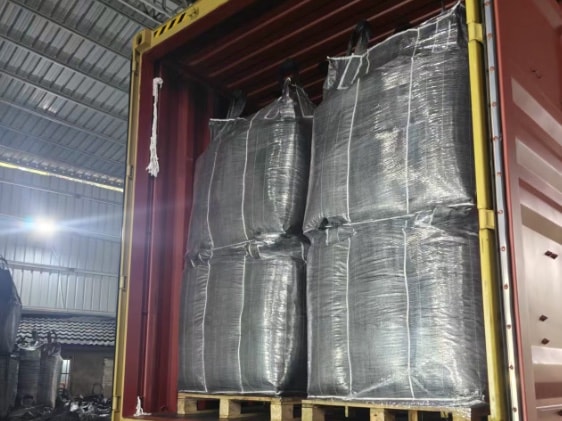
Light-Protected Packaging
Opaque sealed bags
Light-blocking, moisture barrier for KMnO₄
PE-lined kraft bags
Standard export, keep sealed until use
Jumbo bags + liner
Bulk HVAC / cold-storage supply
Cartridge / OEM
Pre-filled modules for air-purifier lines
KMnO₄ media is photosensitive and hygroscopic, so it ships in opaque, sealed packaging. Store cool, dry and dark; premature purple-to-brown color change indicates the media has begun reacting before installation.
Frequently Asked Questions
How does KMnO₄ impregnated carbon remove formaldehyde?
What is the difference between KMnO₄-impregnated carbon and KMnO₄-impregnated alumina?
How do I know when to replace KMnO₄ carbon?
Can KMnO₄ carbon and plain activated carbon be layered together?
Why does KMnO₄ carbon need light-protected, sealed packaging?
Solve Formaldehyde & VOC Problems
Tell us your target contaminant, concentration, and airflow. Our engineers will design the optimal KMnO₄ loading and media configuration.
Get Custom Quote