
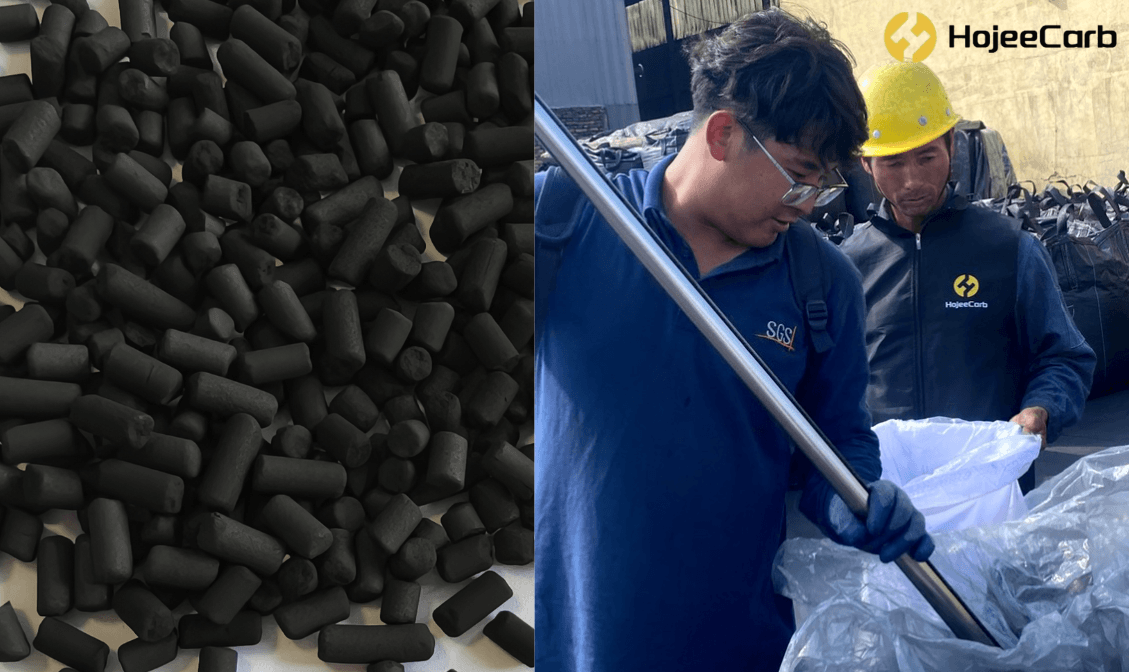
If you are sourcing columnar (pelletized) coal-based activated carbon for gas-phase work — biogas desulfurization, VOC abatement, solvent recovery, or H₂S control — you are shopping in a different market than someone buying broken granular carbon. Pellets are extruded into uniform cylinders (Φ1.5 to Φ9 mm), delivering low pressure drop, high mechanical strength, and even flow through deep beds. That is exactly what a packed tower or biogas vessel needs.
Below we line up ten suppliers worth a conversation in 2026, split into two tiers: global brand leaders and China factory-direct producers. We also explain how we ranked them so you can weigh the list against your own priorities.
How We Ranked These Suppliers
We did not rank on company size alone. A big name does not help if their pellet sizes do not match your bed or their MOQ is triple what you need. We scored each supplier on six criteria that actually decide a pellet purchase:
- Pellet range — how many diameters they extrude (Φ1.5 / Φ3 / Φ4 / Φ9 mm) and whether they cover your bed design
- Gas-phase performance — CTC activity, hardness, and ignition point for solvent and H₂S service
- Application track record — real biogas, VOC, and solvent-recovery projects, not just a spec sheet
- MOQ flexibility — how small a first order they will accept
- Certification & QC — SGS/third-party testing, ISO systems, batch consistency
- Delivery & price transparency — lead time and whether you can get a real FOB number upfront
The Top 10 at a Glance
| # | Supplier | Base | Pellet Focus | CTC (%) | MOQ |
|---|---|---|---|---|---|
| 1 | Cabot Norit | Netherlands / US | RB/ROX/RZN gas-phase pellets | 60–75 | ~13 t |
| 2 | Calgon Carbon (Kuraray) | US / Japan | Desulfurization & catalytic pellets | 60–70 | ~13 t |
| 3 | Jacobi Carbons | Sweden / India | Ecosorb gas-phase pellet line | 60–70 | ~13 t |
| 4 | HojeeCarb | China · Ningxia | Φ1.5–9 mm, biogas/VOC/solvent | 50–75 | 5 t |
| 5 | Huamei Carbon | China · Fujian | Coal columnar & KOH-impregnated | 50–70 | 5 t |
| 6 | Donau Carbon | Germany | Desorex columnar for off-gas | 55–70 | ~13 t |
| 7 | Silcarbon Aktivkohle | Germany | Full range gas-phase pellets | 55–70 | ~13 t |
| 8 | CarboTech | Germany | Extruded coal carbon, biogas | 55–70 | ~13 t |
| 9 | Desotec | Belgium | Mobile-filter pellet media | 55–70 | Service |
| 10 | Ningxia Huahui | China · Ningxia | Anthracite columnar base stock | 50–65 | 10 t |
Tier 1 — Global Brand Leaders
1. Cabot Norit — Netherlands / US
The reference name in gas-phase pellets. Their RB, ROX, and RZN series have been specified into refinery, biogas, and air-treatment projects for decades. Norit's pellet portfolio covers diameters from 0.8 mm micro-pellets up to 4 mm standard cylinders, with both plain and impregnated options. You pay a premium — typically 40–80% above China FOB for equivalent specs — but the brand carries weight with EPC contractors and end-users who require a Western name on the datasheet. Lead times outside Europe can stretch to 8–12 weeks.
2. Calgon Carbon (Kuraray) — US / Japan
Owned by Kuraray since 2018, Calgon is strong in desulfurization and catalytic pellets. Their Centaur catalytic grade is a go-to for H₂S in wastewater headworks and biogas applications — it uses the carbon's own catalytic surface rather than chemical impregnation, which extends bed life and simplifies disposal. Deep technical support and application engineering, but high pricing and longer lead times if you are outside North America or Japan.
3. Jacobi Carbons (Osaka Gas) — Sweden / India
Jacobi's Ecosorb gas-phase pellet line covers most VOC and odor-control jobs, and their Indian manufacturing base keeps them more price-competitive than the pure-Western brands. Acquired by Osaka Gas in 2019, they combine Japanese quality systems with lower Asian production costs. A solid middle option if you want a global brand name without full Calgon pricing.
Tier 2 — China Factory-Direct Producers
This is where most bulk buyers actually land once they compare total cost. Chinese Ningxia anthracite is dense and hard, which makes excellent columnar carbon, and factory-direct pricing runs well below Western brands for the same CTC and hardness specs. The trade-off: you handle logistics yourself and validate quality with third-party testing.
4. HojeeCarb (Hojee) — China, Ningxia
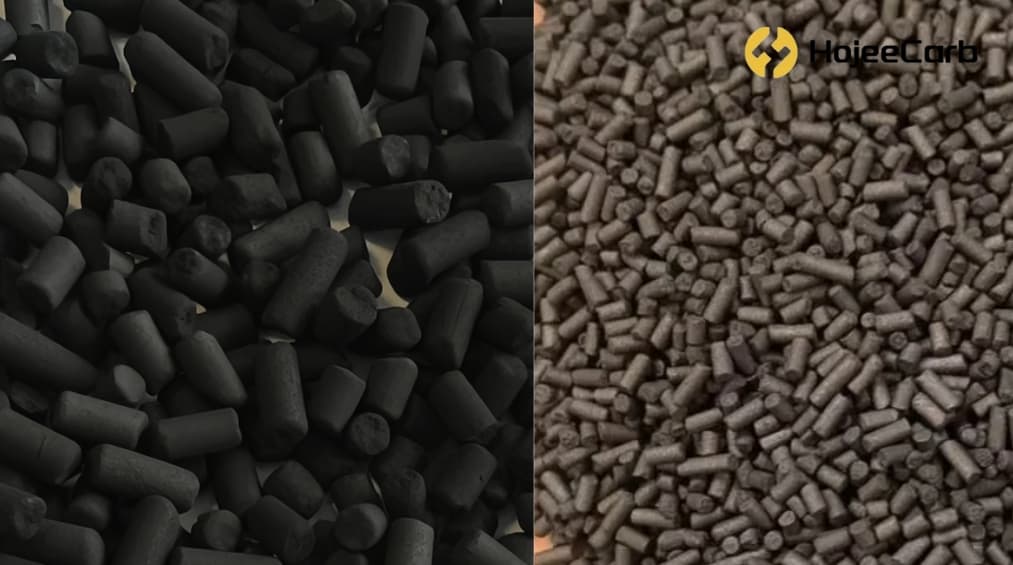
We extrude the full diameter range — Φ1.5, Φ3, Φ4, Φ8, and Φ9 mm — from Ningxia anthracite, so you can spec the carbon to the bed instead of designing around one available size. Our columnar carbon runs in biogas H₂S removal, VOC abatement, and solvent recovery across 30+ countries.
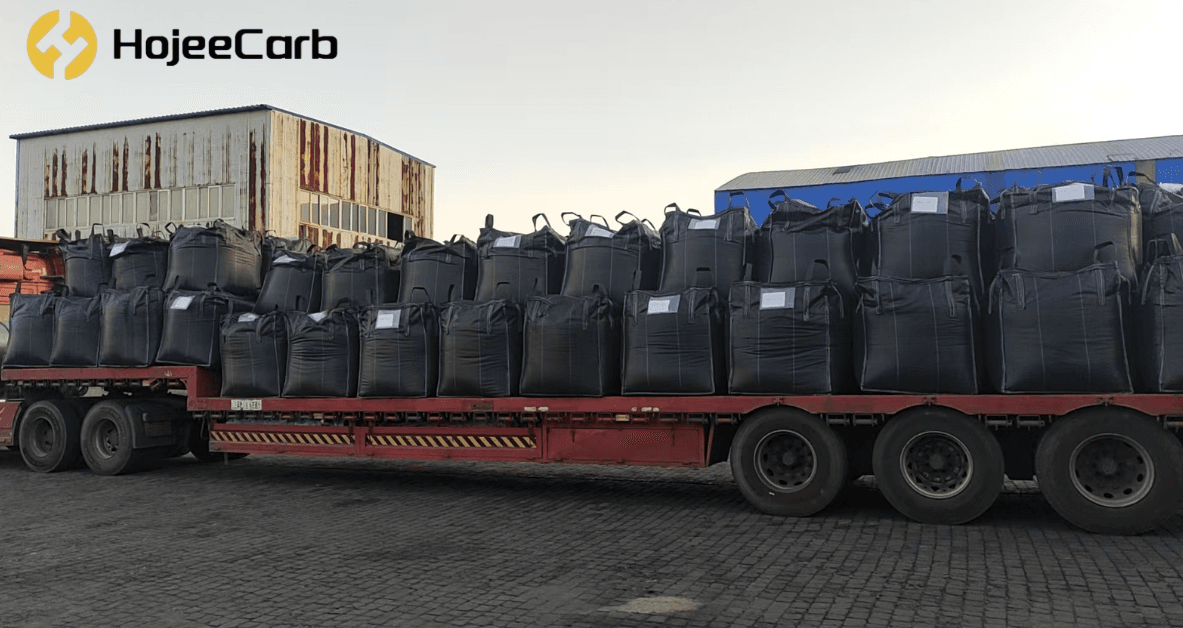
Recent deliveries include a 78-ton columnar carbon shipment to a UAE biogas plant and a 100-ton order to a Norway biogas project. Every batch ships with SGS-verifiable CTC, hardness, and ignition-point data. MOQ starts at 5 tons, and you get a real FOB number — not a "request a quote" runaround.
5. Huamei Carbon — China, Fujian
A Fujian-based coal-columnar producer with a solid track record in gas-phase carbon. They produce coal-based columnar carbon in standard diameters with both plain and KOH-impregnated options for H₂S and siloxane duty. A good choice for buyers who want a Chinese factory alternative with a dedicated impregnated pellet line for landfill and sewage biogas, alongside competitive factory-direct pricing.
6. Donau Carbon — Germany
Their Desorex columnar range is well regarded for industrial off-gas and solvent recovery across European plants. German engineering, German pricing — a fit when the project specification demands an EU-origin manufacturer or when you need highly specific impregnation chemistries for niche applications. Donau acts more as a solutions provider than a bulk commodity supplier.
7. Silcarbon Aktivkohle — Germany
A specialist that carries an unusually complete catalog of gas-phase pellet diameters, impregnations, and activity levels. Silcarbon sources globally and brands under its own specifications, making them strong for projects that need precise custom grades. Boutique pricing, but their technical documentation and consistent supply make them a favorite of German and Northern European engineering firms.
8. CarboTech — Germany
Extruded coal-based carbon with a genuine biogas and CMS (carbon molecular sieve) focus. CarboTech manufactures in Germany and serves the European biogas and nitrogen-generation market. If your project is in the EU and requires local sourcing or you need a molecular sieve grade alongside standard pellets, CarboTech belongs on your shortlist.
9. Desotec — Belgium
A different model: instead of selling you carbon by the ton, Desotec rents mobile activated carbon filter units packed with pellet media and swaps them out when exhausted. Convenient for plants that do not want to handle spent carbon logistics or disposal, but you are paying for a service (per-filter-per-month) rather than a commodity price. Best suited for European plants under strict waste regulations.
10. Ningxia Huahui — China, Ningxia
One of the large Ningxia anthracite columnar producers. Often the base-stock behind other private-label brands. Best suited to buyers who want raw commodity columnar carbon at high volume and are comfortable running their own quality verification. Price-competitive but limited technical support and English-language service.
How to Choose the Right Pellet for Your Job
The supplier matters, but so does the grade. A few rules we give our own customers:
- Match diameter to pressure drop. Smaller pellets (Φ1.5–3 mm) adsorb faster but cost more pressure. Larger pellets (Φ4–9 mm) cut resistance for deep beds. For biogas desulfurization, Φ3–4 mm is the common sweet spot.
- Read CTC, not iodine, for gas-phase. Carbon tetrachloride activity tracks vapor-phase capacity far better than iodine number. For solvent recovery, target CTC ≥60%. For standard H₂S, CTC 50–60% is usually sufficient.
- Do not skip hardness. Pellets that crumble create fines, channeling, and pressure spikes. Ask for ≥95% hardness (ball-pan method) on coal columnar carbon. Ningxia anthracite naturally delivers this.
- Plain vs. impregnated — match to your H₂S load. Non-impregnated carbon handles moderate loads well. Heavy landfill or sewage loads usually need KOH/NaOH impregnation. See our impregnated activated carbon guide for the decision framework.
- Check ash content. Lower ash means more active carbon per kilogram. For gas-phase service, target ≤15% ash; premium grades run 8–12%.
Need activated carbon?
Get Factory-Direct Pricing — No Middlemen
20+ years manufacturing. MOQ 1 ton. Free samples. Reply within 2 hours.
Why Buyers Work With Us
We are a factory, not a trader, so you talk to the people who run the extrusion line. Three things our customers say matter most:
- Full diameter range from one source — Φ1.5 to Φ9 mm, so you spec the carbon to the bed, not the other way around
- 5-ton MOQ and real FOB numbers — you get a price and lead time fast, not a contact form that disappears into a sales queue
- SGS-verifiable data on every batch — CTC, hardness, ignition point, ash, and moisture, tested and documented before the container is sealed
For the full picture on coal-based activated carbon forms and how they compare, see our coal-based activated carbon guide.
Frequently Asked Questions
What is the difference between columnar (pellet) and granular activated carbon?
Columnar carbon is extruded into uniform cylinders (typically Φ1.5–9 mm); granular activated carbon (GAC) is crushed and screened into irregular grains. Pellets deliver lower pressure drop, higher mechanical strength, and more even gas flow — which is why biogas vessels, VOC adsorbers, and solvent-recovery systems prefer them over broken granules.
What size pellet is best for biogas H₂S removal?
Φ3–4 mm is the most common choice. It balances adsorption speed against pressure drop in deep-bed vessels. For very high flow rates or shallow beds, Φ4 mm reduces resistance; for slower flows needing fast kinetics, Φ3 mm works better. Heavy H₂S loads usually call for a KOH-impregnated pellet regardless of diameter.
What MOQ can I start with for coal columnar activated carbon?
Chinese factory-direct suppliers like HojeeCarb accept orders from 5 tons. Most Western brands sell by the full container load — roughly 13–20 tons depending on density and packing. Kilogram-scale samples are available from most suppliers for lab or pilot testing before committing to volume.
How much does coal columnar activated carbon cost?
Factory-direct China FOB pricing for standard CTC 50–60 grades typically runs $850–1,400/ton depending on diameter, activity, and impregnation. Western brands (Cabot Norit, Calgon, Jacobi) price 40–80% higher for equivalent specs, reflecting brand, logistics, and technical support. KOH-impregnated grades add $200–400/ton over plain carbon.
Should I choose plain or impregnated columnar carbon for H₂S?
Plain (non-impregnated) columnar carbon handles moderate H₂S loads well through physical adsorption, especially in lead-lag vessel configurations with regular changeouts. For heavy H₂S concentrations (above ~200 ppm) or where bed volume is constrained, KOH or NaOH impregnation significantly extends service life. The trade-off: impregnated carbon costs more and may complicate spent-carbon disposal.
Need Columnar Carbon for Your Gas-Phase System?
Tell us your gas stream, H₂S or VOC concentration, flow rate, and vessel dimensions. We'll recommend the right pellet diameter and grade, then send a factory-direct quote with SGS-verifiable specs.