
Case Study
78 Tons of Coal-Based Columnar Activated Carbon Shipped to the UAE for Biogas Treatment
We recently shipped 78 tons of CTC 60, 4mm coal-based columnar activated carbon to Jebel Ali for a biogas H₂S removal project in the UAE. What makes this order worth writing up: the customer didn't need KOH-impregnated carbon. A plain, non-impregnated grade did the job at a lower cost. Here's the order — specs, why we skipped impregnation, jumbo-bag packing, and the delivery through Jebel Ali.
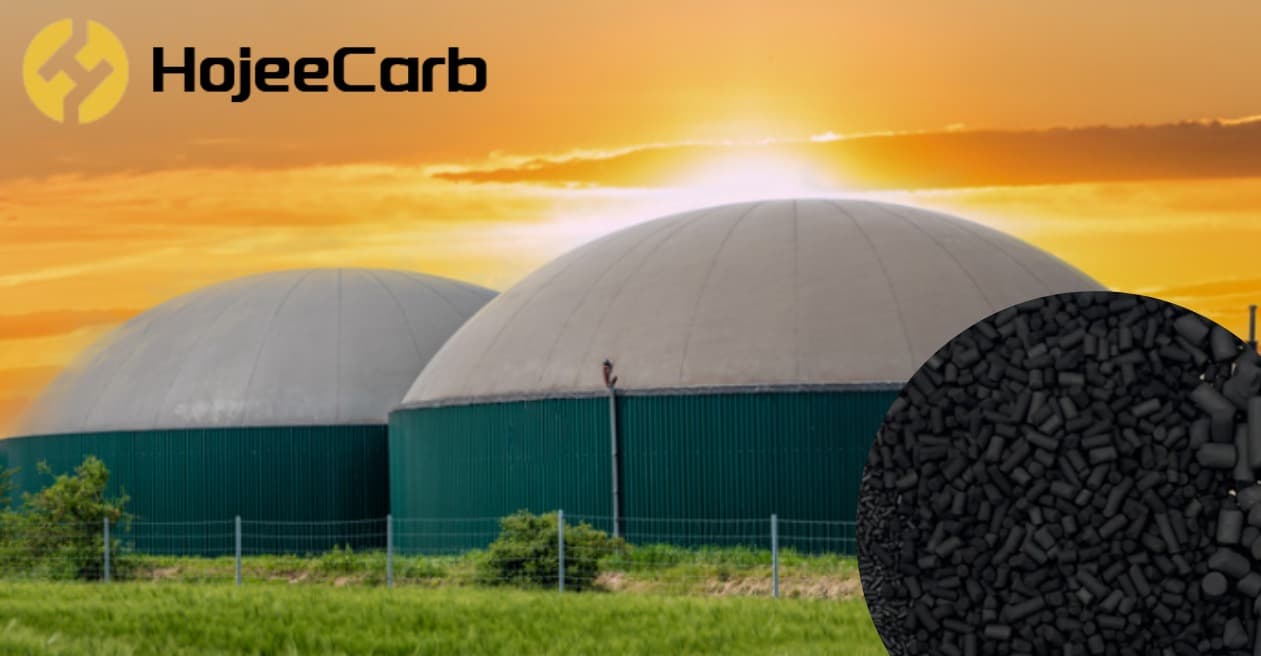
Order Summary
| Product | 4mm coal-based columnar activated carbon (non-impregnated) |
| CTC value | 60 (strong gas-phase adsorption capacity) |
| Diameter | 4mm cylindrical pellets |
| Quantity | 78 tons |
| Application | Biogas treatment — H₂S removal |
| Packaging | Jumbo bags (FIBC) on pallets |
| Destination | Jebel Ali, UAE |
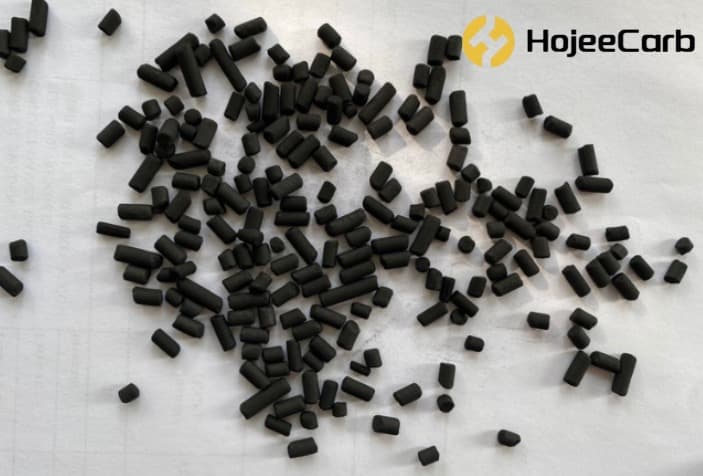
Columnar activated carbon is the standard choice for gas-phase work. The uniform 4mm pellet shape delivers low pressure drop and steady gas flow through the filter bed, while the coal base gives the developed pore structure needed to hold contaminants across long service cycles. A CTC 60 rating confirms the adsorption capacity to keep a biogas system running efficiently between changeouts.
Why No KOH Impregnation on This Order
A lot of biogas H₂S jobs reach for KOH-impregnated carbon by default. It isn't always necessary. Impregnation adds chemical cost and can complicate storage and disposal, so it should be matched to the actual gas, not applied out of habit. For a deeper breakdown of when each grade fits, see our impregnated activated carbon guide.
For this UAE plant, the H₂S load and the vessel setup made a non-impregnated CTC 60 grade the right call. The carbon removes H₂S through physical adsorption in its pore structure, and with a sensible lead-lag arrangement and scheduled changeouts, it holds the gas within spec without the added expense of a chemical coating. The customer gets clean gas at a lower cost per ton, which is what actually matters on an operating budget.
Why This Grade Matters for Biogas
Raw biogas carries hydrogen sulfide (H₂S), which is corrosive to engines, pipes, and downstream equipment. Left untreated, it shortens equipment life and drives up maintenance costs. Coal-based columnar activated carbon adsorbs H₂S effectively, protecting the plant and improving gas quality.
The 4mm columnar form with a CTC 60 value balances adsorption performance against the mechanical stability and low resistance a continuous biogas operation needs. In a Gulf climate, that hardness also matters during outdoor storage and high-temperature running — the pellets resist dusting and breakdown that would otherwise raise pressure drop over time.
Need activated carbon?
Get Factory-Direct Pricing — No Middlemen
20+ years manufacturing. MOQ 1 ton. Free samples. Reply within 2 hours.
Packing in Jumbo Bags for a Gulf-Bound Shipment
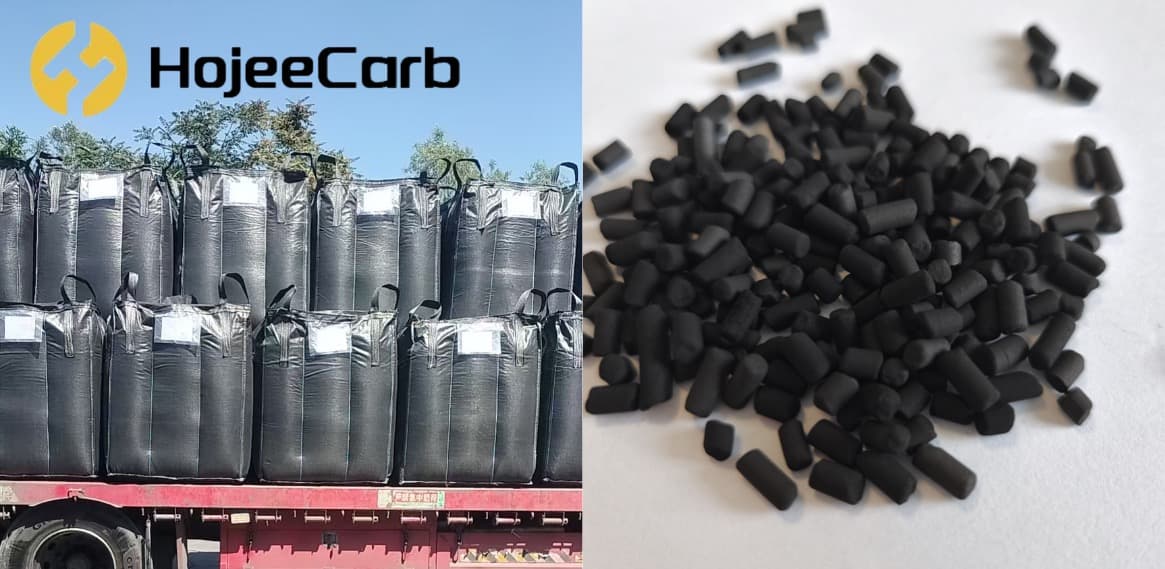
78 tons went out in jumbo bags (FIBC) on pallets. For a Gulf route and a working biogas plant, that packing choice does real work. Jumbo bags move fast with a forklift, drop straight onto a bed-loading rig, and cut the labor of handling hundreds of small sacks in desert heat. Palletizing keeps the carbon off the ground and clear of moisture during transit and yard storage.
Each bag was sealed against humidity — activated carbon will adsorb moisture from the air before it ever sees the gas stream, so keeping it dry through a hot, humid port transfer protects the working capacity the customer paid for.
Sampling and Testing Before Shipment
At 78 tons, quality can't be assumed — it has to be verified. Before the containers were sealed, representative samples were drawn from across the production lots and sent for laboratory testing. Key parameters checked included:
- CTC value — confirming adsorption capacity meets the 60 specification
- Particle size — verifying consistent 4mm pellet dimensions
- Moisture content — ensuring the customer pays for carbon, not water
- Hardness — confirming pellets withstand handling, transport, and service
- Ash content — checking purity for the application
Only batches within specification were cleared for packing, and every parameter was documented so the results could travel with the shipment and be cross-checked on arrival at Jebel Ali. If you want the full list of checks we run, see our activated carbon quality testing methods.
Documentation and Delivery Through Jebel Ali
The shipment left with a full set of paperwork: a certificate of analysis (COA), batch records, and test reports matching the delivered product. Jebel Ali is the main gateway for cargo into the UAE and the wider Gulf, so routing through it kept onward delivery to the plant straightforward. When 78 tons arrive at a biogas facility overseas, that documentation lets the customer confirm exactly what they received before it enters their process — no surprises, no guesswork.
This order is one of several grades we ship into the Emirates. For the full range, port options and transit times, see our activated carbon supplier UAE page.
Need Columnar Carbon for Your Biogas Plant?
Tell us your gas composition, H₂S level, and vessel dimensions. We'll tell you honestly whether you need impregnated or non-impregnated carbon, recommend the right grade, and send samples within 3 days.
Frequently Asked Questions
Do you need KOH-impregnated carbon for biogas H₂S removal?
Not always. When H₂S levels are moderate and the plant runs a lead-lag vessel setup with regular changeouts, non-impregnated coal-based columnar carbon handles desulfurization well through physical adsorption. KOH impregnation is worth the extra cost mainly at high H₂S loads or where bed volume is tightly constrained. This UAE shipment used a plain CTC 60 grade for exactly that reason.
What does CTC 60 mean in activated carbon?
CTC (carbon tetrachloride) value measures gas-phase adsorption capacity. A CTC of 60 indicates strong capacity, which is why this grade suits demanding gas applications like biogas H₂S removal.
Why choose 4mm columnar activated carbon for biogas in a hot climate?
The uniform 4mm cylindrical shape keeps pressure drop low and gas flow steady through the bed. In a Gulf climate, the mechanical hardness of coal-based columnar carbon also resists dust and breakdown during long outdoor storage and high-temperature operation.