
The key point
GAC adsorbs PFAS — it does not destroy them. Once the carbon is spent, PFAS are concentrated inside it, and the spent carbon must be either reactivated (which destroys PFAS at high temperature), sent to a permitted thermal destruction facility, or landfilled under strict controls. Each option carries a different cost, carbon footprint, and liability profile. Knowing which fits your project before you install a system is as important as choosing the right carbon grade.
Disposal Options at a Glance
Four routes exist for PFAS-laden spent GAC. Here is how they compare before we go into detail.
| Route | PFAS destroyed? | Approx. cost/ton | Carbon recovered? |
|---|---|---|---|
| Thermal reactivation | Yes (800–900 °C) | $600–$1,200 | Yes (~85–95%) |
| Hazardous waste incineration | Yes (if ≥1,100 °C) | $400–$800 | No |
| RCRA Subtitle C landfill | No (containment only) | $200–$500 | No |
| SCWO / emerging technologies | Yes (complete mineralization) | Not yet commercial | No |
Cost estimates are indicative ranges for US markets (2025–2026). Actual costs vary by volume, haul distance, contaminant classification and facility availability. Sources: industry operators, EPA 2026 Interim Guidance, and Water Online 2026.
Need PFAS removal GAC?
Get Factory-Direct Pricing — No Middlemen
20+ years manufacturing. MOQ 1 ton. Free samples. Reply within 2 hours.
Why Spent GAC Is Not Just a Solid Waste Problem
Spent activated carbon is usually treated as inert: saturated pores, diminished capacity, time to swap in a fresh charge. With standard organic contaminants that framing is largely correct. PFAS are different. The carbon–fluorine bond is among the strongest in organic chemistry, which is why perfluoroalkyl and polyfluoroalkyl substances resist biological and conventional chemical degradation. The molecules sit tightly in the micropores, and the bed you pull out is now a regulated, potentially hazardous load at roughly a thousand times the influent concentration.
That changes the downstream picture entirely. According to the EPA 2026 Interim Guidance on Destruction and Disposal of PFAS, spent carbon from PFAS water treatment is explicitly identified as a material requiring appropriate destruction or disposal management — and the guidance ranks technologies by their potential to minimize PFAS release to the environment. Landfilling, once the default, now sits at the bottom of that hierarchy.
Retroactively finding a destruction facility, or handling an unexpected hazardous-waste reclassification, is expensive and slow. The end-of-life pathway belongs in the system design, alongside grade and EBCT.
Route 1 — Thermal Reactivation: Destroys PFAS, Returns Usable Carbon
Thermal reactivation is the most sustainable and often the most cost-effective route for large, recurring volumes. Spent GAC is fed into a rotary kiln or multiple-hearth furnace operating at 800–900 °C in a controlled atmosphere. The process drives off moisture and volatiles, pyrolyzes heavier organics, and gasifies the carbonized residue out of the pore structure with steam — reopening internal surface area and restoring adsorption capacity. At these temperatures, PFAS are thermally degraded.
The EPA 2026 guidance confirms that "certain permitted GAC reactivation units operating under specified conditions can effectively destroy PFAS." The key qualifiers are "permitted" and "specified conditions" — not every reactivation kiln is rated for PFAS destruction, and verifying that the vendor's facility meets the applicable temperature and residence-time thresholds is the operator's responsibility before signing a reactivation contract.
Expect 5–15% mass loss per reactivation cycle, topped up with virgin makeup carbon. For our detailed breakdown of reactivation methods, costs and ROI, see the activated carbon regeneration ROI guide and the regeneration methods overview.
Case snapshot — 50,000 m³/day municipal plant, Southeast Asia
A municipal utility treating 50,000 m³/day switched from buying virgin GAC every change-out to a reactivation service contract in 2024. Annual carbon spend fell from $1.2M to $480K (−60%) while the plant held the same PFAS removal targets, because reactivated carbon returns 85–95% of the original mass with restored iodine number. Full numbers, break-even volume and the vendor checklist are in our regeneration ROI guide.
Scale matters: a smaller drinking-water plant we supplied in the same region cleared taste-and-odour complaints with a single 28-ton coconut shell GAC change-out and moved to a scheduled replacement cycle — at that volume, one change-out per cycle sits right at the 5–10 ton minimum most reactivation vendors require.
Route 2 — Hazardous Waste Incineration
When reactivation is not logistically viable — small volumes, remote locations, or carbon too degraded to recover value — incineration at a permitted hazardous waste combustor is the next option. The EPA guidance flags that incineration at facilities "operating under certain conditions" (primarily high temperature and adequate residence time) can effectively destroy PFAS. The practical benchmark used by many regulators is ≥1,100 °C with ≥2 seconds secondary chamber residence time, though the guidance emphasizes that uncertainties remain and recommends facilities conduct emissions testing before accepting large quantities of PFAS-containing materials.
Unlike reactivation, incineration destroys the carbon — no material is returned. It converts a PFAS problem into an emissions control and ash management problem, which is why the guidance continues to rank permitted hazardous waste combustors above municipal waste combustors (which operate at lower temperatures with more variable performance).
Route 3 — Landfill: The Cheapest Option, Not the Safest
Landfill disposal of spent PFAS-laden carbon is legal in most US states under current rules, but the regulatory ground is shifting. The 2026 EPA guidance states that "new information demonstrates landfilling could result in higher PFAS releases to the environment than previously thought in 2024" — particularly through leachate and landfill gas pathways. When landfill disposal is selected, the guidance recommends using RCRA Subtitle C hazardous waste landfills (the strictest category), which have engineered leachate collection and liner systems designed to minimize environmental release.
Several states have already moved ahead of federal rules. Massachusetts, Michigan, and others have imposed restrictions on landfilling PFAS-containing materials or are actively revising waste classification rules. Any operator planning to landfill spent GAC should verify current state requirements — and budget for the possibility that landfill acceptance criteria will tighten before the next bed exhaustion event.
At $200–$500 per ton, landfill is the cheapest disposal route. It is also the one most likely to generate future remediation liability, particularly if PFAS eventually appear in leachate downgradient from the landfill.
Route 4 — Emerging Technologies: SCWO, Electrochemical, Mechanochemical
A wave of new destruction technologies is targeting PFAS in spent adsorbents. Supercritical water oxidation (SCWO) — which 374Water has been actively commercializing for spent GAC and ion-exchange resins — reacts organics in water above its critical point (374 °C, 218 atm), breaking the C–F bond and achieving near-complete PFAS mineralization with no chimney emissions. Pilot data suggest costs could track below $1,000 per ton at commercial scale, but SCWO for spent carbon is not yet operating at full commercial capacity in the US as of late 2026.
Electrochemical oxidation, mechanochemical destruction (ball-milling with co-reactants), and photocatalytic systems are at earlier stages. The EPA 2026 guidance includes a technology evaluation framework to help decision-makers assess these newer approaches as data become available, and EPA is actively encouraging developers to publicly release validation data consistent with its "gold standard science" requirements.
For procurement decisions today, emerging destruction technologies are best tracked as future options rather than primary disposal routes — but specifying a GAC treatment system with a long contract term (10–20 years) warrants building in language that allows the operator to switch to a destruction pathway as these technologies mature commercially.
Who Owns the Liability for PFAS in Spent Carbon?
This is the question most frequently raised in procurement discussions — and the answer is usually straightforward, if uncomfortable for operators. Under US RCRA, waste generators carry cradle-to-grave responsibility. The water utility or industrial facility that operates the GAC treatment system is the generator of the spent carbon, which means it holds liability for proper characterization, manifesting, transport, and final disposal. The carbon supplier is not the generator and does not carry disposal liability simply by virtue of selling the GAC.
That said, contracts between operators and reactivation or disposal vendors should explicitly address: who holds the waste manifest, what happens if spent carbon is reclassified as hazardous after acceptance, and what the vendor's indemnification obligations are for any environmental release during processing. As PFAS regulations tighten, the legal exposure for inadequate spent-carbon management is increasing — the Superfund liability risk from PFAS-contaminated landfills is now being discussed in legal and insurance circles.
A supplier that can point you to certified reactivation partners and spell out the documentation requirements saves you that work at procurement stage.
Practical Recommendations for System Designers
Design for reactivation from day one. Size your vessel changeout schedule to align with a reactivation vendor's minimum volume requirement (typically 5–10 tons per event). Lead-lag vessel configurations let you pull one bed at a time without interrupting treatment.
Verify the reactivation facility handles PFAS-laden carbon. Not all rotary kilns are permitted for PFAS. Ask the vendor for documentation of operating temperature profiles and any EPA or state compliance letters for PFAS-containing waste streams.
Characterize spent carbon before disposal. Test a representative sample for PFAS concentration and hazard classification before deciding on the disposal route. State rules vary and are evolving — what is non-hazardous today may be reclassified.
Build disposal cost into lifecycle analysis. The GAC capital and operating cost number most commonly quoted does not include spent-carbon disposal. A realistic total cost of PFAS removal with GAC treatment needs to include $600–$1,200 per ton of reactivation cost, or equivalent, and factor the volume of carbon consumed per year at your flow rate and PFAS loading.
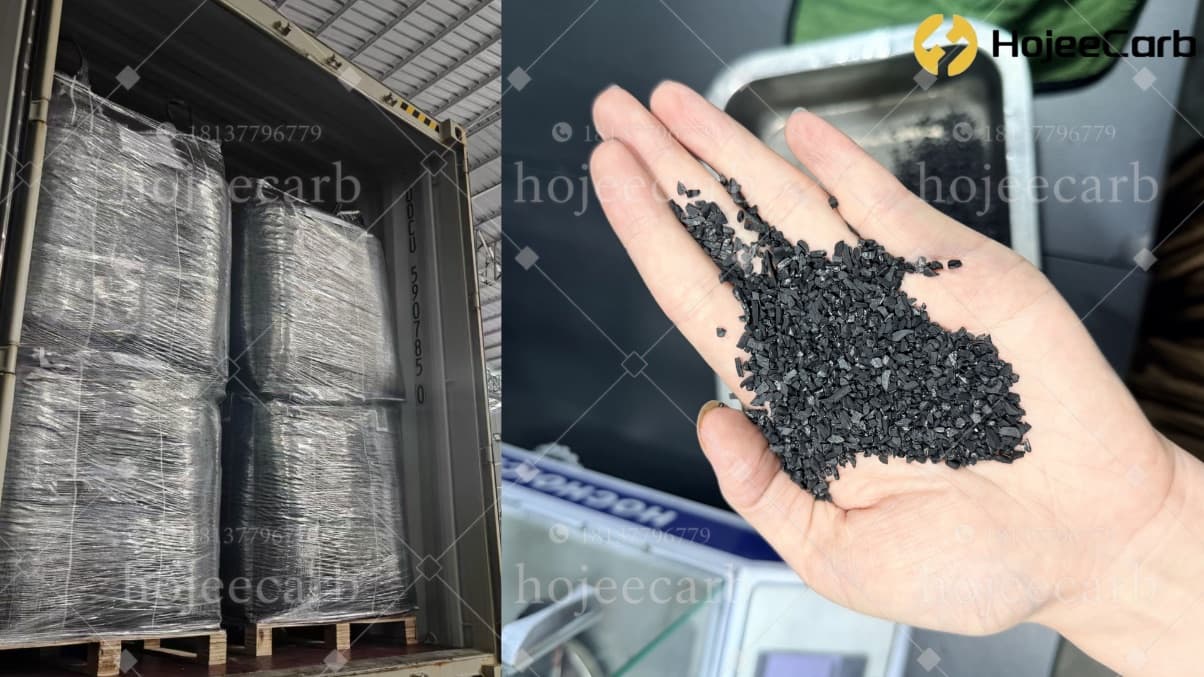
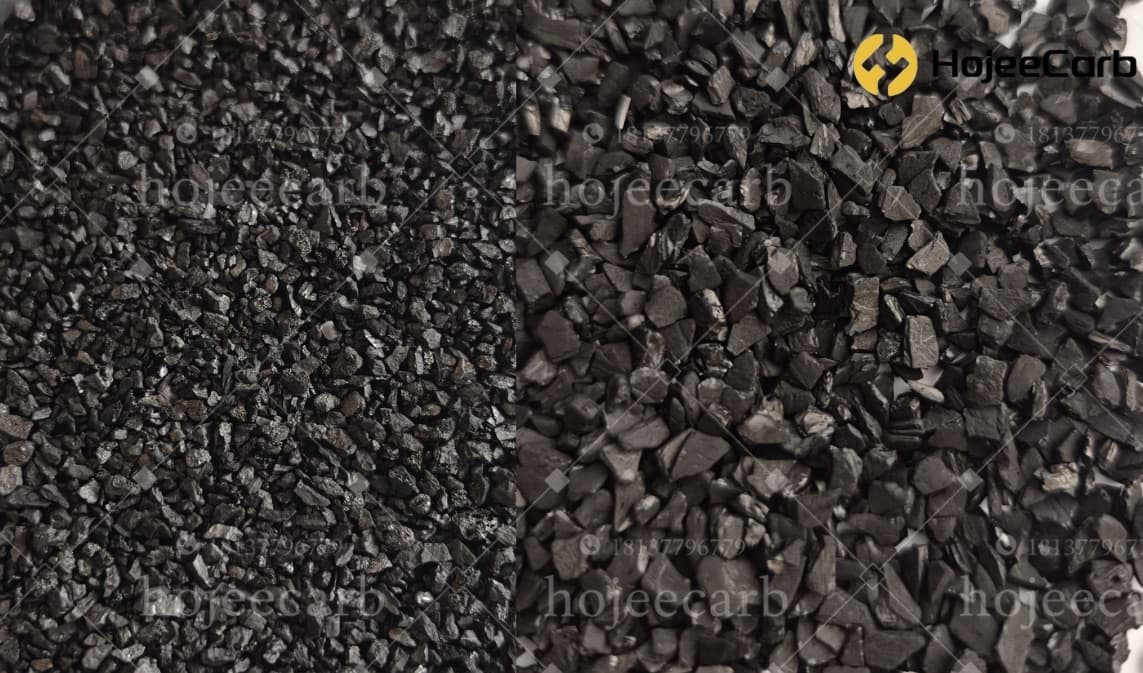
Choose high-hardness GAC to reduce fines generation. Carbon that produces excessive fines during operation and backwash creates additional disposal complications — fine particles are harder to handle and may require separate management. Coconut shell GAC with hardness ≥95% (ball-pan method, ASTM D3802) minimizes attrition loss and keeps the spent-carbon volume predictable.
Frequently Asked Questions
Is spent GAC that has adsorbed PFAS considered hazardous waste?
It depends on jurisdiction and contaminant load. Under US RCRA, most PFAS-laden GAC is currently classified as non-hazardous, but state rules vary — some states impose more stringent handling requirements. In the EU, spent carbon loaded with regulated substances typically follows hazardous waste handling protocols. Always characterize the spent material before choosing a disposal route.
Can PFAS-laden GAC be reactivated?
Yes. Thermal reactivation at 800–900 °C in a controlled rotary kiln or multiple-hearth furnace can destroy PFAS while restoring GAC capacity. The 2026 EPA Interim Guidance confirms that certain permitted GAC reactivation units operating under specified conditions can effectively destroy PFAS. Expect 5–15% mass loss per cycle, topped up with virgin carbon.
Who is legally liable for PFAS in spent GAC?
Liability depends on who generated the waste. Under US RCRA the generator is the responsible party from cradle to grave — the water utility or industrial operator who operates the GAC system, not the carbon supplier. EU waste legislation follows similar generator-liability principles. Contracts with reactivation or disposal vendors should include indemnification clauses and manifest documentation.
What does it cost to dispose of PFAS-laden spent GAC?
Landfill disposal runs roughly $200–$500 per ton. Thermal reactivation (which also destroys PFAS) costs $600–$1,200 per ton at specialized facilities, but returns usable carbon. High-temperature incineration at permitted hazardous waste combustors costs $400–$800 per ton. Emerging SCWO technology is not yet at commercial scale but is tracking below $1,000 per ton at pilot sites.
Is it better to reactivate or replace spent GAC used for PFAS?
For large recurring volumes (typically 5 tons or more per event), reactivation is usually more cost-effective and sustainable than buying virgin carbon every cycle. For small volumes, remote locations, or carbon heavily loaded with non-recoverable compounds, replacement with fresh virgin GAC and separate disposal of the spent material may be simpler.
Specifying GAC for a PFAS project?
We supply coconut shell and coal-based GAC for PFAS treatment trains — iodine ≥1,000 mg/g, 8×30 and 12×40 mesh, NSF/ANSI 61 available. Tell us your flow rate, compound list and target effluent limits and we'll recommend grade, EBCT and spent-carbon logistics options.
Request a QuoteRelated guides
Key sources cited