
Activated Carbon Regeneration Services: Cost Savings & ROI Calculator 2026
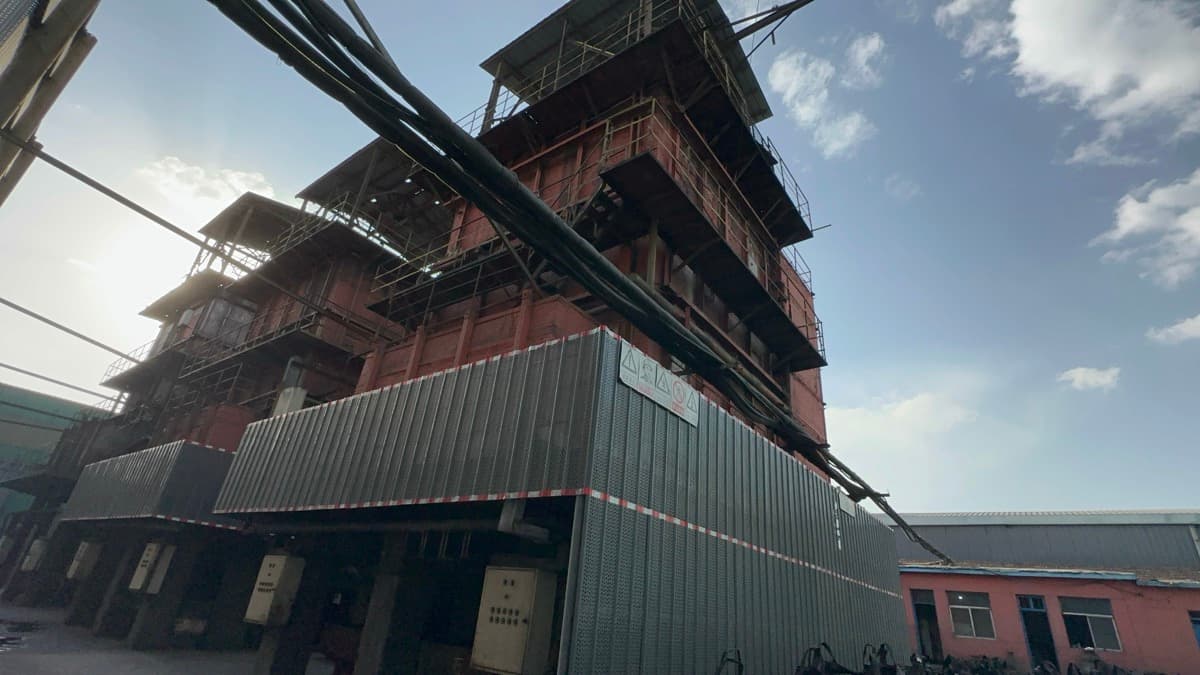
With coconut shell activated carbon prices surging 15-20% in 2025 (Jacobi Carbons) and supply chain constraints tightening, regeneration services have shifted from a cost-saving option to a strategic necessity. This guide breaks down the economics, technology, and vendor selection criteria for activated carbon reactivation in 2026.
Why Regeneration Matters Now: The 2026 Market Context
Three converging trends are making regeneration services critical:
- Raw Material Costs: Indonesian coconut shell carbon exports dropped in 2024, pushing prices up 15-20%. Coal-based carbon faces similar volatility due to geopolitical supply disruptions.
- Regulatory Pressure: EPA's PFAS rules and EU's updated Drinking Water Directive are driving multi-year GAC supply contracts. Utilities need cost-effective solutions to manage frequent carbon changeouts.
- ESG Mandates: Corporate sustainability goals favor circular economy approaches. Regeneration reduces Scope 3 emissions by 60-70% vs virgin carbon production.
Real-World Impact: A Southeast Asian client processing 50,000 m³/day of municipal water switched from virgin GAC to regeneration services in 2024. Annual carbon costs dropped from $1.2M to $480K—a 60% reduction—while meeting the same PFAS removal targets.
Regeneration vs Virgin Carbon: The True Cost Comparison
| Cost Factor | Virgin GAC | Regenerated GAC | Savings |
|---|---|---|---|
| Material Cost ($/kg) | $2.50-3.50 | $1.00-1.50 | 60% lower |
| Transportation (per cycle) | $0.30-0.50/kg | $0.15-0.25/kg | 50% lower |
| Disposal Cost | $0.40-0.80/kg | $0 (reused) | 100% eliminated |
| Carbon Footprint (kg CO₂/kg) | 4.5-6.0 | 1.5-2.0 | 67% reduction |
| Lifecycle (reactivations) | 1 use | 3-5 cycles | 3-5x lifespan |
Break-Even Analysis: For a 100-ton GAC system with quarterly changeouts, regeneration pays for itself after the second cycle. Total 5-year savings: $600K-900K.
Regeneration Technologies: Thermal vs Chemical vs Biological
1. Thermal Reactivation (Most Common)
How It Works: Spent carbon is heated to 800-900°C in a controlled atmosphere (steam + limited oxygen). Organic contaminants are volatilized and combusted, restoring 85-95% of original adsorption capacity.
Best For:
- Municipal water treatment (PFAS, pesticides, taste/odor compounds)
- Industrial wastewater (phenols, solvents, dyes)
- Gas-phase applications (VOCs, mercury)
Performance:
- Iodine number recovery: 90-95% of virgin carbon
- Methylene blue value: 85-90% recovery
- BET surface area: 900-1,050 m²/g (vs 1,000-1,100 m²/g virgin)
Industry Insight:
Calgon Carbon operates the largest thermal regeneration network in North America, with facilities in Pennsylvania, Louisiana, and Belgium. Their FILTRASORB® 400 GAC can be regenerated 3-5 times before performance drops below 80% of virgin capacity.
2. Chemical Reactivation
How It Works: Spent carbon is treated with acids (HCl, H₂SO₄), bases (NaOH), or oxidizers (H₂O₂) to desorb contaminants. Lower energy consumption than thermal, but limited to specific contaminant types.
Best For:
- Heavy metal removal (chromium, lead, mercury)
- Inorganic contaminants
- Low-temperature applications
Limitations:
- Only 60-70% capacity recovery
- Not effective for strongly adsorbed organics (PFAS, PAHs)
- Generates chemical waste requiring treatment
3. Biological Regeneration (Emerging)
How It Works: Microorganisms (bacteria, fungi) biodegrade adsorbed organics while carbon remains in service. Suitable for biodegradable contaminants in wastewater treatment.
Best For:
- Pharmaceutical wastewater
- Food processing effluent
- Brewery/distillery waste
Limitations:
- Slow regeneration rate (weeks vs hours for thermal)
- Requires specific microbial consortia
- Not suitable for toxic or recalcitrant compounds
ROI Calculator: When Does Regeneration Make Sense?
Use this decision framework to evaluate regeneration feasibility:
Scenario 1: Municipal Water Treatment (PFAS Removal)
- System Size: 200 tons GAC
- Changeout Frequency: Every 6 months
- Virgin Carbon Cost: $3.00/kg × 200,000 kg = $600,000/cycle
- Regeneration Cost: $1.20/kg × 200,000 kg = $240,000/cycle
- Annual Savings: ($600K - $240K) × 2 cycles = $720,000
- Payback Period: Immediate (no upfront investment for service model)
Scenario 2: Industrial Wastewater (Solvent Recovery)
- System Size: 50 tons GAC
- Changeout Frequency: Quarterly
- Virgin Carbon Cost: $2.80/kg × 50,000 kg = $140,000/cycle
- Regeneration Cost: $1.10/kg × 50,000 kg = $55,000/cycle
- Annual Savings: ($140K - $55K) × 4 cycles = $340,000
- Additional Benefit: Avoid $80K/year hazardous waste disposal fees
When Regeneration Doesn't Work:
- • Systems <10 tons (transportation costs negate savings)
- • Highly contaminated carbon (heavy metals, radioactive materials)
- • Single-use applications requiring virgin carbon certification
- • Remote locations >500 km from regeneration facility
Choosing a Regeneration Service Provider: 8 Critical Criteria
1. Facility Location & Logistics
Why It Matters: Transportation accounts for 15-25% of total regeneration cost. Regional facilities reduce carbon footprint and turnaround time.
What to Ask:
- Distance from your site to regeneration facility
- Availability of bulk transport (pneumatic trucks, rail)
- Turnaround time (industry standard: 2-4 weeks)
Need activated carbon?
Get Factory-Direct Pricing — No Middlemen
20+ years manufacturing. MOQ 1 ton. Free samples. Reply within 2 hours.
2. Furnace Technology & Capacity
Why It Matters: Rotary kiln furnaces offer better temperature control and higher throughput than multiple hearth furnaces.
What to Ask:
- Furnace type (rotary kiln, multiple hearth, fluidized bed)
- Annual capacity (tons/year)
- Temperature range (800-950°C optimal for most applications)
- Atmosphere control (steam injection, oxygen levels)
3. Quality Assurance & Testing
Why It Matters: Regenerated carbon must meet performance specs. Reputable vendors provide batch testing and certificates of analysis.
What to Ask:
- Iodine number testing (ASTM D4607)
- Methylene blue value (ASTM D4607)
- Particle size distribution (ASTM D2862)
- Ash content (ASTM D2866)
- BET surface area (optional, for high-performance applications)
4. Environmental Permits & Compliance
Why It Matters: Thermal regeneration generates emissions (CO₂, VOCs, particulates). Ensure vendor has air permits and pollution control equipment.
What to Ask:
- Air emission permits (EPA Title V or equivalent)
- Scrubber/afterburner systems for VOC destruction
- Wastewater treatment for quench water
- ISO 14001 environmental management certification
5. Contaminant Handling Capabilities
Why It Matters: Not all facilities can handle hazardous contaminants (mercury, PFAS, radioactive materials).
What to Ask:
- Accepted contaminant types (organics, inorganics, heavy metals)
- Prohibited materials (PCBs, dioxins, radioactive waste)
- Pre-treatment requirements (dewatering, screening)
- RCRA permit status (for hazardous waste)
6. Service Model & Pricing
Why It Matters: Vendors offer different models—per-pound pricing, exchange programs, or full-service contracts.
What to Ask:
- Pricing structure ($/kg, $/ton, or flat fee)
- Minimum order quantity (typically 5-10 tons)
- Exchange program availability (swap spent for regenerated carbon)
- Long-term contract discounts (10-20% for multi-year agreements)
7. Performance Guarantee
Why It Matters: Regenerated carbon should meet 85-95% of virgin carbon performance. Get it in writing.
What to Ask:
- Guaranteed iodine number (e.g., ≥950 mg/g for coconut shell GAC)
- Replacement policy if specs not met
- Performance warranty period (typically 6-12 months)
8. References & Track Record
Why It Matters: Regeneration is a specialized service. Work with proven vendors.
What to Ask:
- Years in business (look for 10+ years)
- Client references in your industry (municipal, industrial, etc.)
- Case studies with performance data
- Industry certifications (NSF/ANSI 61 for drinking water applications)
Top Regeneration Service Providers (2026)
1. Calgon Carbon (Kuraray)
- Locations: Pennsylvania (USA), Louisiana (USA), Belgium, Japan
- Capacity: 150,000+ tons/year (largest in North America)
- Specialty: Municipal water treatment, PFAS removal
- Notable: Operates exchange program—swap spent GAC for regenerated carbon with 2-week turnaround
2. Jacobi Carbons
- Locations: Sweden, France, Italy, China, Sri Lanka
- Capacity: 100,000+ tons/year
- Specialty: Coconut shell and coal-based GAC, biogas purification
- Notable: Expanding regional regeneration centers to reduce transportation emissions
3. Cabot Norit
- Locations: Netherlands, USA
- Capacity: 80,000+ tons/year
- Specialty: Pharmaceutical-grade carbon, food/beverage applications
- Notable: Offers chemical reactivation for heavy metal-contaminated carbon
4. Carbon Activated Corporation
- Locations: California (USA)
- Capacity: 30,000 tons/year
- Specialty: Industrial wastewater, solvent recovery
- Notable: Fast turnaround (7-10 days) for West Coast clients
Operational Best Practices: Maximizing Regeneration Cycles
1. Pre-Treatment to Extend Carbon Life
- Screening: Remove suspended solids (TSS <50 mg/L) to prevent pore plugging
- pH Adjustment: Maintain pH 6-8 to minimize carbon degradation
- Chlorine Removal: Dechlorinate feed water (free chlorine <0.5 mg/L) to prevent oxidative damage
2. Monitoring Breakthrough
- Effluent Testing: Monitor target contaminants weekly (PFAS, TOC, color)
- Breakthrough Curve: Replace carbon when effluent reaches 50% of influent concentration
- Early Changeout: Don't wait for complete exhaustion—regeneration works best on partially spent carbon
3. Proper Storage & Handling
- Dewatering: Drain carbon to <50% moisture before shipment (reduces weight and cost)
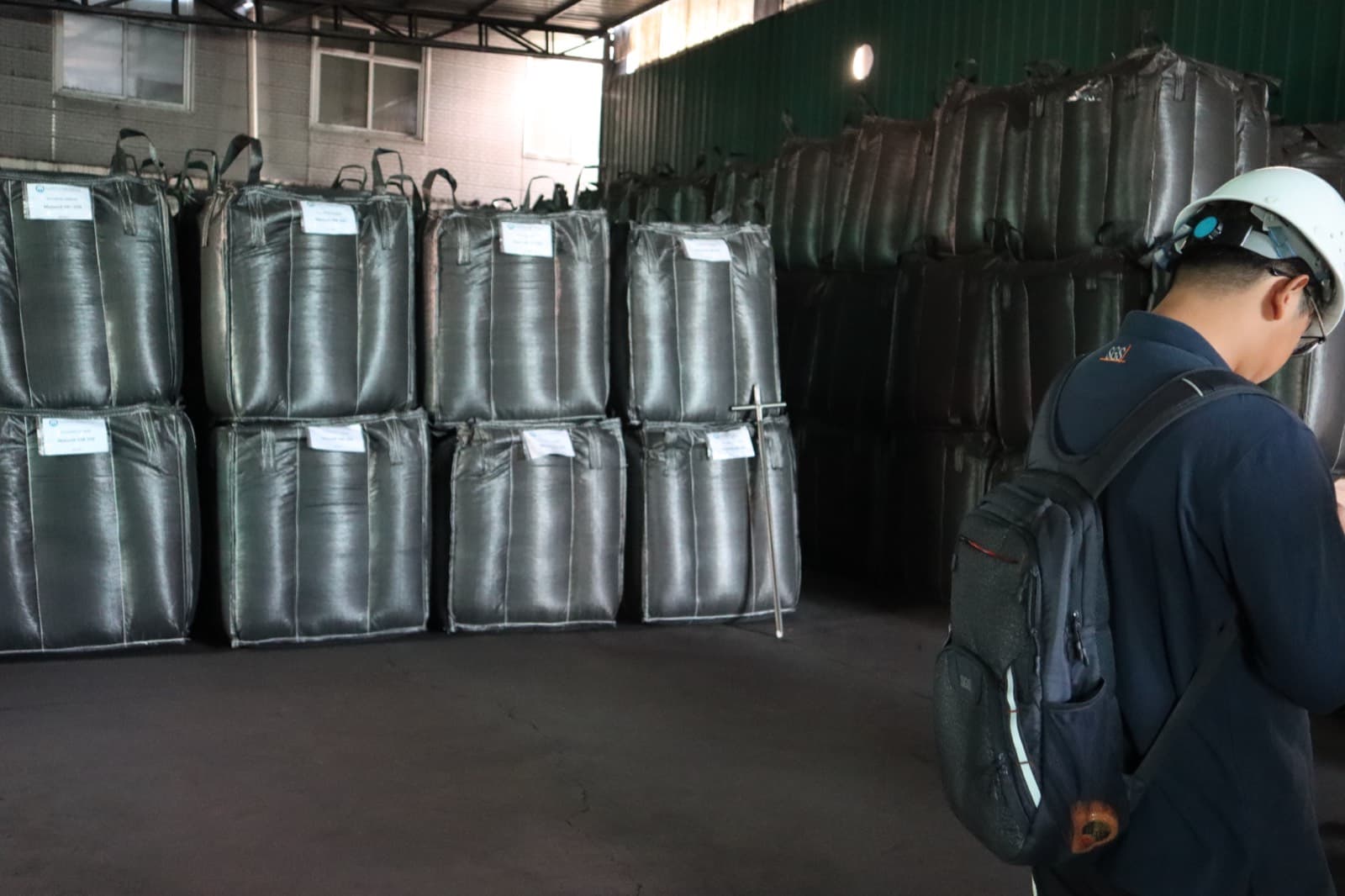
- Containerization: Use sealed drums or bulk bags to prevent contamination
- Labeling: Document contaminant type, concentration, and contact time for vendor
Regulatory Considerations: NSF/ANSI 61 & Drinking Water Compliance
For municipal water treatment, regenerated carbon must meet NSF/ANSI Standard 61 (Drinking Water System Components—Health Effects). Key requirements:
- Leachate Testing: Regenerated carbon must not leach contaminants (heavy metals, organics) above EPA MCLs
- Certification: Vendor must provide NSF certification for each batch
- Traceability: Chain of custody documentation from spent carbon pickup to regenerated carbon delivery
Case Study: Midwest Water Utility Saves $1.2M with Regeneration
A 120 MGD water treatment plant in Illinois switched to Calgon Carbon's regeneration service in 2023 to address PFAS contamination. The plant operates four 50-ton GAC contactors with 6-month changeout cycles.
Results:
- • Annual carbon cost: $1.6M (virgin) → $640K (regenerated) = 60% savings
- • PFAS removal: 99.5% (virgin) vs 98.8% (regenerated) = equivalent performance
- • Carbon footprint: 1,200 tons CO₂/year → 400 tons CO₂/year = 67% reduction
- • Payback: Immediate (no upfront investment)
Future Trends: On-Site Regeneration & Mobile Units
Emerging technologies are making regeneration more accessible:
1. Mobile Regeneration Units
Vendors like Jacobi and Cabot are deploying truck-mounted thermal regeneration systems for remote sites. Benefits:
- No transportation cost (unit comes to you)
- Faster turnaround (24-48 hours)
- Suitable for 5-20 ton systems
2. Electrochemical Regeneration
Pilot projects in Europe are testing low-temperature electrochemical reactivation. Advantages:
- Energy consumption 50% lower than thermal
- No air emissions
- Suitable for PFAS-contaminated carbon
Status: Lab-scale only; commercial deployment expected 2027-2028.
3. AI-Optimized Regeneration
Machine learning models are being developed to predict optimal regeneration parameters (temperature, residence time, steam flow) based on contaminant profile. Early trials show 10-15% improvement in capacity recovery.
FAQ: Activated Carbon Regeneration Services
How many times can activated carbon be regenerated?
Granular activated carbon (GAC) can typically be regenerated 3-5 times before performance drops below 80% of virgin capacity. Coconut shell carbon tends to withstand more cycles than coal-based carbon due to its harder structure. After 5 cycles, carbon loss (attrition) and pore structure degradation make further regeneration uneconomical.
What is the cost difference between virgin and regenerated activated carbon?
Regenerated GAC costs $1.00-1.50/kg vs $2.50-3.50/kg for virgin carbon—a 40-60% savings. Total lifecycle cost (including transportation and disposal) favors regeneration by 50-70% for systems >10 tons with regular changeout cycles.
Can powdered activated carbon (PAC) be regenerated?
PAC regeneration is technically possible but rarely economical. The fine particle size (<200 mesh) makes handling and thermal processing difficult, with high carbon loss (20-30%) during regeneration. Most facilities only regenerate GAC (8×30 mesh or larger).
Is regenerated carbon safe for drinking water applications?
Yes, when properly processed and certified. Regenerated carbon used in drinking water systems must meet NSF/ANSI Standard 61 for health effects. Reputable vendors provide batch-specific certification and leachate testing to ensure compliance with EPA Maximum Contaminant Levels (MCLs).
How long does the regeneration process take?
Typical turnaround time is 2-4 weeks from spent carbon pickup to regenerated carbon delivery. This includes transportation (3-7 days), thermal reactivation (8-12 hours furnace time + cooling), quality testing (2-3 days), and return shipping. Express service (7-10 days) is available at premium pricing.
Conclusion: Making the Switch to Regeneration Services
With activated carbon prices at historic highs and supply chains under pressure, regeneration services offer a proven path to cost savings, sustainability, and operational resilience. The economics are compelling: 40-60% cost reduction, 3-5x carbon lifespan extension, and 67% lower carbon footprint.
Action Steps:
- Assess Feasibility: Calculate your annual carbon consumption and changeout frequency. Systems >10 tons with quarterly or more frequent changeouts are ideal candidates.
- Request Quotes: Contact 2-3 regeneration vendors for pricing and service terms. Ask for references in your industry.
- Run a Pilot: Start with one contactor or filter vessel. Compare regenerated carbon performance against virgin carbon over 6-12 months.
- Negotiate Long-Term Contracts: Lock in pricing with multi-year agreements (10-20% discounts typical).
- Monitor Performance: Track iodine number, breakthrough curves, and effluent quality to ensure regenerated carbon meets specs.
As a 15+ year activated carbon manufacturer, we've seen firsthand how regeneration transforms operational economics for water treatment plants and industrial facilities. The technology is mature, the vendors are reliable, and the ROI is immediate.
Need Help Evaluating Regeneration Services?
Our technical team can assess your system, recommend regeneration-compatible carbon grades, and connect you with certified service providers in your region.
Request Free Regeneration Feasibility Analysis