
Case Study
28 Tons of Coconut Shell GAC for a Municipal Drinking-Water Plant
When a municipal water utility starts fielding taste-and-odor complaints, the clock is already running. Residents notice, regulators ask questions, and the fix has to work the first time. Here is how one drinking-water plant in Southeast Asia solved the problem with a single carbon change-out — and what we shipped to get them there.
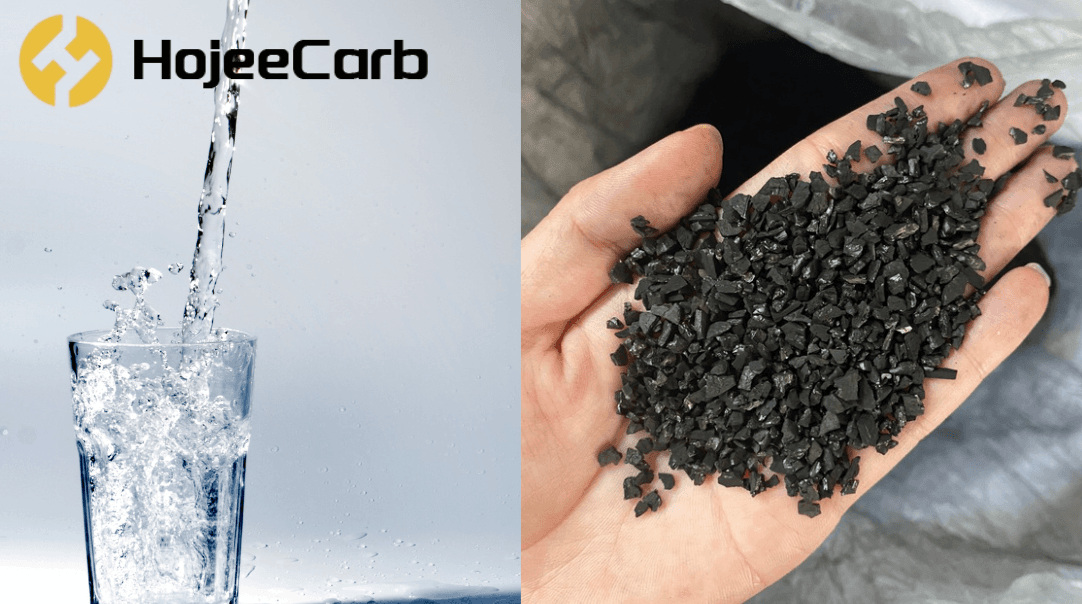
The Problem: Rising Taste-and-Odor Complaints
The utility runs conventional treatment — coagulation, sedimentation, filtration — followed by granular activated carbon (GAC) beds for polishing. Over time, the carbon in those beds had exhausted its adsorption capacity, and seasonal changes in the raw water pushed taste-and-odor compounds (mainly geosmin and MIB) past the point the aging carbon could handle.
The symptom was an earthy, musty taste in the finished water. The root cause was simple: the GAC had reached the end of its service life and needed replacing. What mattered was replacing it with the right carbon, not just any carbon.
Why Coconut Shell GAC
For drinking water polishing, three properties decide performance:
- High iodine number for strong adsorption of dissolved organics and taste-and-odor compounds.
- Low ash content so the carbon doesn't leach impurities back into finished water.
- High hardness so the bed resists attrition under repeated backwashing and doesn't shed fines into the distribution system.
Coconut shell GAC leads on all three. Its dense micropore structure is ideal for the small organic molecules behind taste and odor, and its hardness (typically ≥98%) far exceeds coal-based alternatives — which matters for a bed that gets backwashed regularly.
What We Shipped
| Item | Detail |
|---|---|
| Product | Coconut shell granular activated carbon (GAC) |
| Mesh Size | 8×30 |
| Iodine Number | 1,100 mg/g |
| Hardness | ≥98% |
| Ash Content | ≤3% |
| Volume | 28 tons |
| Packaging | 25 kg bags on shrink-wrapped pallets |
| Documentation | COA per batch + SGS pre-shipment inspection |
Need activated carbon?
Get Factory-Direct Pricing — No Middlemen
20+ years manufacturing. MOQ 1 ton. Free samples. Reply within 2 hours.
The Process: Sample First, Then Scale
The utility did what every careful buyer should do — they tested before they committed. We sent a free sample with a full Certificate of Analysis, and their lab ran it against their raw water to confirm the adsorption performance and check that the carbon met their finished-water quality targets.
Once the sample passed, the 28-ton order was confirmed, produced, and shipped within the agreed lead time. Every batch shipped with its own COA, and an SGS pre-shipment inspection gave the utility third-party confirmation of the specs before the container left port. For the parameters that matter most when comparing carbons, see our activated carbon quality testing guide.
The Result
After the bed change-out, the taste-and-odor complaints cleared. The plant now runs on a scheduled carbon replacement cycle rather than waiting for complaints to signal exhaustion — a shift from reactive to planned maintenance that protects both water quality and public trust.
The utility has since become a repeat customer, ordering replacement carbon on a predictable schedule.
Sourcing Carbon for a Municipal Water Plant?
If you run a municipal or industrial water plant and need reliable GAC with a COA on every batch, we ship factory-direct with free samples for lab validation before you commit. Tell us your raw water profile and target contaminants, and we'll recommend the right grade.
Frequently Asked Questions
Why is coconut shell GAC preferred for municipal drinking water?
Coconut shell granular activated carbon combines a high iodine number for strong adsorption of dissolved organics, low ash content so it doesn't leach impurities into finished water, and high hardness (typically ≥98%) so the bed resists attrition under repeated backwashing. Its dense micropore structure is especially effective on the small organic molecules behind taste-and-odor compounds like geosmin and MIB.
What causes taste and odor in municipal drinking water?
The most common causes are geosmin and 2-methylisoborneol (MIB), naturally occurring compounds released by algae and bacteria in source water. They produce an earthy, musty taste detectable at extremely low concentrations. Granular activated carbon adsorbs these compounds effectively, which is why GAC polishing beds are standard in municipal treatment.
How do you know when to replace GAC in a water filter bed?
Carbon reaches the end of its service life when adsorption capacity is exhausted — often signaled by rising taste-and-odor complaints or breakthrough of target contaminants in finished-water testing. Best practice is a scheduled replacement cycle based on throughput and monitoring rather than waiting for complaints, which shifts maintenance from reactive to planned.
Do you provide samples and a COA before a bulk carbon order?
Yes. We send a free sample with a full Certificate of Analysis so your lab can validate adsorption performance against your raw water before committing. Every production batch in the bulk order then ships with its own COA, and third-party pre-shipment inspection (SGS or equivalent) is available on request.