
In This Guide
Southeast Asia is one of the fastest-growing markets for activated carbon. Water treatment upgrades, gold mining operations, palm oil refining, and tighter environmental regulations are all driving demand across the region.
We ship activated carbon to SE Asia every month — Malaysia, Philippines, Indonesia, Thailand, Vietnam. This guide covers what you need to know before placing an order: pricing, shipping logistics, import duties, and how to avoid common sourcing mistakes.
Why Southeast Asia Is Buying More Activated Carbon
Five factors are pushing activated carbon demand across the region:
- Municipal water treatment expansion. Countries like Vietnam and Philippines are investing heavily in clean water infrastructure. Activated carbon is the standard media for removing chlorine, organics, and taste/odor compounds.
- Gold mining in Philippines and Indonesia. Both countries have active CIP/CIL gold recovery operations that consume large volumes of coconut shell activated carbon (6x12 mesh, high hardness).
- Palm oil refining in Malaysia and Indonesia. Powdered activated carbon (PAC) is used for decolorization in edible oil processing. Malaysia alone processes over 20 million tons of palm oil annually.
- Biogas and RNG projects. Thailand and Indonesia are building biogas plants that need activated carbon for H₂S and siloxane removal. This is a newer but fast-growing segment.
- Stricter environmental regulations. Industrial wastewater discharge standards are tightening across ASEAN. More factories need activated carbon filtration to meet compliance.
Southeast Asia Activated Carbon Market Overview
Here is a quick snapshot of the six main SE Asian markets for activated carbon:
| Country | Key Applications | Main Ports | Import Duty (MFN) | ACFTA Rate |
|---|---|---|---|---|
| Malaysia | Water treatment, palm oil, gold recovery | Port Klang, Penang | 0% | 0% |
| Philippines | Gold mining (CIP/CIL), water treatment | Manila, Cebu | 1–3% | 0% |
| Indonesia | Palm oil, gold mining, water treatment | Jakarta (Tanjung Priok), Surabaya | 5% | 0% |
| Thailand | Water treatment, biogas, food & beverage | Laem Chabang, Bangkok | 5% | 0% |
| Vietnam | Water treatment, industrial wastewater | Ho Chi Minh (Cat Lai), Hai Phong | 3% | 0% |
| Singapore | Water treatment, petrochemical, re-export hub | Singapore Port | 0% | 0% |
The ACFTA column is the key number. With a Form E Certificate of Origin, you pay 0% import duty on activated carbon from China to any ASEAN country. More on that in the duties section below.
China vs Local Suppliers: Price & Quality Comparison
Most activated carbon used in Southeast Asia comes from China. Here is why — and when local sourcing makes more sense:
| Factor | China Factory Direct | Local SE Asia Distributor | India Supplier |
|---|---|---|---|
| Coconut Shell GAC Price | $2,900–4,500/ton FOB | $3,600–5,500/ton | $3,000–4,800/ton FOB |
| Coal-Based GAC Price | $450–1,550/ton FOB | $900–2,000/ton | $600–1,700/ton FOB |
| Lead Time | 7–15 days production + 5–12 days shipping | 1–5 days (from stock) | 10–20 days production + 10–18 days shipping |
| MOQ | 1 FCL (20 tons), LCL from 1 ton | 500 kg – 1 ton | 5–10 tons |
| Certifications | ISO 9001, NSF 61, HALAL, SGS | Varies widely | ISO 9001, BIS |
| Best For | Bulk orders, cost-sensitive projects | Urgent small orders, local support | Coconut shell carbon (Sri Lanka origin) |
The price gap is significant. Buying factory direct from China saves 20–40% compared to local distributors, who are often reselling Chinese carbon anyway. For a 20-ton order of coconut shell GAC, that is $12,000–20,000 in savings.
Local distributors make sense when you need small quantities fast — say, 500 kg for an emergency filter change. For planned purchases of 5+ tons, going direct to the manufacturer is almost always the better deal. See our activated carbon price guide for detailed pricing by product type.
Need Activated Carbon Shipped to Southeast Asia?
Tell us your product specs, quantity, and destination port. We will send you a quote with FOB and CIF pricing within 24 hours.
Get a Quote →Shipping to Southeast Asia from China
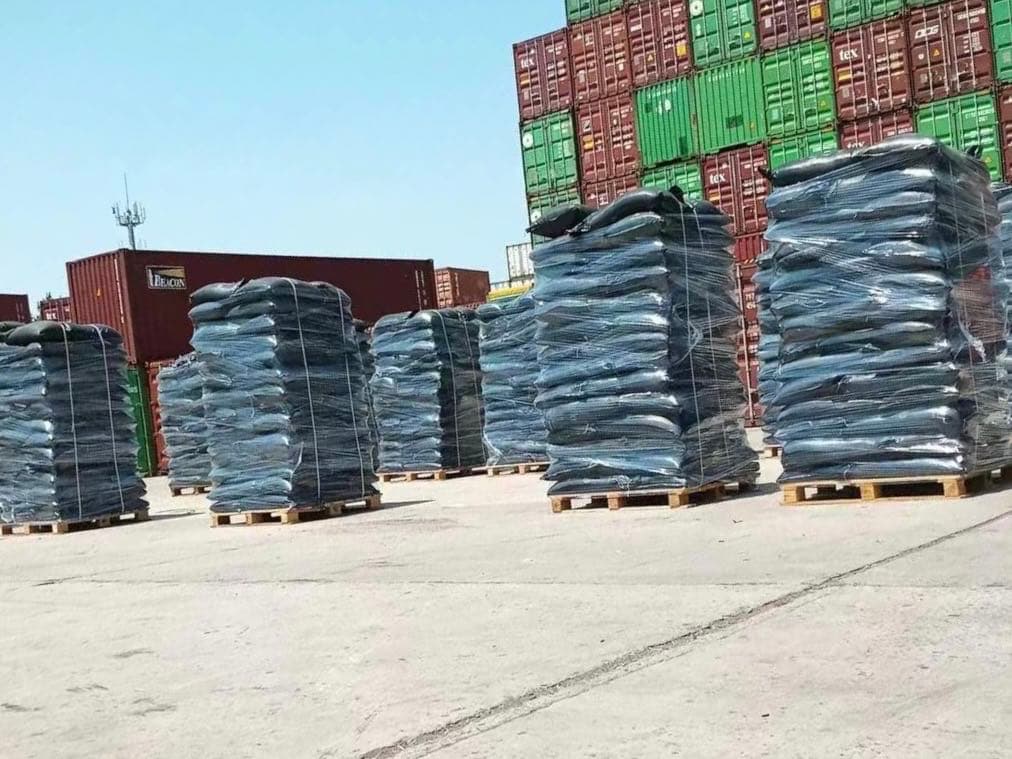
Southeast Asia is one of the easiest regions to ship to from China. Short distances, frequent sailings, and well-established trade routes keep costs low.
Port-to-Port Routes & Transit Times
| Origin Port (China) | Destination Port | Transit Time | Sailing Frequency |
|---|---|---|---|
| Ningbo / Shanghai | Port Klang, Malaysia | 5–7 days | Daily |
| Ningbo / Shanghai | Manila, Philippines | 7–10 days | 3–5x/week |
| Ningbo / Shanghai | Jakarta (Tanjung Priok), Indonesia | 7–10 days | 3–5x/week |
| Ningbo / Shanghai | Laem Chabang, Thailand | 5–8 days | Daily |
| Ningbo / Shanghai | Ho Chi Minh (Cat Lai), Vietnam | 5–7 days | Daily |
| Ningbo / Shanghai | Singapore | 5–7 days | Daily |
Container Options & Costs
- 20ft FCL: Fits 20–22 tons of activated carbon (in 25 kg bags on pallets or 500 kg jumbo bags). This is the standard order size.
- 40ft FCL: Fits 24–26 tons. Used for lighter products like pelletized carbon or when you need more volume.
- LCL (Less than Container Load): Available for 1–10 ton orders. Costs more per ton but good for trial orders.
Ocean freight from China to SE Asia ports runs $800–1,500 per 20ft container depending on the route and season. That works out to roughly $40–75 per ton — a fraction of the product cost.
Required Shipping Documents
- Bill of Lading (B/L) — issued by the shipping line
- Commercial Invoice — with FOB/CIF value, HS code, product description
- Packing List — bag count, net/gross weight, container number
- Certificate of Analysis (COA) — batch-specific test results (iodine number, moisture, ash, mesh size)
- MSDS / SDS — Material Safety Data Sheet for activated carbon
- Certificate of Origin (Form E) — for ACFTA preferential duty rate
We prepare all documents and send scans within 3 days of shipment. Originals go by courier (DHL/FedEx, 3–5 days to SE Asia). For more on the import process, see our bulk import guide.
Import Duties & Regulations by Country
Activated carbon falls under HS Code 3802.10 in most countries. The good news: under the ASEAN-China Free Trade Agreement (ACFTA), the import duty drops to 0% for all ASEAN member states — as long as you have a Form E certificate.
What Is Form E?
Form E is the Certificate of Origin issued under ACFTA. It proves the goods originate from China and qualifies them for preferential (zero) duty. We apply for Form E from the local Chamber of Commerce before each shipment. It takes 2–3 working days to issue.
Country-by-Country Duty Breakdown
| Country | MFN Duty (without Form E) | ACFTA Duty (with Form E) | VAT / GST | Notes |
|---|---|---|---|---|
| Malaysia | 0% | 0% | SST 10% | No import license needed for AC |
| Philippines | 1–3% | 0% | VAT 12% | May need Bureau of Customs clearance |
| Indonesia | 5% | 0% | VAT 11% | API-U import license required |
| Thailand | 5% | 0% | VAT 7% | Straightforward customs process |
| Vietnam | 3% | 0% | VAT 8% | Chemical import registration may apply |
| Singapore | 0% | 0% | GST 9% | Free port, minimal restrictions |
The savings from Form E are real. On a 20-ton shipment of coconut shell GAC worth $30,000, a 5% duty in Indonesia would cost you $1,500. With Form E, that drops to zero. We include Form E with every ASEAN shipment at no extra charge.
For a deeper dive into HS codes and tariff schedules, check our import tariffs guide.
How to Choose the Right Activated Carbon Supplier
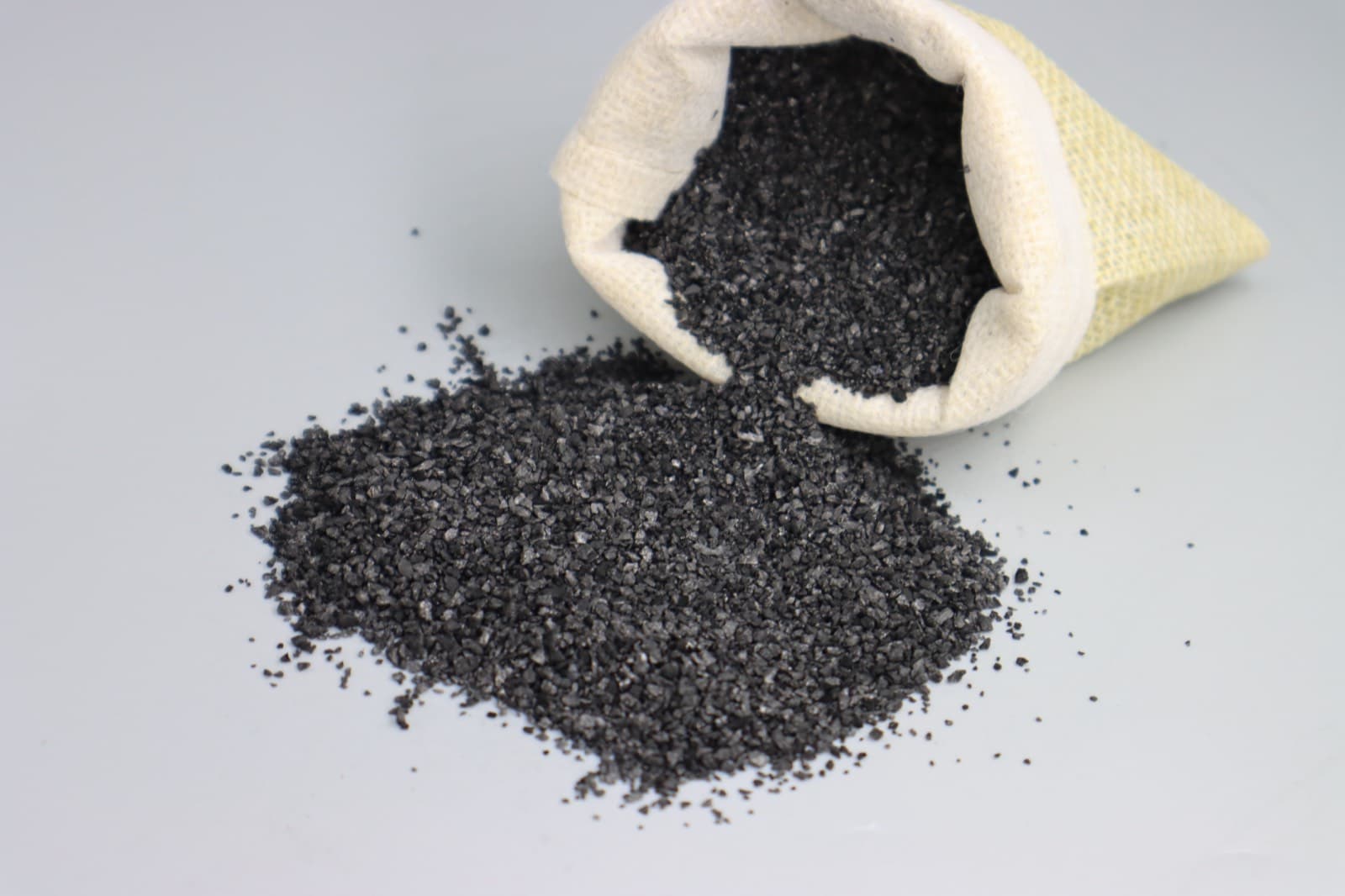
Not all Chinese activated carbon suppliers are the same. Here are the five things we recommend checking before you commit to a supplier:
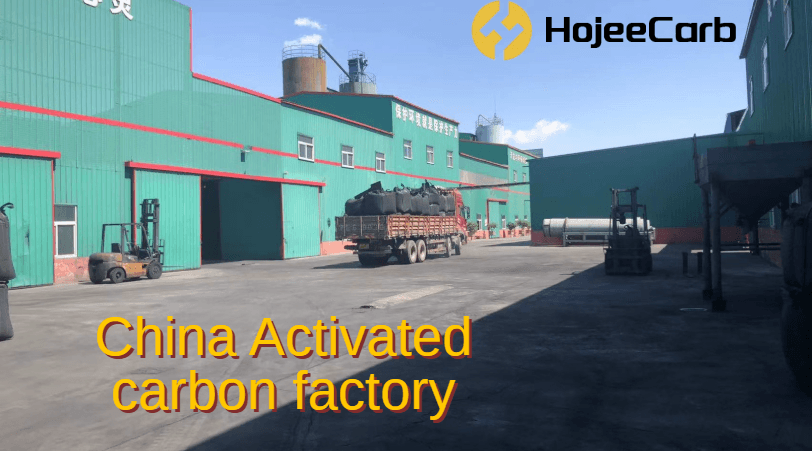
- Factory audit or video tour. Ask for a live video call showing the production line, raw material storage, and quality lab. Any serious manufacturer will agree. If they refuse, move on.
- Batch-specific COA. A generic spec sheet is not enough. You need a Certificate of Analysis for the actual batch being shipped — with iodine number, moisture content, ash content, particle size distribution, and hardness.
- Sample testing. Always test samples in your own lab or application before ordering in bulk. A good supplier sends free samples and does not pressure you to skip this step.
- MOQ flexibility. Can they do LCL for your first order? Will they mix products in one container? Rigid MOQ policies often mean the supplier is a trader, not a manufacturer.
- After-sales support. What happens if the product does not meet spec? A reliable supplier offers replacement or credit — and has a track record of doing so.
Red Flags to Watch For
- Prices that are 30%+ below market — usually means lower quality raw materials or inflated specs on the COA
- No factory photos or video — they are likely a trading company
- Refusing to send samples before bulk order
- COA numbers that are identical across different batches
- No Form E capability — means they cannot handle ACFTA documentation
We have a detailed guide on how to choose an activated carbon supplier if you want to go deeper on this topic.
Our Shipping Track Record to Southeast Asia
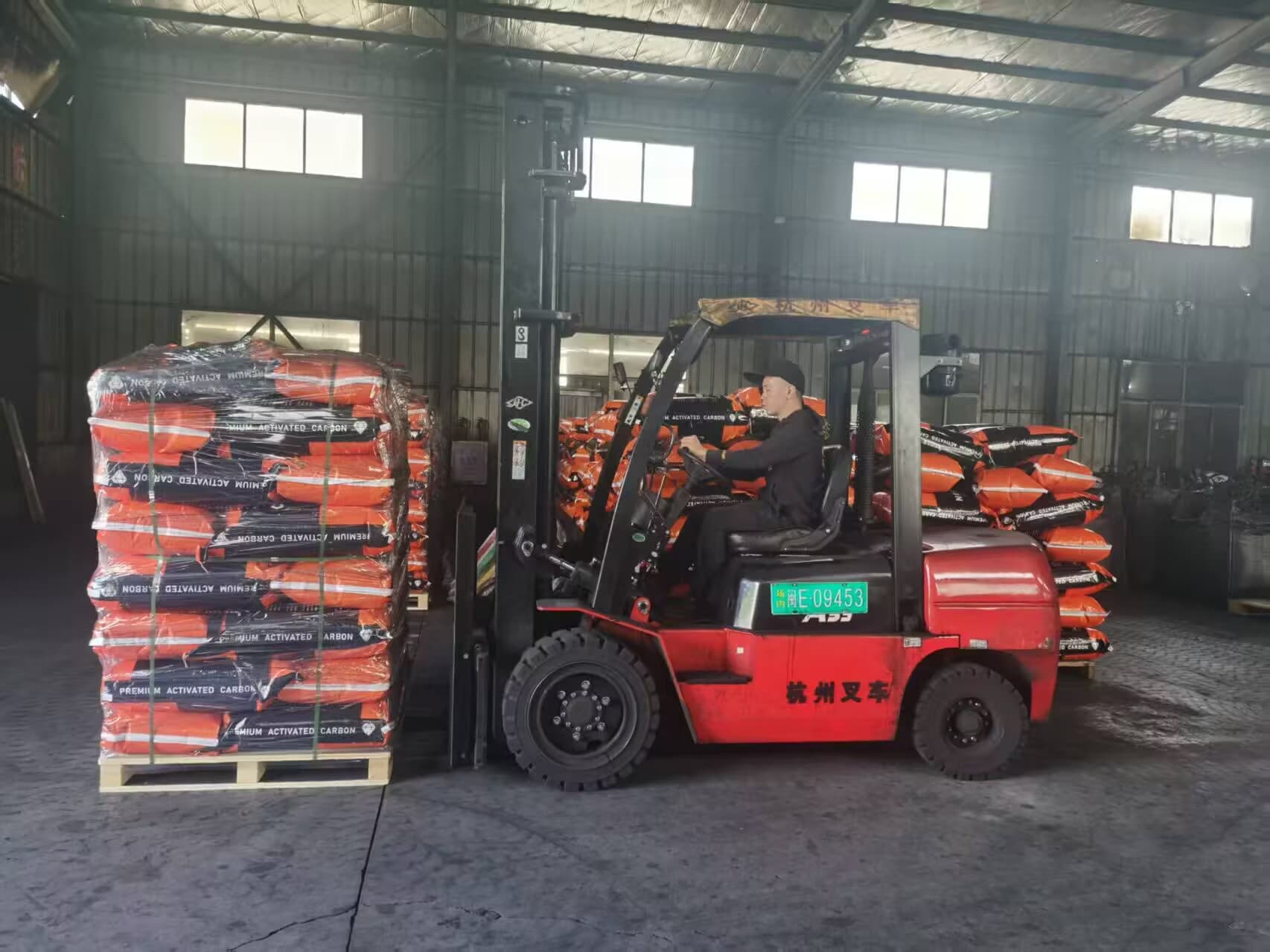
We have been shipping activated carbon to Southeast Asia for years. Our regular SE Asia customers include water treatment plants, gold mining operations, and industrial filtration companies across the region.
Products we commonly ship to SE Asia:
- Coconut shell GAC — 8x30, 12x40, 6x12 mesh for water treatment and gold recovery
- Coal-based GAC — 8x30, 12x40 mesh for industrial wastewater and air treatment
- Pelletized activated carbon — 4mm diameter for biogas, VOC removal, and solvent recovery
- Powdered activated carbon (PAC) — 200 mesh for palm oil decolorization and water treatment
Typical order sizes range from 5 tons (LCL trial) to 100+ tons (multiple FCL for large projects). We handle all export documentation including Form E, and can arrange CIF delivery to any SE Asian port.
Not sure which product fits your application? Check our coconut shell vs coal-based comparison for a side-by-side breakdown.
Frequently Asked Questions
What is the MOQ for activated carbon shipped to Southeast Asia?
Standard MOQ is 1 FCL (20 tons for a 20ft container). For first-time buyers, we offer LCL shipments starting from 1-5 tons so you can test quality before committing to full containers.
How long does shipping take from China to Southeast Asia?
Transit times range from 5-12 days depending on the destination port. Malaysia (Port Klang) and Vietnam (Ho Chi Minh) are the fastest at 5-7 days. Philippines (Manila) and Indonesia (Jakarta) take 7-10 days. Thailand (Laem Chabang) is typically 5-8 days.
Do I need to pay import duty on activated carbon in ASEAN countries?
Under the ASEAN-China Free Trade Agreement (ACFTA), activated carbon (HS Code 3802.10) qualifies for 0% duty in most ASEAN countries when shipped with a Form E Certificate of Origin. Without Form E, duties range from 0-5% depending on the country.
What documents do I need to import activated carbon into Southeast Asia?
Standard documents include: Bill of Lading, Commercial Invoice, Packing List, Certificate of Analysis (COA), MSDS/SDS, and Certificate of Origin (Form E for ACFTA preferential duty). Some countries also require an import license for chemical products.
Is coconut shell or coal-based activated carbon better for Southeast Asia?
It depends on the application. Coconut shell GAC is preferred for drinking water treatment and gold recovery due to higher hardness and lower ash. Coal-based GAC is more cost-effective for industrial wastewater and air treatment. We supply both types.
Can you supply activated carbon samples before I place a bulk order?
Yes. We provide free samples (1-5 kg) for lab testing. Shipping cost for samples to SE Asia is typically $30-50 via express courier (3-5 days). We include a full COA with every sample.
What certifications should I look for in a Chinese activated carbon supplier?
Key certifications: ISO 9001 (quality management), NSF/ANSI 61 (drinking water contact), HALAL (for food-grade applications in Malaysia/Indonesia), and SGS or Intertek test reports. Ask for batch-specific COA, not just general spec sheets.
How much does activated carbon cost delivered to Southeast Asia?
FOB China prices: coconut shell GAC $2,900-4,500/ton, coal-based GAC $450-1,550/ton, pelletized carbon $1,000-3,950/ton depending on specs. Add $40-75/ton for ocean freight to SE Asia ports. Total landed cost is typically 15-25% lower than buying from local distributors.
Ready to Order Activated Carbon for Southeast Asia?
We supply coconut shell GAC, coal-based GAC, pelletized carbon, and PAC to all ASEAN countries. Factory direct pricing, Form E included, LCL available for first orders.
Tell us your specs and destination — we will get back to you within 24 hours with pricing and lead time.
Ready to Source Activated Carbon?
Get competitive FOB pricing from our factory. Full certifications (NSF-61, ISO 9001, Halal, Kosher). Samples available.