
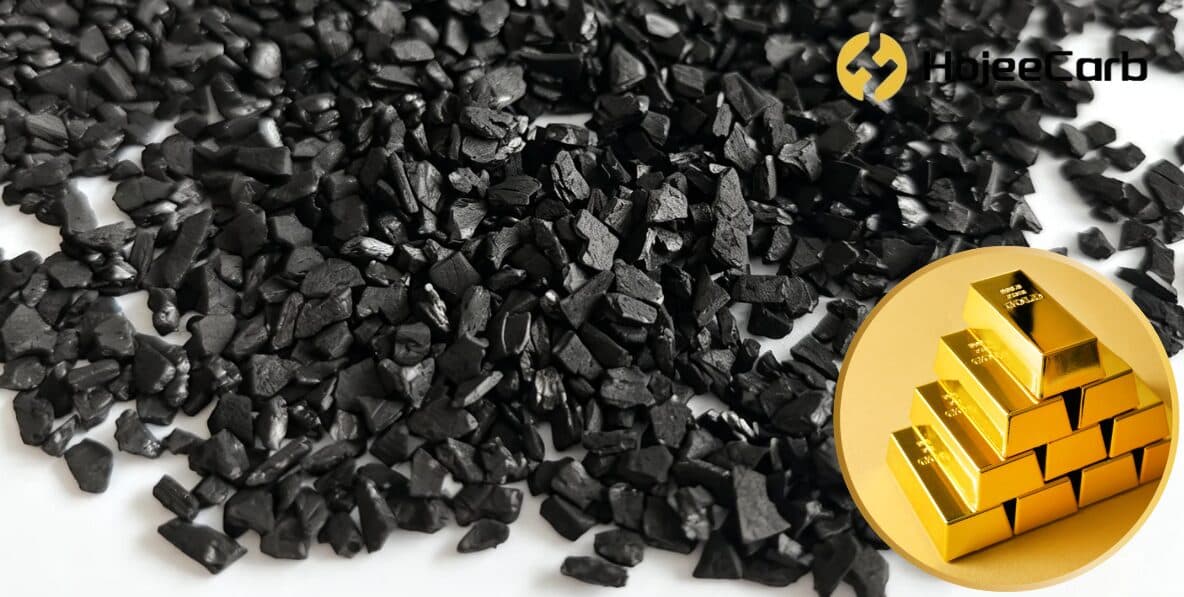
Gold Recovery Carbon • Factory Direct to Port Sudan
Activated Carbon for Sudan Gold Mines — Artisanal-Tailings CIP/CIL
Direct-from-factory coconut shell activated carbon for Sudanese CIL plants, heap-leach columns, and tailings retreatment operations. Built for the Nubian Shield — high hardness, low fines, fast kinetics.
- ✓ Iodine ≥1100 · Hardness ≥98% · 6×12 & 6×16 mesh
- ✓ Ships to Port Sudan in 35–50 days (Red Sea corridor)
- ✓ 5-ton trial orders · FOB from $3,200/ton
Carbon Specifications for Sudan Gold Mining
Sudan’s distinctive mix of CIL, heap leach, and tailings retreatment demands carbon with exceptional mechanical strength and high gold-loading capacity. Below are the specs we ship to Sudanese operations.
| Parameter | Value | Why It Matters |
|---|---|---|
| Iodine Number | ≥1100 mg/g | High gold loading from dilute heap-leach solutions |
| Ball-Pan Hardness | ≥98% | Survives hard cycling in tailings-retreatment circuits |
| Mesh Size | 6×12 (CIL) / 6×16 (heap leach) | Coarser for pulp pumping; finer for percolation columns |
| CTC Activity | ≥55% | Fast kinetics for pregnant leach solution |
| Ash Content | <3% | Cleaner elution with Sudan's hard, saline process water |
| Moisture | <5% | Shipped at 3–5% — you pay for carbon, not water |
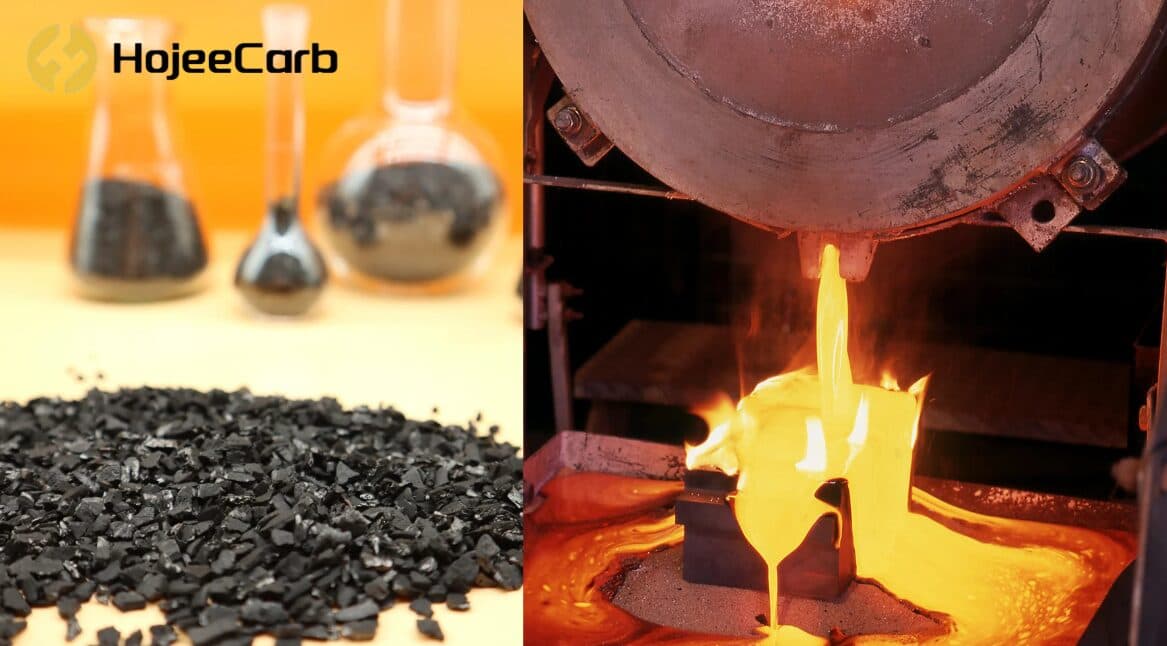
Gold Recovery Applications in Sudan
Sudan is one of Africa’s top-three gold producers, with almost all output from the Neoproterozoic Nubian Shield along the Red Sea Hills. From flagship CIL plants to artisanal tailings dumps being reprocessed through carbon columns — we match the right grade to each circuit.
CIL Gold Plants
Carbon-in-leach circuits processing oxide ore from the Red Sea Hills and Nubian Shield. Our 6×12 coconut carbon delivers high gold loading and minimal attrition in agitated tanks.
Heap Leach & CIC Columns
Tall carbon columns treating pregnant solution from large-tonnage heap-leach pads. Hardness ≥98% keeps head loss low and prevents channelling from fines.
Tailings Retreatment
Reprocessing decades of artisanal mining dumps through CIP/CIL — where carbon cycles fast through smaller, high-turnover circuits that punish weak carbon.
Mine Process Water
Coal-based GAC for treating mine water and camp potable supply — removes organics, residual cyanide, and turbidity.
Verified Sudan Shipment — Bill of Lading
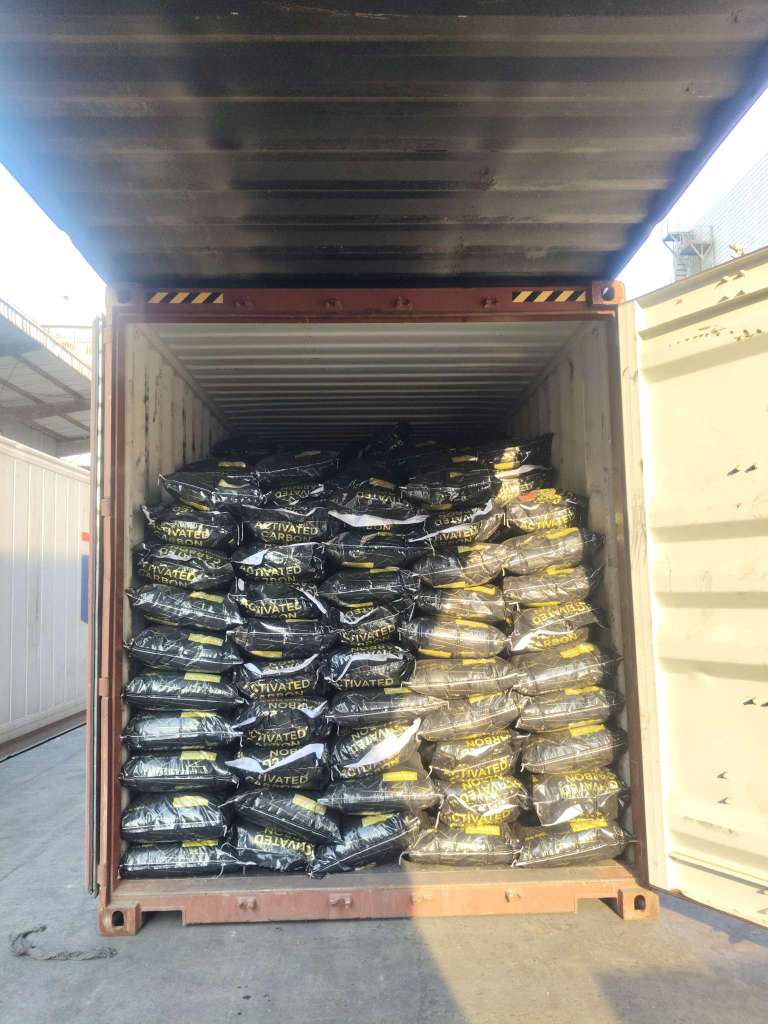
Real documentation from our 141-ton (5,600 bags) activated carbon shipment to Port Sudan. Five 40HC containers loaded at Nansha and delivered CY-CY via the Red Sea corridor.
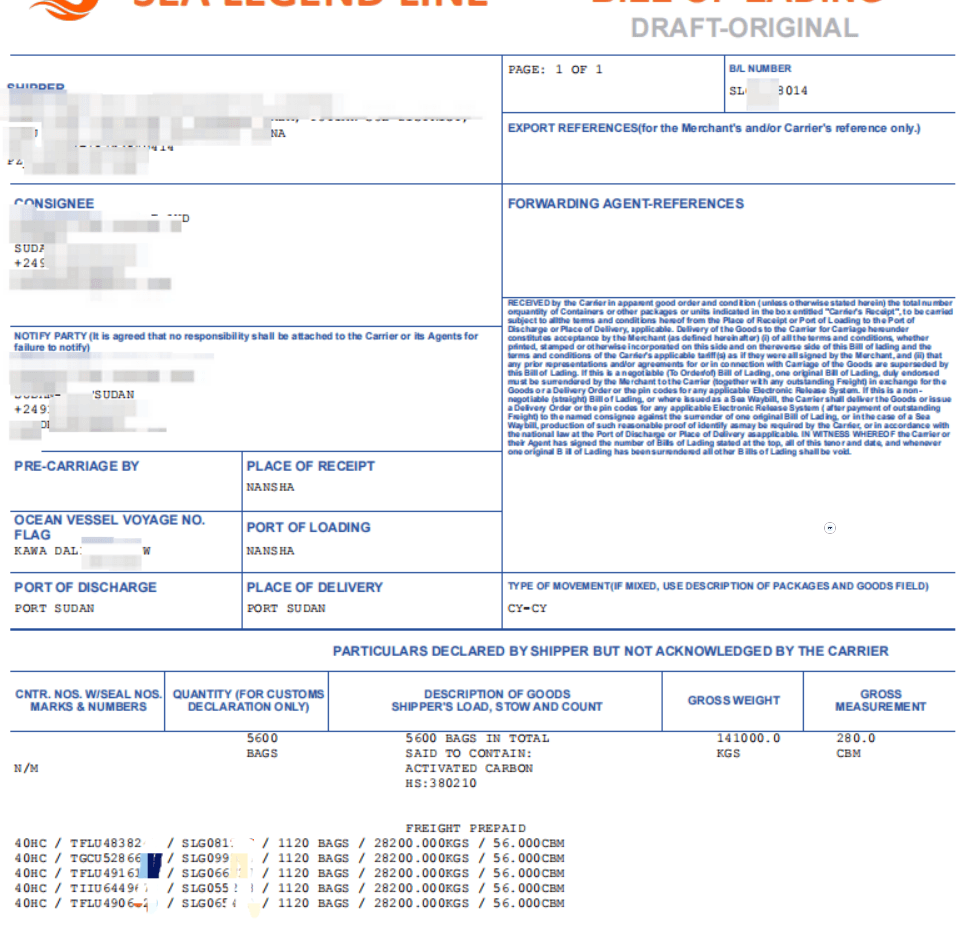
Shipment Details
- Carrier: Sea Legend Line
- Port of Loading: Nansha, China
- Port of Discharge: Port Sudan
- Cargo: 5,600 bags activated carbon
- Gross Weight: 141,000 kg (141 tons)
- Volume: 280 CBM
- Containers: 5 × 40HC
- HS Code: 380210
This shipment supplied a CIL gold plant on the Nubian Shield with enough carbon for a full circuit charge. Read the full case study below.
Read Full Case Study →Shipment Video
New Batch Ready for Sudan — Loading Footage
Filmed at our Shizuishan plant as a fresh batch of coconut shell gold-recovery carbon was packed and staged for a Sudan-bound container. Buyers on the Nubian Shield ask for proof that the carbon is real, in stock, and packed to spec — so we film the batch instead of describing it.
- ✓ Coconut shell 6×12 mesh, iodine 1100+ mg/g
- ✓ 500 kg jumbo bags, PE-lined and heat-sealed
- ✓ Batch COA issued before loading; SGS inspection on request
- ✓ Containerized to Port Sudan via the Red Sea corridor
Real Project Case Study
56 Tons Gold Recovery Carbon — Sudan CIL Plant
A Sudanese CIL gold operation on the Nubian Shield commissioned us for their full carbon circuit charge — 56 tons of coconut shell 6×12 mesh, iodine 1100+ mg/g. The project included pre-shipment SGS inspection, containerized logistics to Port Sudan, and on-site commissioning support.
- ✓ 56 tons coconut shell activated carbon (6×12 mesh)
- ✓ Iodine 1100+ mg/g, ball-pan hardness 98%+
- ✓ Pre-shipment SGS inspection passed
- ✓ Delivered to Port Sudan in 38 days
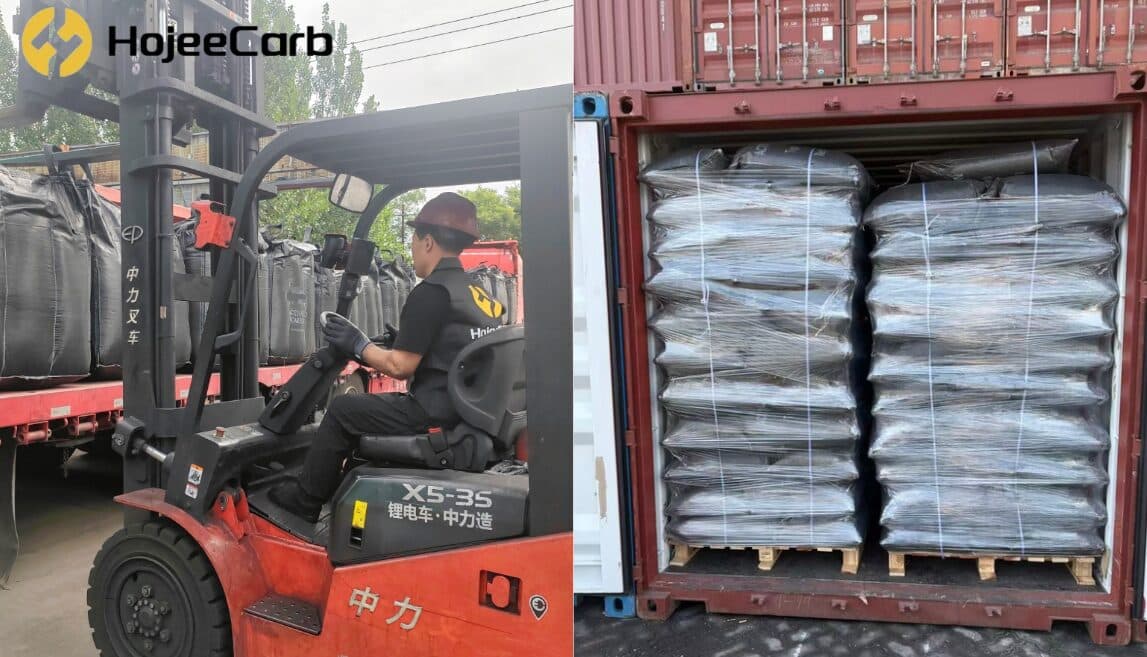
Our Team & Products — Real Photos
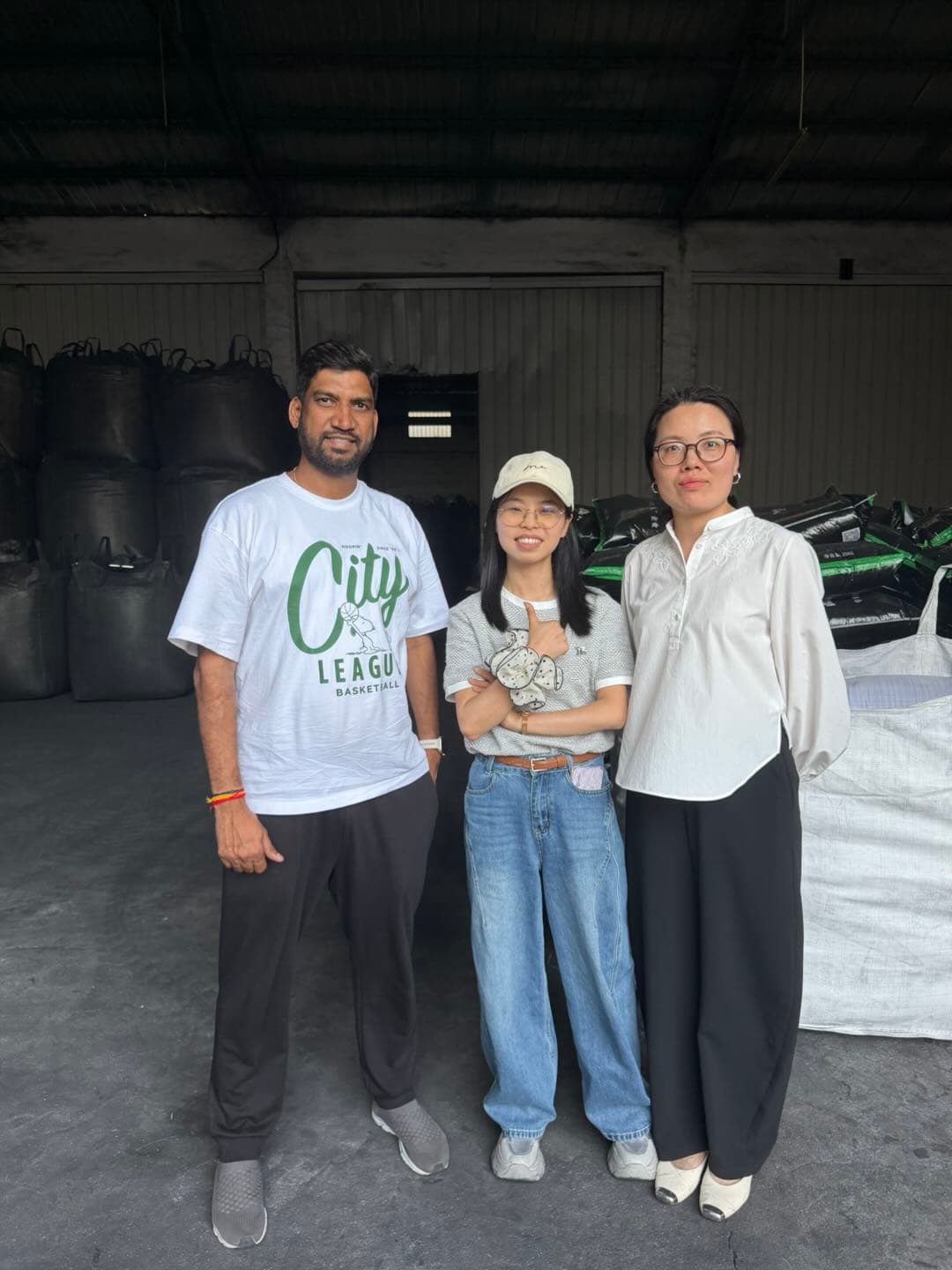
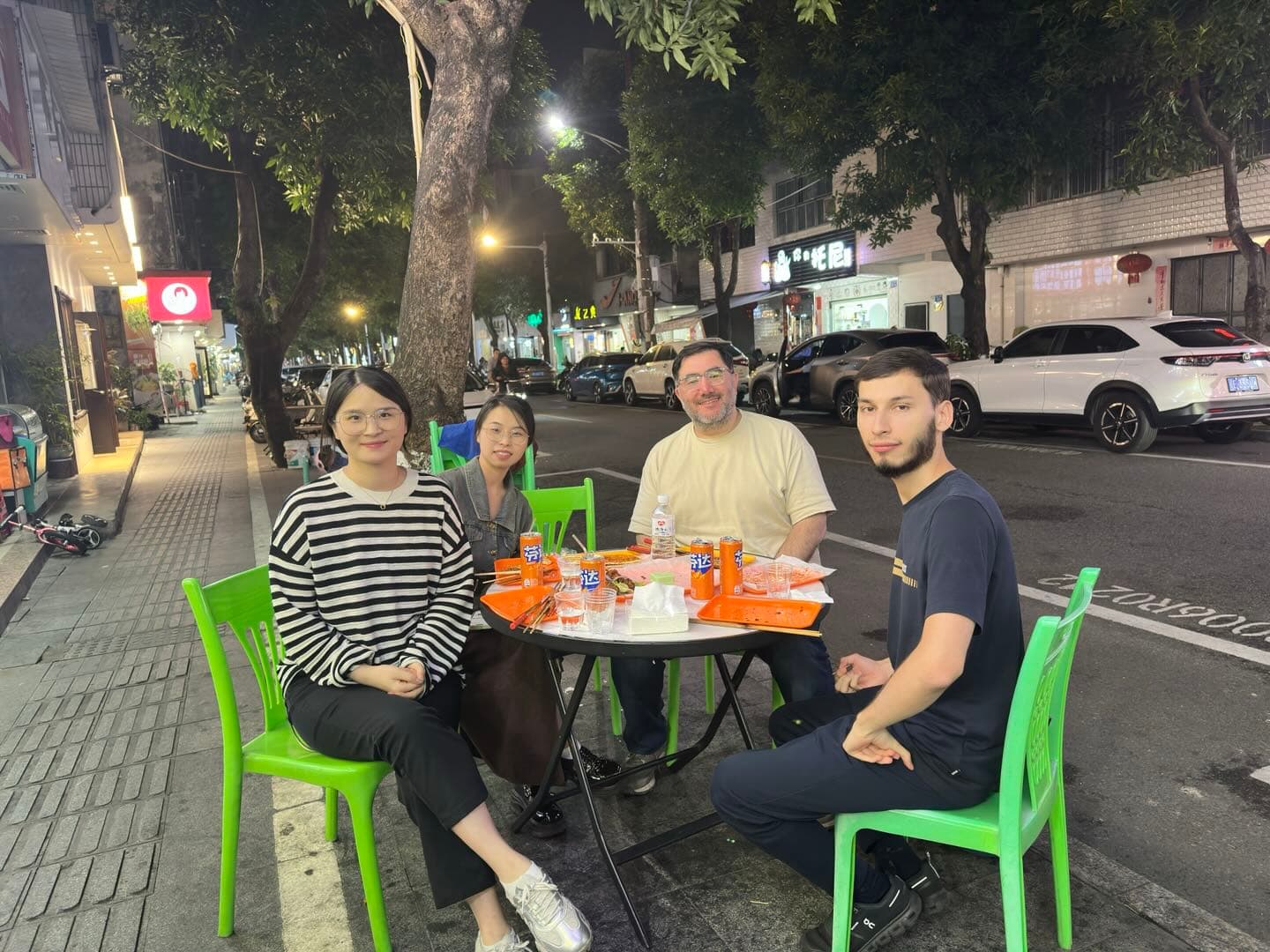
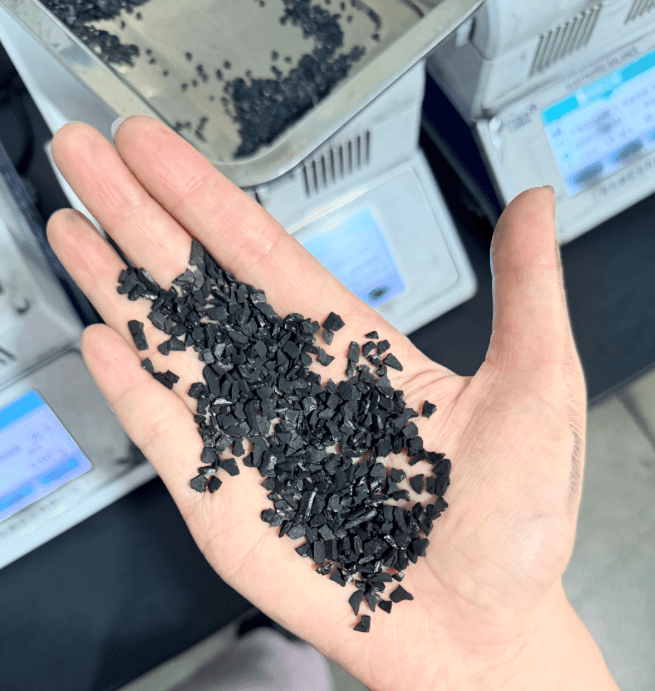
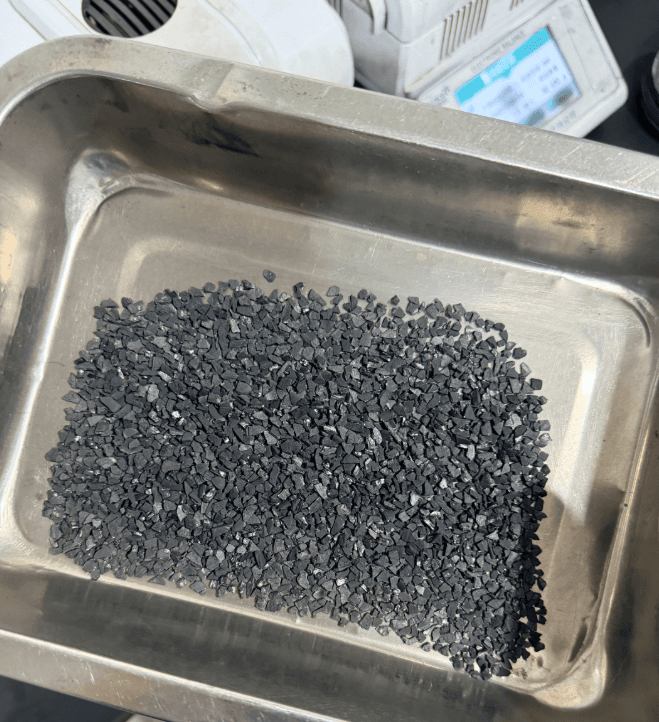
Building long-term partnerships with African gold mining clients. Here’s our team with customers and our coconut shell activated carbon during quality testing.
Sudan’s Real Carbon Challenge
Reprocessing Artisanal Mercury-Amalgamation Tailings
Sudan is one of Africa’s largest gold producers, and a huge share of its output comes from artisanal and small-scale mining (ASGM). For years that gold was won by mercury amalgamation, leaving behind vast tailings dumps that still hold most of their gold. Those dumps are now being cyanide-leached through CIP/CIL and carbon-in-column plants — and that reprocessed feed attacks carbon in ways a fresh hard-rock ore never would. This is the differentiator for Sudan: the carbon has to survive fast-turnover tailings circuits carrying residual mercury, fine clay, and carbonate.
How Artisanal-Tailings Feed Tests the Carbon
| Factor | Effect on the Carbon Circuit | How We Address It |
|---|---|---|
| Residual mercury in tailings | Mercury co-adsorbs onto the carbon alongside gold, competing for sites and complicating elution and thermal reactivation | High-activity coconut carbon (iodine ≥1050) preserves gold loading despite mercury competition; low ash keeps regeneration cleaner |
| Fast-turnover retreatment circuits | Reprocessing plants cycle carbon 2–3× faster than conventional CIL, so weak carbon sheds fines and gold to tailings quickly | Ball-pan hardness ≥98% and A.A.R.L. attrition ≤2% hold mass through many more load-strip-reactivate cycles |
| Fine clay & slimes in old dumps | Clay fouls and blinds carbon surface, cutting effective loading between changeouts | Hard, low-fines granules resist blinding and screen cleanly; correct 6×12 mesh keeps interstage screening efficient |
| Carbonate / hard process water | Calcium carbonate scales the carbon and blinds pore mouths, dragging down loading capacity over the season | Low-ash (<4%) carbon plus acid-wash ahead of reactivation strips scale and restores activity |
Why Hardness Is Everything in Sudan
Decades of artisanal mining created enormous tailings dumps now being reprocessed through CIP/CIL. These smaller, high-turnover circuits cycle carbon 2–3× faster than conventional CIL — punishing any carbon below 98% hardness with excessive attrition and fines loss.
Our coconut shell 6×12 maintains structural integrity across 20+ elution cycles, keeping your make-up carbon cost low and your screens clear.
Request a Quote
Get Sudan Gold Recovery Carbon Pricing — Factory Direct
Tell us your circuit type (CIL, heap-leach CIC, or tailings retreatment), tonnage, and delivery port. We reply with a factory quote and CIF pricing within 24 hours.
Shipping to Sudan via Port Sudan
Destination Port
Port Sudan — Sudan’s only deep-water gateway on the Red Sea. Direct sea transit 22–30 days from Chinese ports via Bab-el-Mandeb.
Lead Time & Routing
Total lead time 35–50 days including production. Red Sea security conditions can extend transit; we advise ordering 60–90 days ahead of carbon change-out.
Packaging & Docs
500 kg jumbo bags or 1 MT super sacks, PE-lined and heat-sealed. Every container ships with batch COA; SGS or Bureau Veritas inspection on request.
Technical Guides & Regional References
We supply coconut shell CIL and heap-leach carbon across the Red Sea corridor. Related technical references:
Sudan Gold Recovery Carbon FAQ
What carbon spec works for Sudan CIL and heap-leach gold recovery?
Coconut shell activated carbon with iodine ≥1100 mg/g, ball-pan hardness ≥98%, 6×12 mesh for CIL, and 6×16 for heap-leach carbon columns (CIC). Sudan's mix of oxide ore CIL and large-tonnage heap leach rewards hard, low-fines carbon.
Why is residual mercury a concern when reprocessing artisanal tailings in Sudan?
Decades of mercury amalgamation across Sudan's artisanal sector left tailings containing free mercury and mercury-gold amalgam residues. When those tailings are cyanide-leached in a CIP/CIL plant, mercury dissolves alongside gold and co-adsorbs onto the carbon, occupying active sites and complicating thermal reactivation (mercury must be retorted off before the carbon enters the kiln). High-activity coconut carbon (iodine ≥1100) preserves enough spare adsorption capacity to hold gold loading despite mercury competition.
How long does shipping to Port Sudan take from China?
Sea transit from Ningbo/Shanghai to Port Sudan on the Red Sea is 22–30 days via the Bab-el-Mandeb strait, with total lead time of 35–50 days including production and Red Sea routing contingencies.
Do you supply artisanal tailings-retreatment plants in Sudan?
Yes. Beyond large CIL plants, we supply CIP/CIC plants reprocessing artisanal tailings. Consistent hardness matters most because carbon cycles hard through smaller, high-turnover circuits. 5-ton trial orders are available.
What is the pricing for gold recovery carbon shipped to Sudan?
FOB Ningbo: $3,200–$3,800/ton for coconut shell 6×12 (iodine 1100+). CIF Port Sudan adds roughly $90–$170/ton depending on Red Sea routing at time of booking. Payment via T/T or L/C at sight.
What packaging do you use for Sudan shipments?
500 kg jumbo bags or 1 MT super sacks, PE-lined and heat-sealed against Red Sea humidity and desert dust during the Port Sudan–to–mine haul.
Sourcing Carbon for Your Sudanese Operation?
Send us your circuit type, specs, tonnage, and delivery port. We’ll return a detailed quote with CIF pricing to Port Sudan and a delivery schedule within 24 hours.