
Pharma · Wine · EU DWD · Industrial — Full Compliance Documentation
Activated Carbon Supplier in Italy
Italy's pharmaceutical, food, and water sectors each run on a different regulatory framework — and each needs different paperwork alongside the carbon. We prepare the right document set for the application before you ask: EP/USP data for pharma, food-contact declarations for wine and olive oil, NSF-grade sourcing for waterworks, Italian-language SDS for industrial sites.
Pharmaceutical & Biotech
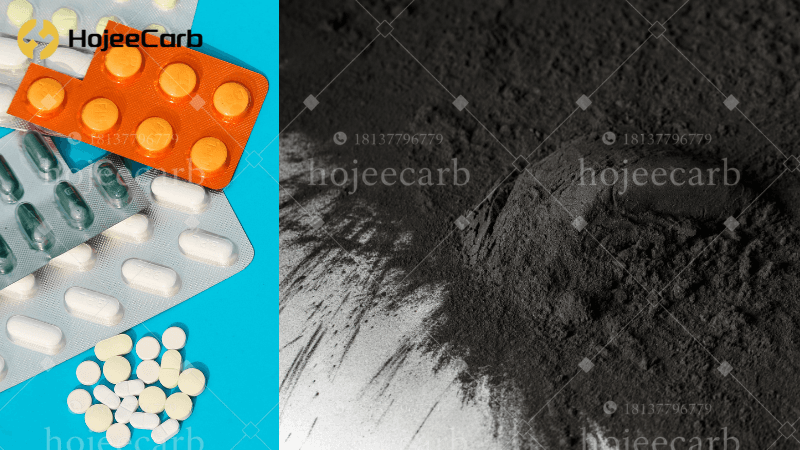
💊 EP/USP-Grade PAC for API Purification
Wood PAC 200 mesh · Ash <2% · Heavy metals ≤10 ppm
Italy hosts one of Europe's largest API clusters in Lombardy and Emilia-Romagna. Powdered carbon is used in two distinct stages: removing colour and endotoxins from API intermediates, and polishing Water-for-Injection circuits. The pharmacopoeial requirement is deceptively simple on paper — the EP 'Activated Charcoal' monograph is short — but the practical list of supporting documents is not. See the compliance table below.
- ✓Wood-based PAC 200 mesh (plant origin → clean TSE/BSE declaration)
- ✓Ash <2%, heavy metals ≤10 ppm (Pb/As/Cd/Hg), consistent with EP monograph
- ✓COA per lot, SDS in Italian and English, TSE/BSE and GMO declaration on request

Wine, Spirits & Olive Oil
🍷 EU Reg. 2019/934 Food-Grade Decolorization
Wood PAC 200 mesh · Iodine ≥800 · EU Reg. 2019/934
EU wine treatment regulation (Reg. 2019/934, formerly 606/2009) permits activated carbon at ≤100 g/hL for colour correction and off-flavour reduction in white and rosé wine. The same wood-based PAC grade handles olive oil decolorization in Puglia and Calabria mills — dosing typically 0.5–1.5% w/w at 50–70 °C. The key practical difference from pharma use: you need a food-contact declaration (EU 10/2011 or JECFA) rather than an EP monograph report.
- ✓Iodine ≥800, ash ≤5%, heavy metals ≤10 ppm — food-grade standard
- ✓HALAL/Kosher statement available (plant-origin raw material)
- ✓Food-contact declaration (EU 10/2011 basis) on request
Water Utilities
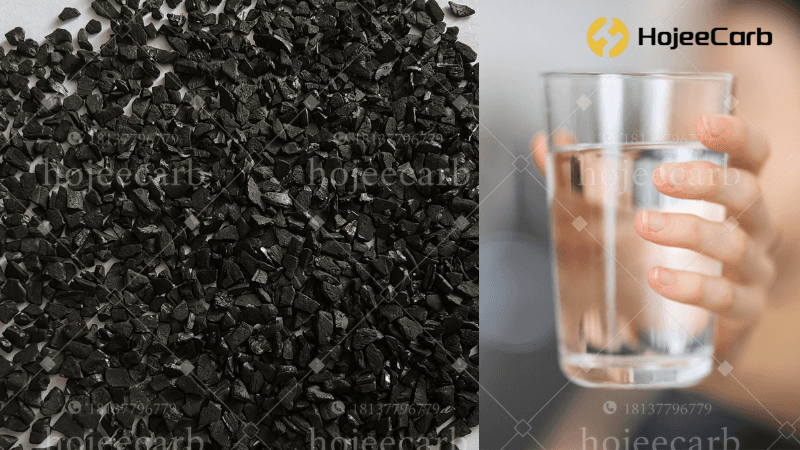
💧 Municipal Drinking Water under D.Lgs 18/2023
Coconut GAC 8×30 / 12×40 · Iodine ≥1050 · Ash ≤3%
Italy transposed EU Drinking Water Directive 2020/2184 into D.Lgs 18/2023, tightening limits on pesticides, DBPs, and a growing list of emerging micropollutants. Po Valley utilities face particular pressure from agricultural runoff and hard water THM precursors. Coconut GAC 8×30 / 12×40 (iodine ≥1050, hardness ≥98%) provides the trace-organics performance required and the bed life economics that matter at municipal scale — NSF/ANSI 61 sourcing available for tender specifications.
- ✓Iodine ≥1050, hardness ≥98%, ash ≤3% — NSF-grade sourcing on request
- ✓Coconut shell origin: lower ash, lower inorganic leaching than coal GAC
- ✓Suitable for both gravity filter and pressure vessel configurations
Chemical & Industrial
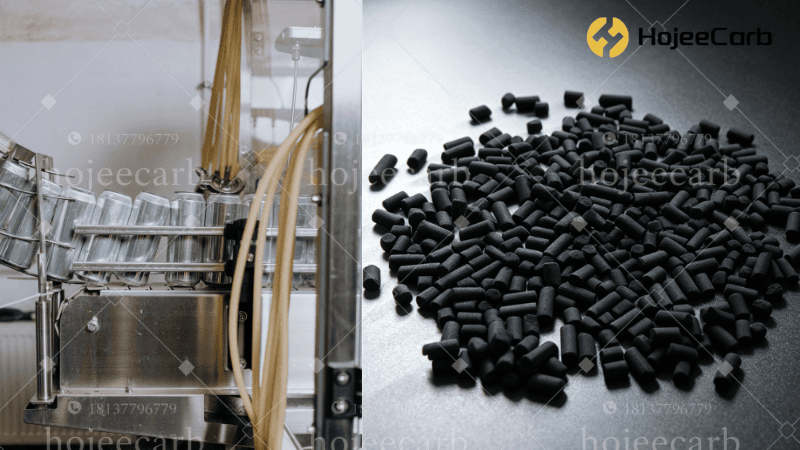
🏭 IED-Compliant VOC Control for Po Valley Industry
Coal Columnar 4mm · CTC ≥50 · Hardness ≥95%
Italy's ceramic tile district (Sassuolo), chemical facilities (Porto Marghera, Ravenna), and packaging converters all operate under EU Industrial Emissions Directive (IED/2010/75/EU) VOC emission limits enforced by ISPRA and regional ARPAs. Coal-based columnar carbon at CTC 50–60, 4mm is the standard fill for fixed-bed gas-phase adsorbers at paint lines, solvent recovery units, and printing operations. Also used for H₂S odour control at WWTP biological treatment plants.
- ✓CTC ≥50, hardness ≥95% — survives repeated thermal regeneration cycles
- ✓4mm diameter: low pressure drop on deep adsorber beds (0.8–1.2 m)
- ✓Available in 25 kg multi-wall bags or 500 kg FIBC for industrial quantities
Documentation Italian Buyers Actually Get Asked For
In most markets a COA and an MSDS close the file. In Italy the auditor, ASL inspector, or customer QA team usually wants more — and the request tends to arrive after the container lands. Here is what we prepare up front.
| Document | When needed | Notes |
|---|---|---|
| COA per lot | Every shipment | Iodine, ash, moisture, pH, heavy metals, mesh distribution |
| SDS in Italian | REACH/CLP obligation | 16-section format; we supply IT + EN versions |
| Food-contact DoC | Wine, olive oil, beverage | Declaration referencing EU 1935/2004 and 10/2011 |
| EP/USP test report | Pharma API and WFI | Monograph-parameter testing; third-party Eurofins/SGS on request |
| TSE/BSE & GMO statement | Pharma and food QA audits | Plant-origin raw material — straightforward but often forgotten |
| REACH status letter | Industrial buyers, importers | Activated carbon REACH status and importer-obligation clarification |
We are a manufacturer, not a notified body. We provide test data and declarations; your own QC governs final acceptance.
Frequently Asked Questions
Does your PAC meet European Pharmacopoeia (EP) requirements?
Our wood-based PAC 200 mesh is produced and tested to parameters consistent with the EP 'Activated Charcoal' monograph: ash content, heavy metals (Pb, As, Cd, Hg), water-soluble substances, and decolorising power. We supply a full COA per lot. Third-party testing by Eurofins or SGS is available on request. Customers carry out their own incoming QC to confirm compliance with their specific EP/USP interpretation and GMP requirements — we provide data, not certification.
Which PAC grade is used for wine under EU regulation?
EU Regulation 2019/934 permits food-grade activated carbon at ≤100 g/hL for colour adjustment in wine. We supply wood-based PAC 200 mesh, iodine ≥800, ash ≤5%, heavy metals ≤10 ppm, with a food-contact declaration on request. The key difference from pharma PAC: you need JECFA/EU 10/2011 compliance rather than EP monograph data.
What duty rate applies to activated carbon from China into Italy?
Activated carbon (HS 3802.10.00) attracts approximately 5% EU import duty. China does not qualify for current EU GSP, so no Form A reduction applies. We quote CIF La Spezia or CIF Genova; actual landed cost varies with freight mode and season.
What is the MOQ and lead time?
MOQ is 1 ton (LCL pallet, suitable for pharma and small trial orders). Standard FCL: one 20HQ (~20 tons) in 25 kg multi-wall bags or 500 kg FIBC. Production: 7–10 days. Sea transit to La Spezia or Genova: 22–28 days. Total: 30–38 days. Air freight to Milan Malpensa: 3–5 days.
Get a Quote for Italy
Tell us your application and regulatory requirement. We assemble the right document set with the quotation.
La Spezia · Genova · Livorno — 22–28 days from Ningbo
Request a Quote