
Activated Carbon for EU Drinking Water Directive 2026: Compliance Guide
The revised EU Drinking Water Directive — the most significant overhaul of European water quality rules in 25 years — is forcing hundreds of water utilities to install or upgrade activated carbon filtration. New PFAS limits, stricter pesticide MCLs, and expanded emerging contaminant lists are reshaping GAC procurement across Europe. This guide explains what changed, what carbon specifications are needed, and how to source compliant material from China.
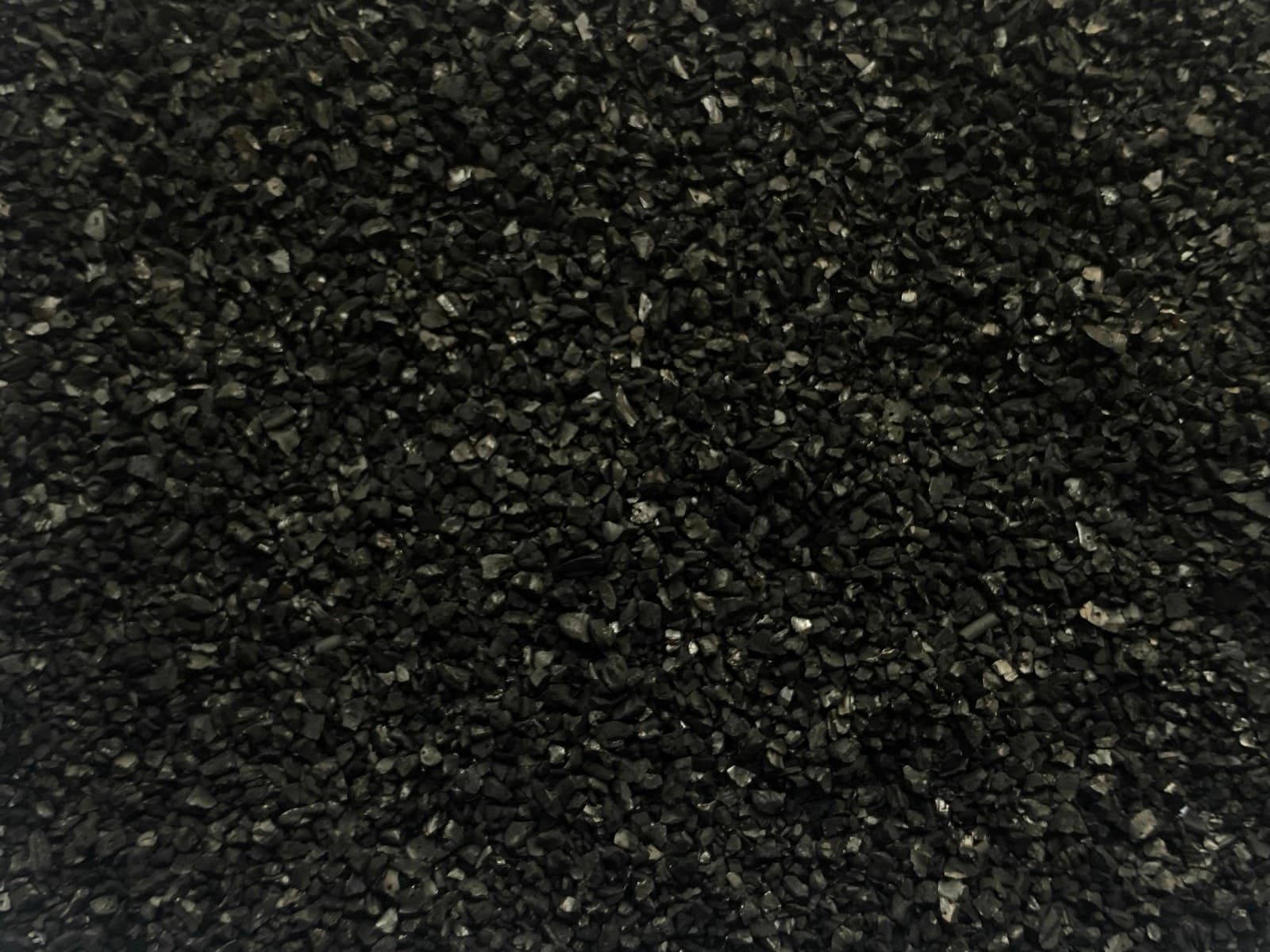
Coconut shell GAC — the preferred medium for EU drinking water PFAS compliance
📌 EU DWD Key Numbers at a Glance
Need activated carbon?
Get Factory-Direct Pricing — No Middlemen
20+ years manufacturing. MOQ 1 ton. Free samples. Reply within 2 hours.
1. What Changed in the EU Drinking Water Directive
Directive (EU) 2020/2184 replaced the 1998 Drinking Water Directive and must be transposed into national law by all EU member states, with substantive compliance requirements phased in through 2026–2028. The 2026 industry intelligence from multiple water sector publications (GlobeNewswire, Water Finance & Management) confirms that capital expenditure on GAC filtration upgrades across Europe is at its highest level in two decades.
Key changes affecting activated carbon procurement:
PFAS Added to Annex I
For the first time, PFAS compounds are explicitly regulated in EU drinking water. The directive sets a sum-of-20-PFAS parametric value of 0.5 μg/L and a priority PFAS (PFOA, PFOS, PFHxS, PFNA) sum limit of 0.1 μg/L. Granular activated carbon is the primary treatment technology for compliance.
Expanded Pesticide Scope
The total pesticide mixture parametric value (0.5 μg/L) now applies to a broader compound list including PFAS-adjacent pesticides. Individual pesticide limit remains 0.1 μg/L. Coal-based GAC with mesopore content is the recommended media for broad-spectrum pesticide removal.
Endocrine Disruptors Watch List
Bisphenol A (2.5 μg/L), nonylphenol (0.3 μg/L), and β-estradiol (0.001 μg/L) are now monitored parameters. GAC is effective for all three through adsorption, though system design must account for their different molecular weights and polarities.
Risk-Based Assessment Framework
The directive introduces a catchment-to-tap risk assessment approach. Utilities must now characterize source water and select treatment media based on local contaminant profiles. This is driving more bespoke GAC specification requests from European water engineers.
2. The Role of Activated Carbon in EU DWD Compliance
Activated carbon is the cornerstone treatment technology for organic micropollutant removal in drinking water. In Europe, approximately 40% of surface water utilities already operate GAC contactors, but the new DWD requires most of the remaining 60% to upgrade. The European Environment Agency and WHO both designate GAC as the best available technology (BAT) for removing PFAS and pesticides to the levels required.
Powdered activated carbon (PAC) is used in some utilities for seasonal or episodic contamination events — it offers flexibility (can be dosed into existing clarifier/filter trains) but generates carbon-laden sludge requiring disposal. GAC in fixed-bed contactors is preferred for continuous compliance with the new MCLs because:
- Longer bed life (6–18 months) vs. PAC single-pass disposal
- More predictable breakthrough behavior and monitoring
- Reactivation/recycling pathway reduces lifecycle cost
- GAC beds also provide additional disinfection byproduct (DBP) precursor removal
In Belgium and the Netherlands — Europe's primary activated carbon import hubs — Chinese-sourced GAC already represents 30–40% of utility procurement by volume. American Water's 10-state supply contract with Calgon Carbon set a benchmark, but European utilities without equivalent domestic supply relationships are increasingly turning to Chinese manufacturers with EN 12915 compliance.
3. Carbon Specifications for EU Drinking Water
All activated carbon in direct drinking water contact in the EU must meet EN 12915-1 (granular activated carbon for water treatment) or EN 12918 (powdered activated carbon). Additionally, suppliers should hold NSF/ANSI 61 certification as it is increasingly required by procurement specifications across Western European utilities.
| Parameter | Coconut Shell GAC | Coal-Based GAC | Best For |
|---|---|---|---|
| Iodine Number (mg/g) | ≥ 1,000 | ≥ 900 | Coconut for PFAS; coal for pesticides |
| BET Surface Area (m²/g) | 1,050–1,200 | 850–1,000 | Both acceptable per EN 12915 |
| Mesh Size | 12×40 (preferred) | 8×30 or 12×40 | 12×40 gives better kinetics |
| Moisture Content (%) | < 5% | < 8% | Lower = longer bed life |
| Ash Content (%) | < 5% | < 12% | Coconut shell naturally lower |
| CTC Activity (%) | ≥ 60% | ≥ 55% | Higher = better VOC removal |
| Hardness / Abrasion Number | ≥ 95% | ≥ 75% | Important for backwash cycles |
| Lead (mg/kg) | < 10 | < 10 | EN 12915-1 limit |
| Arsenic (mg/kg) | < 10 | < 10 | EN 12915-1 limit |
| Benzo[a]pyrene (μg/kg) | < 1 | < 1 | Coal-based must verify PAH leaching |
⚠️ Coal-based PAH risk: Bituminous coal-based GAC can leach polycyclic aromatic hydrocarbons (PAH) if produced at insufficiently high activation temperatures. Always request benzo[a]pyrene and total PAH testing for coal-based material intended for drinking water. Reputable Chinese manufacturers producing for EU export routinely test and certify this.
4. PFAS Removal: Choosing the Right GAC
PFAS are the highest-priority contaminants under the new DWD. Activated carbon adsorbs PFAS through hydrophobic interactions and electrostatic attraction — the mechanism is different from organic micropollutant adsorption and requires specific carbon properties.
✅ For Long-Chain PFAS (PFOA, PFOS, PFNA)
- • Coconut shell GAC 12×40 mesh
- • Iodine number ≥ 1,000 mg/g
- • BET ≥ 1,050 m²/g
- • EBCT: 10–15 minutes
- • Expected bed life: 12–24 months at typical EU source water concentrations (10–100 ppt total PFAS)
⚠️ For Short-Chain PFAS (PFBA, PFHxA, PFBS)
- • Coal-based GAC with higher mesopore content
- • Or ion exchange resin for polishing
- • EBCT: 15–25 minutes required
- • Short-chain PFAS break through GAC 3–5× faster than long-chain
- • Consider dual-media systems (GAC + IX) for complete compliance
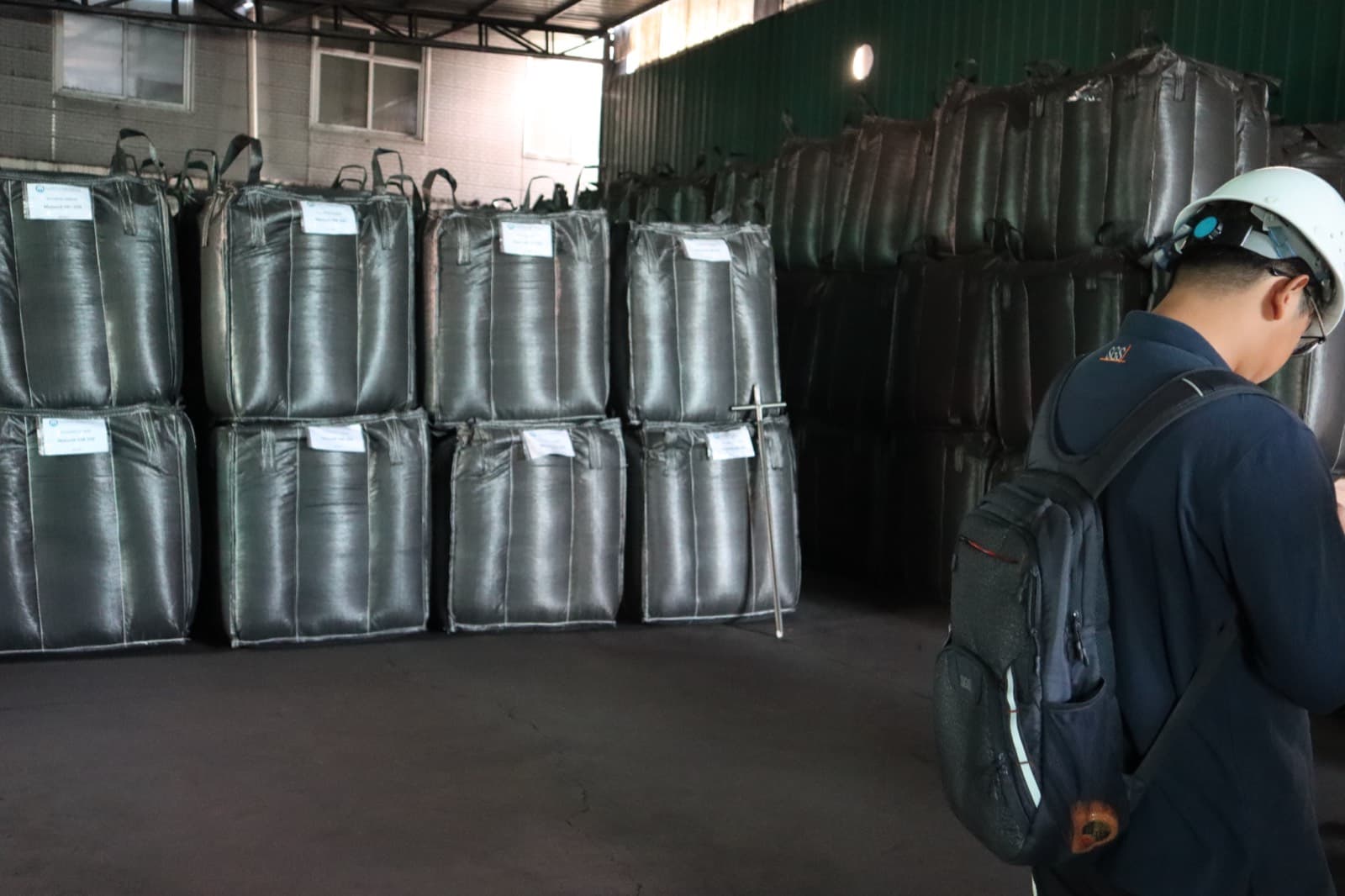
Every production batch undergoes iodine number, BET surface area, and heavy metal testing before export
5. System Design Considerations
Getting the carbon specification right is only half the challenge — GAC system design determines whether the system actually achieves DWD compliance. Key parameters:
6. Sourcing Compliant Carbon from China
China produces approximately 50% of global activated carbon supply. Belgium and the Netherlands — Europe's primary chemical import hubs — imported $34 million and $24 million of Chinese activated carbon in 2025 respectively (ITC TradeMap data). With EU carbon prices rising (GAC $1,200–2,400/ton FOB Europe domestic vs. $800–1,600/ton FOB China), European water utilities are increasingly evaluating Chinese suppliers.
The qualification process for a Chinese drinking water carbon supplier requires:
EN 12915-1 Compliance
Request conformance test report from accredited laboratory. Top-tier Chinese manufacturers testing to EN 12915 include our facility — we provide lab reports from SGS, BV, or equivalent on request.
NSF/ANSI 61 Certificate
Required by many European utility procurement specifications. Valid certificates list the exact product and facility. Verify the certificate is current and covers the specific grade ordered.
REACH Declaration
Activated carbon HS 3802.10 requires SVHC (Substances of Very High Concern) declaration under REACH. Request a signed declaration listing all components and confirming no SVHC above 0.1% w/w.
Heavy Metal COA
Per EN 12915-1: Pb, As, Cd, Cr should all be <10 mg/kg. For coconut shell carbon destined for EU food/pharma-adjacent water systems, additionally request Hg and Se analysis.
PAH Leaching Test (Coal-based)
Request benzo[a]pyrene <1 μg/kg and total PAH <2 μg/kg per EN 12915. This is critical for coal-based GAC and is non-negotiable for EU drinking water applications.
Factory Audit or ISO Certificate
ISO 9001 certification and factory audit reports from recognized bodies (BV, TÜV, SGS) provide confidence in production consistency — essential for long-term utility supply contracts.
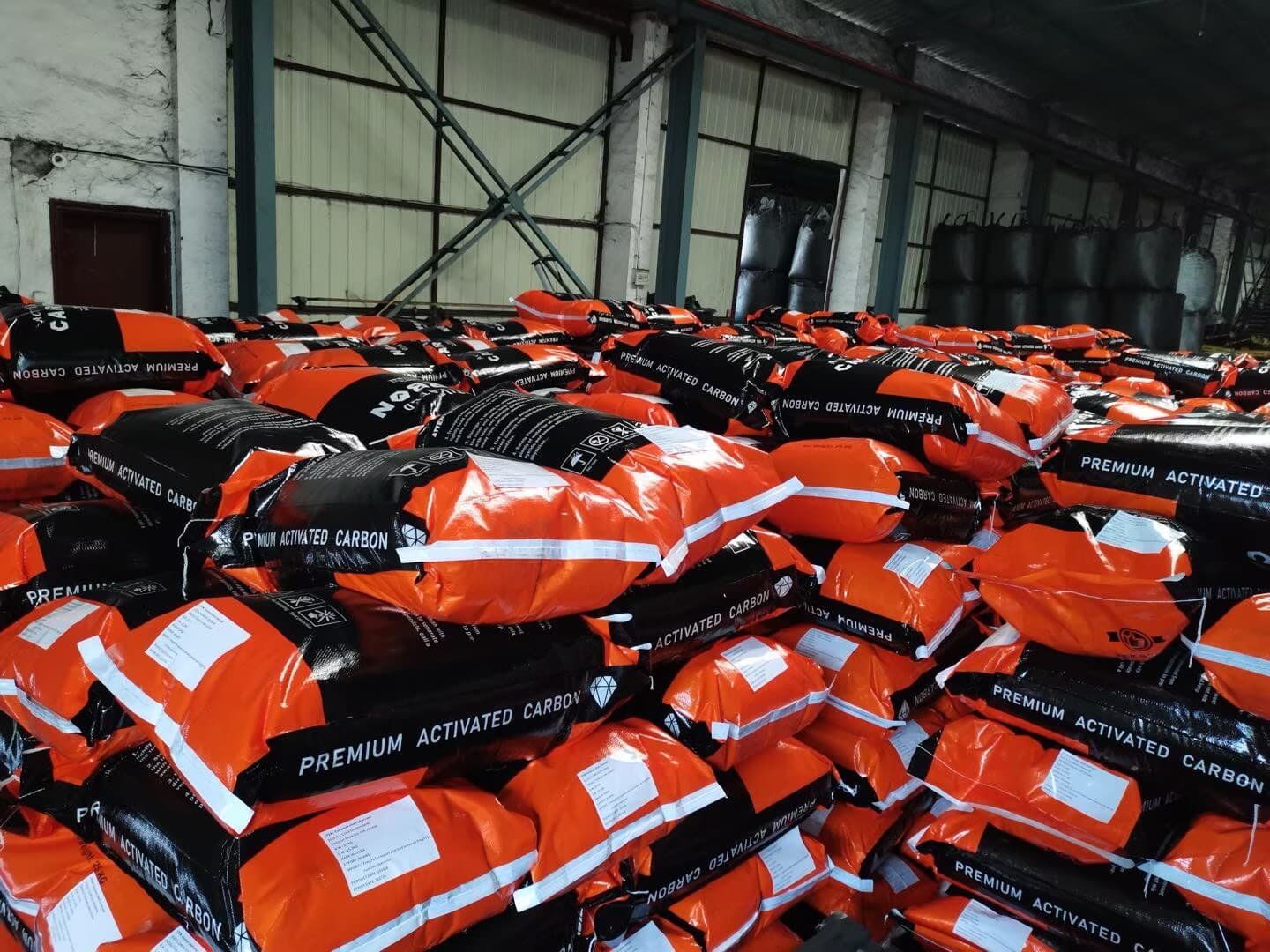
Our warehouse stocking EU-export-grade coconut shell GAC — tested to EN 12915, REACH declared, NSF/ANSI 61 certified
7. Cost Analysis: China-Sourced vs. European Carbon
The cost differential between Chinese-sourced and European-domestic GAC is substantial, and the EU's DWD-driven demand surge is pushing European prices higher. Here is a realistic 2026 comparison for a mid-size utility procuring 100 MT of 12×40 coconut shell GAC:
| Cost Component | China FOB (100 MT) | EU Domestic (100 MT) |
|---|---|---|
| Carbon Unit Price | $900–1,200/MT | $1,500–2,400/MT |
| Ocean Freight (China → Rotterdam) | $80–120/MT | N/A |
| EU Import Duty (HS 3802.10) | 6.5% of CIF value | N/A |
| Compliance Documentation (EN12915/NSF) | $500–2,000 (one-time setup) | Typically included |
| Lead Time | 35–50 days (FOB to EU port) | 7–20 days |
| Total Landed Cost (est.) | $1,050–1,450/MT | $1,500–2,400/MT |
| Savings vs. EU domestic | 20–40% lower | Baseline |
Note: EU import duty of 6.5% applies to coconut shell GAC (HS 3802.10.90) from China. Some member states apply reduced rates under bilateral agreements — verify with your customs broker. For orders > 500 MT/year, consider framework supply agreements to lock in pricing and secure delivery slots.
Frequently Asked Questions
What does the EU Drinking Water Directive 2026 require for activated carbon filtration?
The revised EU Drinking Water Directive (EU) 2020/2184, now being transposed into national law across member states with compliance deadlines in 2026–2028, sets new Maximum Contaminant Limits (MCLs) for: total PFAS at 0.5 μg/L (sum of 20 PFAS), sum of PFOA+PFOS+PFHxS+PFNA at 0.1 μg/L, total pesticide mixture limit at 0.5 μg/L, and endocrine disruptors (bisphenol A) at 2.5 μg/L. Granular activated carbon (GAC) filtration — typically coconut shell or coal-based — is the primary technology recommended by the European Environment Agency for complying with PFAS and pesticide limits. Utilities that operated without GAC polishing must now install or upgrade systems.
Which type of activated carbon is best for EU drinking water compliance?
For PFAS removal (PFOA, PFOS, long-chain compounds): coconut shell GAC, 12×40 or 8×30 mesh, iodine number ≥ 1,000 mg/g, BET ≥ 1,050 m²/g. For pesticide/herbicide removal: bituminous coal-based GAC with both micropore and mesopore content — iodine number ≥ 900 mg/g. For nitrate and perchlorate (ion exchange preferred, but GAC with impregnation used in some systems). All drinking water-contact carbon must meet EN 12915-1 (granular activated carbon for water treatment) and ideally hold NSF/ANSI 61 certification or equivalent EC Regulation 1935/2004 compliance.
What is the empty bed contact time (EBCT) required for EU drinking water GAC systems?
EU guidelines and EN 12915 guidance recommend EBCT of 10–20 minutes for general organic micropollutant removal, and 15–25 minutes for PFAS-targeted systems to achieve the 0.1 μg/L sum limit. Shorter EBCT (5–10 min) may be acceptable for systems targeting specific pesticides at low influent concentrations. EBCT is the critical design parameter — undersizing leads to rapid breakthrough. Most European utilities are upgrading from 7–10 min to 15–20 min EBCT in 2025–2027 system expansions.
Can I use reactivated activated carbon for EU drinking water compliance?
Yes, thermally reactivated GAC is accepted in EU drinking water systems provided: (1) reactivation achieves ≥ 90% restoration of virgin carbon adsorption capacity per EN 12915-2; (2) post-reactivation QC testing includes iodine number, BET surface area, and trace metal analysis; (3) the reactivation facility holds ISO 9001 and operates under documented quality management. Reactivated carbon costs 40–60% less than virgin carbon and is increasingly preferred by European utilities with ESG mandates. Note: PFAS-laden spent carbon requires specialized high-temperature reactivation (>850°C) with off-gas treatment to destroy PFAS.
How do I qualify a Chinese activated carbon supplier for EU drinking water applications?
Require: (1) NSF/ANSI 61 certification or EC Regulation 1935/2004 compliance documentation; (2) EN 12915-1 conformance test report from an accredited EU or European-equivalent laboratory; (3) REACH SVHC declaration (no substances of very high concern); (4) full COA including iodine number, BET surface area, ash content, moisture content, and heavy metals (Pb, As, Cd, Cr — should be <10 ppm each); (5) ISO 9001 quality management certification. Most Chinese manufacturers serving the EU market now hold these certifications — request verification documents, not just verbal claims.
Related Guides
Request EU-Compliant Activated Carbon Samples
We supply coconut shell and coal-based GAC certified to EN 12915-1, NSF/ANSI 61, and REACH. Our documentation package includes full COA, heavy metal analysis, PAH leaching test (coal-based), and SVHC declaration — everything your procurement team needs for EU DWD compliance. Samples available within 5 business days.
Request EU-Grade Carbon Samples