
48 Tons Documented · Form E 0% Duty · 7–10 Days to Jakarta
Activated Carbon Supplier in Indonesia
We shipped 48 tons of coconut columnar carbon to an Indonesian adhesive tape plant for toluene and ethyl acetate recovery — published case, full specs. Beyond solvent recovery we serve the Sulawesi nickel belt, the geothermal fields, and the AMDK and depot air minum water sector. Every shipment carries Form E for 0% ACFTA duty.
0%
Import duty with Form E (ACFTA), HS 3802.10
7–10 d
Sea transit Ningbo → Tanjung Priok
1 ton
MOQ — LCL available for depot-scale buyers
Four Sectors We Supply
Duty and transit are shown per application — all four qualify for Form E 0% duty.
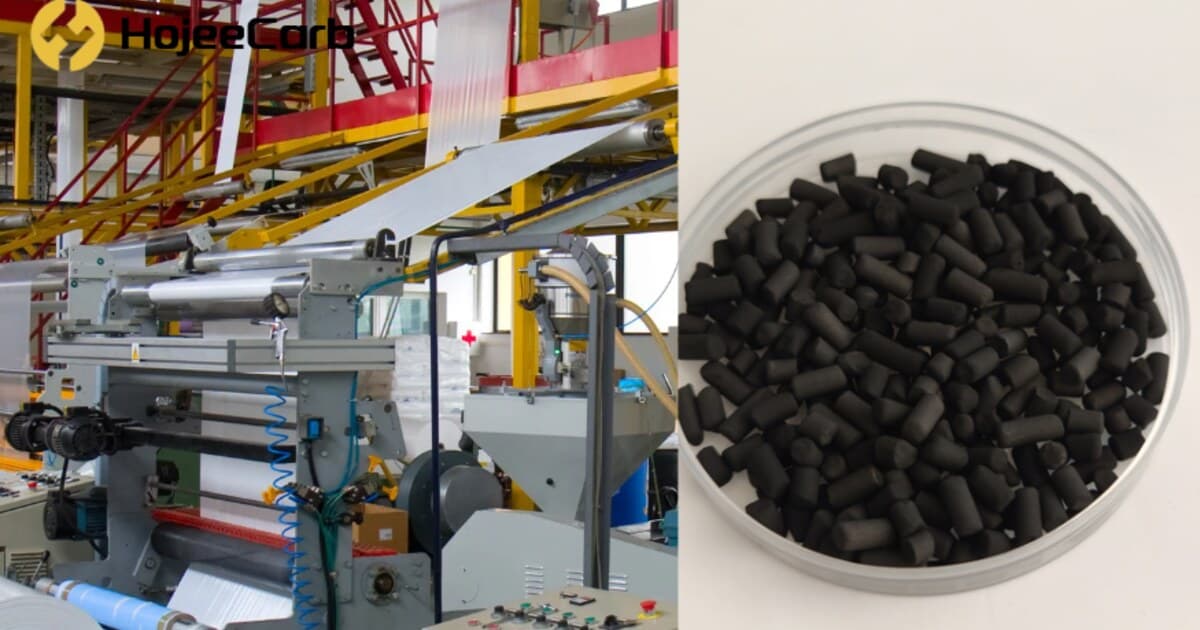
Converting & Packaging
♻️ Solvent Recovery — Tape, Film & Flexible Packaging
Coconut Columnar 4mm · CTC ≥70 · Hardness ≥98% →We have shipped 48 tons of coconut shell columnar carbon (CTC 70, 4mm) to an adhesive tape converter in the Bekasi/Karawang industrial belt for toluene and ethyl acetate recovery — this case is published with full spec detail, process context, and photos. Coconut shell outperforms coal-based columnar for these small solvent molecules (higher micropore density), and hardness ≥98% survives the repeated low-pressure steam regeneration cycles that tape lines run around the clock.
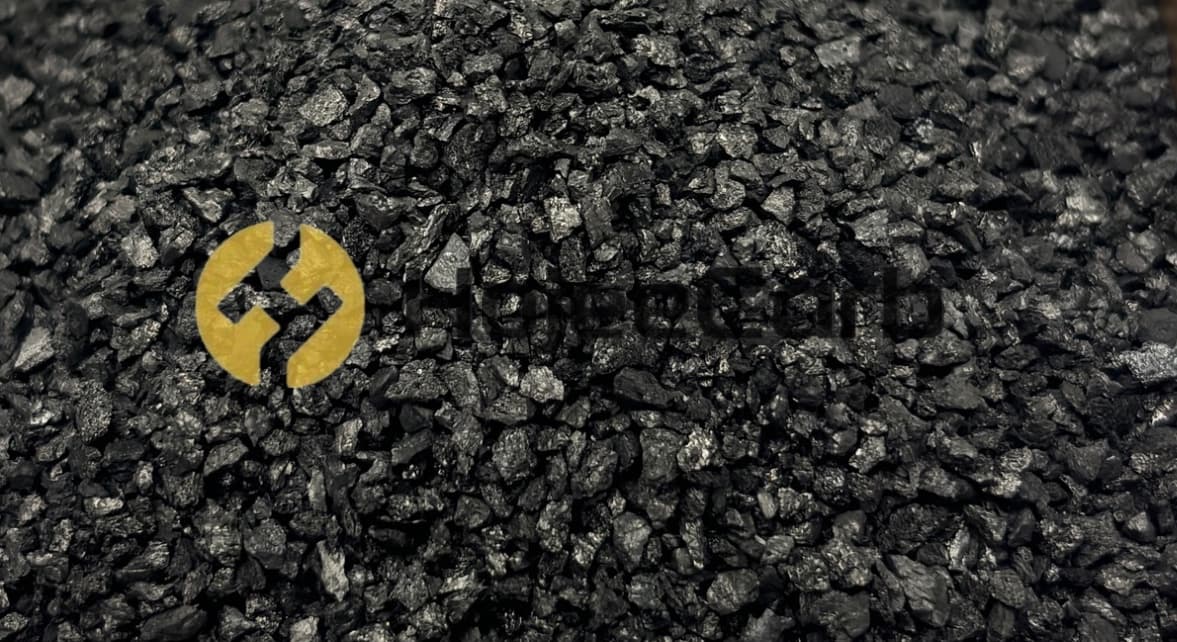
Mining & Metallurgy
⛏️ Nickel HPAL & Smelter Process Water
Coal GAC 8×30 · Iodine ≥900 · Hardness ≥95% →Sulawesi and Halmahera nickel operations (Morowali, Weda Bay RKEF/HPAL circuits) generate organic-bearing process water and scrubber blowdown that needs GAC polishing ahead of recycle or discharge under PermenLHK limits. Coal GAC 8×30 (iodine ≥900, hardness ≥95%) handles residual solvent-extraction reagents and oil traces. High hardness is non-negotiable here — these circuits are abrasive and beds get hard backwashing.
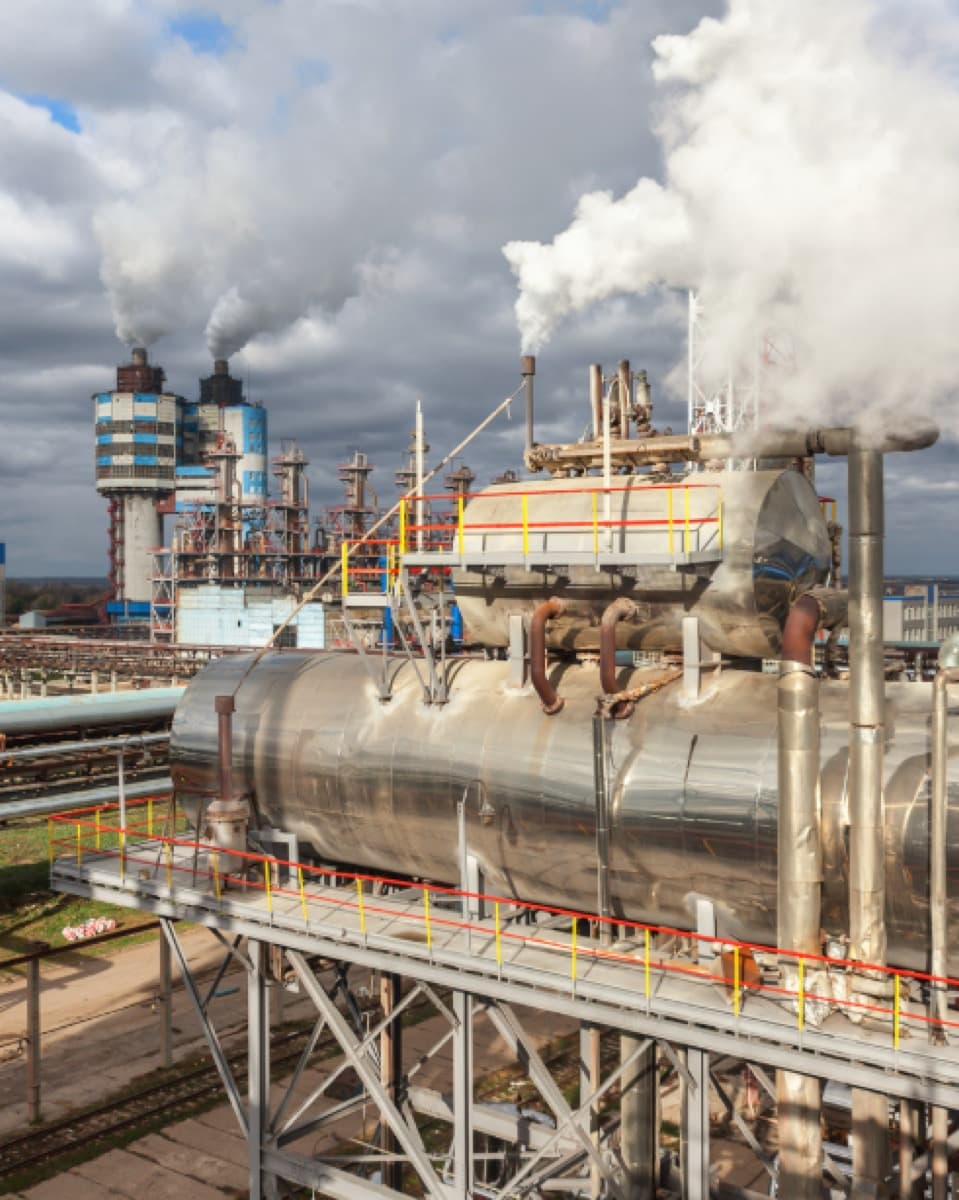
Power & Energy
🌋 Geothermal H₂S Abatement
KOH Pellet 4mm · H₂S ≥0.14 g/g · CTC ≥60% →Indonesia is the world's second-largest geothermal producer, and nearly every field (Kamojang, Dieng, Sarulla, Ulubelu) has H₂S in non-condensable gas and cooling tower off-gas. KOH-impregnated pellet carbon polishes H₂S by chemisorption at capacity ≥0.14 g/g — 5–10× higher than physical-only carbon at the concentrations found in NCG streams. Correct application: gas polishing, turbine-hall ventilation, control-room air intakes. Not bulk NCG stripping — that needs Stretford or LO-CAT upstream.
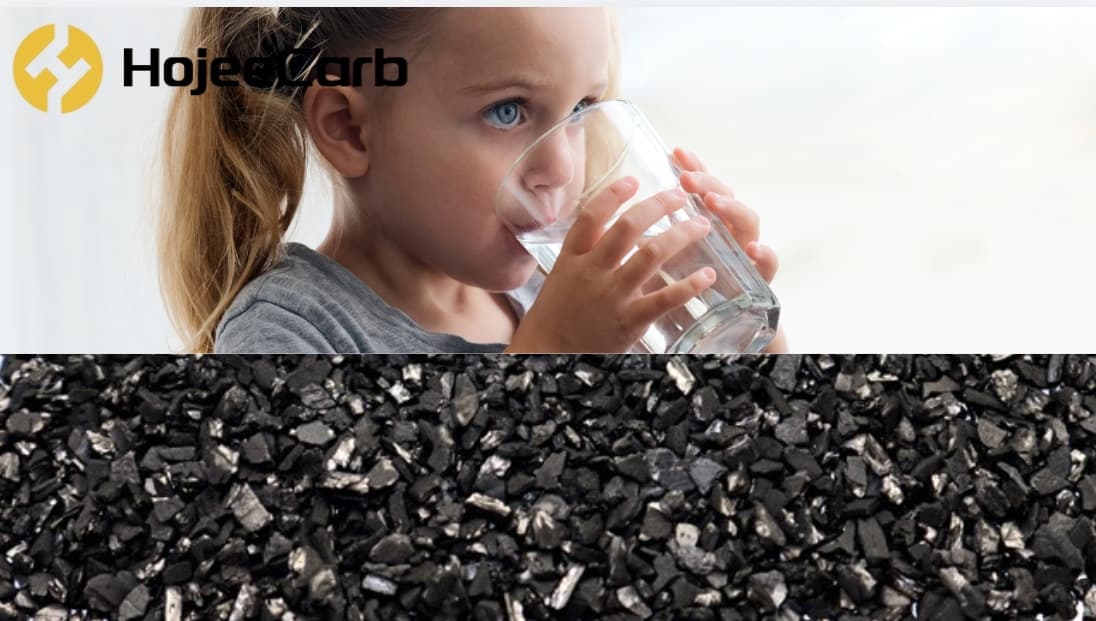
Food & Beverage
💧 AMDK Bottled Water & Depot Air Minum
Coconut GAC 8×30 / 12×40 · Iodine ≥1050 · Ash ≤3% →Indonesia's AMDK sector (SNI 01-3553) and the tens of thousands of refill depots rely on GAC as the dechlorination and taste/odour polishing stage ahead of RO or UV. Coconut GAC 8×30 (or 12×40 for short beds) at iodine ≥1050, ash ≤3% is the food-grade standard. Low fines matters most at this scale — carbon dust in product water is the single most common complaint at depots, and it is almost always avoidable. See the diagnostic section below.
Carbon Dust in Depot Water: A Diagnostic
The complaint we hear most from Indonesian depot and small AMDK operators is not low iodine or short bed life — it is black dust in product water after a media change. Work through these three in order; it is almost never the iodine number.
Dust appears immediately after media change?
→ Commissioning backwash was too short. Fresh GAC always carries transit fines. A new bed needs 20–30 minutes of upflow backwash at 10–12 m/h until the rinse runs visibly clear — not the 5 minutes that gets done when the depot is rushing to reopen. Done properly once, the problem usually disappears.
Dust returns weeks later, after each backwash?
→ Hardness is too low. Soft carbon abrades under every backwash cycle and keeps shedding. Coconut shell at hardness ≥98% holds up; many low-cost mixed-origin lots sold into the depot market sit well below that and are not tested for it. Check whether hardness appears on your supplier's COA at all.
Dust started when you switched to a finer mesh?
→ Mesh does not match the underdrain. 12×40 gives better kinetics in short beds but needs correctly sized nozzle slots or screens. Dropped into a vessel built for 8×30, the finer grade escapes through the underdrain. Match mesh to the vessel, not to the highest iodine number on the price list.
We pre-rinse and screen food-grade lots before packing, and we publish hardness on the COA rather than omitting it. Replacing a batch that dusted? Send us the old spec sheet — comparing hardness and mesh usually explains it in a minute. Full commissioning sequence in our bottled water production guide.
Frequently Asked Questions
Which carbon is right for toluene and ethyl acetate recovery?
Coconut shell columnar (extruded) 4mm at CTC 60–70. The micropore structure of coconut shell matches small solvent molecules better than coal-based carbon. High hardness (≥98%) lets it survive repeated low-pressure steam regeneration without generating fines. Our documented 48-ton delivery used CTC 70 for exactly this duty at an adhesive tape coating line.
Do you supply Form E for ACFTA 0% duty into Indonesia?
Yes, at no extra charge. Activated carbon (HS 3802.10) qualifies for 0% import duty under ASEAN–China FTA with a Form E Certificate of Origin. We issue Form E with COA, MSDS, commercial invoice, and packing list. We cross-check invoice and BL details before issuing to avoid clearance delays at Bea Cukai.
What grade do depot air minum need, and why do fines keep appearing?
Coconut GAC 8×30 for standard depot filters, or 12×40 where finer mesh suits the bed length. Target iodine ≥1050 and ash ≤3%, but the fines issue is almost never about iodine — it is about hardness and commissioning. See the diagnostic section below.
Can impregnated carbon handle geothermal H₂S directly from the wellhead?
No — not economically at bulk concentrations. KOH pellet carbon is correct for polishing duty: cooling tower off-gas, turbine-hall ventilation, NCG after a primary desulfurization unit. For raw NCG streams at percent-level H₂S, a Stretford, LO-CAT, or biological unit handles the bulk load first.
What is the MOQ and lead time?
MOQ is 1 ton (LCL) for depot, trial, and small industrial orders. Standard FCL: one 20HQ (~20 tons) in 25 kg multi-wall bags or 500 kg FIBC. Production: 7–10 days. Sea transit to Tanjung Priok: 7–10 days. Total: ~15–20 days. Air freight samples to Jakarta: 3–5 days.
Regional context and country-by-country duty comparison: activated carbon sourcing guide for Southeast Asia.
Get a Quote for Indonesia
Tell us your application, grade, and delivery port. Form E issued with every shipment.
Tanjung Priok · Tanjung Perak · Makassar / Kendari — 7–16 days from Ningbo
Request a Quote