
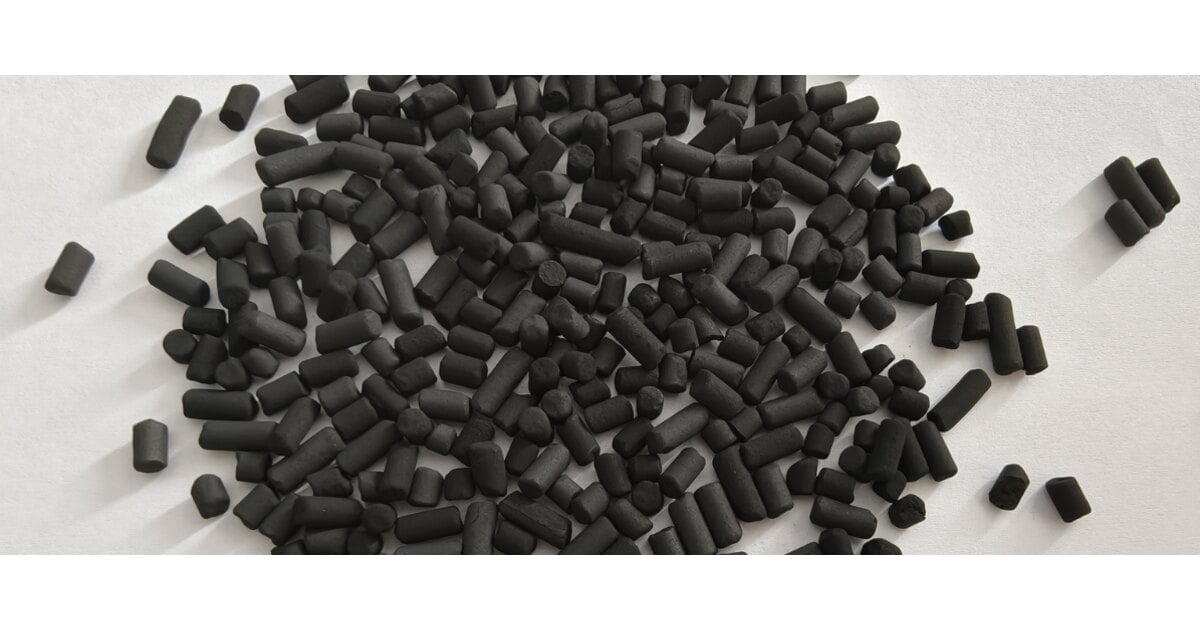
CuO / MgO Impregnated Activated Carbon
Copper-oxide / magnesium-oxide (CuO/MgO) impregnated activated carbon for chemisorption of toxic hydride gases — hydrogen cyanide (HCN), arsine (AsH₃), phosphine (PH₃) — and acid gases such as H₂S, HCl and SO₂. The metal oxides react chemically with the contaminants, capturing molecules that plain carbon cannot hold.
⚡ Quick Answer
CuO/MgO impregnated activated carbon is coal-pellet carbon loaded with 5–15% copper and magnesium oxides that chemically react with toxic hydride gases — hydrogen cyanide (HCN), arsine (AsH₃), phosphine (PH₃) — and acid gases like H₂S, HCl and SO₂. The metal oxides capture over 95% of these molecules that plain carbon cannot hold, making it standard media for syngas cleanup and semiconductor exhaust abatement.
- Metal-Oxide Loading
- 5 – 15% by weight
- HCN / AsH₃ Capture
- > 95% efficiency
- Base Carbon
- Coal pellet Φ3–4mm
- Targets
- HCN, AsH₃, PH₃, acid gas
Related: All Impregnated Carbon · Chemical Industry · KOH Impregnated (acid gas) · Get a Quote
The Removal Challenge
Why toxic hydride and acid gases need CuO/MgO carbon
Toxic hydride gases such as hydrogen cyanide (HCN), arsine (AsH₃) and phosphine (PH₃) — along with acid gases like H₂S, HCl and SO₂ — are only weakly held by physical adsorption, so plain activated carbon breaks through quickly and lets them slip downstream. CuO/MgO impregnation solves this by adding a reactive metal-oxide layer to the pore network: copper oxide reacts with hydride and sulfur species to form stable metal complexes, while magnesium oxide neutralizes acid gases. The result is a dual-mechanism adsorbent — physical adsorption plus chemisorption — that locks the contaminants permanently into the carbon. It is a standard media for syngas and coal-gasification cleanup, semiconductor process-gas abatement, and safety guard beds handling cyanide- or arsenic-bearing streams.
How CuO/MgO Carbon Works
Metal oxides chemisorb what plain carbon releases
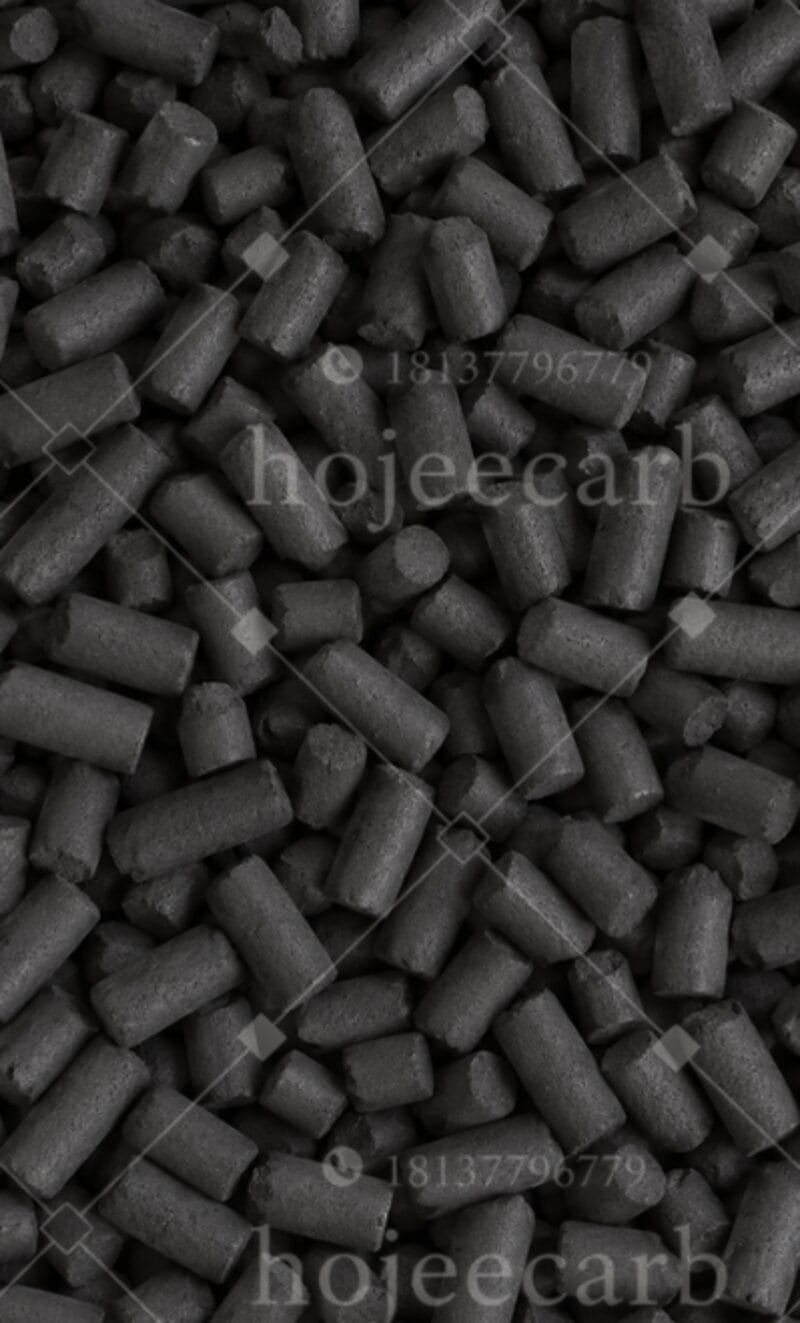
Base coal-pellet or granular carbon is impregnated with 5–15% copper oxide and/or magnesium oxide, distributing reactive sites evenly across the internal pore network.
Copper oxide reacts with HCN, AsH₃, PH₃ and H₂S to form stable, non-volatile metal complexes; magnesium oxide neutralizes acid gases such as HCl and SO₂ by forming solid salts.
Because capture is chemical rather than physical, the bound contaminants will not desorb when temperature or gas composition shifts — no secondary release of toxic gas downstream.
Where It's Used
Applications for CuO/MgO-impregnated carbon
Carbon Selection
Choosing CuO/MgO carbon by duty
Match base carbon, form and metal-oxide loading to your gas stream and target contaminant. Every lot ships with a batch COA — iodine number, metal-oxide content, ash, moisture and target-gas capacity.
| Removal Duty | Recommended Base | Impregnant | Form |
|---|---|---|---|
| HCN / cyanide capture | Coal-based pellet | CuO 8–15% | Pellet Φ3–4mm |
| Arsine / phosphine (semiconductor) | Coal-based granular | CuO (+ Ag/Zn co-impreg.) | Granular 4×8 |
| Acid gas (HCl / SO₂) | Coal-based pellet | MgO 5–10% | Pellet Φ4mm |
| Mixed hydride + acid gas | Coal-based pellet | CuO + MgO blend | Pellet Φ3–4mm |
Process Design
Maximum capture at lowest cost
Metal-oxide loading vs cost
Higher CuO/MgO loading (10–15%) gives greater chemical capacity for high-inlet streams but raises cost. Polishing and guard beds with low inlet concentration run economically at 5–8%. We size loading to your inlet concentration and target breakthrough.
Bed contact time (EBCT)
Chemisorption of hydride and acid gases needs adequate empty-bed contact time — typically 1–2 seconds. Under-sized beds break through early. Share your flow rate for a bed-sizing calculation.
Temperature & moisture
CuO/MgO carbon performs best at moderate temperature and controlled humidity. Some acid-gas reactions benefit from a little moisture; excessive water can blind pores. We advise on conditioning for your stream.
Co-impregnation options
For semiconductor arsine/phosphine duty, CuO can be co-impregnated with silver or zinc oxide to broaden the capture spectrum. Blended CuO+MgO grades handle mixed hydride-plus-acid-gas streams. Available on request.
Technical Specifications
| Parameter | Coal Pellet (Hydride) | Coal Pellet (Acid Gas) |
|---|---|---|
| Impregnant | CuO (±Ag/Zn) | MgO (±CuO) |
| Metal-Oxide Content | 8–15% by weight | 5–10% by weight |
| Iodine Number | ≥700 mg/g | ≥700 mg/g |
| Form | Pellet Φ3–4mm | Pellet Φ4mm |
| Target Gas | HCN, AsH₃, PH₃, H₂S | HCl, SO₂, H₂S |
| Ash Content | ≤15% | ≤15% |
| Moisture | ≤5% | ≤5% |
| Bulk Density | 0.45–0.60 g/cm³ | 0.45–0.60 g/cm³ |
Field Performance
Proven toxic-gas capture
Case: syngas plant installs CuO/MgO guard bed for HCN and acid gas
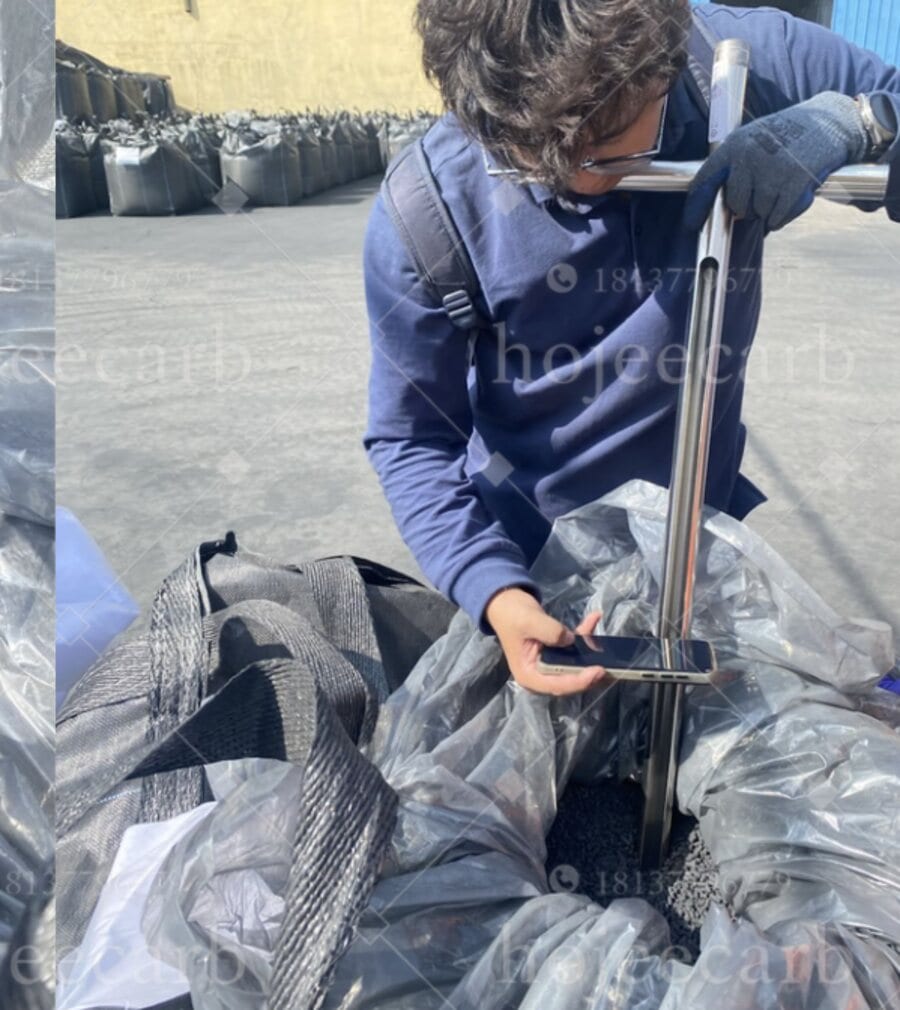
A coal-gasification operator added a CuO/MgO-impregnated coal-pellet guard bed downstream of its primary scrubber to polish residual HCN and acid gases before the gas reached a sensitive catalyst section. At 12% CuO loading the bed cut outlet HCN to below detection and protected the downstream catalyst from cyanide poisoning, with a multi-month service life before the first change-out.
Related Products
Explore other impregnated grades and base carbons. Contact us for a tailored recommendation.
Impregnated Activated Carbon (Overview)
All impregnant types — KOH, sulfur, silver, KMnO₄, KI, CuO/MgO
KOH Impregnated Activated Carbon
H₂S and acid-gas removal from biogas and natural gas
Coal-Based Pellet Activated Carbon
Base carbon for CuO/MgO impregnation, low pressure drop
CuO/MgO Carbon — Frequently Asked Questions
What is CuO/MgO impregnated activated carbon used for?
CuO/MgO (copper oxide / magnesium oxide) impregnated activated carbon is used to remove toxic hydride gases — hydrogen cyanide (HCN), arsine (AsH₃) and phosphine (PH₃) — as well as acid gases such as H₂S, HCl and SO₂. It is widely applied in syngas and coal-gasification cleanup, semiconductor process-gas abatement, and chemical-plant safety guard beds. The metal oxides react chemically with the contaminants, holding them permanently rather than just physically adsorbing them.
Why do HCN and arsine need CuO/MgO carbon instead of plain activated carbon?
Hydride gases like HCN, arsine and phosphine are only weakly held by physical adsorption, so plain carbon breaks through quickly and lets them pass downstream. CuO impregnation adds a chemical reaction: copper oxide converts these gases into stable, non-volatile metal complexes that stay locked in the carbon pores. MgO similarly neutralizes acid gases by forming solid salts, giving reliable long-term capture.
What metal-oxide loading should I choose?
Typical CuO/MgO loading ranges from 5% to 15% by weight. Higher loading (10–15%) gives greater capacity for high-inlet streams or guard beds protecting sensitive catalysts; lower loading (5–8%) is economical for polishing duty. We match loading to your inlet concentration and target breakthrough.
Can CuO carbon be combined with other impregnants?
Yes. For semiconductor arsine/phosphine duty, CuO can be co-impregnated with silver or zinc oxide to broaden the capture spectrum. Blended CuO+MgO grades handle mixed hydride-plus-acid-gas streams. Custom co-impregnation is available on request.
What base carbon and form is available?
We supply CuO/MgO impregnation on coal-based pellet (Φ3–4mm, low pressure drop for guard beds) and coal-based granular (4×8). We select the base carbon and form to match your process gas, flow rate and pressure-drop requirements.
What is the MOQ and lead time?
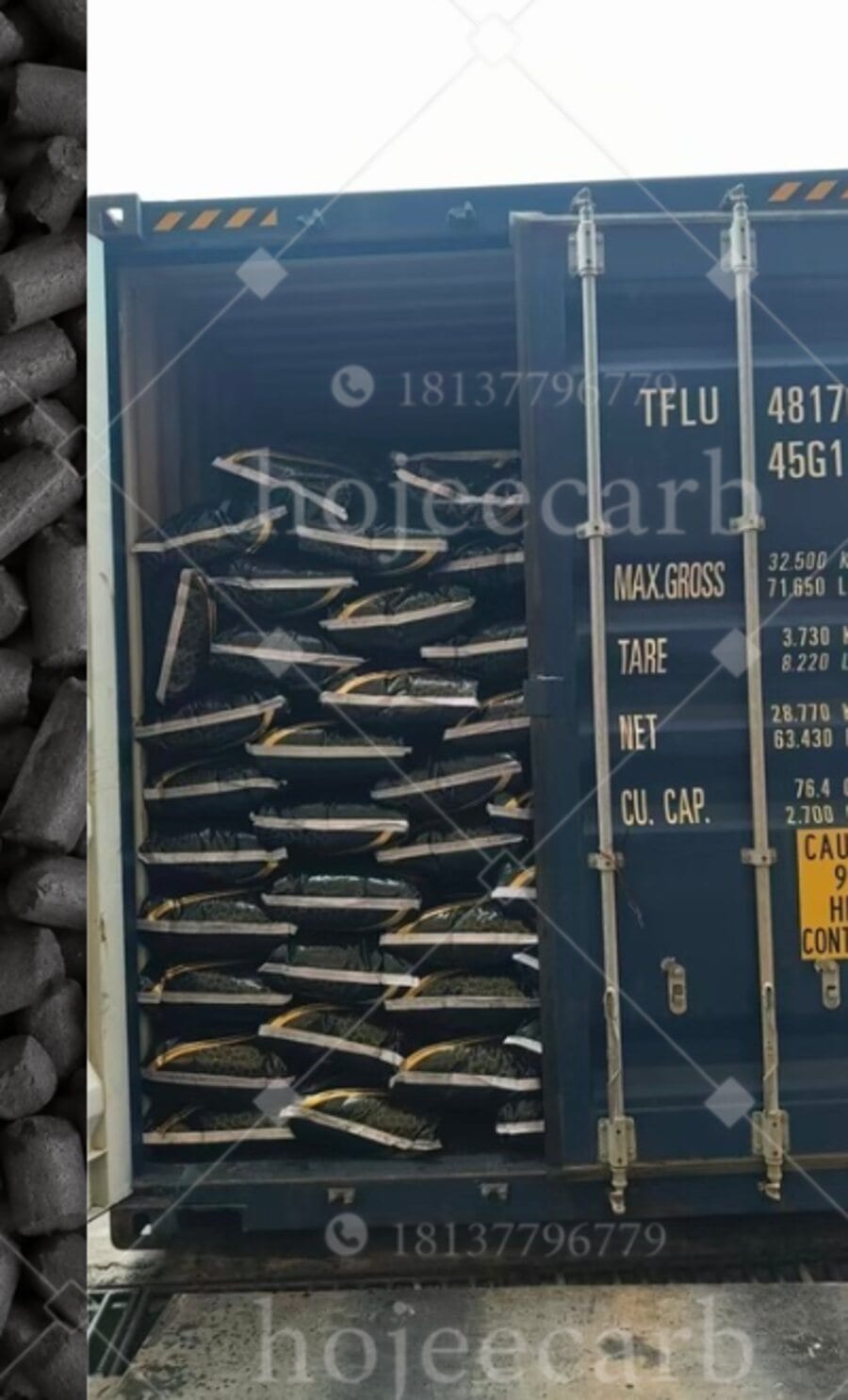
MOQ is 1 ton with custom metal-oxide loading. Standard lead time is 10–15 days factory-direct. Packaging: sealed 25 kg bags or 500 kg jumbo bags with PE liner, private-label available. Every lot ships with a batch COA.
Need CuO/MgO carbon sized for your toxic-gas duty?
Tell us your gas composition, flow rate, temperature and inlet HCN / arsine / acid-gas concentration. Our engineers will recommend the base carbon, metal-oxide loading and bed size — and ship a free sample for evaluation.
Request a CuO/MgO Carbon Quote