
Water Treatment Guide
GAC Water Filtration: How Granular Activated Carbon Removes Contaminants
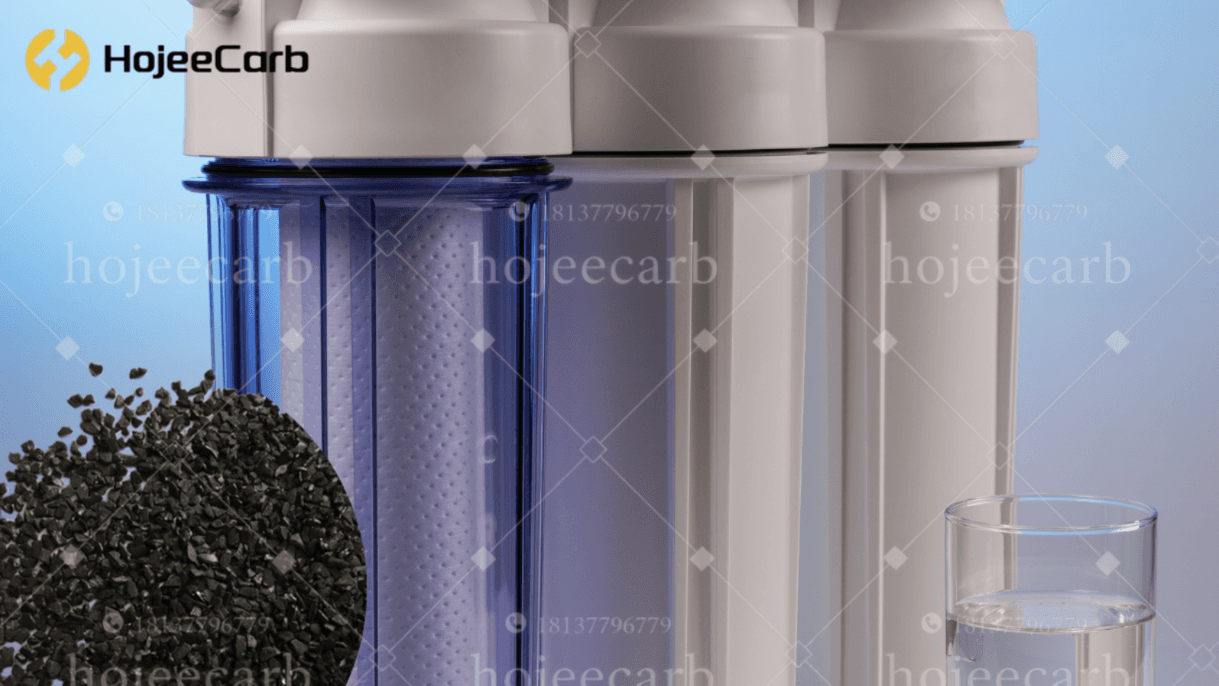
Quick Summary
- GAC removes chlorine (>99%), THMs, VOCs, taste/odor, and PFAS through adsorption
- Coconut shell GAC (1,000–1,200 mg/g iodine) is best for drinking water; coal-based for industrial wastewater
- 8×30 mesh is the standard specification for municipal fixed-bed systems
- Design EBCT: 5–10 min (drinking water), 10–30 min (industrial), 15–30 min (PFAS)
- Service life: 1–3 years for municipal systems before thermal regeneration
Granular activated carbon (GAC) is the most widely used filtration media for removing chlorine, organic compounds, and odor from drinking water, industrial process water, and municipal treatment systems. If you are evaluating activated carbon for water filtration, this guide covers how it works, which type fits your application, and what specs to look for when buying.
GAC vs Other Activated Carbon Forms
| Type | Particle Size | Best For | Flow Rate |
|---|---|---|---|
| GAC (Granular) | 8×30, 12×40 mesh | Continuous flow, municipal water | High |
| PAC (Powder) | <100 mesh | Batch dosing, emergency treatment | N/A (dosed) |
| Carbon Block | Molded | Under-sink, point-of-use | Low–Medium |
| Pellet (Extruded) | 4×8 mesh | Air treatment, some water uses | Medium |
How GAC Water Filtration Works
GAC removes contaminants through adsorption — not filtration by particle size. The carbon surface carries a network of micropores (surface area typically 800–1,100 m²/g) that trap dissolved organic molecules as water passes through the bed.
- Mass Transfer Zone — Contaminants migrate from bulk water to the carbon surface. The clean zone at the outlet shrinks as inlet carbon saturates.
- Equilibrium Zone — Nearly saturated carbon; molecules compete for remaining adsorption sites.
- Breakthrough — Effluent concentration rises above target. Time to replace or regenerate.
What Does GAC Remove from Water?
| Contaminant | Removal Efficiency | Notes |
|---|---|---|
| Chlorine & chloramines | >99% | Fast adsorption; protects downstream membranes |
| Trihalomethanes (THMs) | 85–99% | Regulated disinfection byproducts |
| VOCs (benzene, toluene) | 80–99% | Depends on molecular weight and EBCT |
| Taste & odor compounds | 90–99% | Geosmin, MIB — highly effective |
| Pesticides & herbicides | 70–95% | Atrazine, glyphosate |
| PFAS (emerging) | 50–90% | Requires specific GAC type + longer EBCT |
| Heavy metals | Low | Requires acid-washed or impregnated carbon |
| Bacteria / viruses | Not reliable | GAC is not a disinfection step |
GAC does not reliably remove inorganic salts, nitrates, or microbiological contamination — those require additional treatment steps.
Need activated carbon?
Get Factory-Direct Pricing — No Middlemen
20+ years manufacturing. MOQ 1 ton. Free samples. Reply within 2 hours.
Types of GAC by Raw Material
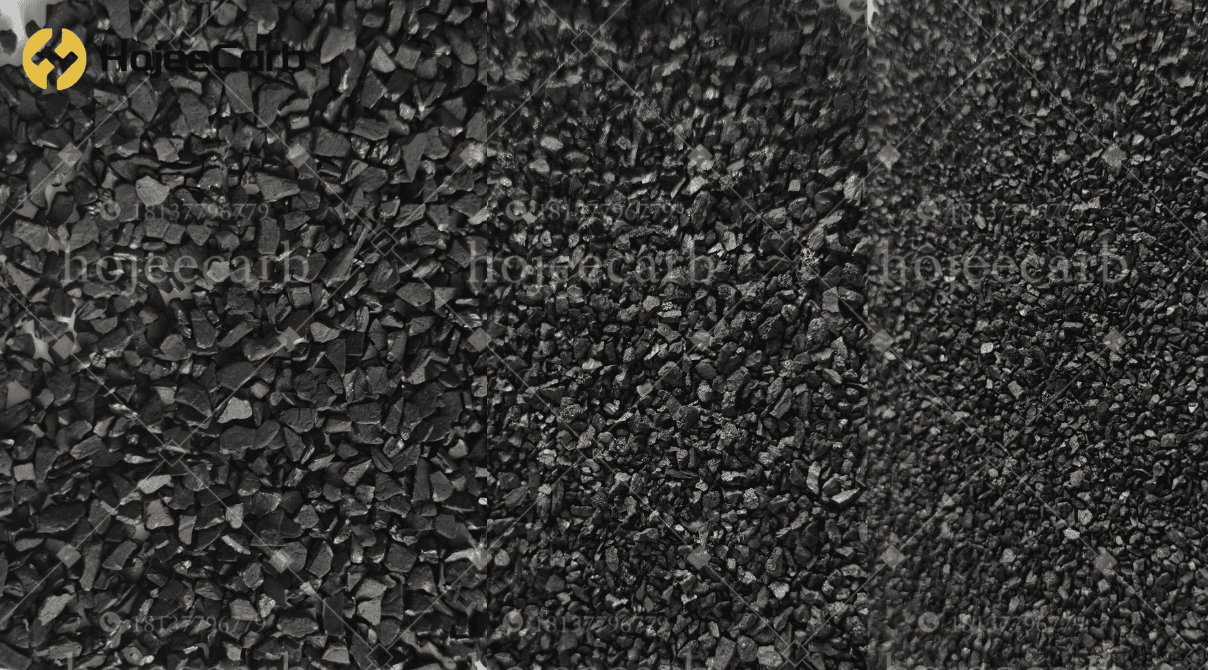
1. Coconut Shell GAC
- Iodine value: 1,000–1,200 mg/g
- Surface area: 1,000–1,100 m²/g; micropore-dominant
- Best for small-molecule removal: chlorine, THMs, VOCs
- Lower ash, harder, produces fewer fines in fixed-bed systems
- Best for: drinking water, food & beverage, aquarium filtration
2. Coal-Based GAC
- Iodine value: 800–1,050 mg/g
- Mesopore-dominant: better for larger organic molecules
- Higher capacity per unit cost
- Best for: industrial wastewater, municipal tertiary treatment
3. Wood-Based GAC
- Iodine value: 700–900 mg/g
- Macropore-dominant: fastest kinetics for large molecules
- Best for: decolorization, food processing, specific industrial uses
For most drinking water and municipal GAC systems, coconut shell activated carbon is the premium choice. Coal-based GAC is standard for industrial wastewater where cost per ton matters more.
Key Specifications When Buying GAC
| Parameter | Drinking Water | Industrial |
|---|---|---|
| Iodine value | ≥1,000 mg/g | ≥800 mg/g |
| Mesh size | 8×30 or 12×40 | 8×30 common |
| Moisture content | ≤5% | ≤10% |
| Ash content | ≤5% | ≤10% |
| Hardness (ball-pan) | ≥95% | ≥90% |
| Apparent density | 0.44–0.55 g/cm³ | 0.45–0.60 g/cm³ |
If a supplier cannot provide these parameters with a third-party COA (Certificate of Analysis), look elsewhere. For drinking water contact, require NSF/ANSI 61 certification.
How to Design a GAC Filtration System
Empty Bed Contact Time (EBCT)
EBCT = Volume of GAC bed ÷ Volumetric flow rate. This single parameter drives bed sizing and removal efficiency.
- Drinking water (chlorine / THM removal): 5–10 minutes
- Industrial wastewater: 10–30 minutes
- PFAS removal: 15–30 minutes
Bed Depth
Minimum 0.9 m (3 ft) for a properly developed mass transfer zone. Most municipal systems run 1.2–2.0 m. To size carbon volume for a specific flow rate, use our EBCT carbon bed calculator.
GAC vs Activated Carbon for Water Filtration: Are They Different?
Not really. "Activated carbon for water filtration" most often refers to GAC in a fixed-bed column, since GAC is the dominant form used in water treatment. The real distinction is form factor:
- GAC — fixed-bed column systems, regenerable, large-scale
- PAC (powder) — dosed into water and removed with sludge; used for seasonal taste-odor events
- Carbon block — compressed media for point-of-use cartridges
For a water treatment system handling thousands of cubic meters per day, GAC in a pressure filter vessel is the industry standard.
How Long Does GAC Last?
| Application | Typical GAC Life |
|---|---|
| Municipal drinking water | 1–3 years before regeneration |
| Industrial effluent polishing | 6–18 months |
| Point-of-use household | 3–6 months (replace, not regenerate) |
Thermal regeneration at 800–900°C recovers 85–95% of adsorption capacity. Coconut shell GAC survives more regeneration cycles than coal-based grades before losing structural integrity. See our guide on activated carbon regeneration methods for the full process.
Frequently Asked Questions
What mesh size GAC is best for municipal water treatment?
8×30 mesh (0.6–2.36 mm) is the most common specification for large municipal water systems. It balances contact time with pressure drop, allowing high flow rates without excessive head loss. 12×40 mesh is used for smaller systems or when finer particle contact time is needed, such as point-of-use or pilot-scale filters.
Can GAC remove PFAS from drinking water?
Yes, with limitations. Standard GAC removes 50–90% of longer-chain PFAS compounds such as PFOA and PFOS. Shorter-chain PFAS are harder to adsorb. Effective PFAS removal requires a longer empty bed contact time (EBCT) of 15–30 minutes, specific bituminous or coconut shell GAC, and more frequent carbon replacement or regeneration. Some systems run multiple GAC beds in series for better capture rates.
How long does granular activated carbon last in a water filter?
Service life depends on the application. In municipal drinking water treatment, GAC typically lasts 1–3 years before breakthrough, after which it can be thermally regenerated at 800–900°C to recover 85–95% of capacity. Industrial effluent systems may see 6–18 months of service life. Household point-of-use cartridges should be replaced every 3–6 months as they are not regenerated.
What is the difference between GAC and activated charcoal for water?
They are the same material. 'Activated charcoal' is the consumer-market term commonly used for household water pitchers and aquarium filters. 'Granular activated carbon' or 'GAC' are the industry terms used in water treatment engineering. The chemistry, adsorption mechanism, and performance are identical.
What certifications should GAC have for drinking water applications?
For drinking water contact, GAC should be certified to NSF/ANSI Standard 61 (Drinking Water System Components) to confirm it does not leach harmful substances. AWWA B604 is the American standard for GAC specifications. In Europe, EN 12915 applies. Always request a third-party test report from SGS, Bureau Veritas, or Intertek for each production batch.
Sourcing GAC in Bulk
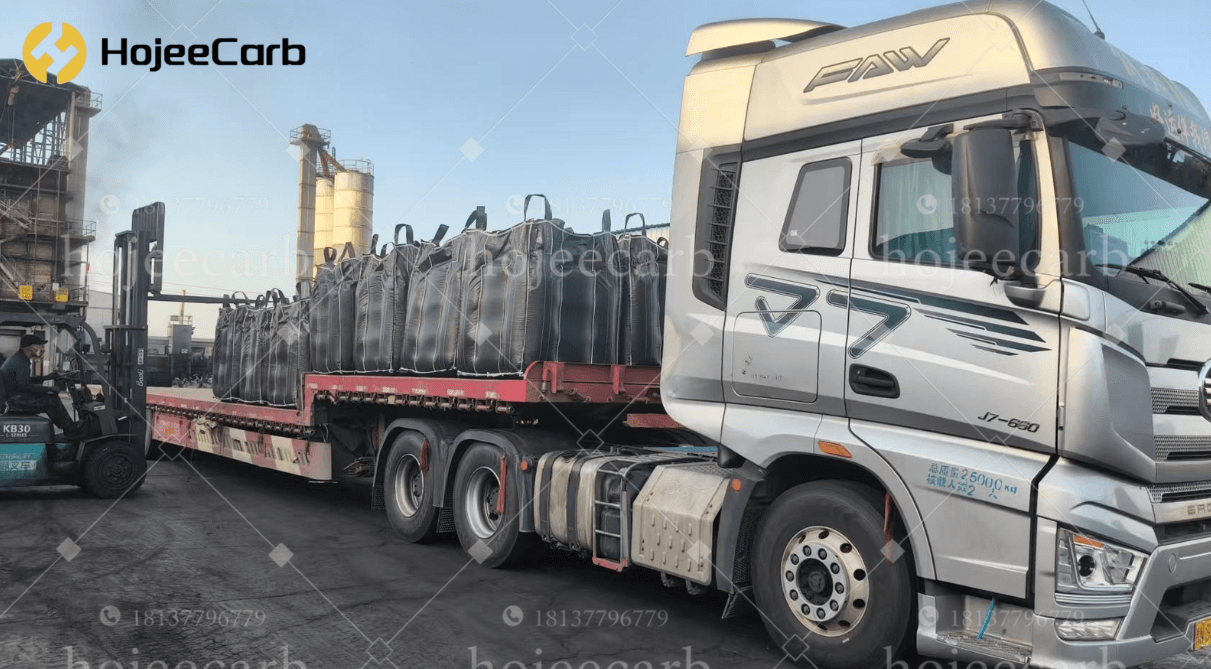
China produces over 60% of the world's activated carbon. Ningxia and Shanxi are the primary coal-based production zones; Fujian and Hainan supply most coconut shell carbon. When sourcing internationally, require:
- Third-party test reports from SGS, Bureau Veritas, or Intertek
- NSF/ANSI 61 certification for drinking water contact
- Consistent iodine value across production batches
- COA (Certificate of Analysis) per shipment
We supply GAC in full container loads of 20–25 MT with complete test documentation. Our granular activated carbon is available in 8×30 and 12×40 mesh, in both coconut shell and coal-based grades. For pricing by tonnage and grade, see the activated carbon price guide.
Need GAC Specs or Samples?
Send us your water quality data and flow rate — we will recommend the right grade and mesh size. Response within 24 hours.
Request a Quote