
Activated Carbon for Municipal Water Purification: Bulk Sourcing & System Design 2026
Municipal water treatment plants face increasing pressure to meet stricter drinking water standards — from PFAS compliance (EPA 2026 rule) to taste/odor control and DBP precursor removal. Activated carbon remains the most cost-effective and proven technology for these challenges.
But sourcing the right carbon in bulk, designing efficient GAC systems, and optimizing costs requires technical expertise. This guide walks you through everything a municipal water plant needs to know.
⚡ Quick Answers
- What EBCT should we use for our municipal GAC system?
- For taste/odor removal: 5–10 minutes. For TOC and DBP precursor removal: 10–20 minutes. For PFAS compliance (EPA 2026 standard): 15–30 minutes. Higher EBCT improves removal efficiency but increases vessel size and carbon inventory. Most municipal plants operate 10–15 minutes as a balance.
- How much activated carbon does a typical municipal water plant need?
- Depends on flow rate and EBCT. Example: 10 MGD (million gallons/day) plant with 15-minute EBCT needs ~150,000 lbs (68 tons) of carbon per vessel. Most plants have 2–4 parallel vessels for redundancy and maintenance. Total inventory: 150–300 tons.
- What's the difference between coconut shell and coal-based carbon for municipal use?
- Coconut shell: Higher micropore volume, lower ash, NSF 61 certified, superior hardness (less dust), preferred for drinking water. Coal-based: More cost-effective for large volumes, broader pore distribution, better for color/odor removal. Most municipal plants use coconut shell for compliance and quality assurance.
- How often do we need to replace GAC in a municipal system?
- Typically 1–3 years depending on water quality, contaminant loading, and EBCT. Monitor effluent quality (taste, odor, TOC, PFAS levels) monthly. Replace when breakthrough occurs or regulatory limits are approached. Some plants regenerate carbon on-site to extend life.
1. Understanding Your Municipal Water Challenges
Municipal water plants typically face multiple contaminant removal needs. Here's what activated carbon handles best:
| Contaminant / Challenge | Removal Efficiency | Carbon Type | EBCT Required |
|---|---|---|---|
| Chlorine & chloramines | 95–99% | Any GAC | 5–10 min |
| Taste & odor (MIB, geosmin) | 90–98% | Coconut shell | 8–15 min |
| TOC & DBP precursors | 50–70% | Coconut shell | 10–20 min |
| PFAS (PFOA, PFOS) | 70–95% | Coconut shell (high iodine) | 15–30 min |
| Pesticides & herbicides | 60–85% | Coconut shell | 12–20 min |
| Color (NOM) | 40–60% | Coal-based | 10–15 min |
Key insight: PFAS removal requires higher EBCT (15–30 minutes) and premium coconut shell carbon with iodine number ≥1000. Budget accordingly.
2. GAC System Design: EBCT & Vessel Sizing
Empty Bed Contact Time (EBCT) is the foundation of GAC system design. It determines how long water stays in contact with carbon — directly affecting removal efficiency.
EBCT Formula
EBCT (minutes) = Bed Volume (gallons) / Flow Rate (gallons/minute)
Example Calculation: 10 MGD Municipal Plant
Given:
- Flow rate: 10 MGD = 6,944 GPM
- Target EBCT: 15 minutes (for taste/odor + TOC removal)
- Bulk density of GAC: 28 lbs/cubic foot
Calculation:
- Bed volume needed = 6,944 GPM × 15 min = 104,160 gallons
- Vessel dimensions (typical): 12 ft diameter × 8 ft bed depth = ~90,000 gallons per vessel
- Need 2 vessels in parallel (redundancy + maintenance)
- Carbon per vessel = 90,000 gal × 28 lbs/cu ft ÷ 7.48 gal/cu ft = ~336,000 lbs (168 tons)
- Total inventory: ~336 tons for 2-vessel system
Cost estimate: 336 tons × $2,000/ton (coconut shell) = $672,000 initial carbon cost
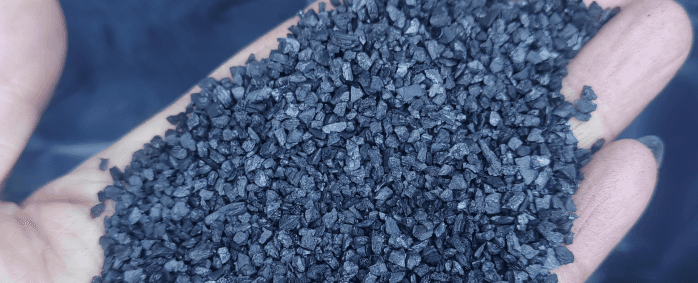
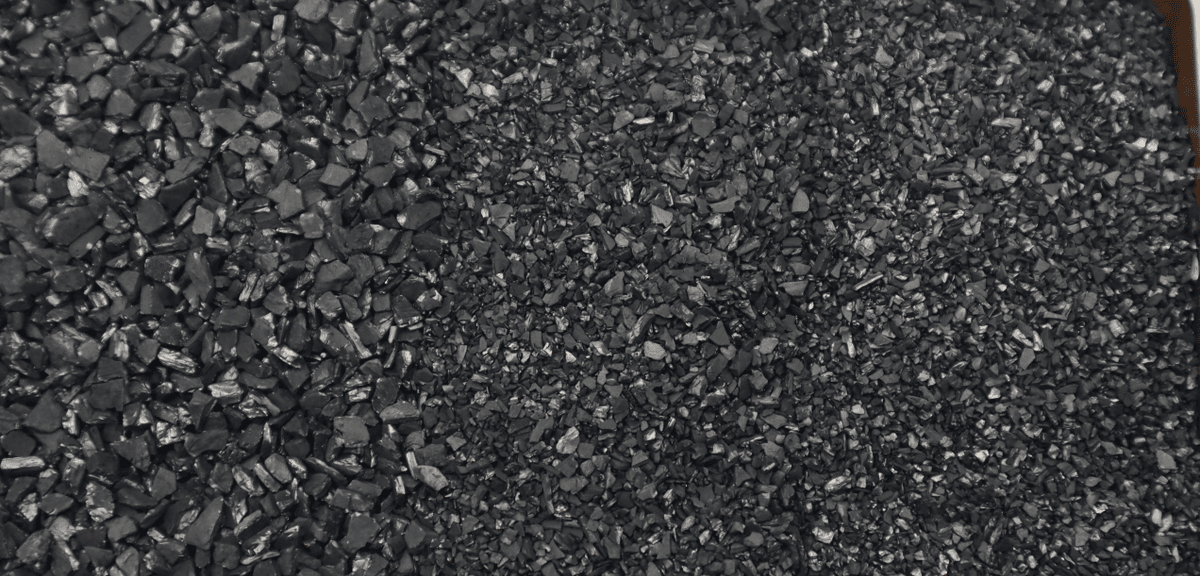
3. Choosing Between Coconut Shell & Coal-Based Carbon
Need activated carbon?
Get Factory-Direct Pricing — No Middlemen
20+ years manufacturing. MOQ 1 ton. Free samples. Reply within 2 hours.
Need bulk pricing for municipal water treatment carbon?
Factory-direct rates, MOQ 1 ton. Get a quote in 24 hours.
| Property | Coconut Shell | Coal-Based |
|---|---|---|
| Micropore volume | High (best for small molecules) | Moderate |
| Hardness (abrasion resistance) | 98% min | 92% min |
| Ash content | 3% max | 12% max |
| NSF 61 certified | Yes (readily available) | Limited options |
| PFAS removal | Excellent (iodine 1000+) | Moderate |
| Cost per ton | $1,000–$3,000 | $500–$1,100 |
| Regenerability | Good (steam reactivation) | Good |
Recommendation for municipal plants: Use coconut shell GAC for drinking water. The premium cost is justified by NSF compliance, superior PFAS removal, and lower ash (less backwash waste).
4. NSF/ANSI 61 Certification: Non-Negotiable
NSF/ANSI 61 certification is mandatory for all activated carbon used in municipal drinking water systems. It verifies that the carbon:
- Does not leach harmful contaminants into water
- Meets purity standards for ash, heavy metals, and organic compounds
- Is safe for long-term contact with potable water
When sourcing carbon: Always request NSF 61 certificate of compliance from your supplier. Verify it covers the specific mesh size and iodine number you're ordering.
5. PFAS Compliance: The 2026 EPA Rule
The EPA's 2026 drinking water standard sets limits on PFOA and PFOS at 4 ppt (parts per trillion) — the strictest drinking water standard ever. Activated carbon is the primary technology for compliance.
PFAS Removal Requirements
- Carbon type: Coconut shell GAC with iodine number ≥1000
- EBCT: 15–30 minutes (higher than taste/odor removal)
- Bed life: 6–18 months (shorter than conventional GAC due to PFAS loading)
- Monitoring: Monthly PFAS testing (PFOA, PFOS, PFHxS, PFNA)
Cost impact: PFAS-compliant systems cost 20–30% more than conventional GAC systems due to higher EBCT, premium carbon, and frequent monitoring.
6. Bulk Sourcing: MOQ, Pricing & Lead Times
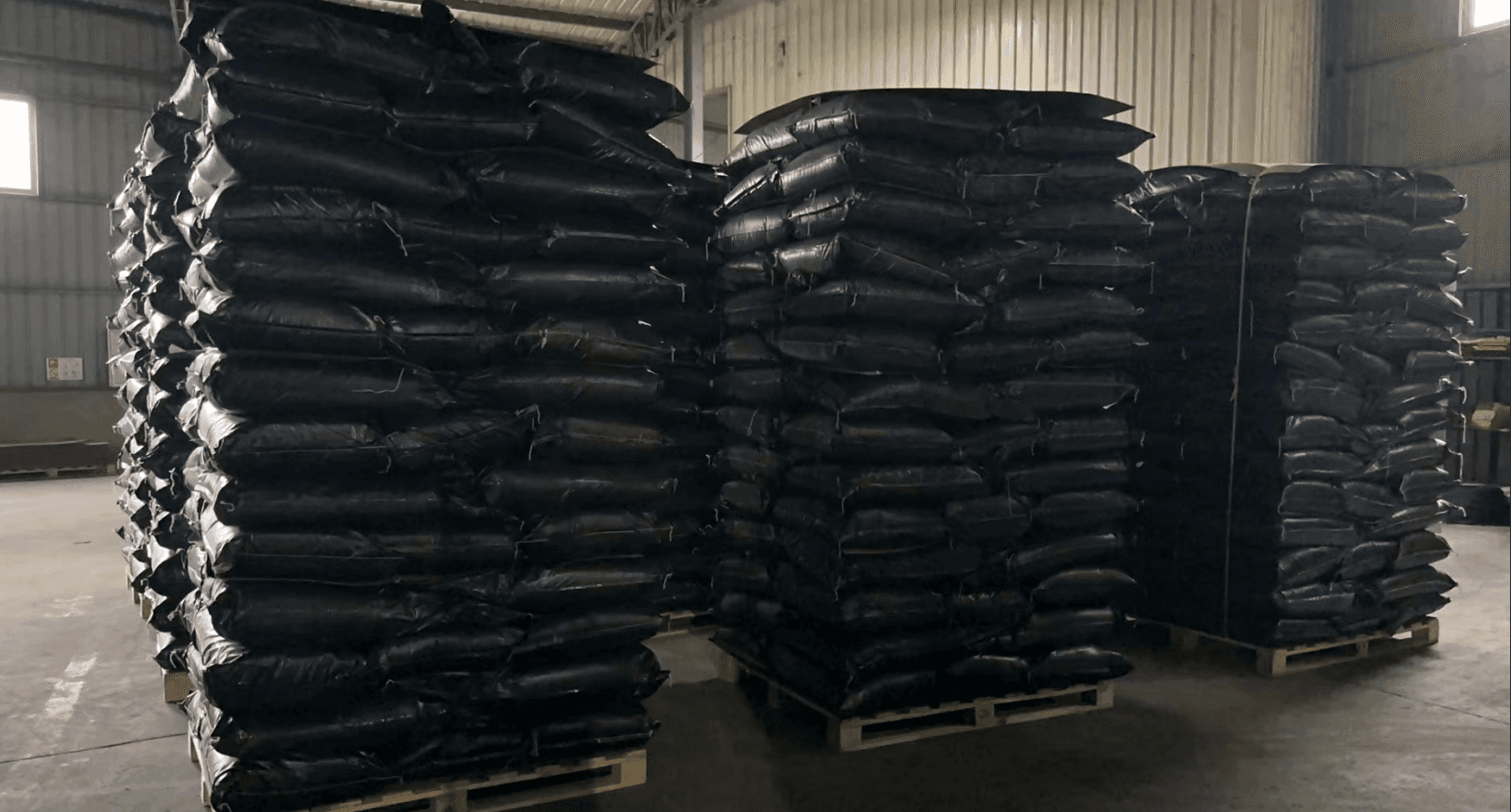
Activated carbon packaging ready for bulk shipment
For municipal plants ordering 100+ tons, here's what to expect:
| Parameter | Typical Range | Notes |
|---|---|---|
| Minimum Order Quantity (MOQ) | 10 tons | Larger orders (200+ tons) get better pricing |
| Price per ton (coconut shell) | $1,000–$3,000 | Bulk discount: 10–20% for 200+ tons |
| Price per ton (coal-based) | $500–$1,100 | More price-sensitive to market |
| Lead time | 1–4 weeks | Longer during peak season (spring/summer) |
| Shipping cost | $10/ton min | Depends on port, destination, logistics |
| Payment terms | 30–50% deposit, balance on shipment | Established buyers may get net 30 |
7. Mesh Size Selection
Standard municipal GAC comes in two mesh sizes:
- 8×30 mesh: Most common for municipal plants. Larger granules = lower pressure drop, faster flow, lower cost. Typical for 10–20 MGD plants.
- 12×40 mesh: Finer granules = higher surface area, better contact, slower flow. Used for smaller plants or when space is limited.
Recommendation: Use 8×30 for most municipal applications. Consult your filter design engineer to confirm based on vessel dimensions and flow rate.
8. Carbon Replacement & Regeneration Strategy
Most municipal plants replace GAC every 1–3 years. To optimize costs:
Option 1: Full Replacement (Virgin Carbon)
- Cost: $1,000–$3,000/ton
- Pros: Highest capacity, no quality variability
- Cons: Highest cost, disposal of spent carbon
Option 2: On-Site Regeneration (Steam Reactivation)
- Cost: $800–$1,200/ton (regeneration service)
- Pros: 50–70% cost savings, extends carbon life 2–3 cycles
- Cons: Requires on-site regeneration equipment or contract with regeneration service
Option 3: Blended Approach (50% Virgin + 50% Regenerated)
- Cost: ~$2,000/ton average
- Pros: Balance of cost and performance
- Cons: Requires careful quality control
Recommendation: For PFAS compliance, use virgin coconut shell carbon. For taste/odor removal, consider regenerated carbon to reduce costs.
9. Quality Assurance & Testing
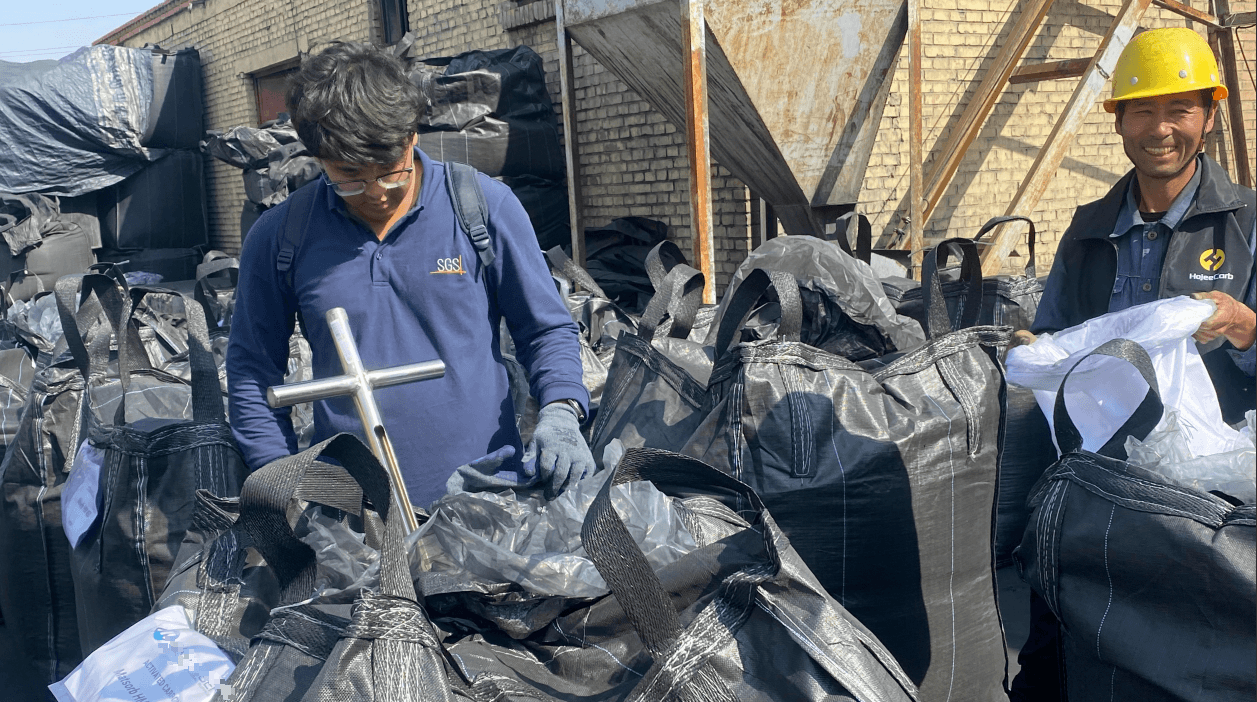
SGS third-party quality inspection at HojeeCarb production facility
Before accepting bulk carbon shipments, verify:
- Iodine number: ≥900 (standard), ≥1000 (PFAS removal)
- Methylene blue number: ≥150 (mesopore capacity)
- Hardness: ≥98% (abrasion resistance)
- Ash content: ≤3% (lower is better)
- Moisture content: ≤5% (affects dosing accuracy)
- NSF 61 certificate: Valid and covers your specific product
Request third-party test reports from your supplier. Don't rely on supplier claims alone.
10. Cost Optimization Tips
- Bulk ordering: Order 200+ tons to negotiate 15–20% discounts
- Seasonal timing: Order in fall/winter (off-season) for better pricing
- Direct sourcing: Buy directly from manufacturers (China) instead of distributors to save 30–50%
- Regeneration: Invest in on-site regeneration equipment if replacing carbon annually (payback: 2–3 years)
- Blended carbon: Mix virgin and regenerated carbon to reduce costs without sacrificing performance
11. Common Mistakes to Avoid
- Undersizing EBCT: Cutting EBCT to save carbon costs leads to poor removal and regulatory violations. Don't compromise.
- Ignoring NSF 61: Using non-certified carbon in drinking water systems is a compliance violation.
- Neglecting monitoring: Monthly water quality testing is essential to detect breakthrough early.
- Buying cheap coal-based carbon for PFAS: Coal-based carbon has lower PFAS removal efficiency. Use coconut shell for compliance.
- Overstocking carbon: Excess inventory degrades over time. Order based on actual replacement schedule.
12. Working with a Reliable Supplier
When sourcing bulk activated carbon, look for suppliers who offer:
- NSF 61 certification for all products
- Third-party test reports (iodine, hardness, ash)
- Technical support for system design and EBCT calculations
- Flexible MOQ and payment terms for municipal buyers
- Consistent quality across shipments
- Competitive pricing for bulk orders (200+ tons)
At Hojee, we specialize in bulk activated carbon for municipal water treatment plants. We provide:
- NSF 61 certified coconut shell and coal-based GAC
- Custom mesh sizes (8×30, 12×40, others)
- Free technical consultation for system design
- Bulk pricing for 100+ ton orders
- Fast lead times (1–4 weeks)
- Direct factory pricing (no middlemen)
Ready to source activated carbon for your municipal water plant? Contact our technical team for a free consultation and quote.
Request a Quote
Get municipal water treatment carbon Pricing — Factory Direct
Tell us your application and required quantity. We reply with a factory quote within 24 hours.
Frequently Asked Questions
What EBCT should we use for our municipal GAC system?
For taste/odor removal: 5–10 minutes. For TOC and DBP precursor removal: 10–20 minutes. For PFAS compliance (EPA 2026 standard): 15–30 minutes. Higher EBCT improves removal efficiency but increases vessel size and carbon inventory. Most municipal plants operate 10–15 minutes as a balance.
How much activated carbon does a typical municipal water plant need?
Depends on flow rate and EBCT. Example: 10 MGD (million gallons/day) plant with 15-minute EBCT needs ~150,000 lbs (68 tons) of carbon per vessel. Most plants have 2–4 parallel vessels for redundancy and maintenance. Total inventory: 150–300 tons.
What's the difference between coconut shell and coal-based carbon for municipal use?
Coconut shell: Higher micropore volume, lower ash, NSF 61 certified, superior hardness (less dust), preferred for drinking water. Coal-based: More cost-effective for large volumes, broader pore distribution, better for color/odor removal. Most municipal plants use coconut shell for compliance and quality assurance.
How often do we need to replace GAC in a municipal system?
Typically 1–3 years depending on water quality, contaminant loading, and EBCT. Monitor effluent quality (taste, odor, TOC, PFAS levels) monthly. Replace when breakthrough occurs or regulatory limits are approached. Some plants regenerate carbon on-site to extend life.
What certifications do we need for municipal drinking water carbon?
NSF/ANSI 61 (most critical), NSF/ANSI 42 (aesthetic effects), WQA Gold Seal, and ISO 9001. For PFAS compliance, verify carbon meets EPA guidance on PFAS removal efficiency. Request third-party test reports for iodine number, ash content, and hardness.
Can we use regenerated (reactivated) carbon in municipal systems?
Yes, if regenerated by steam or thermal methods and meets NSF 61 standards. Regenerated carbon costs 30–50% less than virgin carbon but has slightly lower capacity. Many large municipal plants use 50/50 mix of virgin and regenerated to optimize cost and performance.
What's the typical cost for bulk activated carbon for municipal plants?
Virgin coconut shell GAC: $2,900–$4,500/ton (standard to premium water treatment grade). Coal-based GAC: $450–$1,550/ton. Regenerated carbon: $800–$1,200/ton. Bulk discounts (100+ tons): 10–20% off. Shipping from China: from $10/ton depending on port and logistics.
How do we calculate the right mesh size for our GAC system?
Standard municipal GAC: 8×30 mesh (most common) or 12×40 mesh (finer, slower flow, better contact). Finer mesh = better removal but higher pressure drop and cost. Most municipal plants use 8×30 for balance of performance and economics. Verify with your filter design engineer.
Last updated: May 2026. This guide reflects current EPA standards and market conditions. For the latest PFAS compliance requirements, consult your state drinking water authority.