
8 Types of Activated Carbon: Which One Do You Need?
Not all activated carbon is the same. Different raw materials, activation methods, and physical forms give you very different performance. Picking the wrong type wastes money and underperforms.
We manufacture and export all major types. Here is a straight comparison — specs, pricing, and what each one is actually good for.
Quick Comparison Table
| Type | Raw Material | Form | Key Spec | Price (FOB China) | Best For |
|---|---|---|---|---|---|
| Coconut Shell GAC | Coconut shell | Granular 6×12, 8×30, 12×40 etc. | Iodine 900–1,200 | $1,200–3,700/MT | Drinking water, gold recovery, food & beverage |
| Coal-Based GAC | Bituminous coal | Granular 8×30, 12×40 + custom | Iodine 500–1,000 | $500–1,200/MT | Municipal water, wastewater, dechlorination |
| Wood-Based PAC | Sawdust/wood chips | Powder 200–325 mesh | MB ≥ 180 mg/g | $600–3,000/MT | Sugar decolorization, pharma, food processing |
| Pellet/Extruded | Coal or coconut | Cylindrical 3mm, 4mm | CTC 30–100% | $800–3,200/MT | Air/gas treatment, VOC, biogas H₂S |
| Powdered (Coal) | Coal | Powder 200 mesh | Iodine 600–1,000 | $500–1,500/MT | Emergency dosing, wastewater spikes |
| Impregnated | Coal/coconut + chemicals | Granular or pellet | Varies | $1,500–3,000/MT | H₂S, mercury, acid gas, nuclear |
| Reactivated | Spent GAC (regenerated) | Granular | Iodine 700–950 | $500–800/MT | Cost-sensitive utilities, ESG |
| Carbon Fiber (ACF) | Viscose/PAN fiber | Felt, cloth, paper | BET 1,000–2,000 | $8,000–15,000/MT | Air purifiers, solvent recovery, masks |
Need activated carbon?
Get Factory-Direct Pricing — No Middlemen
20+ years manufacturing. MOQ 1 ton. Free samples. Reply within 2 hours.
1. Coconut Shell GAC
The premium choice for liquid-phase adsorption. High micropore volume makes it ideal for removing small molecules — PFAS, chlorine, THMs, gold cyanide complexes.
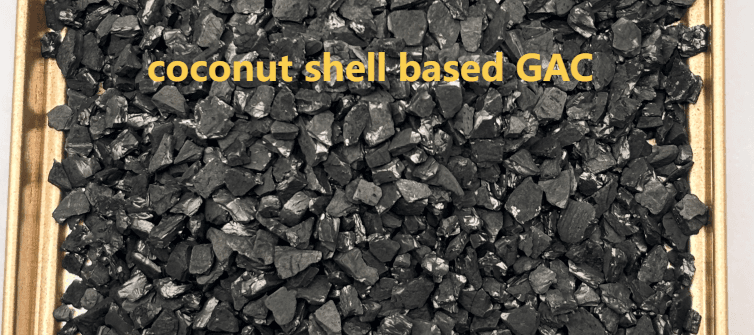
Key Specs
- • Iodine number: 900–1,200 mg/g
- • Hardness: ≥ 98%
- • Ash: < 3%
- • Moisture: < 5%
- • Mesh sizes: 6×12, 8×30, 12×40, 20×50 etc.
Best applications: Drinking water (EU DWD compliance), gold CIL/CIP circuits, food-grade decolorization, aquarium filtration.
Why choose it: Hardest carbon available. Longest bed life. Lowest dust and ash. If your application involves potable water or precious metal recovery, this is the default.
Price: $1,200–3,700/MT FOB China (varies by mesh size and iodine number)
2. Coal-Based GAC
The workhorse for large-volume water and wastewater treatment. Bituminous coal gives a mix of micropores and mesopores — good for a broader range of molecular sizes than coconut shell.
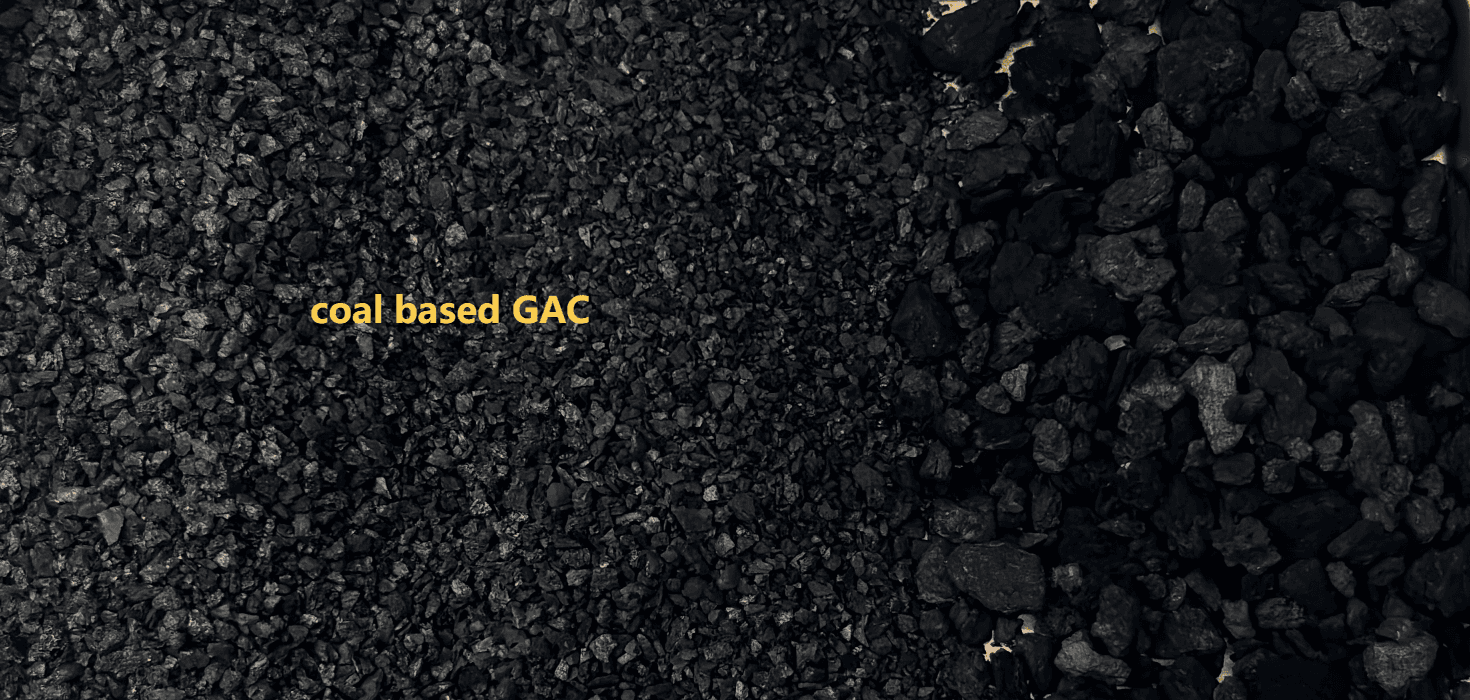
Key Specs
- • Iodine number: 500–1,000 mg/g
- • Hardness: ≥ 92%
- • Moisture: < 3%
- • Mesh sizes: 8×30, 12×40 + custom sizes available
Best applications: Municipal water treatment, industrial wastewater, dechlorination, taste & odor control.
Why choose it: Significantly cheaper than coconut shell. Better for mixed contaminant profiles where you need mesopore capacity. Wide iodine range means you can match spec to budget.
Price: $500–1,200/MT FOB China
3. Wood-Based Powdered Activated Carbon (PAC)
Made from sawdust or wood chips via phosphoric acid or zinc chloride activation. Very high mesopore and macropore volume — excellent for decolorizing large molecules like caramel, molasses, and dyes.
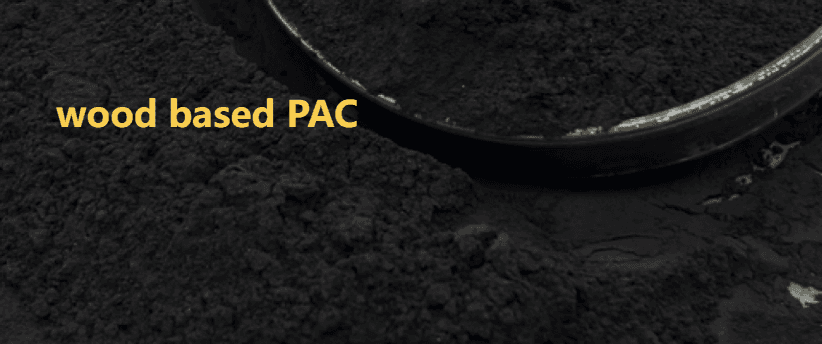
Key Specs
- • Iodine number: 800–1,200 mg/g
- • Methylene blue: ≥ 180 mg/g
- • Mesh: 200–325 (powder)
- • pH: 3–5 (acid-washed) or 6–8 (neutral)
Best applications: Sugar refining, MSG production, pharmaceutical purification, citric acid decolorization, edible oil refining.
Why choose it: Unmatched decolorization performance. The mesopore/macropore structure grabs large color molecules that coconut shell cannot. If your application is decolorization, this is the only real choice.
Price: $600–3,000/MT FOB China (varies by methylene blue value and purity grade)
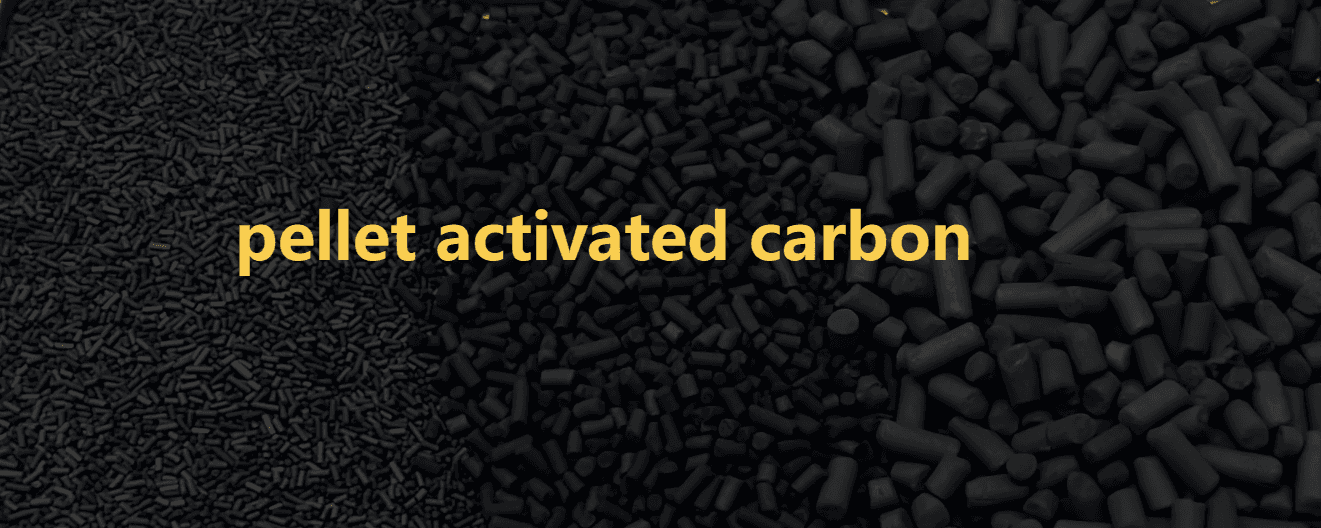
4. Pellet / Extruded Activated Carbon
Cylindrical pellets (1.5mm, 3mm, 4mm diameter) made by extruding coal or coconut powder with a binder, then activating. Low pressure drop in packed beds makes it ideal for gas-phase applications.
Key Specs
- • CTC activity: 30–100%
- • Hardness: ≥ 95%
- • Diameter: 3mm or 4mm standard
Best applications: VOC removal from industrial exhaust, biogas H₂S removal, solvent recovery, air purification systems, flue gas mercury capture.
Why choose it: Uniform shape = predictable pressure drop = easier system design. No channeling. Dust-free. Wide CTC range lets you match performance to budget.
Price: $800–3,200/MT FOB China (varies by CTC value and diameter)
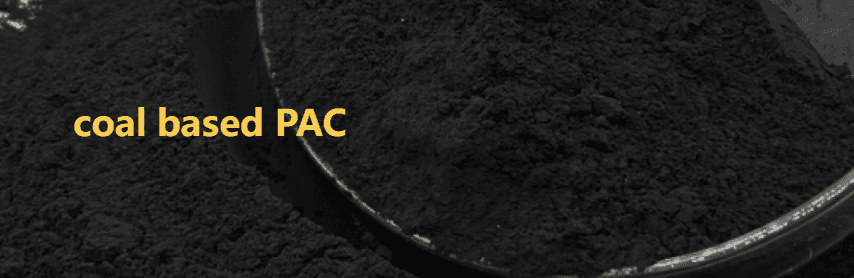
5. Powdered Activated Carbon (Coal-Based)
Fine powder (200 mesh) dosed directly into water or wastewater streams. Used in PAC dosing systems, clarifiers, and emergency response.
Key Specs
- • Iodine number: 600–1,000 mg/g
- • Mesh: ≥ 90% passing 200 mesh
- • Moisture: < 10%
Best applications: Emergency contaminant spikes, seasonal taste & odor events, wastewater COD reduction, PAC + UF membrane systems.
Why choose it: No capital investment in GAC contactors. Dose as needed, adjust in real time. The downside: single-use, generates carbon-laden sludge.
Price: $500–1,500/MT FOB China
6. Impregnated Activated Carbon
Base carbon infused with chemicals — KOH, KI, sulfur, metal oxides, or phosphoric acid — to add chemisorption capability on top of physical adsorption.
Common Impregnations
- • KOH/NaOH — H₂S and acid gas removal
- • KI (potassium iodide) — nuclear off-gas, radioactive methyl iodide
- • Sulfur — mercury vapor capture
- • Phosphoric acid — ammonia and amine removal
Best applications: Sewage odor control, refinery H₂S, mercury removal from flue gas, nuclear facility ventilation.
Why choose it: Standard carbon cannot remove certain inorganic gases efficiently. Impregnation adds a chemical reaction pathway. Trade-off: shorter bed life and higher cost.
Price: $1,500–3,000/MT FOB China
7. Reactivated (Regenerated) Activated Carbon
Spent GAC thermally reactivated at 700–900°C to restore adsorption capacity. Typically restores 85–95% of virgin performance.
Key Specs
- • Iodine number: 700–950 mg/g (restored)
- • Must meet EN 12915-2 for drinking water reuse
- • Requires QC testing post-reactivation
Best applications: Cost-sensitive municipal water utilities, ESG/circular economy mandates.
Why choose it: 40–60% cheaper than virgin carbon. Reduces landfill waste. The catch: PFAS-laden carbon needs >850°C with off-gas destruction.
Price: $500–800/MT (reactivation service cost)
8. Activated Carbon Fiber (ACF)
Made from viscose rayon or PAN fiber, activated to create ultra-high surface area in a flexible fabric form. Extremely fast adsorption kinetics due to short diffusion path.
Key Specs
- • BET surface area: 1,000–2,000 m²/g
- • Form: felt, cloth, paper
- • Adsorption speed: 10–100× faster than GAC
Best applications: Air purifier cartridges, solvent recovery systems, medical-grade masks, protective clothing.
Why choose it: When you need fast adsorption in a thin, flexible form factor. Specialty material — price reflects this.
Price: $8,000–15,000/MT (specialty, small volumes)
How to Choose: Decision Guide
💧 Liquid Phase (Water/Wastewater)
- • Drinking water or food contact → Coconut shell GAC
- • Municipal/industrial wastewater → Coal-based GAC
- • Decolorization (sugar, pharma) → Wood-based PAC
- • Emergency/seasonal dosing → Coal-based PAC
- • Budget-constrained utility → Reactivated GAC
💨 Gas Phase (Air/Exhaust/Biogas)
- • VOC, solvent, odor → Pellet carbon
- • H₂S, acid gas, mercury → Impregnated carbon
- • Thin-profile air filter → Activated carbon fiber
Pricing Summary (FOB China, 2026)
| Type | Price Range | MOQ |
|---|---|---|
| Coconut shell GAC | $1,200–3,700/MT | 20 MT |
| Coal-based GAC | $500–1,200/MT | 20 MT |
| Wood-based PAC | $600–3,000/MT | 20 MT |
| Pellet carbon | $800–3,200/MT | 20 MT |
| Coal-based PAC | $500–1,500/MT | 20 MT |
| Impregnated | $1,500–3,000/MT | 5 MT |
| Reactivated | $500–800/MT | Depends on service |
| ACF | $8,000–15,000/MT | 100 KG |
Related Guides
Frequently Asked Questions
What is the difference between GAC and PAC?
GAC (granular) is used in fixed-bed contactors with long bed life (6–24 months). PAC (powdered) is dosed directly into water and discarded after single use. GAC costs more upfront but is cheaper per m³ treated over time.
Can I use coconut shell carbon for gas treatment?
Yes, but pellet form is preferred for gas phase due to lower pressure drop. Coconut shell granular works for small-scale air filters but is not ideal for industrial gas systems.
Which type removes PFAS best?
Coconut shell GAC 12×40 with iodine ≥ 1,000 mg/g. Its high micropore volume gives the best adsorption capacity for PFAS compounds.
What is CTC and why does it matter for gas-phase carbon?
CTC (carbon tetrachloride activity) measures gas-phase adsorption capacity. For VOC and solvent recovery applications, CTC ≥ 60% is the standard specification. It is irrelevant for water treatment.
Not Sure Which Type You Need?
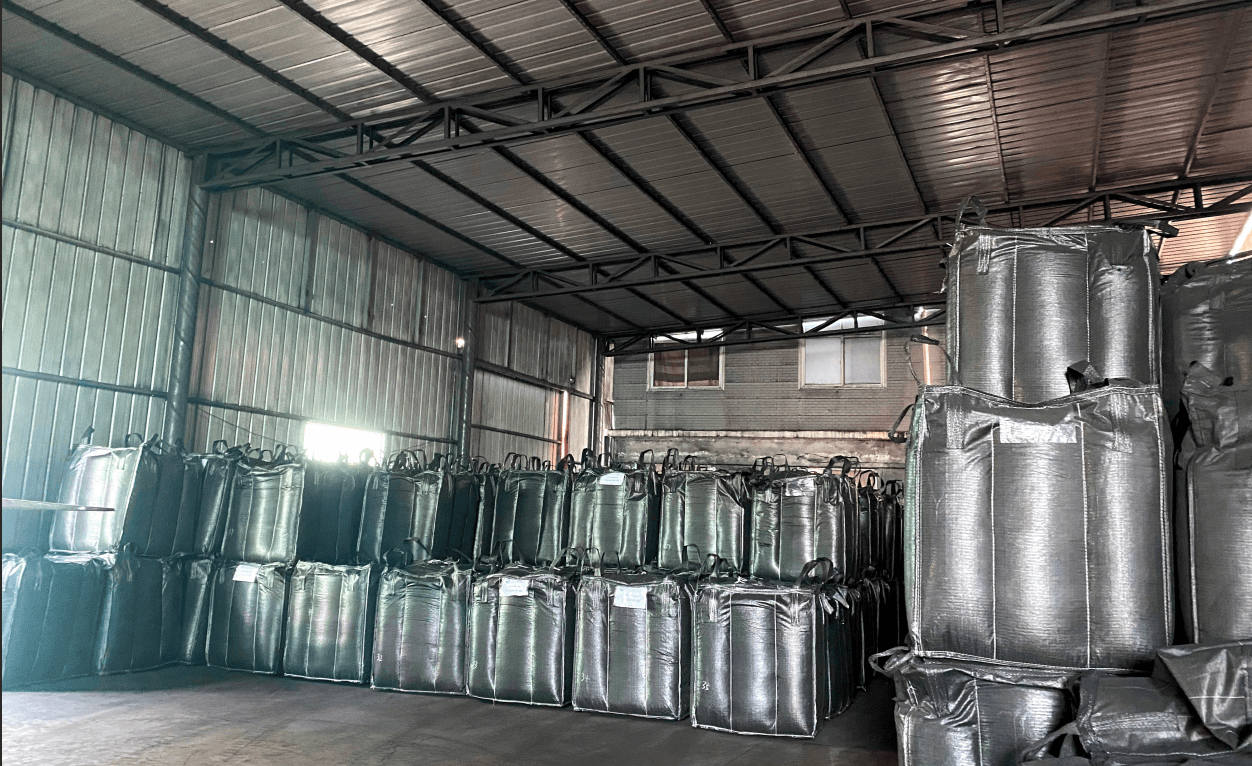
Tell us your application, target contaminant, and flow rate. We will recommend the right type, mesh size, and grade — and send samples within 5 business days. We manufacture coconut shell, coal-based, wood-based, and pellet activated carbon. Full product range, one supplier.
Request Samples & Pricing