
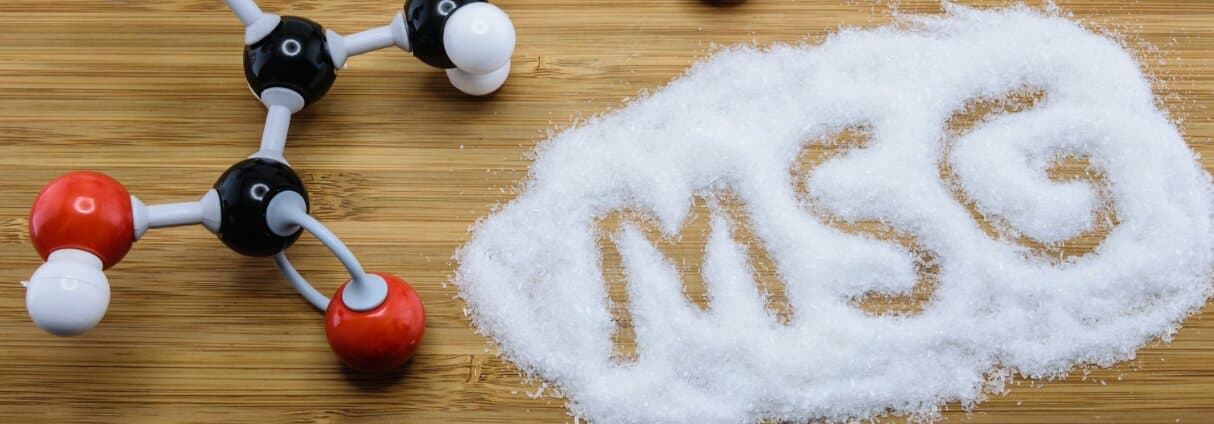
Activated Carbon for MSG Production
Food-grade powdered activated carbon for decolorizing glutamic acid fermentation broth and mother liquor — stripping melanoidins, pyrazines and color bodies so monosodium glutamate crystallizes bright, pure and food-safe.
The Purification Challenge
Why MSG needs carbon decolorization
Monosodium glutamate is produced by bacterial fermentation of sugar or starch feedstocks. The broth carries melanoidins, Maillard color bodies, pyrazines and other aromatic by-products that would discolor and taint the crystal. Before the glutamic acid is neutralized to MSG and crystallized, the clarified liquor is treated with powdered activated carbon to adsorb these impurities, yielding a water-white solution and bright, high-purity MSG crystals meeting food-additive standards. A high-methylene-blue, low-ash carbon is essential — it targets the large-molecule color bodies that other treatments leave behind.
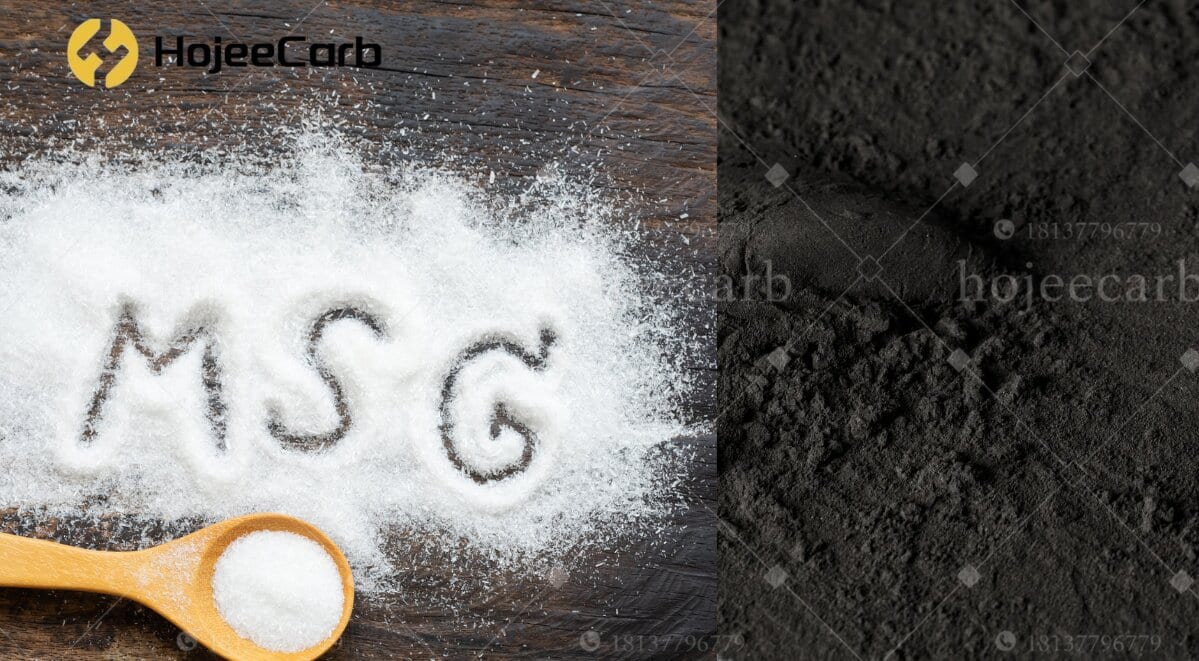
How MSG Decolorization Works
From fermentation broth to bright crystals
After fermentation, the broth is acidified to precipitate glutamic acid, then filtered to remove biomass. The dissolved liquor still carries color and off-flavor compounds.
Powdered activated carbon is dosed at 0.3–1.5% (w/w on solids) and mixed for 20–45 minutes at 60–80°C. Mesopore-rich carbon adsorbs melanoidins, pyrazines and Maillard products.
Spent carbon is removed on filter presses, leaving a water-white liquor. The purified glutamic acid is neutralized with caustic soda and crystallized into bright MSG.
Where It's Used
MSG & glutamate products we supply carbon for
Carbon Selection
Choosing carbon by purification duty
Match the grade to your color load and purity target. Every lot ships with a batch COA — methylene blue, iodine, ash, moisture and heavy metals.
| Purification Duty | Recommended Grade | Key Spec | Form |
|---|---|---|---|
| Primary broth decolorization | Wood-based PAC, high MB | MB ≥180 mg/g | Powder |
| Deep color & off-flavor removal | Wood-based PAC, acid-washed | Low ash, high mesopore | Powder |
| Fine polishing before crystallization | Coconut-based PAC, food-grade | Low ash ≤3% | Powder |
| Mother liquor recycle | Wood-based PAC, cost-optimized | MB ≥160 mg/g | Powder |
Not sure which grade fits your broth and purity target? Send us a sample.
Get a Grade RecommendationProcess Design
Bright MSG crystals at lowest carbon cost
Dose & contact time
0.3–1.5% w/w on dissolved solids, mixed 20–45 minutes at 60–80°C. Higher color loads or recycled mother liquor need more carbon; optimize by bench trial.
Off-flavor removal
Pyrazines and other Maillard by-products cause off-taste and odor in MSG. Mesopore-rich wood-based PAC adsorbs them along with color bodies, improving sensory quality.
Low ash for crystal purity
MSG crystals are a direct food additive. Low-ash carbon (≤4%) ensures no mineral pickup, keeping the finished MSG bright and free of impurity haze.
Food-grade compliance
Carbon for MSG must meet food-contact limits on heavy metals and carry batch traceability. Our grades support FCC, GB 1886.229 (China) and international food-additive specifications.
Technical Specifications
| Parameter | Wood PAC (Decolorizing) | Coconut PAC (Polishing) |
|---|---|---|
| Methylene Blue | ≥180 mg/g | — |
| Iodine Number | ≥800 mg/g | ≥950 mg/g |
| Mesh / Form | 200 mesh powder | 200 mesh powder |
| Ash Content | ≤4% | ≤3% |
| Moisture | ≤10% | ≤5% |
| Certification | FCC / HALAL / KOSHER | FCC / HALAL / KOSHER |
Field Performance
Proven across MSG and amino acid plants
Case: MSG producer improves crystal brightness and taste
An MSG fermentation plant replaced its standard PAC with a high-methylene-blue acid-washed wood-based grade. The new carbon cut color bodies and pyrazine-type off-flavors in the liquor, delivering noticeably brighter crystals and a cleaner sensory profile in the finished MSG — at a lower dose than the previous carbon, reducing both carbon cost and yield loss on the filter cake.
Recommended Products
These are the grades we recommend most often for MSG decolorization. Contact us for a tailored recommendation.
Wood-Based Powdered Activated Carbon (PAC)
MSG decolorization, high methylene blue
Coconut Shell Powdered Activated Carbon (PAC)
Fine polishing before MSG crystallization, low ash
Wood-Based Activated Carbon (Series)
Range of decolorizing grades for food processing
MSG Carbon — Frequently Asked Questions
What activated carbon is best for MSG production?
A food-grade, high-methylene-blue wood-based powdered activated carbon (MB ≥180 mg/g). MSG fermentation color bodies are large molecules (melanoidins), so mesopore-rich wood PAC decolorizes better than micropore-only carbon. Low ash is important to keep MSG crystals pure.
How much carbon is used in MSG decolorization?
Typically 0.3–1.5% of the dissolved solids by weight, mixed for 20–45 minutes before filtration. Mother liquor recycle streams need higher doses. Always optimize by bench trial for your specific broth.
Does activated carbon remove off-flavors from MSG?
Yes. Pyrazines and Maillard reaction by-products that cause off-taste and odor in MSG are adsorbed by mesopore-rich wood-based PAC along with color bodies, improving the sensory quality of the finished product.
Can I use the same carbon for MSG and citric acid?
Yes — both are fermentation-derived products decolorized with the same family of high-methylene-blue wood-based PAC. We supply the same range for MSG, citric acid and amino acid purification. Tell us your color target and we'll match the spec.
Is it food-grade and certified?
Yes. Our MSG decolorization carbon is food-grade with heavy-metal extractables below food-contact limits. It ships with HALAL, KOSHER and ISO 9001 documentation and a batch COA on every lot, supporting FCC and GB 1886.229 (China) specifications.
What is the minimum order and lead time?
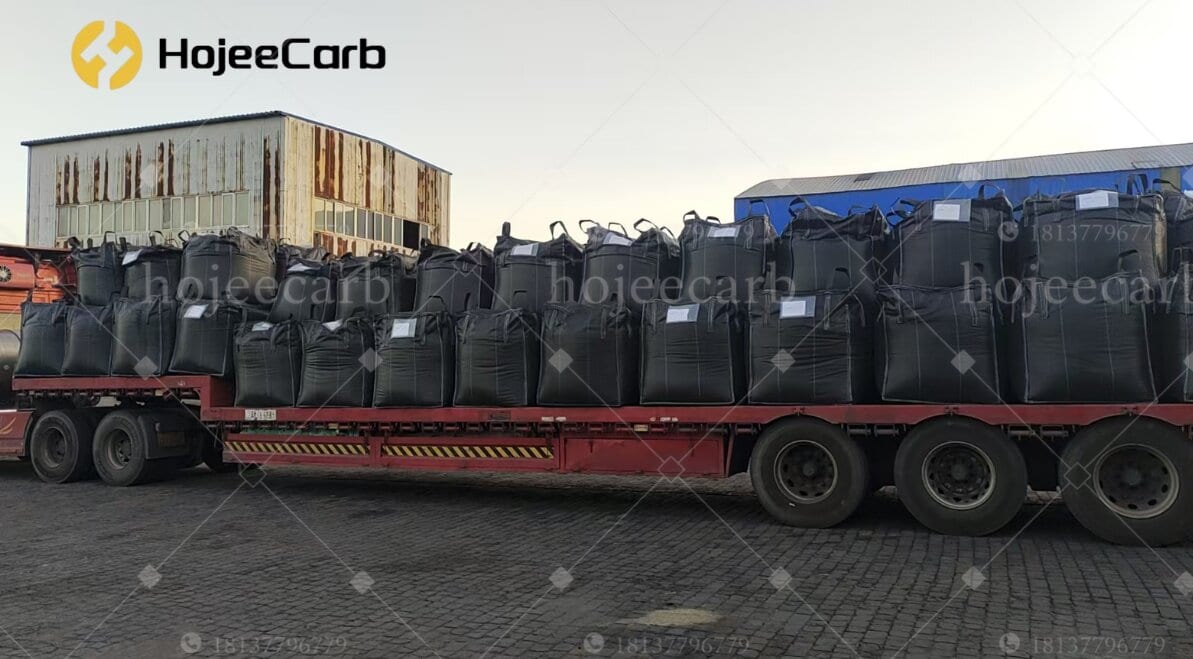
MOQ is 1 ton, with free samples available for bench trials. Standard lead time is 10–15 days factory-direct. We supply 25 kg bags or 500 kg jumbo bags, with custom private-label packaging on request.
Factory-Direct Supply
Bulk supply & export for MSG producers
We supply MSG decolorization carbon factory-direct with an MOQ of 1 ton and 10–15 day lead times. Carbon ships in 25 kg bags or 500 kg jumbo bags, with custom private-label packaging on request and a batch COA on every lot — loaded and exported worldwide from our own plant.
Brighter MSG at lower carbon cost
Tell us your broth color, throughput and purity target. We'll recommend the food-grade grade and dose, and send a free sample to trial before crystallization — with a batch COA on every shipment.
Request an MSG Carbon Quote