
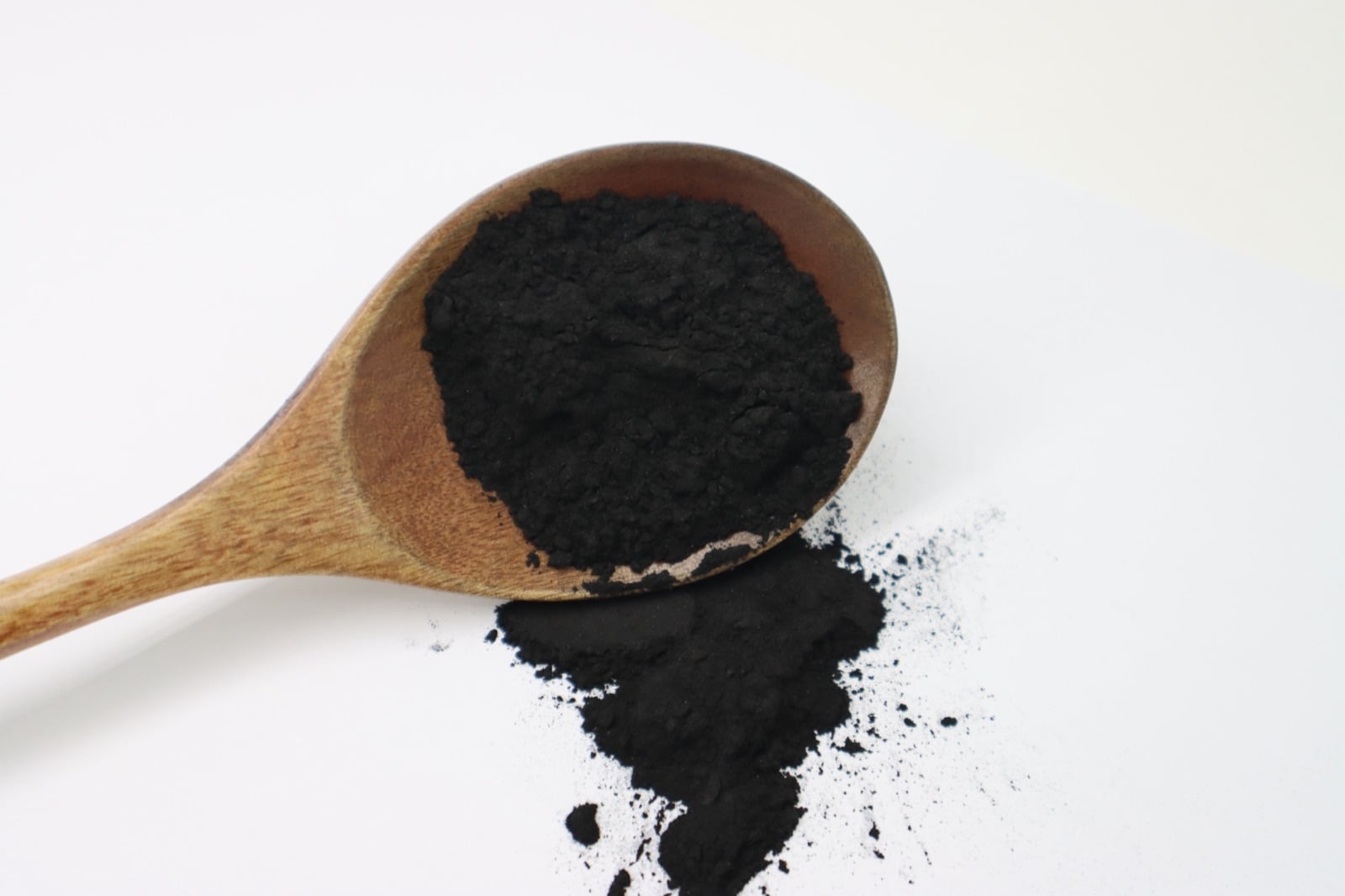
Wood-Based PAC
for Decolorization
Purpose-built for color removal in food, pharmaceutical, and chemical processing. Mesoporous structure captures large color molecules that other carbons miss. Ultra-low iron, acid-washed, food-safe.
The Decolorization Specialist
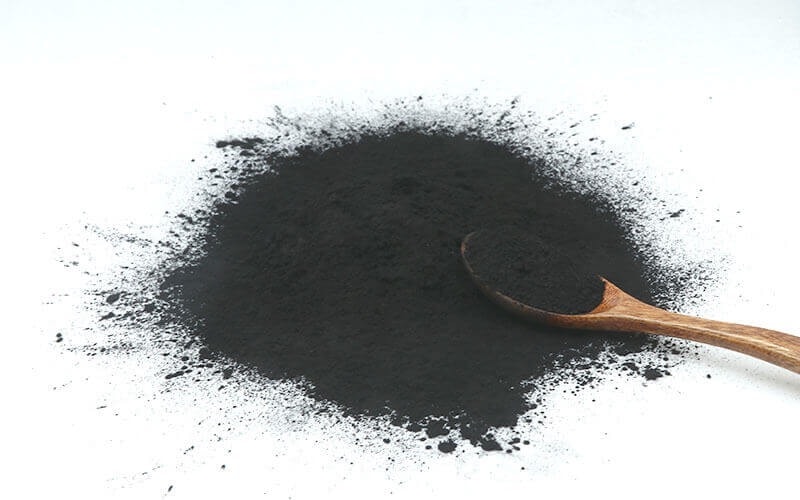
Color removal in food and pharmaceutical processing demands a very specific type of activated carbon. The color molecules — melanoidins in sugar, carotenoids in oil, pigments in APIs — are large organic compounds (MW 500–50,000 Da) that cannot penetrate micropores. Wood-based PAC is chemically activated (typically with phosphoric acid or zinc chloride) to develop a mesopore-rich structure specifically designed to trap these molecules.
Our decolorization-grade PAC achieves methylene blue values ≥180 mg/g — a direct measure of mesopore capacity and decolorization performance. The acid-washed process reduces ash to ≤3% and iron to ≤0.05%, preventing metallic contamination that would discolor the product or trigger off-flavors. Every batch is tested against caramel decolorization standards to ensure consistent color removal performance.
Key Performance Metrics
Methylene Blue
Direct mesopore capacity indicator
Iron Content
Food-grade purity
Particle Size
90% pass 75 μm for fast contact
Caramel Test
vs standard reference carbon
Applications
- Sugar refining & decolorization
- Edible oil bleaching & purification
- Pharmaceutical API decolorization
- MSG & amino acid processing
- Citric acid purification
- Wine & beverage clarification
- Chemical intermediate purification
- Glycerin & sorbitol decolorization
Wood PAC vs Coal PAC vs Coconut PAC
| Parameter | Wood PAC (Ours) | Coal PAC | Coconut PAC |
|---|---|---|---|
| Decolorization | Excellent | Good | Moderate |
| Methylene Blue | ≥180 mg/g | 120–150 mg/g | 80–120 mg/g |
| Pore Type | Meso + Macro | Mixed | Micropore |
| Ash Content | ≤3% (AW) | 8–15% | 3–5% |
| Food Grade | ✓ Standard | With treatment | Possible |
| Best For | Color removal | General purification | Small molecules |
Technical Specifications
| Model | HojeePure WPW-MB18 |
| Particle Size | 200 mesh (90% pass 75 μm) |
| Raw Material | Select hardwood (pine/birch) |
| Methylene Blue | ≥ 180 mg/g |
| Iodine Number | ≥ 900 mg/g |
| Caramel Decolorization | ≥ 100% |
| Ash Content | ≤ 3% (acid-washed: ≤3%) |
| Moisture | ≤ 10% |
| pH | 3 – 5 (acid-washed) |
| Iron Content | ≤ 0.05% (food grade) |
| Heavy Metals (Pb) | ≤ 2 ppm |
| Soluble in HCl | ≤ 1% |
Pharmaceutical grade with DMF documentation available
Get QuoteRelated Products
Why Food Companies Choose Hojee PAC
Sugar Industry
Supplying refineries in India, Thailand, Brazil. Proven caramel decolorization performance.
Pharma Ready
Low endotoxins, heavy metals tested per batch. DMF documentation for regulatory submissions.
Jar Test Support
Send your sample liquor — we'll run dosage optimization and recommend the right grade.
Flexible Packing
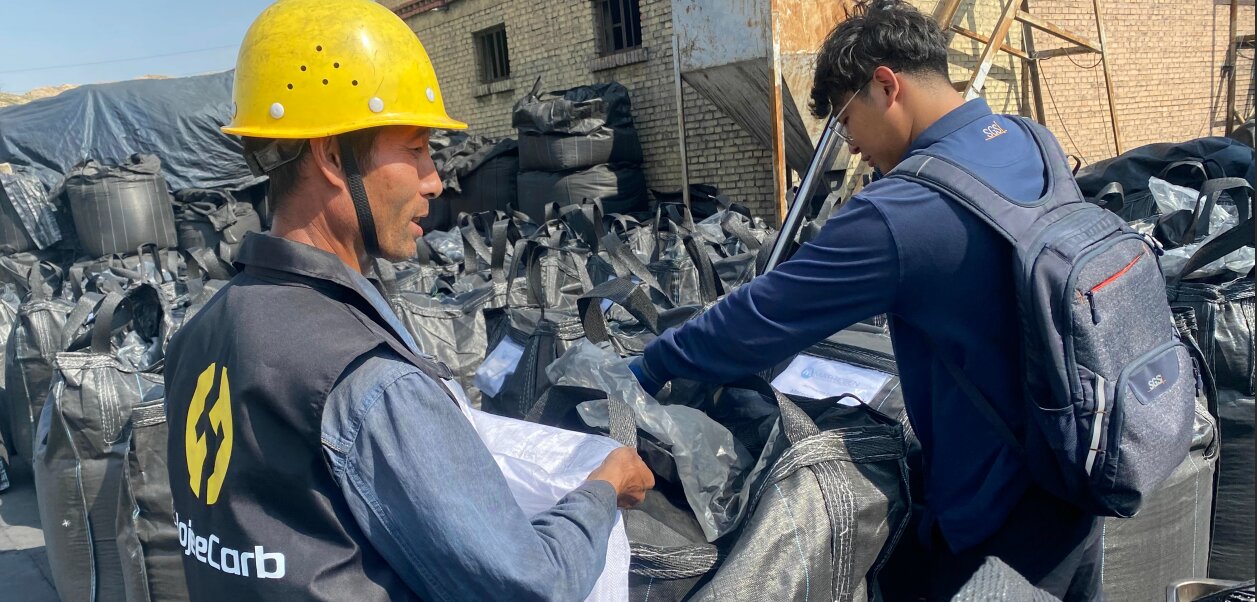
25 kg bags, 10 kg bags, or 500 kg bulk. Inner PE liner prevents moisture absorption.
Frequently Asked Questions
Why wood-based PAC for decolorization?
What food safety certifications does this meet?
What is the typical dosage for sugar decolorization?
How does PAC compare to ion exchange for decolorization?
What is the MOQ and packaging?
Need Decolorization Carbon for Your Process?
Send us your sample or color specs. We'll recommend the right grade and dosage, with free samples for your jar tests.