
Comparison Guide
Rowfer Activated Carbon Alternative for Gold Recovery
If you are sourcing Rowfer's RC65 6×12, RC65 8×16 or RC265S carbon for CIL and CIC gold recovery and want a lower-cost drop-in with fully published specs, HojeeGold CG35 is a direct match. It covers the same mesh sizes and the same CIL/CIC duty, and every batch ships with a full COA so you know exactly what you are loading into the circuit.
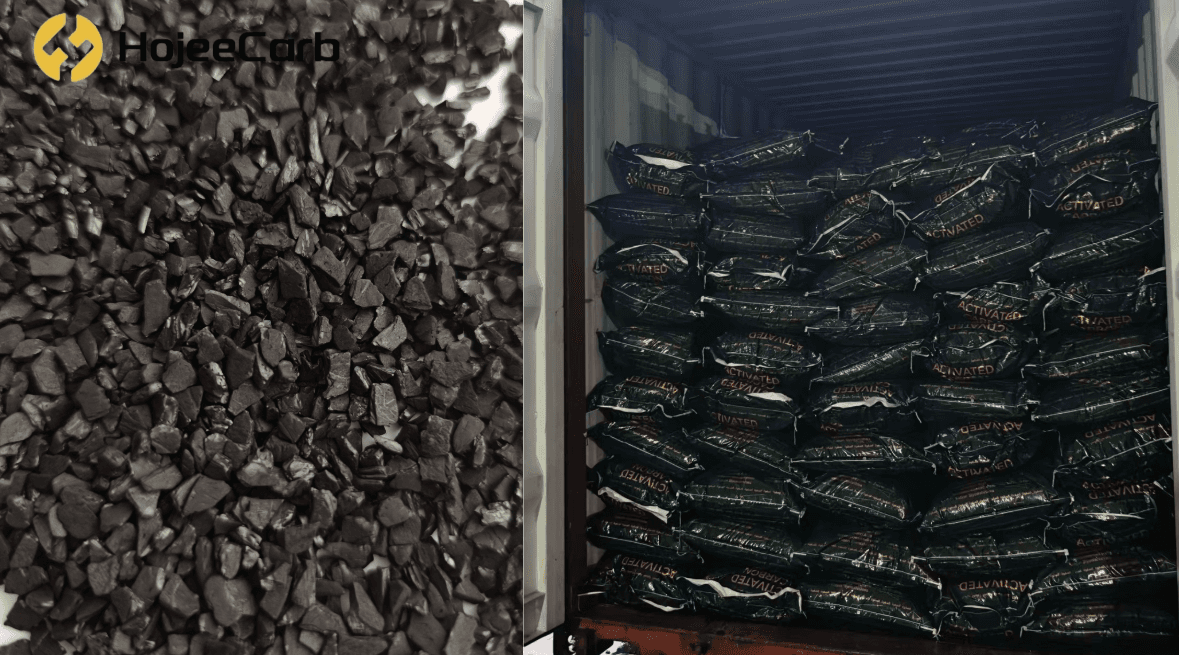
1. What Rowfer Lists
Rowfer supplies activated carbon for CIL and CIC gold recovery through three grades. The company publishes the grade names, mesh sizes and duty, but does not publish quantitative performance figures (CTC activity, hardness, K/R values) on its product page.
| Rowfer Grade | Mesh | Duty |
|---|---|---|
| RC65 6×12 | 6×12 | CIL and CIC circuits |
| RC65 8×16 | 8×16 | CIC circuits |
| RC265S | Extruded high-activity | CIL circuits |
To get the full technical data sheet (TDS) and safety data sheet (SDS) for these grades, you have to request them from Rowfer directly.
2. How HojeeGold CG35 Maps to Each Rowfer Grade
CG35 is a coconut shell gold recovery carbon available in the same mesh cuts, so it slots into the same circuit position without a process change. Rowfer's carbon line has exactly three grades, and CG35 covers all three.
| Rowfer Grade | Duty | HojeeGold CG35 Equivalent |
|---|---|---|
| RC65 6×12 | CIL / CIC | CG35 in 6×12 mesh (1.70–3.35 mm) |
| RC65 8×16 | CIC | CG35 in 8×16 mesh (1.18–2.36 mm) |
| RC265S | CIL, high activity | CG35 high-activity cut — CTC 60% / K 32 / R 65 |
Rowfer RC65 6×12 Alternative
RC65 6×12 is Rowfer's coarse grade for both CIL and CIC circuits. The HojeeGold CG35 6×12 mesh cut (1.70–3.35 mm) is a direct replacement: same particle size, same dual CIL/CIC duty, with min. 99% ball-pan hardness and max. 2% attrition to hold up under the abrasion of in-leach tanks. You get the coarse-grade toughness plus a published COA.
Rowfer RC65 8×16 Alternative
RC65 8×16 is Rowfer's finer grade aimed at CIC columns. The CG35 8×16 cut (1.18–2.36 mm) matches it, giving faster adsorption kinetics and more surface contact for column flow. Same mesh, same column duty, at factory-direct pricing.
Rowfer RC265S Alternative
RC265S is Rowfer's extruded high-activity carbon for CIL circuits. CG35 answers this with a high-activity coconut shell cut rated at CTC 60%, K value 32 kg/t and R value 65 — the gold loading and kinetics numbers that decide CIL performance. Where RC265S is an extruded (pellet-style) carbon, CG35 is granular coconut shell; both target high-activity CIL duty, so confirm your preferred form when you request a sample.
The practical difference across all three is transparency. With CG35 you get the numbers up front; with Rowfer you have to ask for them.
3. HojeeGold CG35 Published Specifications
These are the figures we put on the COA for every batch. Gold recovery carbon is judged on CTC activity, K value and R value — not iodine number — so those are the numbers that matter for circuit performance.
| Parameter | HojeeGold CG35 |
|---|---|
| CTC activity | min. 60% |
| K value (gold load rate) | 32 kg/tonne |
| R value (gold equilibrium) | 65 |
| Ball-pan hardness | min. 99% |
| Attrition (A.A.R.L.) | max. 2% |
| Total ash | max. 4% |
| Moisture | max. 5% |
| Apparent density | 480–510 kg/m³ |
| Surface area | 1150 m²/g |
| Mesh sizes | 6×12, 8×16 |
Rowfer does not publish equivalent figures, so we cannot line them up number for number. For reference, coconut shell gold recovery carbon in this class typically runs CTC 50–60%, hardness ≥98% and ash ≤4% — ask any supplier, including Rowfer, for their COA and confirm against these ranges before you commit.
Need gold recovery carbon?
Get Factory-Direct Pricing — No Middlemen
20+ years manufacturing. MOQ 1 ton. Free samples. Reply within 2 hours.
4. Which Grade Do You Need — CIL or CIC?
The choice comes down to how your circuit moves carbon and pulp.
- CIL circuits (Carbon-in-Leach) — leaching and adsorption happen in the same tanks, so the carbon takes more mechanical abrasion. Go with the coarser 6×12 mesh and prioritize hardness (min. 99%) and low attrition (max. 2%) to cut carbon fines and gold loss in the gold-cyanide circuit. This is the position Rowfer fills with RC65 6×12 and RC265S.
- CIC circuits (Carbon-in-Column) — pulp flows up through packed columns, usually after leaching. Finer 8×16 mesh gives faster kinetics and more surface contact, matching where Rowfer places RC65 8×16.
If you are unsure which cut your circuit runs, send us your tank or column layout and pulp density and we will spec it for you.
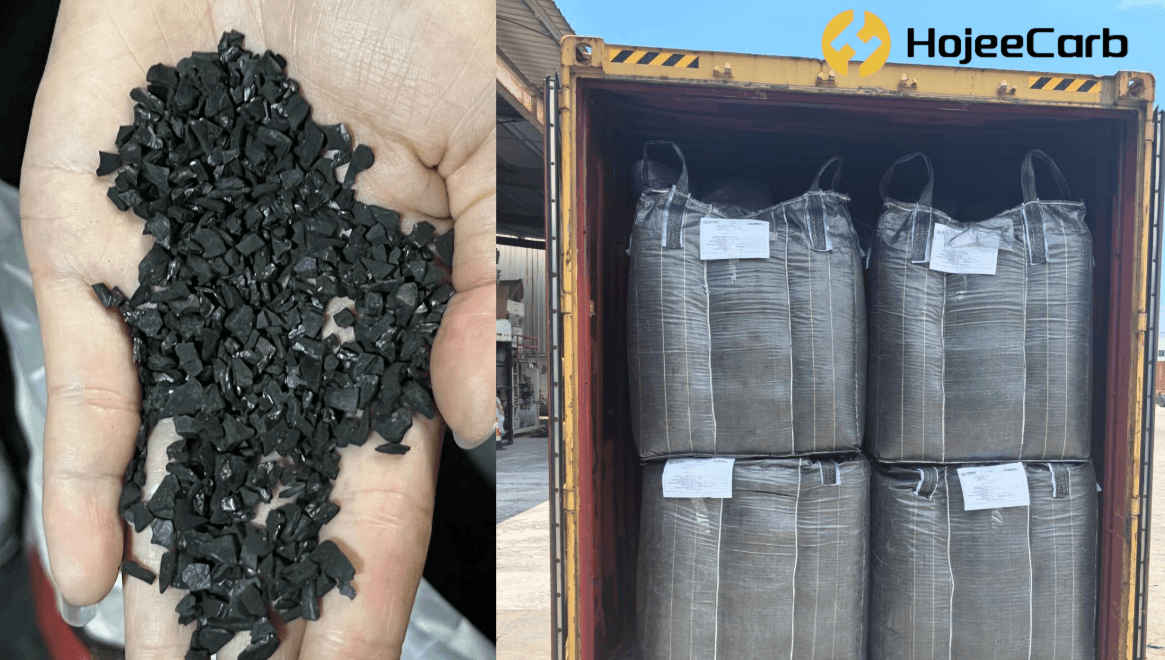
5. Why Buy HojeeGold CG35 From HojeeCarb
- Batch-to-batch consistency. Every lot is tested and ships with a COA covering CTC, hardness and moisture. You load the same carbon every time, which keeps gold loading and elution predictable.
- Factory-direct pricing. We manufacture the coconut shell carbon ourselves, so you skip the trading markup. For the same CIL/CIC duty, CG35 lands cheaper than most branded gold carbons.
- Free samples before you commit. Test CG35 in your own circuit or lab against your current carbon before placing a bulk order.
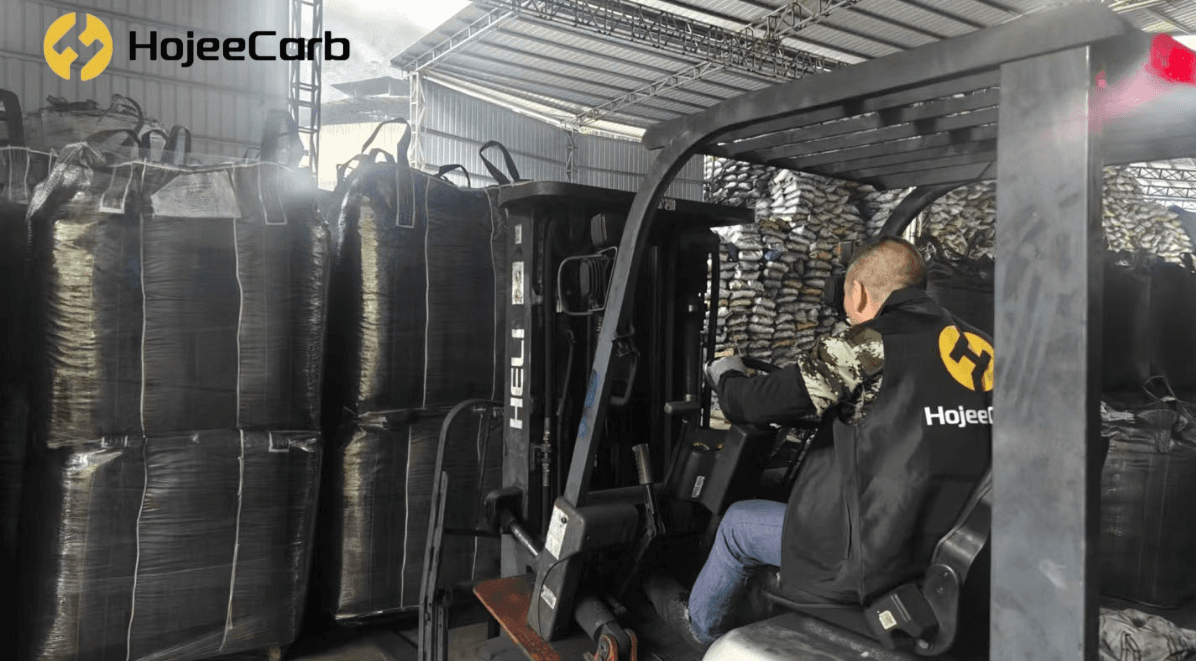
Looking for a Rowfer Carbon Alternative?
Tell us which Rowfer grade you run (RC65 6×12, RC65 8×16 or RC265S), your mesh and annual volume. We'll send the CG35 spec sheet, COA and pricing within 24 hours — and ship a free sample for your own loading test.
Frequently Asked Questions
Is HojeeGold CG35 a true drop-in for Rowfer RC65 and RC265S?
Yes. CG35 comes in the same 6×12 and 8×16 mesh cuts and serves the same CIL and CIC duty as Rowfer's RC65 6×12, RC65 8×16 and RC265S grades, so it fits the same circuit position without a process change. One honest note: RC265S is an extruded (pellet-style) carbon, while CG35 is granular coconut shell — both target high-activity CIL duty, so confirm your preferred form when you request a sample.
Why don't you compare iodine numbers with Rowfer?
Gold recovery carbon is graded on CTC activity, K value and R value, which describe gold loading and kinetics. Iodine number is a general-purpose figure that does not predict gold performance, so the industry does not use it for this application. Rowfer also does not publish quantitative specs on its product page, so a number-for-number table isn't possible from public data — request Rowfer's TDS/COA and compare it against the CG35 figures we publish.
How many gold recovery carbon grades does Rowfer offer?
Rowfer's activated carbon line has exactly three grades: RC65 6×12 (CIL and CIC), RC65 8×16 (CIC), and RC265S (extruded high-activity carbon for CIL). HojeeGold CG35 covers all three in the equivalent mesh and duty.
What packaging is available?
Standard options are 25 kg bags and 550 kg bulk bags (FIBC). Rowfer lists 25 kg, 500 kg and 600 kg packaging. Tell us your volume and we will confirm packing and container loading to match your handling equipment.
How do I confirm CG35 works in my circuit?
Request a free sample and run it against your current carbon on CTC, hardness and gold loading under identical conditions. That side-by-side loading test is the only definitive way to compare, and we will help you read the results.