
GCC Activated Carbon Market: Size, Demand Drivers and Sourcing Guide (2026)
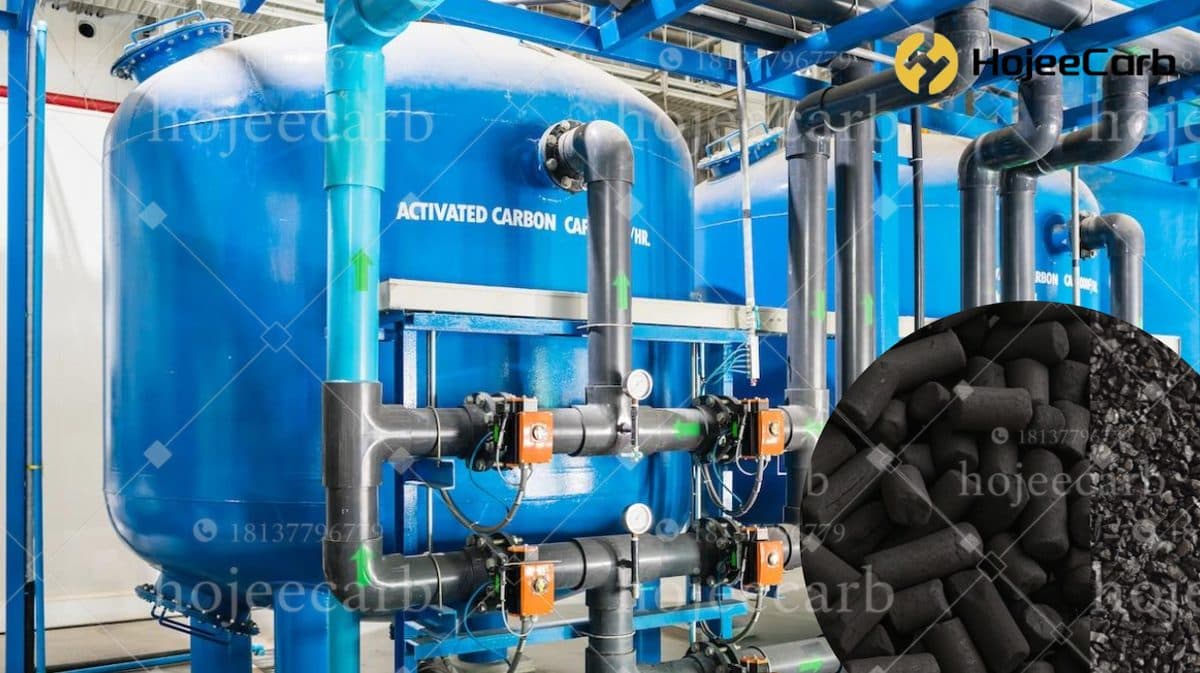
Activated carbon pressure filters for desalination post-treatment and municipal water polishing — the GCC’s largest end-use
The Middle East & Africa activated carbon market was worth about USD 157.6 million in 2024 and is projected to reach USD 233.4 million by 2033, a CAGR of roughly 4.5% — the fastest-growing region in the world, though still only about 4.0% of global revenue (Grand View Research). Within the GCC, Saudi Arabia is the largest single market at USD 22.2 million in 2024, heading to USD 32.1 million by 2033 (4.2% CAGR). Demand is driven by desalination post-treatment, municipal water, oil & gas processing, and industrial air treatment. Almost all of it is imported: there is no large-scale activated carbon production or reactivation base inside the GCC, and material from non-GCC origins carries the 5% GCC common external tariff under HS 3802.10.
GCC Activated Carbon Market Size and Outlook
The six GCC states — Saudi Arabia, the UAE, Qatar, Kuwait, Oman and Bahrain — sit inside the wider Middle East & Africa (MEA) market, the smallest but fastest-growing activated carbon region worldwide.
| Market | 2024 revenue | 2033 forecast | CAGR (2025–33) | Source |
|---|---|---|---|---|
| MEA (total) | USD 157.6 M | USD 233.4 M | 4.5% | Grand View Research |
| Saudi Arabia | USD 22.2 M | USD 32.1 M | 4.2% | Grand View Research |
A few things matter for buyers reading these numbers:
- The region is import-dependent. There is no coconut-shell or coal-based activated carbon production at scale inside the GCC, and no commercial reactivation plant network. Spent carbon is mostly landfilled or exported for regeneration, so fresh supply comes almost entirely from China, India and Sri Lanka.
- Powdered activated carbon (PAC) is the largest and fastest-growing type in MEA (Grand View Research), tied to water utilities dosing for taste, odour and organics removal.
- “Market size” in USD understates tonnage. Because imported Chinese carbon is cheaper per ton than Japanese or US brands, the GCC moves more physical tonnage than its dollar value suggests — which is exactly why factory-direct sourcing changes a project’s economics.
What Drives Activated Carbon Demand in the GCC
Four end-uses account for most GCC activated carbon demand. All four are growing because of water scarcity, industrial build-out and tightening environmental rules.
1. Desalination post-treatment and municipal water
The GCC is the most desalination-dependent region on earth; Saudi Arabia and the UAE run some of the world’s largest seawater desalination fleets. Activated carbon is used downstream for chlorine/chloramine removal, taste and odour control, and organics polishing before distribution. As utilities add remineralisation and polishing stages, GAC and PAC demand follows.
2. Oil, gas and petrochemical processing
Saudi Arabia, Qatar, the UAE and Kuwait are major hydrocarbon producers. Activated carbon is used for amine-system purification, condensate treatment, mercury removal from natural gas, sulphur-compound (H₂S) adsorption and process-water cleanup. Qatar’s LNG expansion and Saudi downstream projects keep this segment firm.
3. Industrial and indoor air treatment
Rapid commercial and residential construction is lifting demand for air-purification filters — VOC abatement in industry and odour/gas control in HVAC. Grand View Research flags air purification as a specific MEA growth driver.
4. Gold and mineral processing (regional, not GCC-core)
While gold recovery is concentrated in Africa, GCC-based trading houses and EPC contractors frequently procure CIL/CIP carbon on behalf of African and Central Asian projects, so GCC ports act as a re-export hub.
Need activated carbon?
Get Factory-Direct Pricing — No Middlemen
20+ years manufacturing. MOQ 1 ton. Free samples. Reply within 2 hours.
Activated Carbon Demand by GCC Country
| Country | Primary demand | Notes for buyers |
|---|---|---|
| Saudi Arabia | Desalination, municipal water, oil & gas, petrochem | Largest GCC market (USD 22.2 M, 2024). SASO/SABER conformity required. |
| UAE | Water treatment, re-export hub, industrial air | Jebel Ali is the main GCC entry port; ECAS/ESMA marking for regulated goods. |
| Qatar | LNG/gas processing, district cooling, water | Strong gas-sector pull; activated carbon in Qatar demand tied to LNG trains. |
| Kuwait | Refining, municipal water | Refinery upgrades drive coal-based GAC. |
| Oman | Water, mining, industrial | Growing industrial estates (Sohar, Duqm). |
| Bahrain | Refining, water | Smallest market; usually served via UAE/Saudi distributors. |
Takeaway: if you are sourcing for a GCC project, specify the end-use first (desalination vs gas vs air), because it dictates the carbon type and the quality spec — not the country.
Import Duties, HS Codes and GCC Compliance
Tariff. Activated carbon falls under HS 3802.10. Under the GCC Customs Union’s common external tariff, imports from outside the GCC are generally subject to a 5% customs duty (GCC Secretariat General). Once goods clear into one GCC state and duty is paid, they can move between member states without a second duty under the single-entry-point principle. Free-zone imports (e.g. Jebel Ali Free Zone) can be duty-deferred until the goods enter the local market.
Conformity assessment. Regulated products entering Saudi Arabia need SASO approval through the SABER platform (a Product Conformity Certificate plus a Shipment Certificate). The UAE uses the Emirates Conformity Assessment Scheme (ECAS) administered by ESMA/MoIAT. For industrial activated carbon these mainly affect labelling and documentation; confirm the current requirement for your specific grade and application before shipping.
Document pack buyers should expect from a supplier: Bill of Lading, Commercial Invoice, Packing List, Certificate of Analysis (COA), SDS/MSDS, Certificate of Origin, and — for potable-water or food grades — the relevant NSF/food-contact or HALAL documentation. See our import duties and HS code guide for the full breakdown.
Compliance note: Duty rates and conformity rules change. The 5% figure is the GCC common external tariff baseline; verify the live rate and any exemptions with your customs broker and the destination authority before contracting.
How to Source Activated Carbon for the GCC
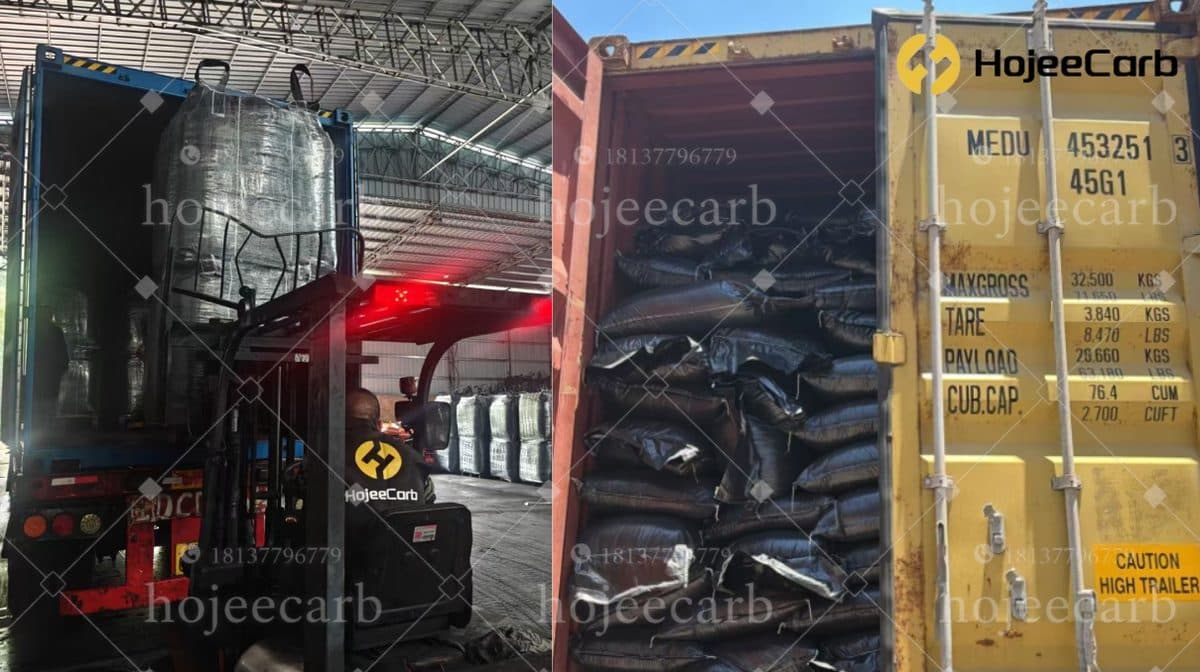
Activated carbon in 500 kg jumbo bags loaded for container shipment — factory-direct export to Jebel Ali and Dammam
Because the GCC produces almost no activated carbon locally, every buyer faces the same choice: buy from a local distributor, or buy factory-direct from Asia.
Local GCC distributor
- Pros: short lead time from local stock, local-currency invoicing, on-the-ground support.
- Cons: distributor margin stacked on top of import cost; limited grade range; you are one step removed from the quality spec.
Factory-direct from China
- Pros: lowest landed cost, full control of the specification and COA, access to the full grade range (coconut, coal, wood; GAC/PAC/pellet; impregnated).
- Cons: you manage the sea freight and customs (12–18 days to Jebel Ali/Dammam) and need a supplier who prepares export documents correctly.
For project-scale and repeat buyers, factory-direct almost always wins on cost and spec control. For urgent top-ups or small volumes, a local distributor is faster. Many GCC buyers run both: direct for base load, local for emergencies.
See our dedicated activated carbon supplier for the Middle East guide for current pricing, MOQ and shipping detail, and our UAE activated carbon supplier page for Dubai-specific logistics.
Matching Carbon Type to the GCC Application
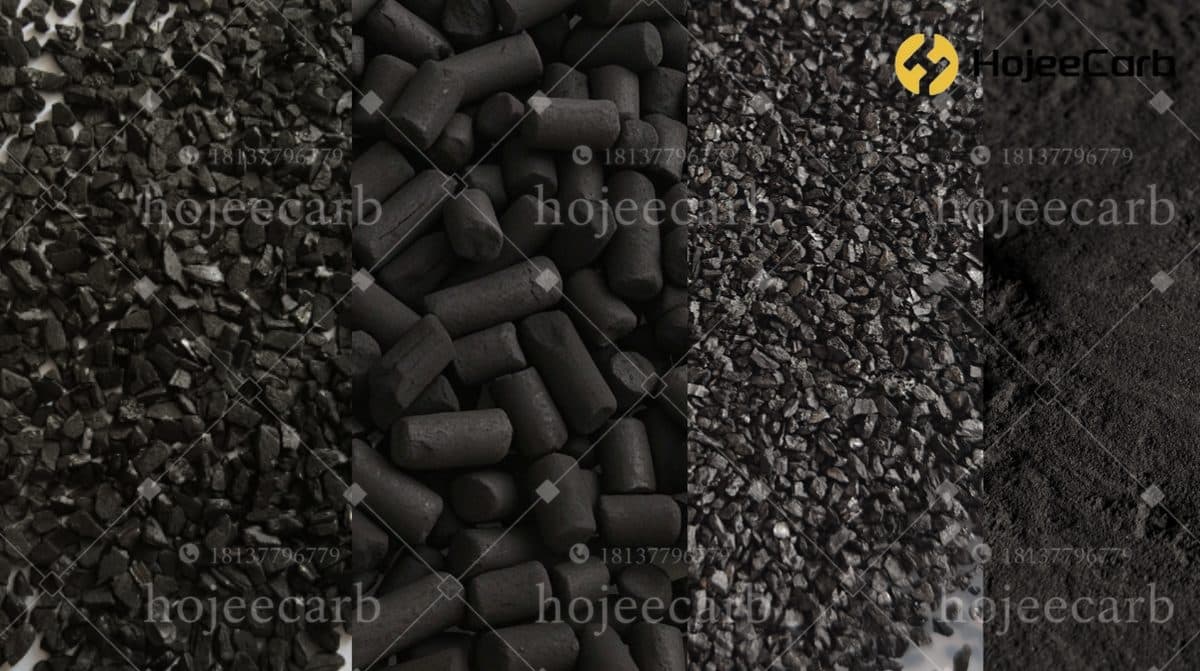
Granular, pelletized and powdered activated carbon grades matched to GCC water, oil & gas and air-treatment duties
| Application | Recommended type | Why |
|---|---|---|
| Desalination / municipal water polishing | Coconut shell GAC 8×30 or 12×40 | High hardness, low ash, clean taste |
| Oil, gas, refinery, H₂S | Coal-based GAC / impregnated | Cost-effective, high CTC for vapour phase |
| Industrial air / VOC | Coal-based pellet | Low pressure drop, high CTC |
For end-use engineering, see our municipal and industrial water treatment application page.
Sourcing activated carbon for a GCC project?
Tell us your application (desalination, water utility, oil & gas, or air treatment), target volume and destination port. We ship factory-direct to Jebel Ali, Dammam and other GCC ports with full export documentation.
Request a quote →Frequently Asked Questions
How big is the GCC activated carbon market?
There is no standalone published GCC figure, but the wider Middle East & Africa market was about USD 157.6 million in 2024, growing at roughly 4.5% CAGR to an estimated USD 233.4 million by 2033 (Grand View Research). Saudi Arabia, the largest GCC market, was USD 22.2 million in 2024. The region is the fastest-growing activated carbon market globally in percentage terms.
Which GCC country uses the most activated carbon?
Saudi Arabia, driven by its large desalination fleet, municipal water networks and oil/petrochemical sector. The UAE is second and also acts as a re-export hub through Jebel Ali.
What import duty applies to activated carbon in the GCC?
Activated carbon (HS 3802.10) from non-GCC origins is generally subject to the 5% GCC common external tariff. Free-zone imports can defer duty until the goods enter the local market. Always confirm the live rate with your customs broker.
Is there activated carbon production inside the GCC?
Not at commercial scale. There is no significant coconut-shell or coal-based production and no established reactivation plant network, so the GCC relies almost entirely on imports from China, India and Sri Lanka.
Can I buy activated carbon factory-direct for a GCC project?
Yes. Factory-direct from China typically gives the lowest landed cost and full control over the specification and COA. Sea transit to Jebel Ali or Dammam is about 12–18 days. For smaller or urgent needs, a local GCC distributor may be faster.
Market figures cited from Grand View Research; tariff and conformity references from the GCC Secretariat General, SASO/SABER and ESMA. Hojee manufactures coconut-shell, coal-based and wood-based activated carbon — GAC, PAC, pellet and impregnated grades — with per-batch COA and third-party (SGS/BV) testing, ISO 9001 certified, shipped factory-direct to GCC ports.